Hello! My name is Ethan Miller — I am a specialist in digital media and streaming platforms. For many years, I have been studying how online broadcasts are transforming the media market and how creators turn live streaming into a stable source of income.
In this article, I will break down the journey of YouTube Live — the live-streaming service of the world’s largest video hosting platform. We will explore how it started, who were the pioneers, what monetization opportunities it opened up for creators, and which names became iconic on the platform. In addition, we will discuss the advantages and disadvantages of YouTube Live and compare its monetization models with GAD.BET — a platform where earning opportunities are tied to betting, casino-style features, referral systems, and live events.
YouTube Live: What It Is and How the Service Began
Brief Description of the Service
YouTube Live is a built-in YouTube feature that allows creators to host live broadcasts. I see it as a function that merges traditional video hosting with the format of real-time streaming. Through this service, viewers gain the ability to watch events as they happen, while creators can directly interact with their audience through chat and live reactions.
Broadcasts are automatically saved on the channel, making the content available even after the stream ends. In addition, the system integrates with notifications: subscribers are instantly informed when a stream begins, which significantly increases reach. For me, it’s clear that this feature became a crucial step in YouTube’s transformation into a full-fledged media platform where recorded videos and live broadcasts work together.
When It Launched and Who Introduced It
YouTube officially announced its live-streaming feature in April 2011. The initiative came from the YouTube team itself, already under the management of Google, which had acquired the platform back in 2006. The first test broadcasts took place in 2010, but the service was fully rolled out the following spring.
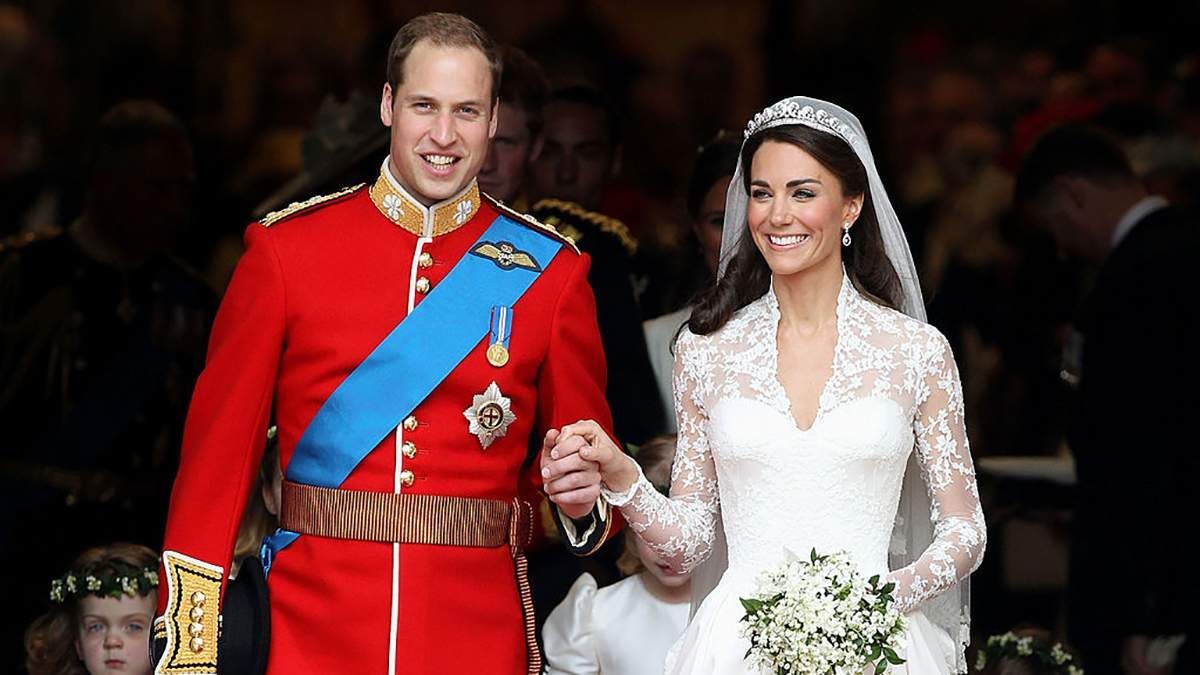
The launch was symbolic: YouTube streamed the royal wedding of Prince William and Kate Middleton live, gathering tens of millions of viewers worldwide. This event proved that the platform was ready to compete with television in terms of broadcast scale.
Later, in 2013, YouTube Live expanded to all channels with more than 1,000 subscribers, and by 2016 the service had become globally available, including on mobile devices. For me, this was the key turning point: the platform became a tool not only for large brands and media companies but also for independent creators.
First Key Broadcasts
I recall that one of the first major broadcasts on YouTube Live was the royal wedding of Prince William and Kate Middleton in April 2011. This event attracted a massive audience and became a clear example of how online streams could rival traditional television.
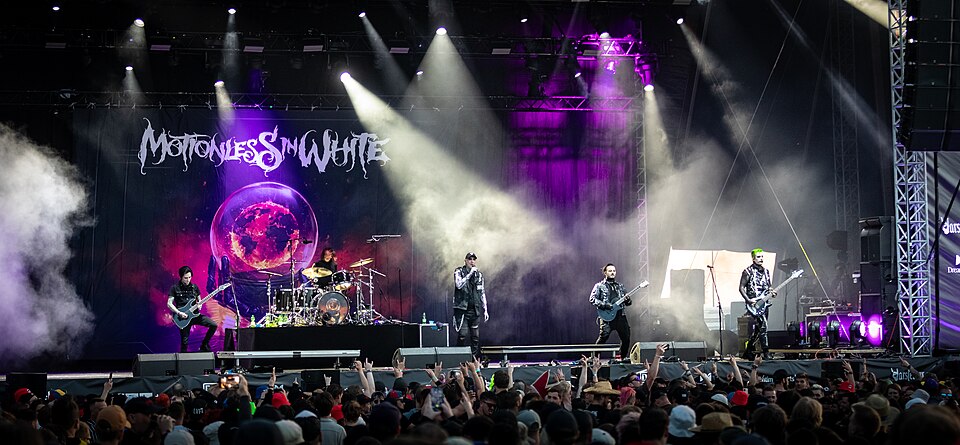
Soon after, the platform was used to stream music concerts and festivals. In that same year, 2011, YouTube broadcast the Coachella festival, cementing its image as a hub for large-scale cultural events.
Sports soon followed. In 2012, YouTube secured the rights to stream matches from the Indian Premier League in cricket — the company’s first major step into sports broadcasting.
Political events also became part of the mix. In 2012, YouTube Live streamed the U.S. presidential debates, demonstrating the company’s serious intent to enter the field of socially significant live content.
To me, it’s obvious: these early steps laid the foundation for the service’s future development. The platform immediately showcased its versatility — from entertainment to politics.
The First Streamers and Content Directions
Who Were the First to Stream Actively
When YouTube Live first appeared, music performers and media companies were the first to use it actively. I note that they were the ones who immediately saw in live streaming an opportunity to reach millions of viewers in real time. Artists hosted streams to present new albums and live performances.
Sports organizations soon joined in. Leagues and clubs began streaming matches and press conferences, creating a new way to connect with fans. For audiences, it was a convenient alternative to TV limitations.
At the same time, independent bloggers and streamers began experimenting with YouTube Live. I observed how they used live streaming to engage with subscribers, host Q&A sessions, and even stream live reports. This format quickly became a tool for building trust and loyalty.
Thus, the first active participants included major artists, sports organizations, and enthusiastic bloggers. This combination set the direction for the service’s growth and highlighted its broad potential.
Popular Formats
From the very beginning, I noticed that YouTube Live started to grow in several directions. The first major format was music concerts and premieres. Artists quickly realized that live streaming allowed them to reach millions of fans without the limitations of a stage or a specific location.
Next, esports broadcasts surged in popularity. Tournaments in League of Legends, Dota 2, and CS:GO drew huge audiences, and YouTube began to compete with television in the realm of live sports events.
News and politics formed another important stream. Media outlets began hosting live coverage, streaming debates, and broadcasting press conferences, positioning YouTube Live as a serious alternative to traditional television.
Equally important was the development of blogger-driven content. Creators used live streams for direct communication with their audiences, conducting polls, running live chats, and even streaming their daily lives. For viewers, it was a chance to see their idols unfiltered and in real time.
In summary, YouTube Live covered multiple formats from entertainment to politics. This versatility is what helped the service quickly establish a solid position in the live-streaming industry.
Monetization on YouTube Live
Advertising (AdSense)
For me, it’s clear that the foundation of monetization on YouTube Live remains Google AdSense. A creator joins the Partner Program and earns a share of ad revenue shown during live broadcasts. Ads can be placed both before a stream starts and during the broadcast, making the format flexible.
I note that income directly depends on the number of viewers and their level of engagement. The larger the audience, the more ad impressions — and therefore, higher revenue. Audience region also plays a role: ads in the U.S. or Europe pay significantly more than in CIS countries.
Another key point is that YouTube itself distributes ads through algorithms. The creator doesn’t need to search for advertisers manually — the system works automatically. However, the platform’s strict rules limit themes, meaning not every stream can generate maximum income.
Thus, AdSense became the first stage of monetization on YouTube Live. It provides a baseline income stream and allows creators to forecast potential earnings.
Super Chats and Stickers
One of the most powerful monetization tools on YouTube Live, in my view, is Super Chats and Super Stickers. This feature allows viewers to highlight their messages for a fee. The larger the payment, the more noticeable the comment becomes, and sometimes it even gets pinned on the screen.
For creators, it’s not just an income source but also a way to strengthen interaction with the audience. I’ve observed that viewers often use Super Chat to get the streamer’s attention or ask important questions. This mechanic increases engagement and turns a broadcast into a two-way dialogue.
Super Stickers work the same way, but instead of text, viewers send colorful animations. This format is especially popular among younger audiences, where visuals often carry more weight than words.
In practice, Super Chats and Stickers bring creators a significant share of income, especially during large-scale events. For me, this proves that YouTube Live knows how to monetize not just ads, but also audience activity itself.
Subscriptions (Memberships)
I believe YouTube Live memberships have become an important step toward stable monetization. The YouTube Memberships system allows viewers to support a creator monthly with a fixed fee. In return, they receive perks: special emojis, badges, access to members-only chats, or exclusive streams.
For streamers, this isn’t one-time income but recurring revenue. Regularity makes memberships a financial backbone for channels. I note that many creators use them to build community, giving viewers a sense of belonging.
Additionally, memberships help creators depend less on ad algorithms. Even when AdSense revenue drops, monthly support remains steady. For me, this proves that YouTube is focused on building long-term relationships between creators and their audience.
The Partner Program
I always point out that YouTube’s Partner Program is the foundation of all monetization on the platform. It’s what unlocks access to ads, Super Chats, Stickers, and memberships. To qualify, a creator must have at least 1,000 subscribers and 4,000 watch hours within the past 12 months.
Once approved, YouTube grants access to its full monetization toolkit. Payments go directly through AdSense, making the process transparent and convenient. I find it important that the program’s conditions are the same for everyone — from a beginner streamer to a large media company.
That said, strict rules apply. Content undergoes both automatic and manual review, and any violation can lead to demonetization. In practice, this means creators must carefully follow guidelines when planning streams.
To me, the Partner Program isn’t just a way to earn money — it’s also a discipline tool. It enforces quality standards and balances the interests of viewers, advertisers, and creators.
YouTube Live and the Casino Industry
How Casinos and Betting Use YouTube Live
I’ve observed that YouTube Live has become a platform where casinos and betting companies are heavily promoted. Streamers host live sessions showing slot games, sharing gameplay in real time, and reacting authentically to wins and losses. This format keeps audiences engaged because they see raw reactions instead of edited clips.
Gambling companies use this for advertising. Creators sign sponsorship deals, insert links to casinos or bookmakers, and share promo codes. Revenue comes not only from flat sponsorship fees but also from affiliate programs, where the streamer earns a percentage from referred players’ activity.
Still, YouTube enforces strict limitations. The platform requires age restrictions, bans illegal links, and can suspend a stream if rules are broken. As a result, some creators combine YouTube Live with external platforms, redirecting their audience to spaces with fewer restrictions.
YouTube Live, therefore, serves as a traffic and engagement channel for the casino industry. It allows streamers to monetize in multiple ways: ads, affiliate deals, and direct brand integrations.
YouTube’s Restrictions and Rules on Gambling Content
I clearly understand that YouTube strictly regulates casino and betting-related content. The platform requires creators to set an 18+ age restriction and openly warn viewers about the nature of the stream. This rule applies to all broadcasts involving gambling.
Additionally, YouTube bans direct advertising of unlicensed casinos or bookmakers. Links to questionable sites are often blocked, and violators risk demonetization or even channel removal. I note that in recent years moderation has become even stricter — algorithms now automatically detect gambling keywords, slot visuals, and brand mentions.
Territorial restrictions also apply. In countries where gambling is prohibited, YouTube blocks certain content or disables its monetization. For streamers, this means revenue depends not only on audience size but also on the legal status of gambling in each region.
Thus, working with gambling content on YouTube Live is possible only under strict rules. For me, this shows the platform’s attempt to balance viewer interest with global legal requirements.
Streamers and Casino Promotions
I’ve noticed that streamers have become key promotional tools for online casinos and betting companies. During live streams, they integrate promos directly into the content: offering registration bonuses, showcasing special offers, or giving away free spins. This approach is effective because viewers see real-time examples and get immediate incentives to click links.
Usually, these promotions run through affiliate programs. A creator receives a unique referral link or code, and their earnings depend on the activity of recruited players. I note that for many streamers, such deals have become their main income source on YouTube Live, as revenue comes not only from views but also from off-platform audience actions.
Casinos also leverage streamers to build trust. Watching live gameplay feels more convincing than banner ads or static websites. Viewers see actual bets and winnings, making promotions more attractive.
Streamer-casino collaborations revolve around promos and affiliate links. For me, it’s obvious that this model allows live broadcasts to be monetized far more effectively than ads alone.
The Biggest Names on YouTube Live
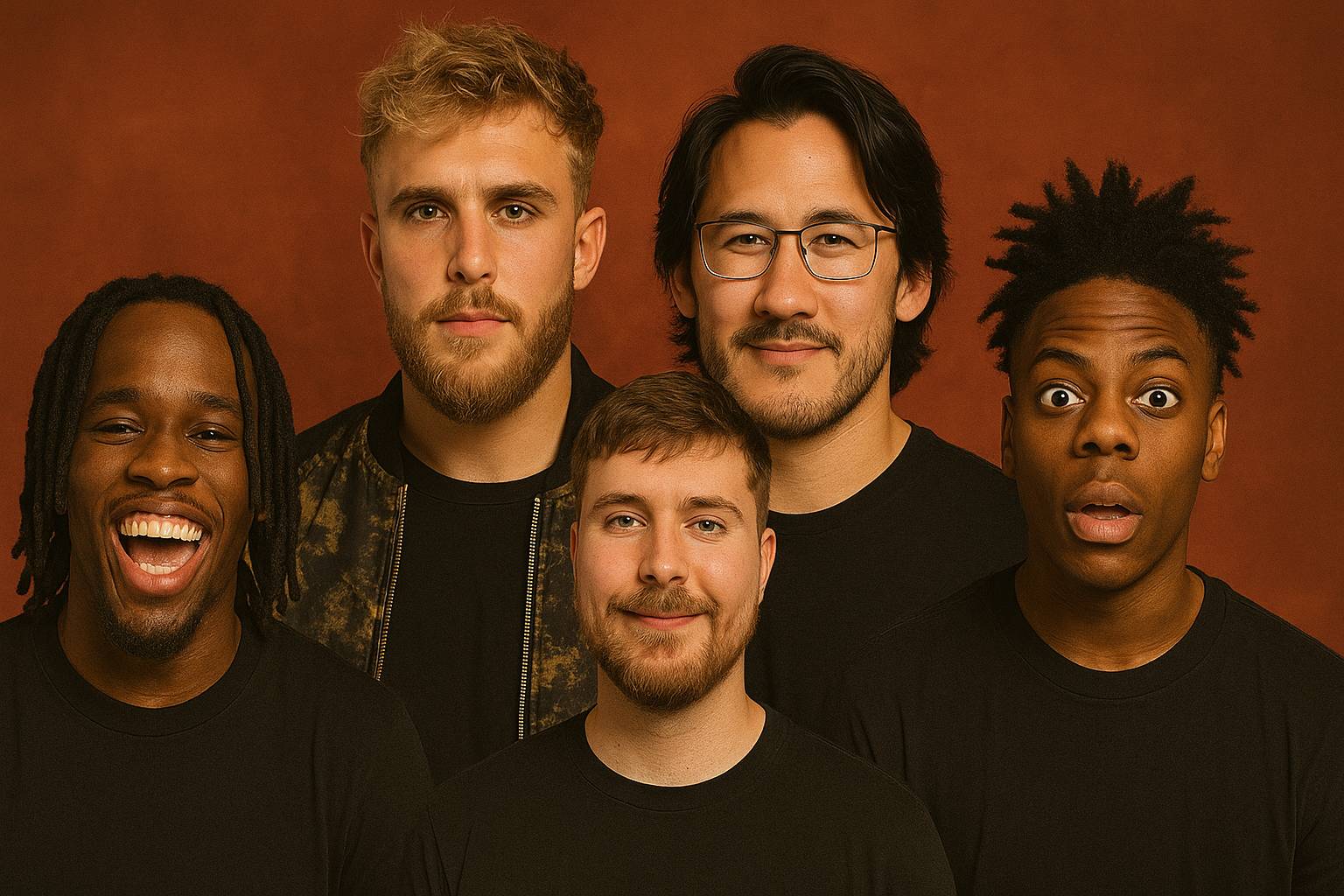
| # | Creator / Streamer | Subscribers | Estimated Income | Main Revenue Sources | Notes |
|---|---|---|---|---|---|
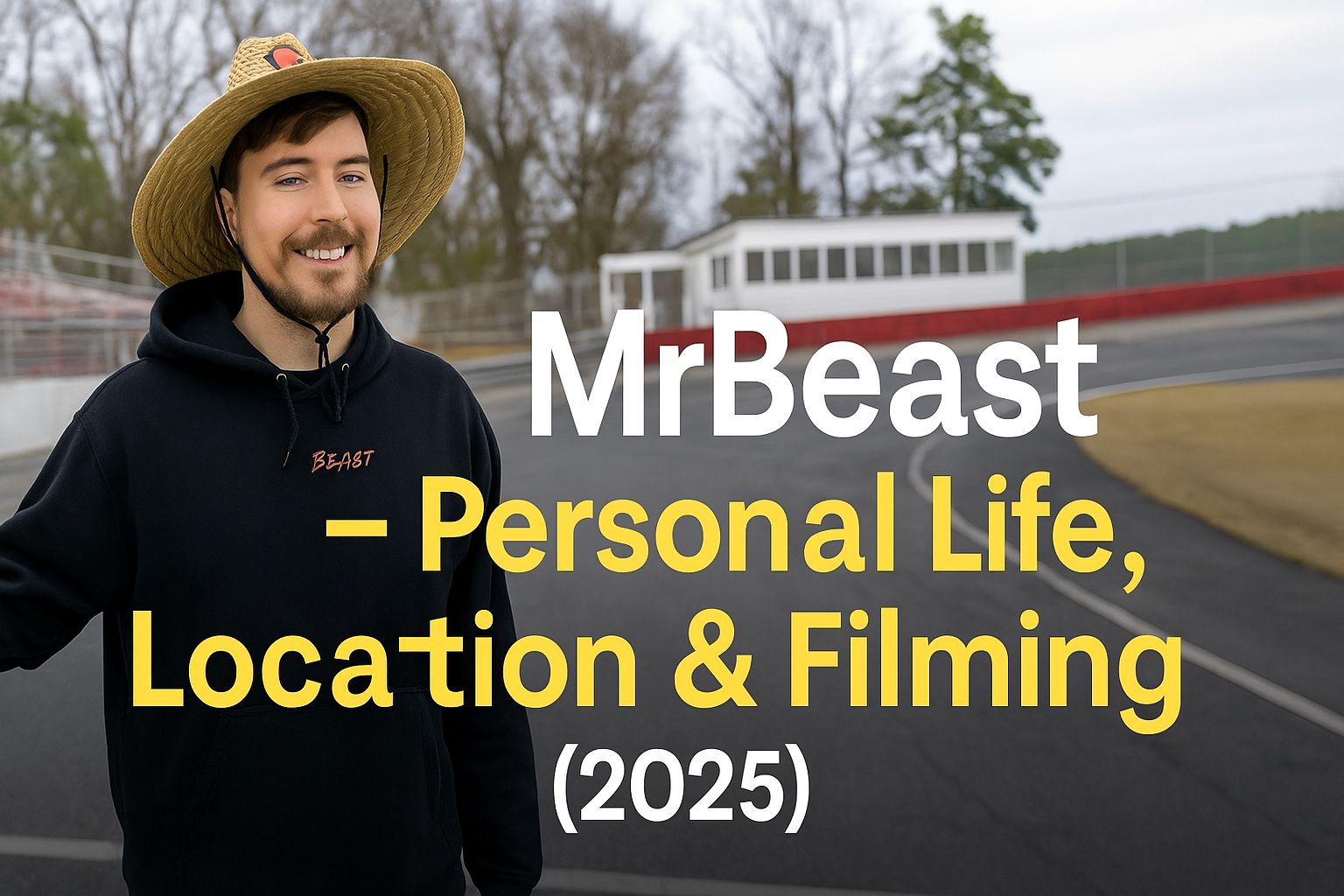
| 1 | MrBeast (Jimmy Donaldson) | ~420M | ~$85–100M/year | AdSense, sponsorships, merch, live events | Largest creator, reinvests revenue |
| 2 | Jake Paul | ~21M | ~$40–50M/year | Boxing, sponsorships, YouTube, live shows | Significant income outside YouTube |
| 3 | Markiplier (Mark Fischbach) | ~37M | ~$30–40M/year | Gaming, brand deals, merch, live streams | Stable income, highly loyal audience |
| 4 | Kai Cenat | ~7.2M | ~$8.5M/year | IRL, sponsorships, memberships | Famous for marathon and IRL content |
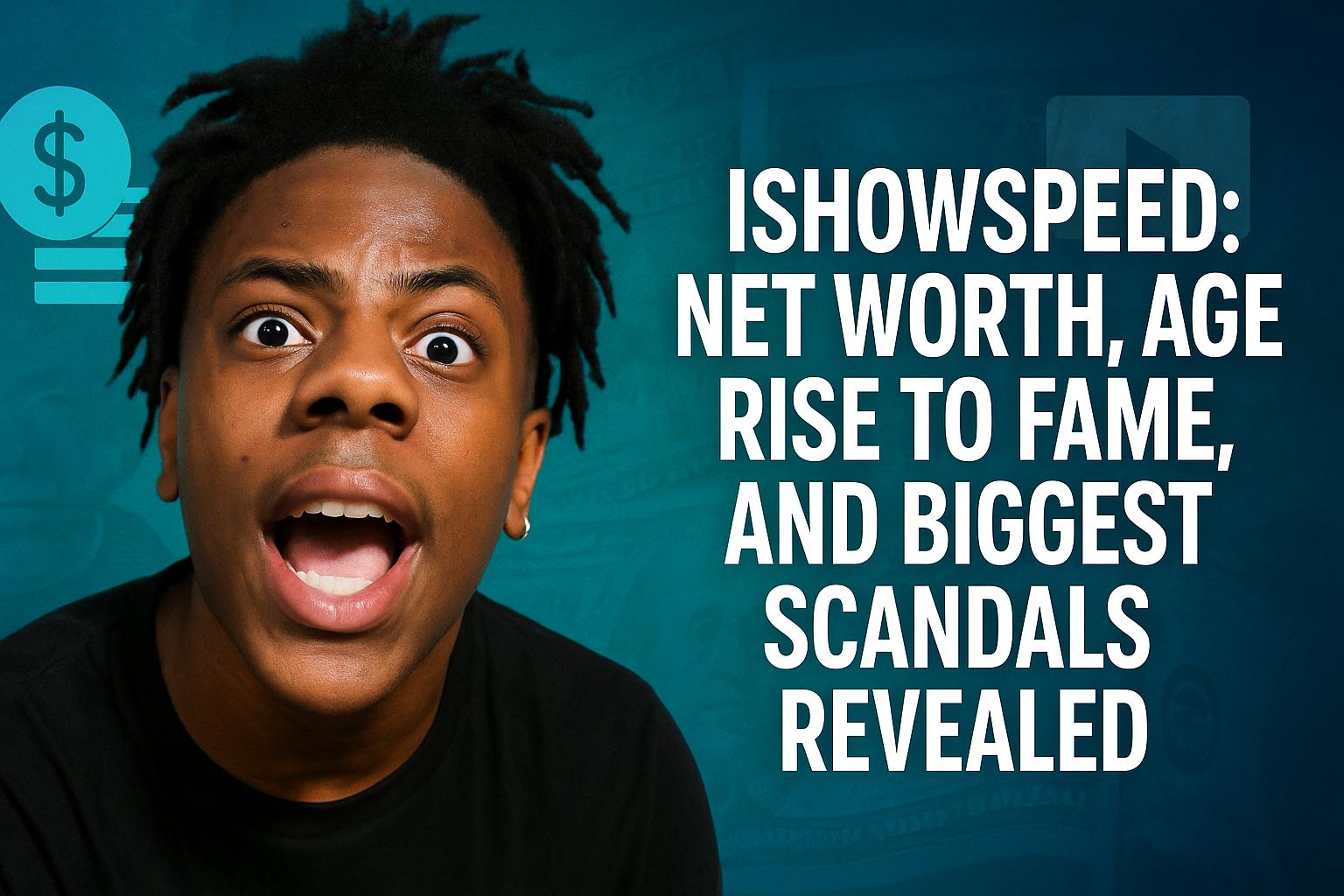
| 5 | IShowSpeed | ~43M | ~$5.5–7M/year | Live streams, sponsorships, merch | Viral streams and football broadcasts |
| 6 | Dream | ~32M | ~$8–11M/year | Minecraft, sponsorships, live events | Rare but large-scale streams |
| 7 | AuronPlay | ~29M | ~$1.2–1.6M/year | Show-style streams, brand deals, donations | Focused on Spanish-speaking audience |
| 8 | Ninja | ~24M | ~$6–7M/year | Fortnite, sponsorships, memberships | Gaming legend, peaked with live events |
| 9 | Shroud | ~6.8M | ~$1.5–2M/year | FPS games, sponsorships, YouTube/Twitch | Strong niche audience |
| 10 | xQc | ~2.4M | ~$100M/2 years (contract) | IRL, contracts, donations | One of the wealthiest streamers |
Pros and Cons of YouTube Live
Pros
I believe the biggest advantage of YouTube Live is its massive audience. With billions of users worldwide, the platform is universal and accessible to any creator.
Another key strength is its integration with the main YouTube platform. Streams are launched directly from a channel, and recordings are automatically saved, continuing to generate views even after the broadcast ends.
I also highlight the high quality of broadcasts. Support for up to 4K and 60 fps allows creators to stream at a professional level.
The service provides instant notifications to subscribers, which helps gather a live audience without additional investment in promotion.
Another advantage is the flexible monetization tools: ads, Super Chats, Super Stickers, and memberships give creators multiple revenue streams.
Finally, YouTube Live works equally well on both desktop and mobile devices, making it easy for both viewers and creators to access streams.
Cons
The main drawback, in my view, is YouTube’s strict rules and moderation. Any violation can lead to a stream being blocked or monetization disabled.
A second disadvantage is stream delay. Even with high-speed internet, broadcasts often run a few seconds behind, limiting real-time interaction with viewers.
Another important limitation is the monetization threshold. To start earning, a creator needs at least 1,000 subscribers and 4,000 watch hours within a year — an unrealistic goal for beginners at the start.
I also see an issue with limited donations by country and currency. Not all viewers are able to send Super Chats, which reduces overall earning potential.
In addition, competition on YouTube is enormous. New creators find it difficult to get into recommendations, especially when dozens of large channels are streaming at the same time.
Lastly, stream customization tools are fairly basic. For advanced features, creators need to rely on third-party software.
Monetization Comparison: YouTube Live vs GAD.BET

I see that YouTube Live and GAD.BET offer creators very different earning models. The first platform relies on advertising and audience engagement, while the second focuses on betting, casino features, and referral systems. To make it clearer, let’s compare them in a table.
| Criterion | YouTube Live | GAD.BET |
|---|---|---|
| Memberships & Donations | Memberships, Super Chats & Super Stickers. Requirement — 1,000 subscribers and 4,000 watch hours. | Paid access to streams. Up to 70% of access revenue goes to the creator. |
| Advertising | AdSense. Income depends on views and region; strict content rules apply. | Built-in events and brand integrations. Extra bonuses for audience activity. |
| Betting & Casino | Direct integration is prohibited. Gambling content is often restricted. | Core, legally-grounded feature of the platform. Streamers earn up to 20% from bets and up to 25% from casino. |
| Referral System | Limited options; mostly external affiliate programs. | Up to 1% from bets, up to 20% from paid access, up to 25% from casino. Referrals are lifetime. |
| Events & Tournaments | Primarily organized by large channels; high entry barrier. | Regular challenges and tournaments, accessible even to beginners. |
| Platform Fees | A significant share of revenue goes to the platform; percentages vary by monetization type. | Minimal fees and transparent payout terms. |
| Content Freedom | Strict moderation, ban on gambling streams, topic restrictions. | Few restrictions: IRL, pranks, sports, gambling content allowed. Fraud and scams are prohibited. |
| Starter Path | High competition; hard to gain traction without a strong subscriber base. | Faster growth via betting mechanics, referrals, and lower competition. |
I don’t set the platforms against each other — YouTube Live has strong advantages: scale, lasting content, and a powerful ecosystem. However, when it comes to the speed of monetization, GAD.BET is noticeably easier to “kick-start” from zero. Here, revenue isn’t tied to the 1,000 subscribers and 4,000 watch hours threshold: monetization is enabled by formats, not numbers.
Why GAD.BET Is Especially Convenient for Beginners
- Start without an audience: betting, paid access, and referrals allow creators to earn from the very first streams — even with a small live audience.
- Transparent mechanics: clear percentages for each model (bets / access / casino / referrals) provide an immediate revenue forecast.
- Fast feedback loops: events, challenges, and IRL formats instantly affect check size and conversion — it’s easy to see what works.
- Broader experimentation field: fewer content restrictions make it simpler to test “hooks” and find a niche.
- Long-term income through referrals: once a viewer is referred, the creator continues to earn from their activity over time.
- Lower competition: easier to establish a position and secure it before the market becomes oversaturated.
In summary: YouTube Live is an excellent platform for those building a media brand and aiming for the long game. GAD.BET, on the other hand, is about quickly entering the revenue stream and scaling through a combination of models (betting, paid access, casino, referrals, and events). If the goal is to see money and validate hypotheses as early as possible, GAD.BET offers more room for maneuver.
FAQ: YouTube Live, Monetization, and GAD.BET
What is YouTube Live and how is it different from regular YouTube videos?
YouTube Live is YouTube’s built-in live streaming feature. Unlike uploaded videos, streams run in real time with live chat and instant interaction. After the broadcast ends, the recording stays on your channel and can continue to gain views.
When did YouTube Live launch and who launched it?
YouTube officially announced live streaming in April 2011 (after tests in 2010). The feature was launched by YouTube, which has been owned by Google since 2006.
Which formats perform best on YouTube Live?
Top performers include music concerts/premieres, esports (LoL, Dota 2, CS:GO), news and political events, and creator-led IRL/Q&A streams with strong audience interaction.
How do you earn on YouTube Live (AdSense, Super Chat, memberships)?
Join the YouTube Partner Program to enable ads (AdSense), Super Chats/Stickers (paid highlighted messages/animations), and channel memberships (monthly support with perks). Revenue scales with live viewership and engagement.
What are the requirements to enable monetization on YouTube Live?
At minimum: 1,000 subscribers and 4,000 public watch hours in the last 12 months (plus policy compliance). Once approved, you can enable Live monetization features.
Can you stream casino/betting content on YouTube Live?
Direct gambling integrations are restricted. You must set 18+ age gates and comply with local laws and YouTube policies. Violations can lead to demonetization or stream/channel removal.
How does GAD.BET differ from YouTube Live in monetization?
GAD.BET focuses on betting, casino mechanics, paid access, and referrals. Monetization is format-driven (not gated by subscriber/watch-hour thresholds) and includes revenue shares from bets, casino, and ticketed streams.
Why is GAD.BET convenient for beginners?
Creators can earn from the first streams via betting, paid access, and referrals; mechanics are transparent; events/challenges speed up feedback; fewer content limits enable faster testing; referrals bring ongoing revenue; competition is lower.
Are YouTube Live streams saved and how can you repurpose them?
Yes. Recordings remain on your channel. You can trim highlights, publish shorts, add chapters, and repackage segments as standalone videos to extend reach and monetization.
What about stream delay and interactivity on YouTube Live?
There’s typically a few-second delay (even on low-latency modes). It’s fine for most formats but can limit ultra real-time interactions like rapid-fire Q&A or competitive timing.
Where can I find detailed earning terms on GAD.BET?
Check the official GAD.BET documentation or the site’s blog Earnings Guide for revenue shares, payout schedules, and program conditions.