Hello! My name is Ethan Miller — I’m a digital media and streaming platforms specialist. For more than ten years, I’ve been analyzing how the live-streaming industry evolves, what tools platforms provide to creators, and how monetization rules continue to change for streamers.
In earlier articles, we explored Twitch and YouTube Live — platforms that have shaped the future of streaming and became the starting point for countless creators. Now it’s time to shift our focus to Kick — a relatively new platform that has quickly drawn attention from both viewers and streamers.
In this review, I’ll break down the story of Kick’s launch, its key features, monetization model, and content policies. We’ll also highlight the streamers who have already made their mark on the platform and how their presence is shaping its future development.
My goal is to provide not a promotional review, but a professional analysis: how Kick operates, what sets it apart from competitors, and what opportunities it opens up for new creators.
Brief Overview of Kick
What the Platform Represents
Kick is a modern live-streaming platform focused on real-time broadcasts. Its concept is built around maximum content freedom and favorable conditions for creators. Unlike traditional services, Kick emphasizes not only gaming streams but also entertainment formats, including chats, podcasts, and even broadcasts related to gambling.
The platform was created as an alternative to established industry giants, where strict policies and high commission rates often limited creators’ opportunities. Kick positions itself as a space where streamers have greater control over their earnings and face fewer censorship barriers.
Key Features and Capabilities
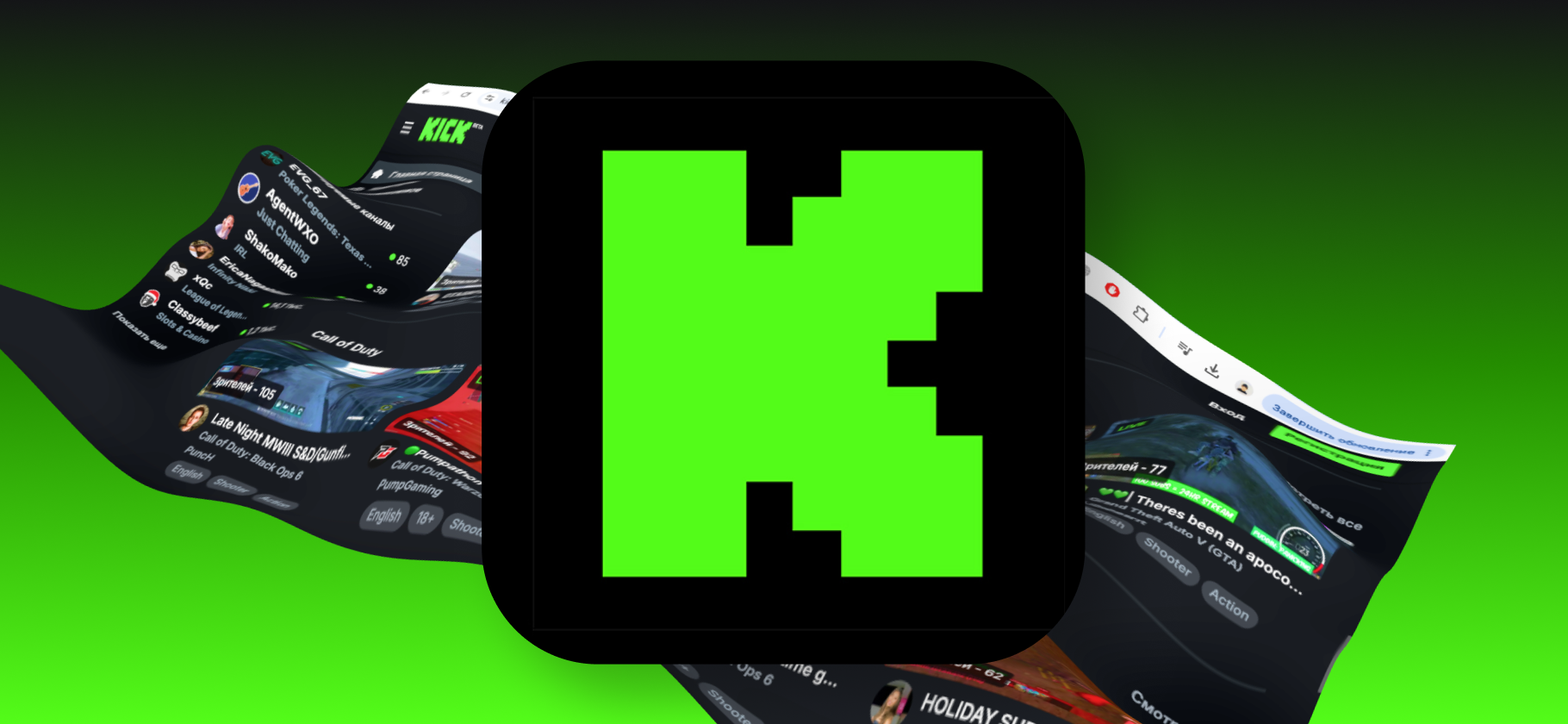
Kick offers a toolkit that covers the essential needs of streamers. First and foremost is a user-friendly interface for going live: creators only need basic streaming software, and adding widgets or plugins comes without unnecessary restrictions.
Viewers enjoy familiar interaction tools such as chat, subscriptions, gifted subs, and donations. The system itself operates with minimal delay, making audience interaction feel more dynamic and engaging.
Monetization options include traditional subscriptions, ad integrations, and direct viewer support. Additionally, the platform is integrated with promotional tools from the casino industry, expanding revenue opportunities.
Navigation is also straightforward. Beginners can easily find the right sections, and the category-based search helps users quickly discover content — whether gaming, IRL streams, or podcasts.
Kick’s Target Audience
Kick attracts multiple categories of users. The core group consists of streamers who want to start their careers quickly without high viewer requirements or overly strict content rules. For them, the platform’s flexibility and early-stage monetization opportunities are highly valuable.
At the same time, the service appeals to viewers seeking variety. Kick hosts not only gaming streams but also talk shows, podcasts, IRL content, and gambling-related broadcasts. This diversity broadens the demographics: from gamers to users interested in freer, less conventional formats.
Another important segment includes audiences engaged in entertainment tied to betting and casino culture. This group has become a key driver of Kick’s growth and helped shape its community identity.
As a result, Kick’s audience is less homogeneous than that of traditional streaming services. It combines gamers, talk-show enthusiasts, and fans of unconventional shows, making the platform dynamic and distinct from established competitors.
History and Launch of Kick
When the Platform Appeared
Kick officially launched in late 2022, at a time when the streaming market was highly competitive. I remember clearly that during this period, Twitch tightened its moderation policies and changed partnership terms, sparking dissatisfaction among creators. Against this backdrop, the arrival of a new platform was timely and immediately drew attention from both streamers and viewers.
From the very beginning, the project positioned itself as an alternative to larger services, with a focus on lower fees and more creator-friendly policies. Within its first months, Kick gained traction, and by 2023 it was actively mentioned in industry media and professional discussions.
In other words, the platform launched at exactly the right moment — when demand for new conditions was at its peak — and carved out a niche thanks to its well-timed entry.
Founders and Investors
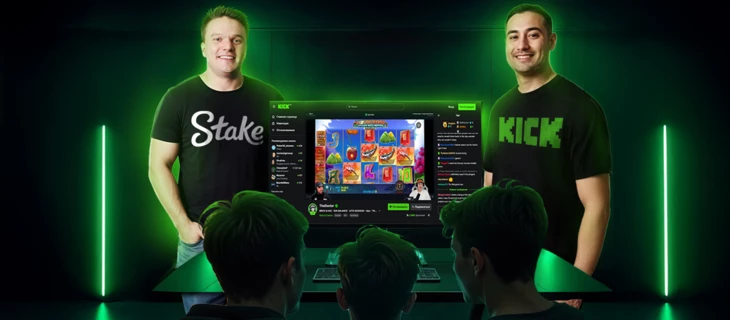
Kick was developed with the involvement of the team behind the online casino Stake. The launch was led by entrepreneurs Ed Craven and Bijan Tehrani, who already had experience in betting and digital entertainment. They combined market knowledge with an understanding of streamers’ needs, forming the foundation of the project.

The financial backbone was provided by Stake’s infrastructure. This gave the platform immediate access to resources for stable servers, scalability, and the ability to onboard high-profile creators early on. As a specialist, I want to emphasize: very few startups in this niche launch with such a strong capital and technical base.
As a result, Kick entered the market not as a small test project, but as a fully developed product ready to compete with established platforms.
Development Stages and Support
After its 2022 launch, Kick moved quickly to attract creators. The first step was partnering with well-known streamers, which secured audience attention and rapid media exposure. By early 2023, the platform had already established itself as a credible alternative for creators dissatisfied with competitors’ restrictive rules.
The next phase focused on improving technical infrastructure. Kick expanded server capacity, reduced streaming latency, and introduced new audience interaction tools. These upgrades helped retain users and made the platform more convenient for everyday streaming.
Investor backing provided not only financial stability but also scalability. This allowed Kick to expand internationally rather than being tied to a single regional model.
Today, the project continues to grow, testing new features and expanding its ecosystem. For streamers, this means a steady rollout of tools that improve workflow and increase earning potential.
Monetization on Kick
Subscriptions and Donations
The foundation of monetization on Kick comes from subscriptions and direct viewer donations. The system works in a familiar way: users can purchase a monthly channel subscription or support a creator with a one-time payment.
What sets Kick apart is the revenue share. Streamers keep a larger portion of their income compared to many competing services. For new creators, this is a significant advantage — even a relatively small audience can generate meaningful revenue.
In addition to standard subscriptions, gift subscriptions are available. Viewers can purchase multiple subs and give them away to others in chat, boosting community engagement and helping streamers grow faster.
Donations are supported both through built-in tools and third-party services. This flexibility allows viewers to choose the payment method they prefer, while streamers benefit from quicker payouts without long delays.
Overall, the subscription and donation model provides Kick with a stable foundation for monetization — familiar for viewers, but more rewarding for creators.
Advertising Integrations
Advertising on Kick is still developing, but it has already become an additional income stream for creators. The most common format is direct brand integrations during live broadcasts, where streamers promote a product or feature branded content. Since Kick doesn’t yet have a complex internal ad system, direct deals between influencers and brands play the biggest role.
Most often, these integrations involve gaming services, software, or entertainment apps. Sometimes visual elements like banners, overlays, or logos are embedded into the stream. These tools allow brands to stay visible without overwhelming viewers with ads.
Many creators also use native placements, where a product is presented naturally as part of the content. This reduces ad fatigue and makes promotions feel more organic. For streamers, it’s a way to diversify income beyond just subs and donations.
At this stage, advertising on Kick is not centralized into a unified system with strict rules, but it gives creators flexibility and freedom in choosing brand partnerships.
Betting and Casino Content
One of Kick’s defining features is its integration with the betting and online casino industry. The platform not only allows such content but openly embraces it due to its ties with the Stake ecosystem. Unlike competitors that restrict or ban gambling streams, Kick includes them as a notable part of its catalog.
Streamers often broadcast slots, poker, or other gambling-related content live. For viewers, it’s not just about the outcome but the process and excitement of the game, which turns it into a form of entertainment. These broadcasts consistently attract large audiences and remain a key driver of Kick’s growth.
From a revenue perspective, betting and casino content offers streamers additional monetization opportunities through affiliate programs, brand partnerships, or promotional campaigns. However, this focus also shapes Kick’s reputation, potentially limiting appeal among audiences who don’t want to be associated with gambling.
In short, casino-related content has become a central pillar of Kick’s growth and gives it a unique position in the streaming industry.
Additional Revenue Streams
Beyond subscriptions, donations, and advertising, Kick creators often rely on other income sources. Many integrate external services such as paid chats, merchandise sales, or offering personalized services to their audience. This allows them to build independent channel economies without being fully dependent on the platform’s built-in tools.
Some use sponsored music integrations or host branded activities during their streams. Collaborations with companies, where products become part of the show, are also common. These strategies help diversify income and reduce reliance on one primary monetization model.
Another approach is driving audiences to external platforms with paid content or subscription models. For many creators, this is a way to diversify earnings while building long-term relationships with their community.
Rules and Restrictions on Kick
Approach to Gambling Content
From its early months, Kick made its stance clear: gambling streams are allowed and occupy a visible place in its content lineup. Unlike platforms where such formats are banned, here they’ve become part of the brand identity.
The platform doesn’t hide its ties to the online casino industry. In fact, gambling streams showcasing slots and betting played a major role in fueling Kick’s rapid audience growth. For creators, this means they can legally work with a segment that’s heavily restricted elsewhere.
However, this openness also brings risks. Public perception of gambling content is mixed, and some viewers see it as intrusive. As a result, Kick gained both a surge of new audiences and criticism from those who oppose the legalization of gambling-related entertainment.
Overall, its approach to gambling has become one of Kick’s defining traits — setting it apart from competitors and shaping a unique audience profile.
Policy on NSFW and Sensitive Topics
Kick positions itself as a more lenient platform compared to rivals. There’s no blanket ban on NSFW content, but certain restrictions apply. Streams with adult themes are permitted within acceptable boundaries, while explicit pornography or anything illegal is blocked.
The rules are intentionally flexible. This gives creators room to experiment, but it also raises the risk of disputes. For example, streams with suggestive or provocative themes are tolerated as long as they don’t cross community guideline limits.
Sensitive topics such as politics, religion, or social conflicts aren’t explicitly banned either. However, the platform aims to minimize content that could trigger mass complaints. As a result, some discussions remain possible, but they tend to be closely monitored by moderators.
This approach makes Kick appealing for those seeking less censorship — but at the same time, it leaves room for conflicts and complaints from viewers.
Moderation System
Moderation on Kick is simpler than on larger platforms. The system relies heavily on community reporting: viewers can flag problematic content, and the support team reviews those reports. While cost-efficient, this makes enforcement less predictable for creators.
Currently, the punishment system is still evolving. Temporary bans, content removal, and suspension of monetization are in place, but the criteria aren’t always transparent, which has drawn criticism from streamers.
For chat management, standard tools exist — filters, assigning moderators from among subscribers, and banning disruptive users. These allow creators to manage their communities directly while reducing the load on the platform’s administrators.
In short, Kick’s moderation system is still in its formative stage: the basics are in place, but the standards aren’t fully defined and need refinement.
Kick and Casino Promotions
How Streamers Use Promotions
Kick’s close ties to the online casino industry directly affect how creators structure their streams. Most often, promotions take the form of showcasing slot machines or other betting games live. Streamers display the gameplay while posting partner links in chat or descriptions.
Promotions on Kick are more transparent compared to other platforms. Streamers openly share bonuses, offers, and promo codes, encouraging audiences to use affiliate links. This provides an extra income source beyond subscriptions and donations.
In addition, promotions are sometimes built into interactive challenges. Viewers might suggest bet conditions or choose which slot to spin, turning branded segments into part of the entertainment experience.
As a result, promotional activities have become a standard feature of Kick’s ecosystem, forming a content niche with consistent viewer demand.
Common Partnership Models
Several collaboration models have emerged for streamers working with casinos on Kick:
-
- Affiliate links: The most common scheme, where creators earn a commission from players who sign up and play through their referral links.
-
- Fixed contracts: Larger streamers often secure deals with guaranteed pay for regular broadcasts featuring specific games or brands.
-
- Bonuses and promo codes: Casinos provide viewers with free spins or extra credits, while streamers are paid for promoting these offers.
-
- Hybrid models: Some streamers combine fixed fees with affiliate revenue, ensuring multiple income streams and reducing financial risk.
Case Examples
Right after its launch, Kick partnered with prominent streamers who openly showcased casino content. One of the first high-profile cases involved well-known creators signing contracts, whose broadcasts quickly drew tens of thousands of viewers — cementing Kick’s image as a gambling-friendly platform.
I’ve also observed mid-tier creators effectively using referral programs. For example, a streamer would host a series of slot streams, drop referral links in chat, and drive a steady flow of new users to a partner site. Their income combined subscription revenue with affiliate commissions.
There are also examples where promotions turned into interactive shows. Viewers picked the slot or bet amount, and the streamer executed it live. This transformed branded segments into participatory entertainment, holding attention longer than a typical ad.
These cases highlight that casino promotions on Kick go beyond simple ad placements — they’ve become a content genre of their own, shaping a dedicated audience segment.
Top Streamers on Kick
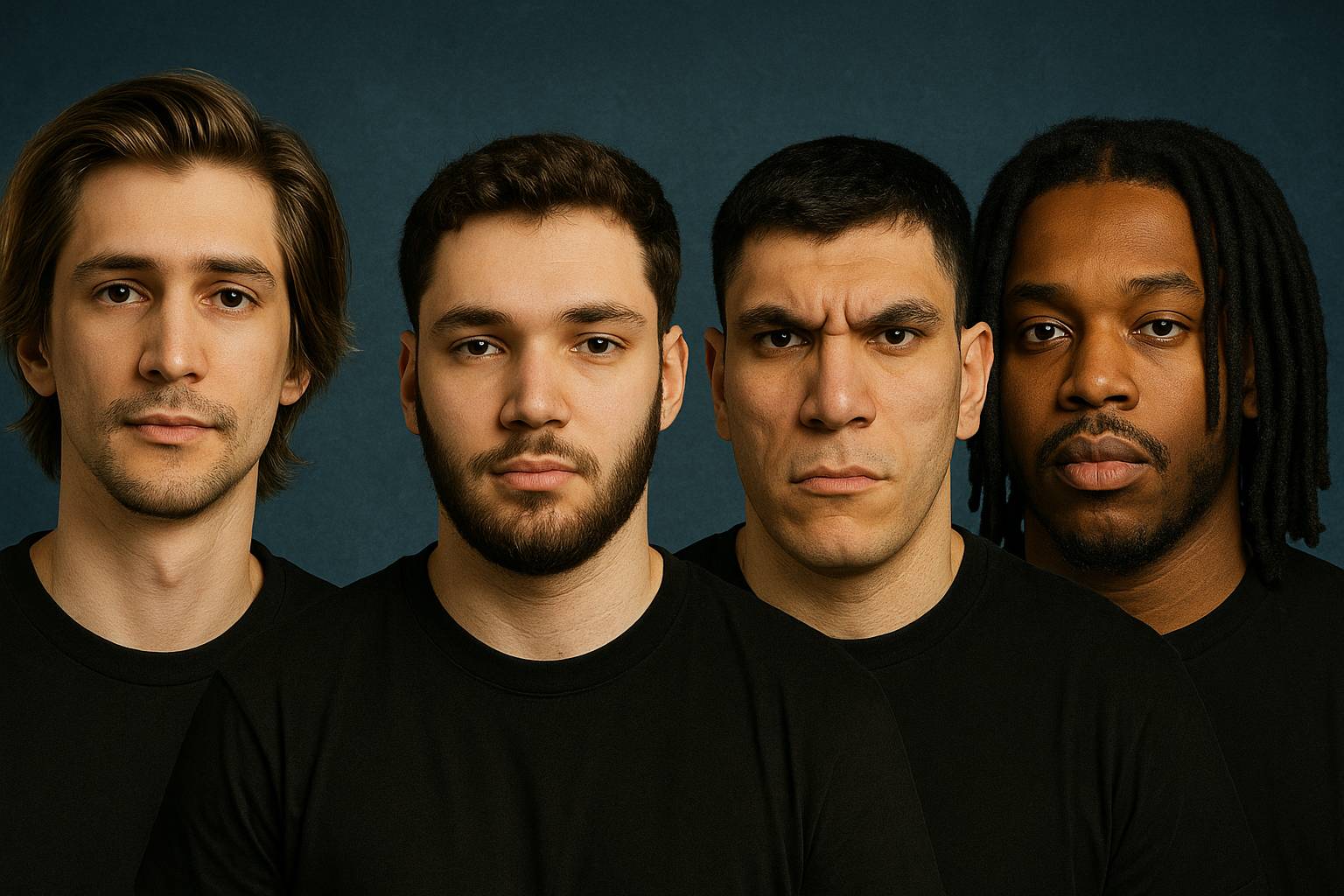
Top 10 Popular Creators on Kick
| Streamer | Primary Content | Est. Annual Income* | Audience Notes |
|---|---|---|---|
| xQc | Games Chat Shows |
$5–8M / year | Mass-market, international reach |
| Adin Ross | IRL Provocative shows |
$4–7M / year | Young audience, hype-driven culture |
| Trainwreckstv | Casino Talk & commentary |
$3–6M / year | Betting & gambling viewers |
| BruceDropEmOff | Chat Humor Collabs |
$1–2M / year | U.S. audience, entertainment-first |
| Kai Cenat | IRL Challenges |
$2–4M / year | Gen Z, social trends |
| IShowSpeed | Games Sports High-energy |
$3–5M / year | Teens & younger viewers |
| Roshtein | Casino streams | $2–4M / year | Fans of gambling-show formats |
| Stake-affiliated creators (group) | Casino Promotions |
$1–3M / year (combined) | Bonus & promo-oriented viewers |
| Pokelawls | VR Games Chat |
$800K–1.5M / year | Core gamer niche |
| Amouranth | IRL Cosplay ASMR |
$1–2M / year | Entertainment & NSFW-leaning audience |
Pros and Cons of Kick
Pros
Kick stands out with several strengths that have made it a noticeable player in the streaming market:
-
- High revenue share for streamers. Creators keep a larger percentage of income from subscriptions and donations, making the platform attractive even for newcomers.
-
- More relaxed rules. Kick allows formats that are restricted or completely banned elsewhere, opening the door to more diverse content.
-
- Low entry barrier. Starting a stream is easier: there are no strict requirements for viewer numbers or broadcast hours to access monetization.
-
- Content variety. Beyond gaming, Kick offers podcasts, IRL shows, and gambling streams, expanding its audience base.
-
- Investor backing. The project has a strong financial foundation thanks to ties with large companies, ensuring infrastructure stability and growth.
-
- Rapid growth. The platform has quickly attracted big-name creators and built an active community.
These advantages have positioned Kick as a viable alternative for those seeking new opportunities in the streaming industry.
Cons
While Kick markets itself as an alternative to the giants, in practice it faces several challenges:
-
- Weak moderation. Complaints are processed slowly, enforcement criteria are vague, and rules are applied inconsistently. This creates an atmosphere of instability.
-
- Lack of tools. In terms of analytics, integrations, and creator-friendly features, Kick lags behind its competitors. Many streamers lack essential functions to scale their channels.
-
- Heavy reliance on funding. Investor money keeps the project afloat, but without continued support, Kick risks losing momentum.
-
- Limited audience reach. The platform is still focused on a relatively narrow demographic, making it hard to compete as a global mainstream product.
-
- Unclear long-term strategy. Frequent rule changes and the absence of a transparent roadmap undermine trust among some creators.
In short, Kick offers a fast start, but over the long term it looks less stable as a career-building tool.
Kick vs. GAD.BET

Kick and GAD.BET operate in the same niche but were built on different foundations. Kick bets on relaxed rules and rapid growth by attracting audiences, while GAD.BET is designed as a complete ecosystem with an emphasis on stability and reliable monetization tools.
To better understand the differences, I’ll break down key parameters: commissions, monetization opportunities, accessibility for newcomers, and overall effectiveness for creators.
Kick vs. GAD.BET Comparison
| Criteria | Kick | GAD.BET |
|---|---|---|
| Subscriptions & Donations | Subscriptions and gifted subs. Donations via multiple services. High revenue share for creators. | Paid access to streams and premium content. Up to 70% revenue goes to the streamer. |
| Advertising | Ad integrations depend on direct streamer-brand deals. No centralized ad system yet. | Built-in formats: integrations, events, activity bonuses. Brand support is centralized. |
| Betting & Casino | Allowed. Creators can earn via affiliate programs and promotions. | Core part of the model. Streamers earn up to 20% from betting losses and 25% from casino play. |
| Referral System | Limited options, mostly external links. Referrals not always permanent. | Comprehensive program: 1% from bets, up to 20% from paid access, 25% from casino. All referrals are permanent. |
| Events & Tournaments | Organized irregularly, mostly by creators. Scale remains limited. | Regular challenges and tournaments. Open participation even for beginners. |
| Platform Fees | Lower than competitors, but payout terms aren’t always transparent. | Minimal deductions with a clear structure. Streamers know terms upfront. |
| Content Freedom | Allows controversial formats, but rules are often vague. Leads to complaints and bans. | Minimal restrictions: IRL, shows, gambling streams allowed. Only fraud is prohibited. |
| Starting Out | Easy to enter, but competition is growing. Hard to stand out without promotion. | Fast start: referral system, betting focus, and low market saturation help new channels reach the top more easily. |
Kick has quickly secured its place in the industry thanks to its low entry barrier and flexible rules. The platform attracts creators who want a fast start and the freedom to experiment with formats without facing strict restrictions. However, many tools are still in development, and the long-term outlook remains somewhat uncertain.
GAD.BET, on the other hand, was built from the ground up as a platform for structured earnings. With transparent commissions, a fully developed referral program, and multiple monetization models, it provides a more predictable and reliable environment for creators who see streaming as a primary source of income.
In the end, each platform serves a different purpose. Kick is better suited for those seeking creative freedom and experimentation, while GAD.BET appeals to creators focused on long-term growth and stable revenue. The choice ultimately depends on the goals each streamer sets for themselves.
FAQ
Kick officially launched in late 2022, at a time when streaming competition was high and many creators were dissatisfied with Twitch’s stricter policies.
Kick was launched by entrepreneurs Ed Craven and Bijan Tehrani, both connected to the Stake ecosystem and experienced in online betting and digital entertainment.
Creators earn mainly from subscriptions and donations with higher-than-average revenue shares. Additional income comes from brand deals, casino-related promotions, and external services like merchandise or paid chats.
Yes. Unlike Twitch or YouTube, Kick openly allows gambling-related streams and even built part of its brand identity around them through its Stake connections.
Kick relies heavily on community reports. Sanctions include temporary bans, content removal, and monetization suspension, though enforcement rules are sometimes unclear.
Kick’s audience is diverse: gamers, IRL viewers, podcast listeners, and fans of gambling content. This mix creates a less homogeneous community than on traditional platforms.
High revenue shares, relaxed rules, easy entry for newcomers, diverse content genres, and rapid growth with investor backing are among Kick’s biggest strengths.
Weak moderation, fewer creator tools, heavy reliance on investors, limited global reach, and unclear long-term strategy are key challenges Kick faces.
Kick emphasizes freedom and rapid growth, while GAD.BET offers structured monetization with clear commissions, a robust referral system, and recurring events.
Kick is best for experimentation and early monetization. GAD.BET is designed for stability and long-term income streams. The right choice depends on your goals as a creator.