Hello, my name is Ethan Miller — I’m a digital media and streaming platforms specialist. For many years, I’ve observed how esports has transformed from a hobby of enthusiasts into a full-fledged industry with multi-million-dollar budgets and a global audience.
In this article, I will explain what esports is and how it differs from casual gaming, why it became a worldwide cultural phenomenon, and take a closer look at its history. Special attention will be given to five key games that set the standards and still shape the competitive scene today.
My goal is to present esports without exaggeration — as a real market where technology, media, and sports intersect.
The Basics of Esports
Definition and Key Features
I see esports as a competitive discipline in video games where success depends on skill, strategy, and teamwork. Unlike casual gaming, esports involves official rules, tournament organizers, and professional players. A defining feature of esports is the regularity of competitions and the existence of prize pools that create a structured industry.
How Esports Differs from Gaming
Gaming is entertainment, while esports is sport. A person who plays casually after work and a professional who trains six to eight hours a day belong to completely different categories. Esports demands discipline, structured training, opponent analysis, and team coordination. Success depends not only on reflexes but also on mental resilience, since every mistake directly impacts the result.
Why Young People Choose Esports
There are several reasons why young people are drawn to esports. First, accessibility: anyone can start with online matches and gradually progress into teams. Second, entertainment value: tournaments fill arenas and attract millions of viewers through broadcasts. Third, career opportunities: top players earn contracts, sponsorships, and prize money comparable to traditional sports. All of this makes esports one of the most attractive industries for the younger generation.
The History of Esports
Early Tournaments and Landmark Events
When I talk about the early days of esports, I always mention 1972. That year, Stanford University hosted a tournament in the game Spacewar!, where the winner received a subscription to Rolling Stone magazine. At the time, it seemed more like a joke than a sport, but it planted the seed of competitive gaming.

Another milestone came in 1980, when Atari organized a championship for Space Invaders, bringing together over 10,000 players from across the United States. This became the first mass tournament in video game history and proved that competitive formats could unite thousands of participants.
In the 1990s, esports began taking a more modern shape. In 1994, one of the first official tournaments for Doom was held, and by 1997 the legendary Red Annihilation tournament for Quake took place. It attracted over 2,000 players, with the grand prize being a Ferrari 328 GTS previously owned by John Carmack, the creator of Quake. This iconic moment gave esports a cultural stamp of legitimacy, showing it could be as spectacular as traditional sports.

Around the same time, the first professional leagues were born. In 1997, the Cyberathlete Professional League (CPL) was founded, setting the format for international championships and bringing forward the first esports stars. These tournaments attracted hundreds of players and were covered by gaming media, a new phenomenon for the time.
Thus, even before Twitch and global arenas, esports had its own legends. The Space Invaders Championship, Red Annihilation, and the first CPL events laid the foundation for what has now become a billion-dollar industry.
The Rise of Online Scenes and Leagues
The shift from local tournaments to fully developed online competitions was the key catalyst for esports growth in the late 1990s and early 2000s. Previously, players had to attend LAN events in person, but with the expansion of the internet, new opportunities emerged.
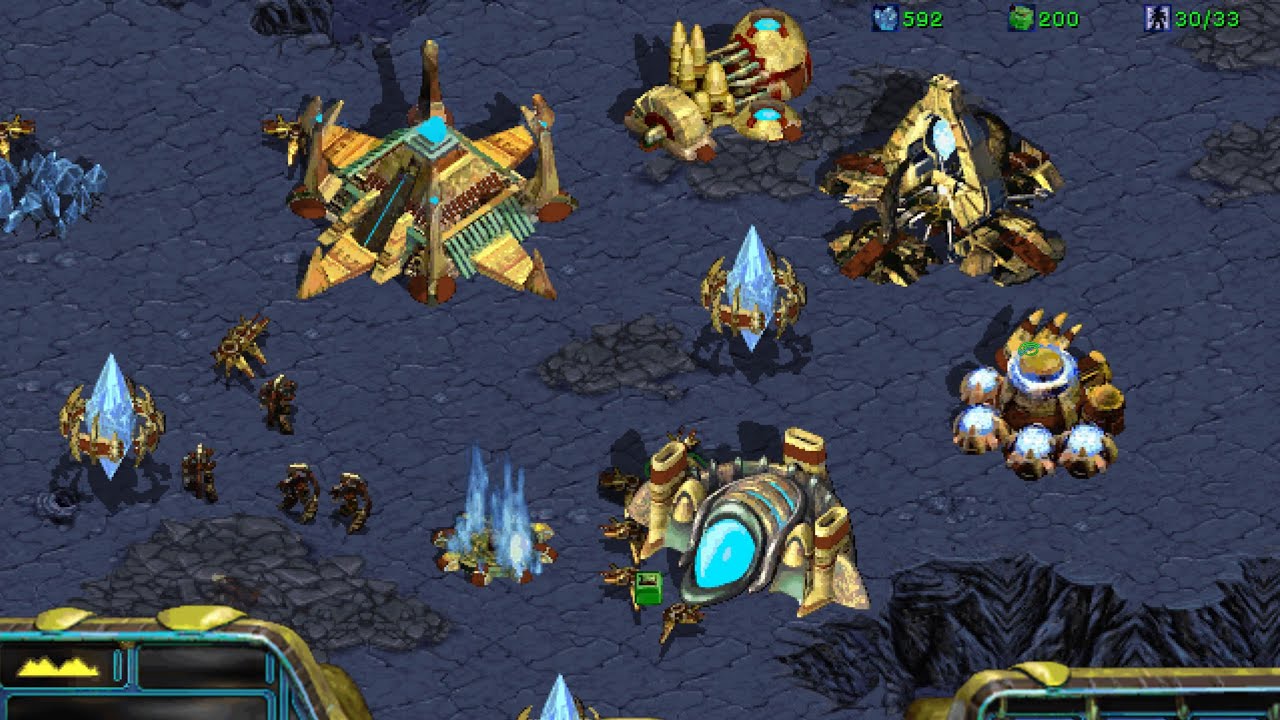
In 1998, StarCraft: Brood War was released, becoming the backbone of professional esports in South Korea. Teams were formed, and television channels began broadcasting matches live. Networks like OGN and MBCGame turned players into celebrities, and matches attracted hundreds of thousands of viewers. South Korea was also the birthplace of structured training regimens and serious player contracts — practices that later became global standards.
By the 2000s, the first international leagues began to form. The World Cyber Games (WCG), often called the “Olympics of Esports,” united players from dozens of countries, bringing the idea of national representation into video games. Meanwhile, organizations like ESL (Electronic Sports League) grew into the largest tournament operator in Europe.
An interesting fact is that early sponsorships often came from IT and telecom companies. In South Korea, for example, internet providers supported tournaments because they directly boosted demand for high-speed connections. Esports thus grew not only thanks to players but also because businesses saw it as a profitable market.
This period was transformative: esports evolved from a hobby into a sustainable system with professional teams, leagues, and media support. Many of the rules established back then — seasonal formats, live broadcasts, and structured tournaments — remain in place today.
Global Expansion and Recognition
By the early 2010s, esports was no longer a regional phenomenon — it had gone global. Streaming platforms played the decisive role in this expansion. The launch of Twitch in 2011 was revolutionary: fans could now watch tournaments and their favorite players live, without relying on TV networks. This skyrocketed the audience and made esports accessible to millions worldwide.
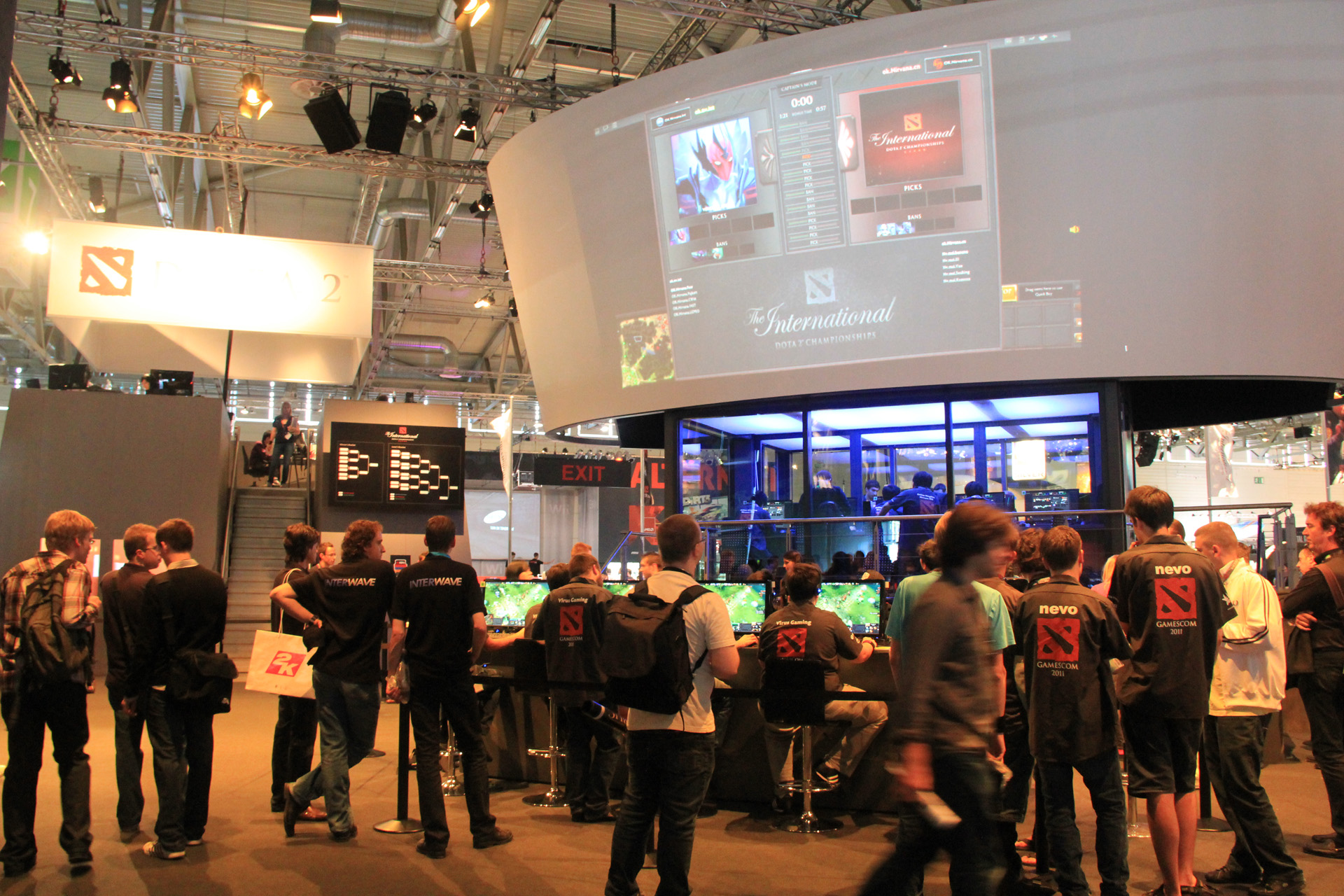
That same year, Valve hosted the first The International for Dota 2, with a prize pool of $1.6 million — a record at the time. For comparison, most tournaments before it offered only hundreds of thousands. In later years, crowdfunding through in-game purchases pushed prize pools into the tens of millions, proving that the community itself was willing to directly support the scene.
Meanwhile, League of Legends established itself as a global powerhouse. The 2014 World Championship Finals in Seoul’s Sangam Stadium drew 45,000 live spectators and tens of millions online. For the first time, esports events rivaled traditional sports in scale and spectacle.
International institutions also began to take notice. In 2017, the International Olympic Committee discussed the inclusion of esports in future Games, while countries such as South Korea, the U.S., and China officially recognized esports players as professional athletes.
By this stage, esports was no longer niche entertainment. It had become a global phenomenon where technology, culture, and business converged — and where the names of players and teams became household brands around the world.
Top 5 Games in Esports
Counter-Strike (CS:GO / CS2)
When talking about esports, it’s impossible to ignore Counter-Strike. The game has become a true symbol of competitive gaming. Its story began in 1999, when Minh Le and Jess Cliffe released a Half-Life mod called Counter-Strike. Just a year later, Valve acquired the rights, turning it into a fully-fledged esports title.

By the early 2000s, Counter-Strike 1.6 had become the main discipline at international tournaments such as the World Cyber Games and ESL. Legendary organizations like NAVI, SK Gaming, and fnatic made their first marks on the scene through this version. At that time, players didn’t yet have multi-million-dollar contracts, but their matches began to attract the first real fan bases.
In 2004, Valve released Counter-Strike: Source, though the competitive scene never fully embraced it as a replacement. The real breakthrough came in 2012 with CS:GO, which brought consistent updates, integration with Steam, and a skins-and-cases system that boosted both popularity and revenue.
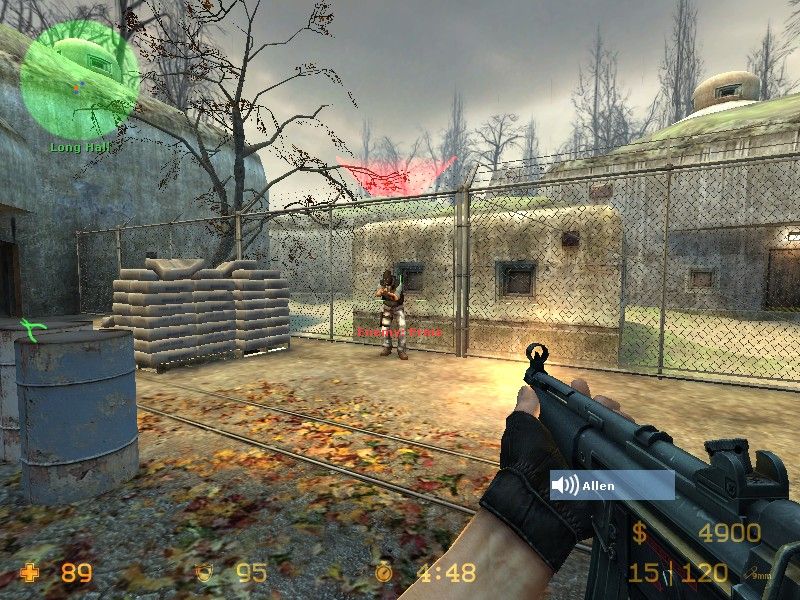
A major milestone was the creation of the CS:GO Majors. The first one in 2013 had a prize pool of $250,000, and by the 2020s, prize pools had grown into the millions. For example, the PGL Major Stockholm 2021 set a record with 2.7 million concurrent viewers, a historic achievement for the franchise.
In 2023, Valve introduced Counter-Strike 2 on the Source 2 engine, delivering more realistic graphics, improved physics, and new mechanics. Remarkably, the scene immediately transitioned to CS2 — a rare occurrence in esports, where audiences usually resist such changes.
Counter-Strike has become more than just a game; it’s a cultural code of esports. Its simple premise — “two teams, one bomb” — is easy to grasp, while its strategic depth ensures long-lasting appeal. That’s why I see Counter-Strike as the very foundation of the industry.
Dota 2
When it comes to strategy-based esports, Dota 2 is always at the top of the conversation. Its roots trace back to 2003, when fans of Warcraft III created the mod Defense of the Ancients (DotA). The mod grew so popular that it effectively gave birth to the entire MOBA genre. By 2010, Valve took notice, hired the lead mod developer known as IceFrog, and began building a standalone game.
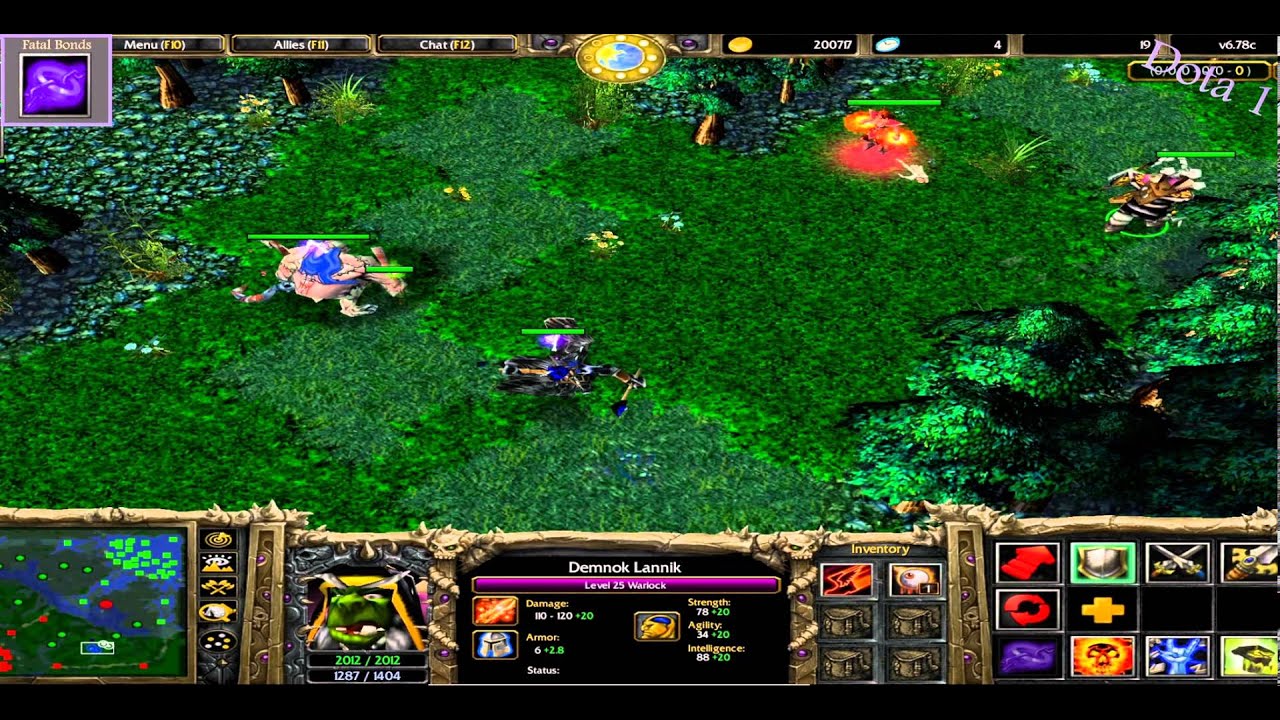
In 2011, Valve launched the first version of Dota 2, kicking it off with a major event: The International 2011 in Cologne. With a $1.6 million prize pool, it was unprecedented at the time. The victory of Natus Vincere solidified Dota 2 as a serious esports title.
What set Dota 2 apart was its innovative Compendium system. Fans could buy in-game items, and part of the revenue went directly into the prize pool. By 2019, the prize fund for The International 9 surpassed $34 million — more than many major tennis or golf tournaments.
Dota 2 also gave the world its first global esports icons. Players like Dendi, Puppey, Miracle-, and Ana became household names, while TI finals drew tens of millions of viewers. In fact, in 2018, the TI final was even broadcast in cinemas worldwide, proving that esports could extend far beyond online platforms.
Today, Dota 2 remains one of the most complex and strategically rich games in esports. Matches last 40–60 minutes, and a single mistake or perfect team fight can change the outcome. Its drama and depth continue to rival traditional sports, making it captivating for both players and spectators.
League of Legends
League of Legends (LoL) has become one of the cornerstones of esports, with influence that is hard to overstate. Released in 2009 by Riot Games, it took inspiration from DotA but offered accessibility: free-to-play, easy to pick up, and with a smoother learning curve. This formula quickly made it a global hit.
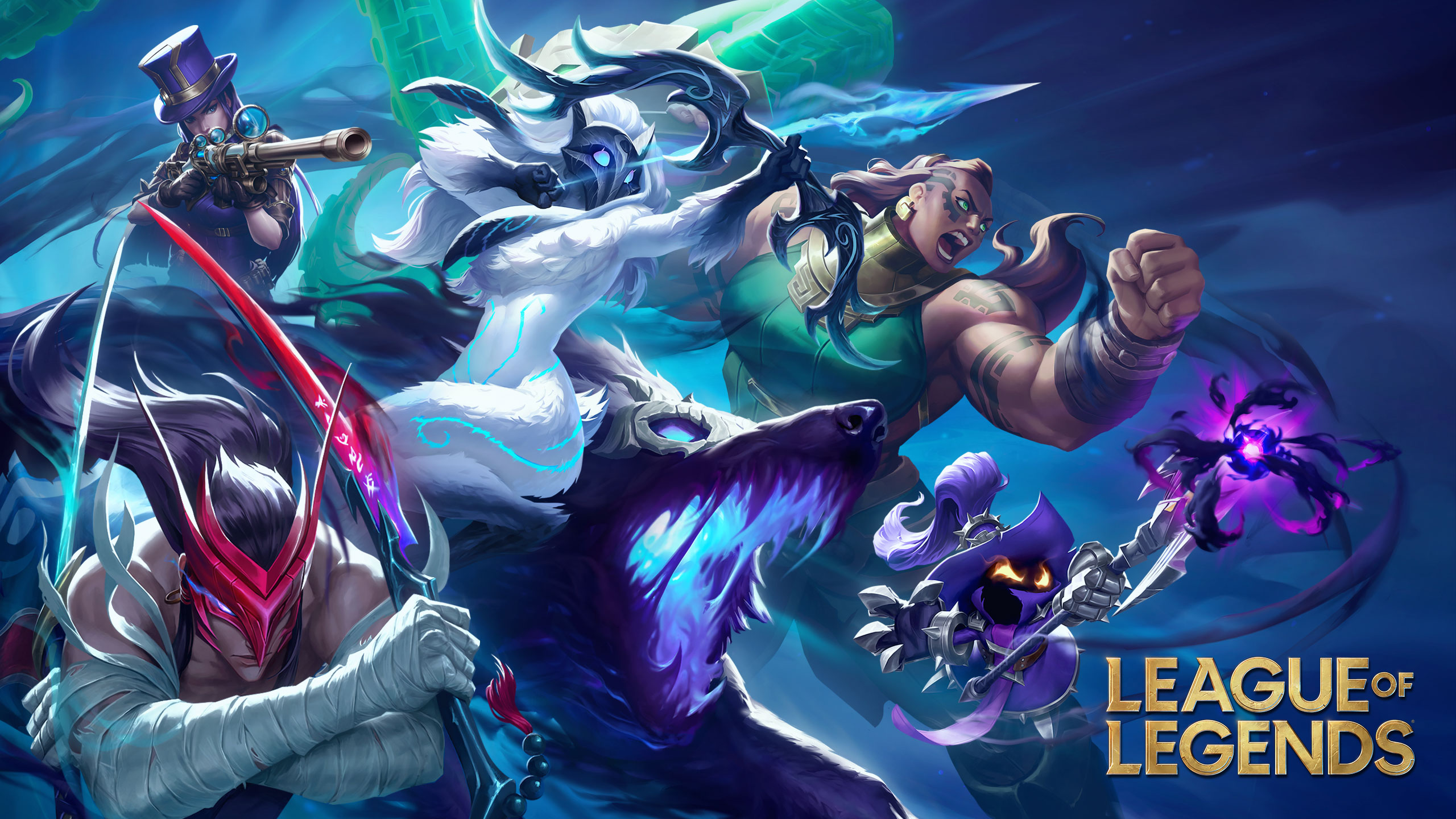
The key moment came in 2011 with the creation of the League of Legends World Championship. The first Worlds took place at DreamHack in Sweden with only a few hundred offline viewers. Just two years later, in 2013, the finals filled the Staples Center in Los Angeles, with tickets selling out within hours — putting LoL on par with major sporting events.
Riot Games also pioneered a professional league system similar to traditional sports. In 2013, they launched the League Championship Series (LCS), with regular seasons, transfers, and salaries for players. This gave esports teams long-term stability and allowed players to build careers.
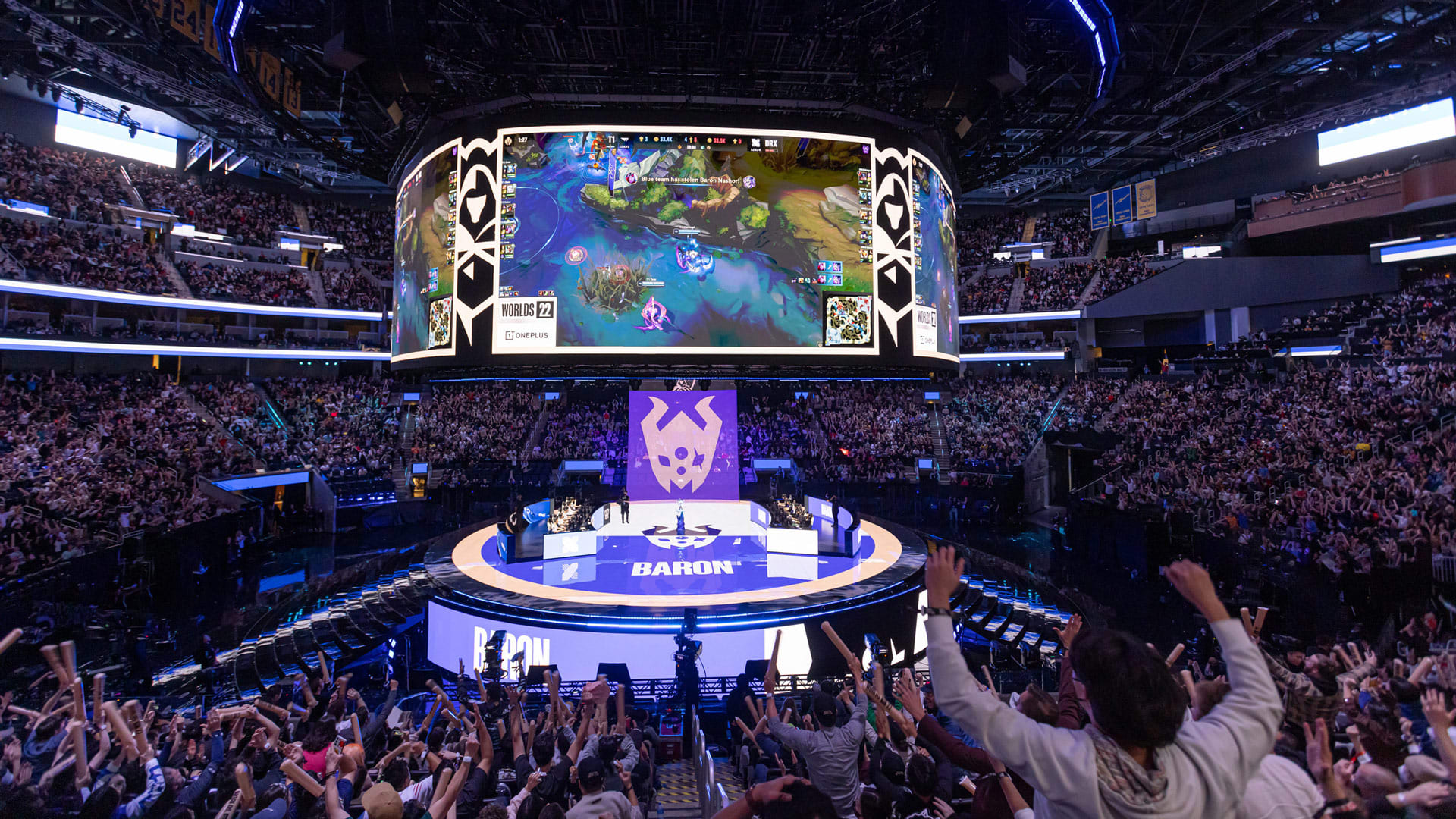
Worlds finals became cultural spectacles. In 2017, the match between SK Telecom T1 and Samsung Galaxy drew over 60 million online viewers. In 2018, Riot introduced a groundbreaking opening ceremony featuring the virtual K-pop group K/DA, merging music, tech, and esports into one show.
Today, LoL remains the largest esports title in terms of audience reach. Simple for viewers to follow yet strategically deep, it thrives thanks to Riot’s global infrastructure of leagues across North America, Europe, China, and Korea. League of Legends is no longer just a game — it’s a worldwide sports culture of its own.
Fortnite
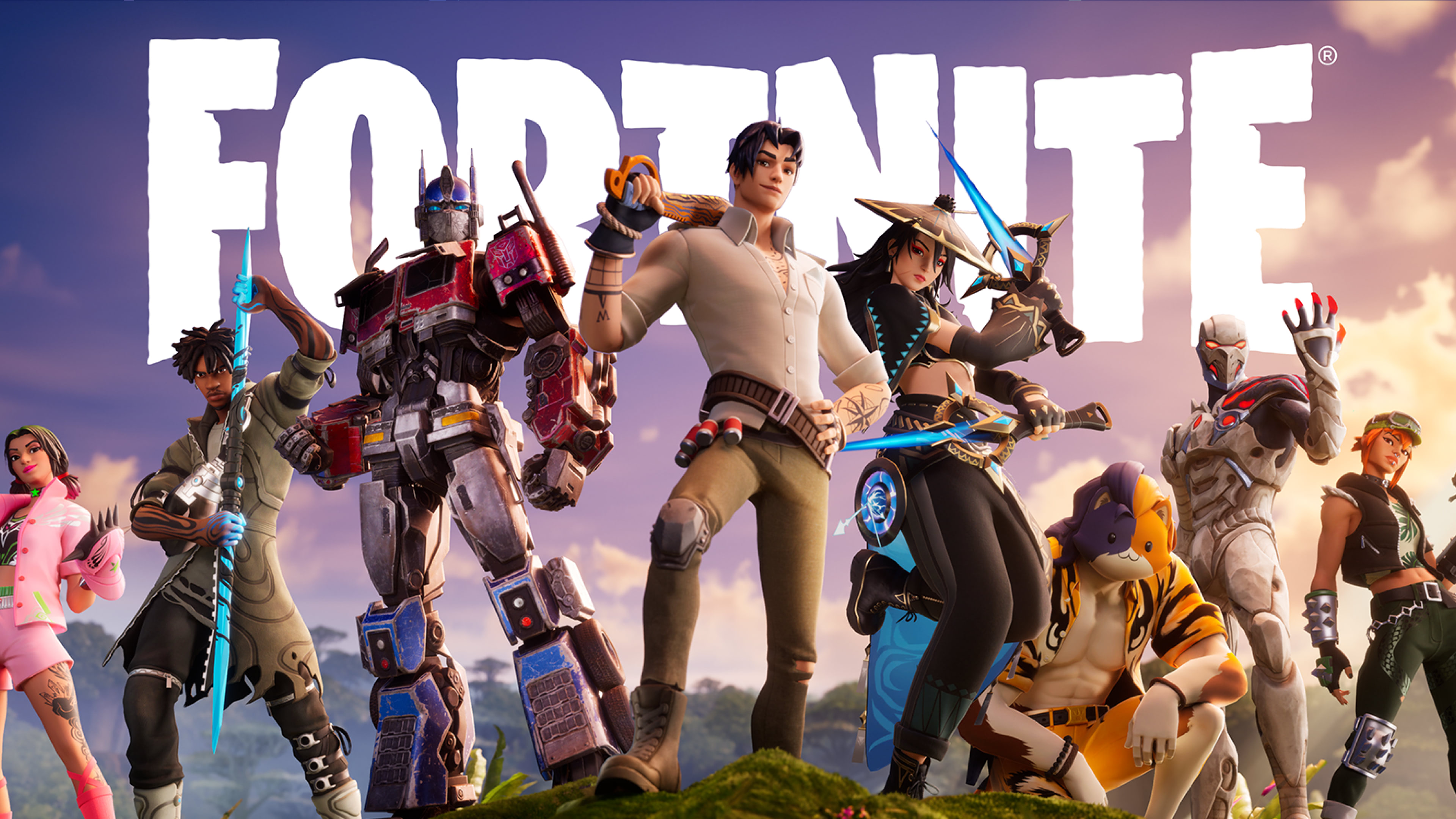
Fortnite stormed into esports almost overnight. Released in 2017 by Epic Games, it was initially envisioned as a co-op shooter. However, the later addition of the Battle Royale mode turned it into a global phenomenon. Its free-to-play model and colorful graphics attracted millions of players within months.
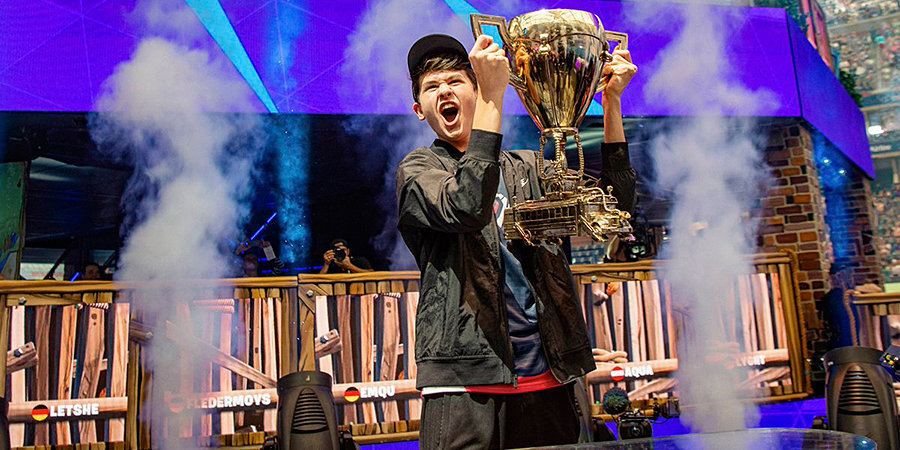
The esports breakthrough came in 2019 with the Fortnite World Cup in New York, featuring a record $30 million prize pool. The 16-year-old Kyle “Bugha” Giersdorf won the solo tournament and took home $3 million — a moment that shocked the sports world and proved teenagers could earn as much as professional athletes.
Fortnite also blurred the lines between gaming and pop culture. In 2018, streamer Ninja teamed up with rapper Drake for a stream that peaked at over 600,000 concurrent viewers. This crossover highlighted Fortnite as more than a game — it became a cultural hub connecting music, sports, and entertainment.
Unlike traditional esports, Fortnite focuses less on structured leagues and more on large-scale events with massive prize pools. Epic Games continues to invest millions annually into tournaments, keeping the format fresh with every in-game season.
Today, Fortnite is seen as both an esport and a platform for live events. In-game concerts, Marvel and Star Wars collaborations, and global brand partnerships make it unique. It’s the prime example of how esports can expand beyond competition into mainstream culture.
Valorant
One of the most impactful releases of the last decade, Valorant was launched by Riot Games in 2020. It combined tactical shooter elements from Counter-Strike with hero-based gameplay inspired by Overwatch. This hybrid immediately drew attention and quickly positioned itself as a rising esports contender.
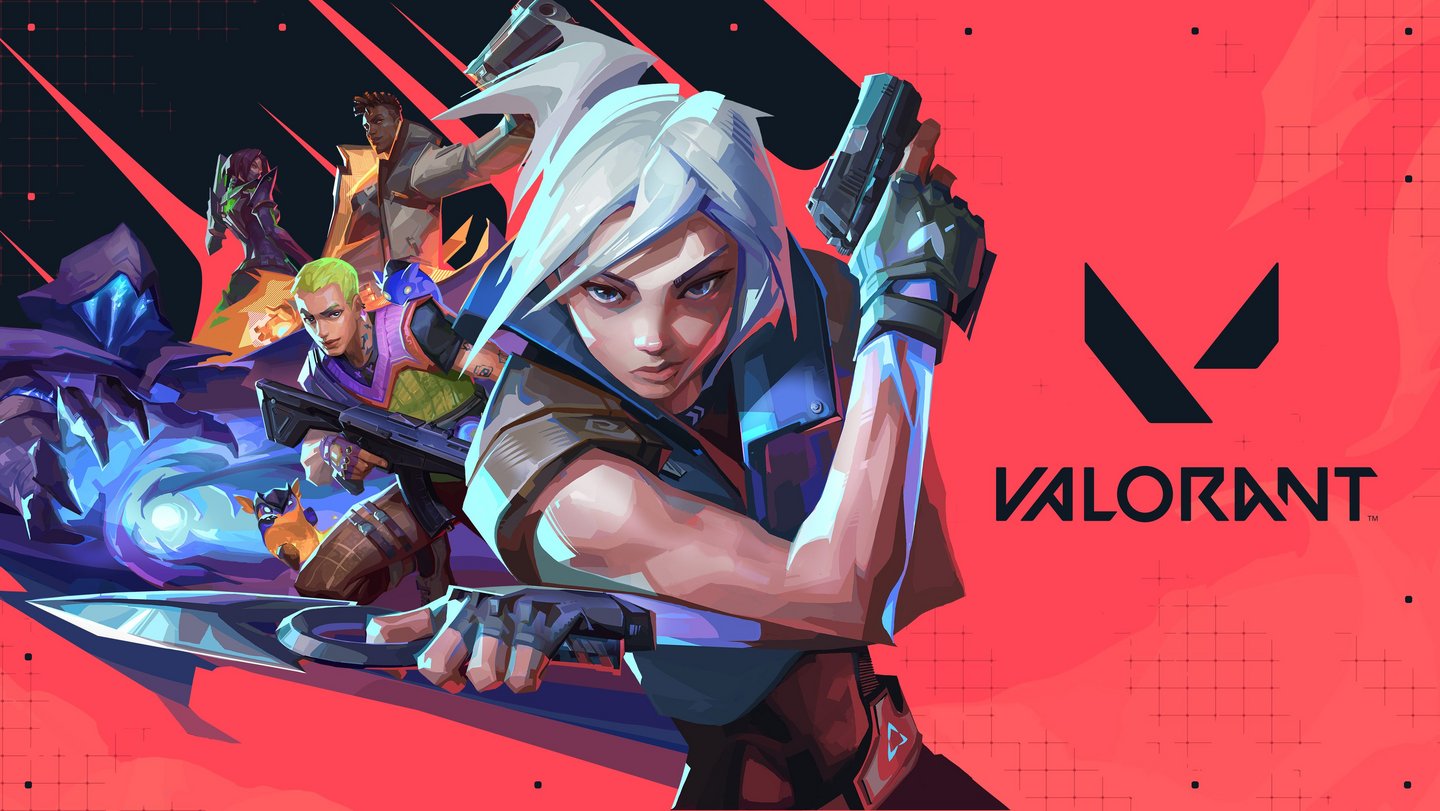
Even before its official release, Riot invested in its competitive future. During the closed beta in April 2020, Valorant streams on Twitch peaked at over 1.7 million concurrent viewers — a record for a new title. This momentum gave the game a strong entry point for professional organizations.
In 2021, Riot introduced the Valorant Champions Tour (VCT), a global league with regional stages and a world championship. This mirrored the structure of League of Legends and provided a stable ecosystem for players and teams. The Valorant Champions 2021 final drew over 1 million viewers online, and by 2023 that audience nearly doubled.
Major organizations like Sentinels, Fnatic, and NAVI quickly formed rosters, while star players from CS:GO migrated to Valorant, boosting the prestige of the scene.
What makes Valorant stand out is its dynamic gameplay. Each round combines tactical shooting with unique agent abilities, creating highly entertaining matches. Riot also invests heavily in inclusivity and community-building, launching initiatives like Game Changers for women’s teams alongside global tournaments.
Today, Valorant represents a new era of competitive shooters. Riot has proven it can challenge long-established titles, and the game is already shaping its own culture. I believe Valorant will become an essential pillar of global esports in the coming years.
Esports’ Impact on the Games Industry
Economic Impact and Prize Pools
When I analyze esports, I start with its economic footprint. Today it’s a multi-billion-dollar business. According to Newzoo, the global esports market surpassed $1.3 billion in 2022, with a large share of revenue coming from sponsorships and media rights.
Prize pools have become a symbol of that growth. For example, The International 2019 (Dota 2) reached a record $34.3 million, making it the largest esports tournament in history. By comparison, early-2000s events typically offered under $100,000. That contrast shows just how quickly the economics have changed.
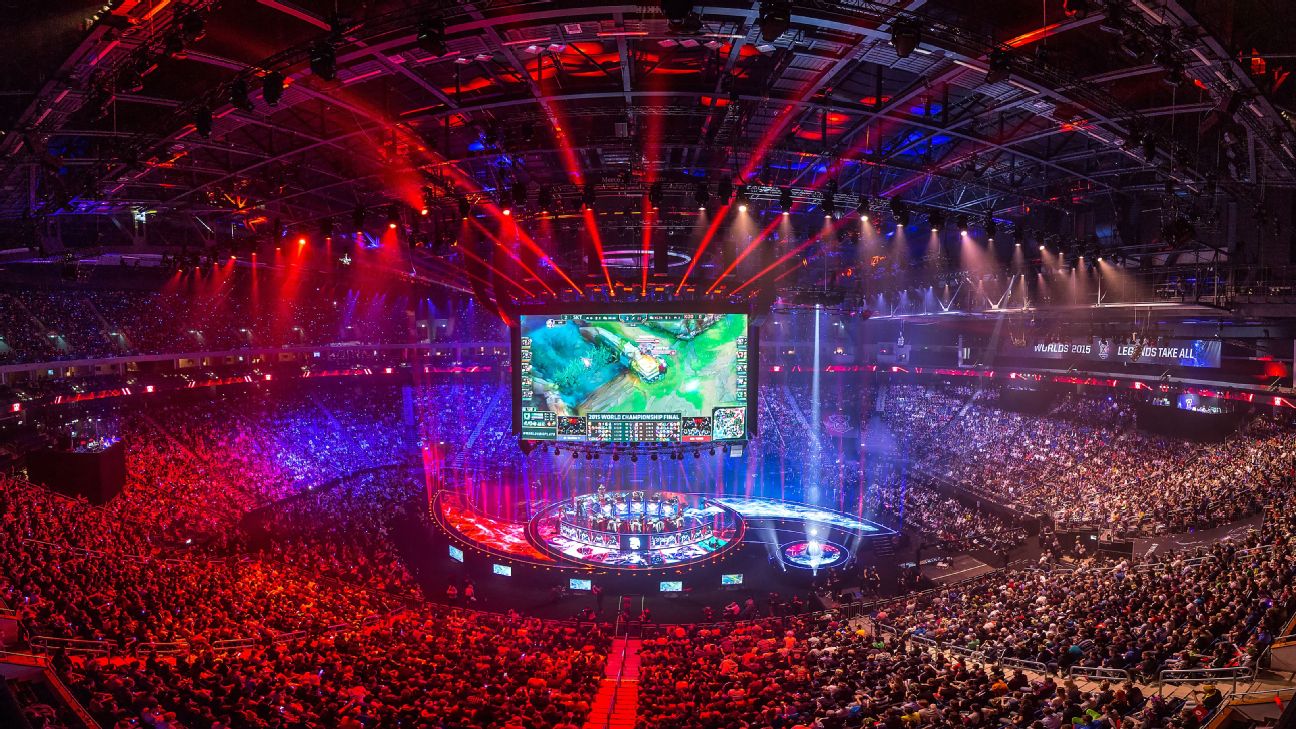
It’s crucial to note that the money doesn’t come only from organizers. The community plays a key role. Valve introduced a crowdfunding model through in-game purchases, letting fans directly grow the prize pool. This mechanism became an industry example, proving audiences are willing to invest themselves.
Prize pools also affect a game’s prestige. The higher the stakes, the more attention a tournament attracts—and the faster player contracts grow in value. Top pros now earn not just from tournament winnings but also from team salaries, sponsorships, and their own broadcasts.
In short, esports has matured into a market with economic metrics comparable to traditional sports. Prize pools serve a dual purpose: they motivate players and act as powerful marketing engines for the entire ecosystem.
Streaming Platforms and Live Broadcasts
Streaming platforms are the reason esports became a global spectacle. Before Twitch launched in 2011, most viewers relied on local broadcasts or Korean TV. Twitch gave esports a free, accessible channel to reach millions worldwide.
The growth was rapid. By 2013, the League of Legends World Championship drew more than 30 million online viewers, and the figure multiplied in subsequent years. Other services—YouTube Gaming, Facebook Gaming, and China’s Huya and Douyu—raced to capture audiences, investing millions in exclusive rights.
Broadcasts began competing with traditional sports in reach. Worlds 2018, for instance, had 99 million unique viewers—numbers comparable to the NBA Finals or even the Super Bowl in some markets. That was proof esports had become a mainstream media product.
Streaming also reshaped monetization. Players and teams could earn directly through subscriptions, tips, and ad integrations. Broadcasts thus became both a distribution channel and a vital revenue source for everyone in the ecosystem.
Without streaming, esports would never have reached its current scale. Platforms united players, teams, brands, and audiences into one system where every participant benefits. Live broadcasts are the beating heart of the industry.
Esports as a Profession
Esports is no longer a hobby—it’s a profession. Top players train six to eight hours a day and work with analysts, psychologists, and coaches. The approach mirrors traditional sports, where discipline and teamwork drive results.
The first step toward professionalization was fixed-salary contracts, which began appearing in the 2010s. Teams like Fnatic, NAVI, and TSM were among the early adopters, offering players stable conditions. Today, salaries on elite rosters can reach tens of thousands of dollars per month, with star players earning even more through sponsorships and media projects.
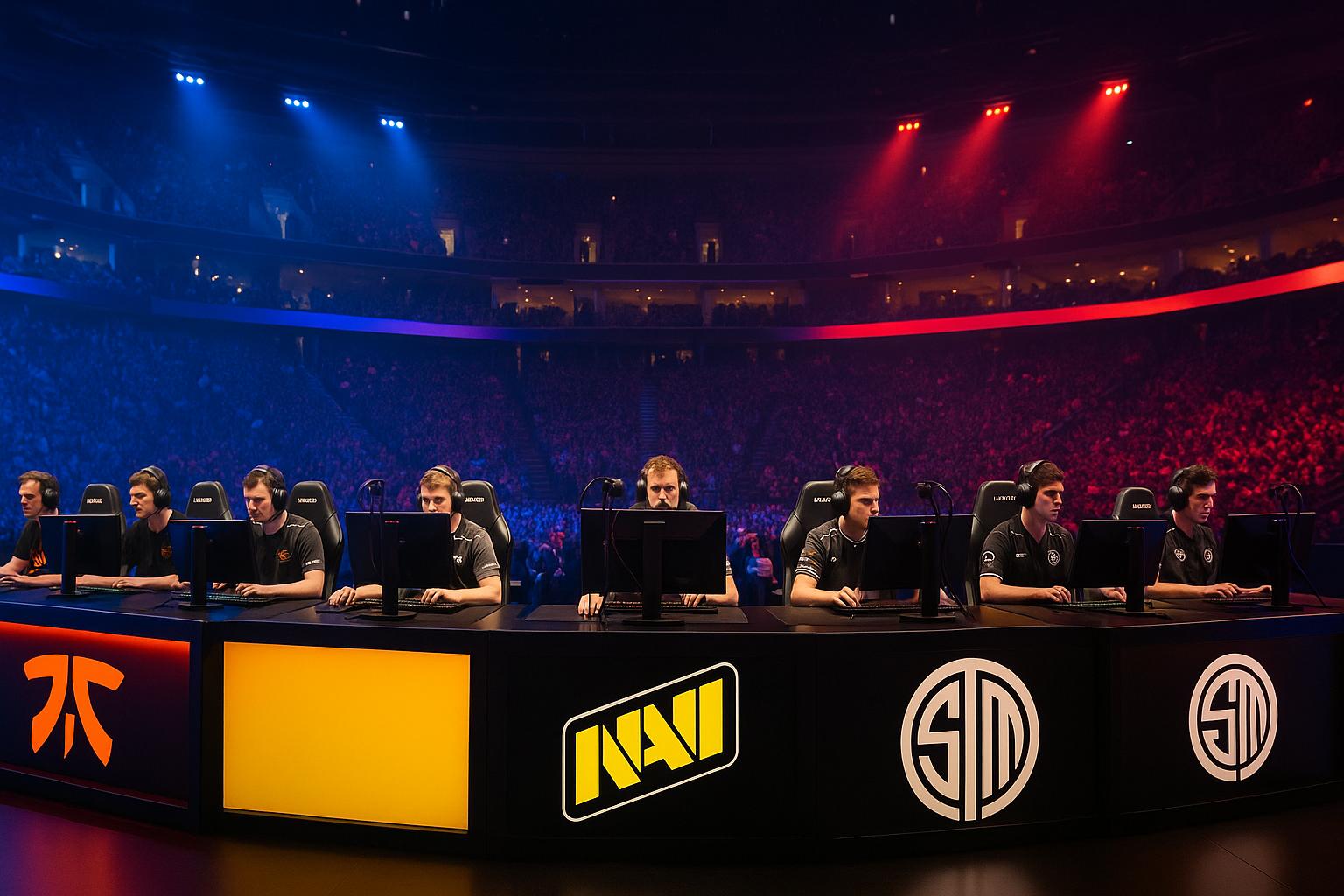
Infrastructure has matured, too: training facilities, career-management agencies, and even youth academies. Riot Games, for example, actively develops academy leagues to identify and train new talent early.
Esports as a career blends gaming passion with sporting discipline—but it carries risks. Playing careers are typically short; peak performance often falls between ages 20 and 25. As reaction time and focus fade, many shift to streaming, analysis, or coaching.
Even so, esports unlocks opportunities for younger generations. Where traditional sports can be limited by physical attributes, esports offers millions of gamers a chance to compete on the world stage. I’m convinced that, in the near future, being a professional esports player will be as respected as a career in football or basketball.
The Future of Esports
Mobile Esports
Mobile esports has become one of the fastest-growing segments in recent years. What was once considered secondary now commands millions of viewers and multi-million-dollar prize pools.
Early momentum came from titles like Clash Royale and Hearthstone, which proved mobile devices could support serious competition. The real boom followed with PUBG Mobile (2018) and Free Fire, which amassed huge audiences in Asia and Latin America—regions where access to powerful PCs is limited.
A standout example: the PUBG Mobile Global Championship 2021, with over $6 million in prizes and more than 3.8 million concurrent viewers. Free Fire events also rank among the most watched, sometimes outperforming classic PC disciplines like CS:GO.
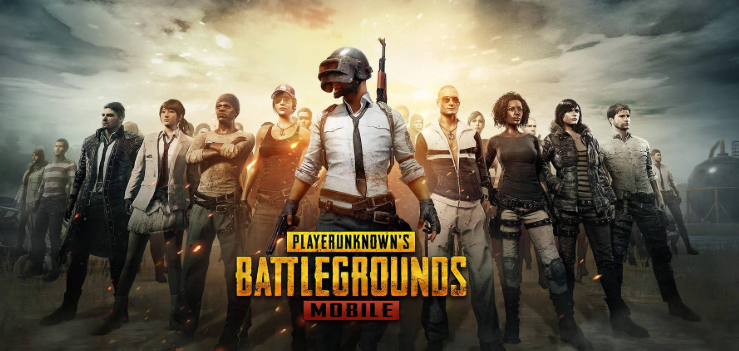
Regional context matters. In China, India, Brazil, and Indonesia, mobile esports is on par with PC titles—and it offers a path to the pro scene for millions of players without major hardware costs.
Mobile will be a key growth driver. It marries accessibility with scale, drawing new audiences without replacing classic titles. Instead, it will claim its own space—especially in regions where the smartphone is the primary gaming device.
New Technologies (VR & AR)
Virtual and augmented reality are already reshaping esports, even if they’re still early-stage.
VR tournaments started appearing in the mid-2010s. Games like Echo Arena and Onward showed that VR can deliver unique competitive experiences—but early adoption was limited by cost and technical hurdles.
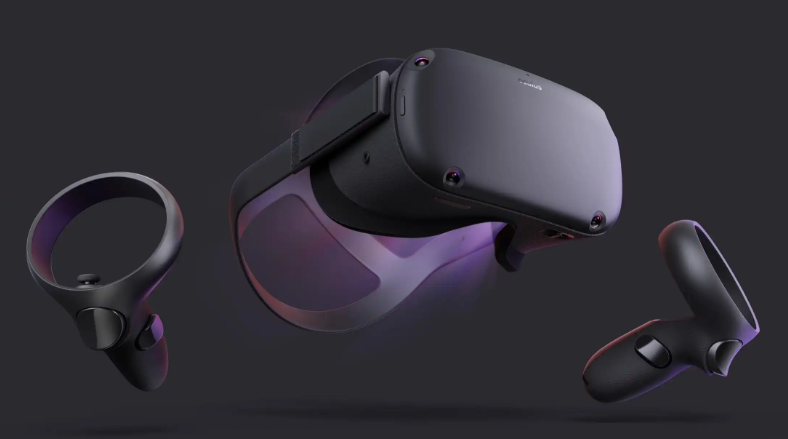
That began to change with more affordable devices, such as Oculus Quest (2019), which let more players try VR and enabled organizers to host events without heavy infrastructure. Today, we’re seeing both local and international VR competitions in fully virtual environments.
AR has found its place in broadcasts. Augmented overlays visualize stats, 3D graphics, and arena effects. League of Legends championships, for example, now treat AR as a staple of opening ceremonies—raising production value and pushing esports closer to mainstream show business.
VR and AR won’t replace classic titles, but they’ll carve out their own niches. VR will create new competitive formats that blend physical movement with game mechanics. AR will keep enhancing broadcasts and audience engagement. Both will be important pillars of esports over the next decade.
Olympic Prospects
The idea of esports at the Olympics has been discussed for years. A major step came in 2017, when the International Olympic Committee recognized esports as a sporting activity. That didn’t grant full status, but it signaled growing acceptance.
Next came the 2018 Asian Games, where esports appeared as a demonstration event. In 2022 (Hangzhou), it moved into the official program, with medals awarded in titles like League of Legends, Dota 2, and PUBG Mobile. That set a precedent for integrating esports into international competitions.
In 2023, the IOC hosted Olympic Esports Week in Singapore, piloting a format that blended esports with Olympic values. Despite some skepticism, the event drew strong media and sponsor interest, reinforcing momentum.
Esports has a real shot at the Olympics, but the process will be gradual. The main hurdles are governance and ownership: games belong to private companies rather than federations, and each title follows its own rules. The Olympic movement prefers universal standards, which esports currently lacks.
Even so, the audience scale, spectacle, and financial potential make esports too significant to ignore. It’s not a question of if—but when.
Conclusion
Esports has traveled from university Spacewar! matches to arenas filled with tens of thousands and online audiences in the millions. In a few decades, it evolved from an enthusiast pastime into an industry with billion-dollar revenues, professional athletes, and global leagues.
Three forces shaped that rise: streaming platforms that made esports accessible to everyone; prize pools that turned it into a serious profession; and the games themselves, which set the standards for entire generations. Counter-Strike, Dota 2, League of Legends, Fortnite, and Valorant—these titles form the foundation of the modern scene.
Esports isn’t a fad; it’s a long-term cultural movement. It keeps expanding into new markets and now commands attention from the Olympic community. For younger generations, it’s more than “just games”—it’s culture, a career path, and a route to global recognition.
In my view, esports stands where football or basketball once stood at the start of their global eras. It has everything—audiences, money, technology, and emotion. Its role in media and sport will only grow from here.
Esports FAQ — Money, Streaming, Careers & Future
<details> so it works without JavaScript.What is esports, and how is it different from casual gaming?
Esports is organized, rules-based competition in video games with leagues, schedules, and prize pools. Casual gaming is entertainment; esports is a sport—teams practice, run strategy, and compete professionally.
How big is the esports economy right now?
The market surpassed roughly $1.3B in 2022, powered by sponsorships and media rights. Headline events with massive prize pools fuel brand interest and broader reach.
Why do prize pools matter so much?
They signal prestige, attract viewers and sponsors, and raise player salaries. Community crowdfunding (e.g., Dota 2’s Compendium) showed fans will directly grow prize pools—TI 2019 hit about $34.3M.
How did streaming platforms make esports mainstream?
Twitch (2011) and later YouTube, Facebook Gaming, Huya, and Douyu gave free global access to live matches. Viewership for Worlds and other majors now rivals traditional sports broadcasts.
What does a pro player’s day look like?
Six to eight hours of practice and scrims, VOD review, fitness and mental prep with coaches, analysts, and psychologists. Income blends salaries, winnings, sponsorships, and creator revenue.
Which games define modern esports—and why these five?
Counter-Strike (clarity, depth), Dota 2 (community-funded mega events), League of Legends (global leagues), Fortnite (cultural crossovers), and Valorant (modern hybrid design and structure).
How can I start a path toward going pro?
Specialize in one title, climb ranked, join amateur leagues and open qualifiers, review your replays, and network with teams. Treat sleep, nutrition, and scheduling like an athlete.
Is mobile esports “real” esports or just a passing trend?
It’s a major growth driver in regions like Asia and Latin America. Events such as PUBG Mobile Global Championship have multi-million prize pools and millions of concurrent viewers.
What roles will VR and AR play in the next decade?
VR enables new competitive formats that blend physical movement with game mechanics. AR enhances broadcasts with live stats and stage effects—boosting immersion without replacing classic titles.
Could esports become part of the Olympic Games?
Momentum is building: IOC recognition as a sporting activity, Asian Games medal events, and Olympic Esports Week. Governance and publisher ownership are hurdles, but it’s more “when” than “if.”