Hello, my name is Ethan Miller, I am a specialist in digital media and eSports. For many years I have been following the development of League of Legends and have seen how this game has gradually transformed from a new MOBA into the largest eSports discipline. Today, millions of players around the world take to the fields of justice and tournaments attract spectators not only online but also in huge arenas.
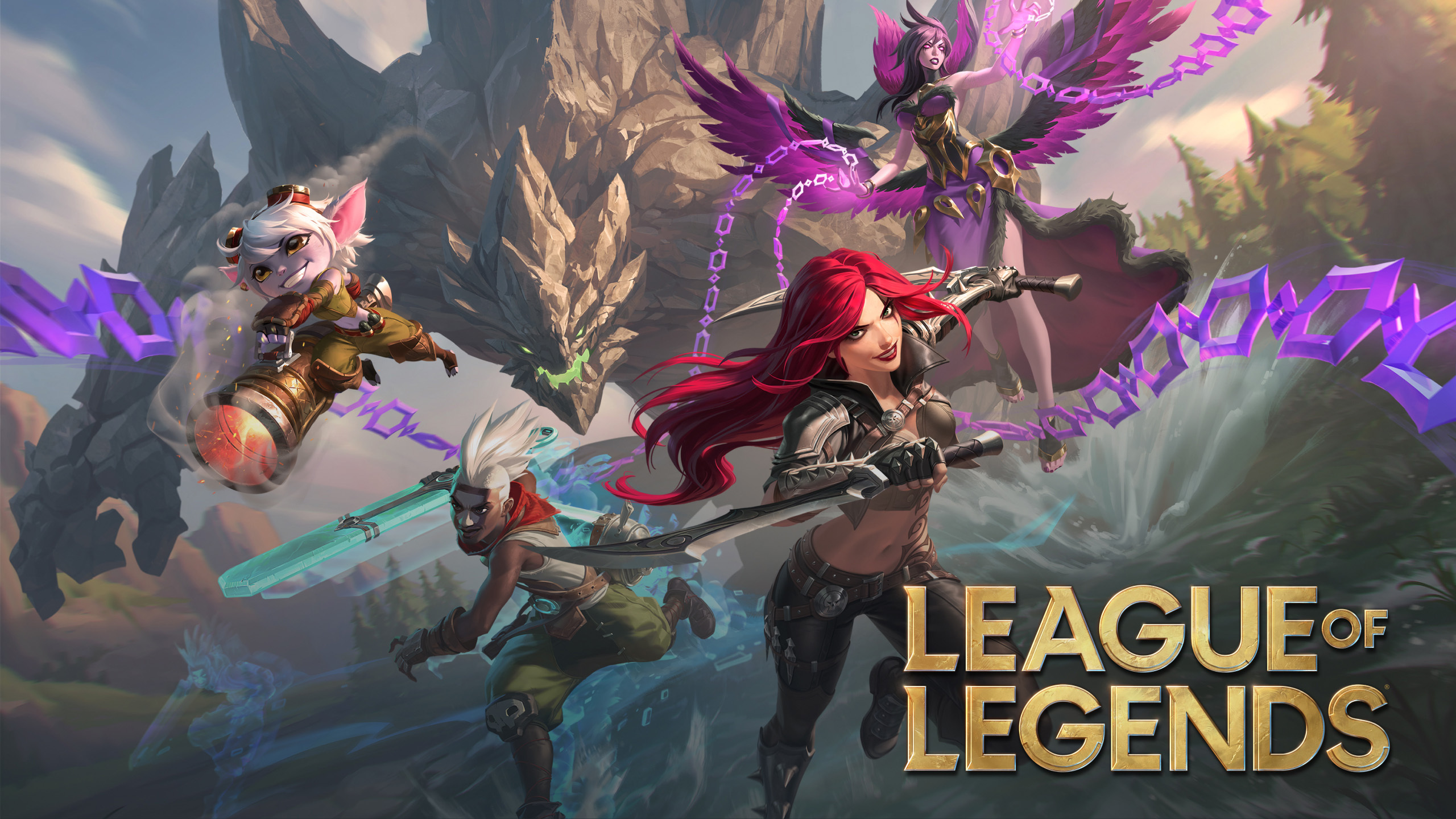
In this article, I will analyze how League of Legends appeared and developed, which championships and teams became iconic, how much professional players earn and what the community lives on. We will talk about big victories and scandals, about the phenomenon of cyberculture around the game and what the future of LoL may be in the coming years.
The Birth and Development of League of Legends
Riot Games and the creation of a new MOBA
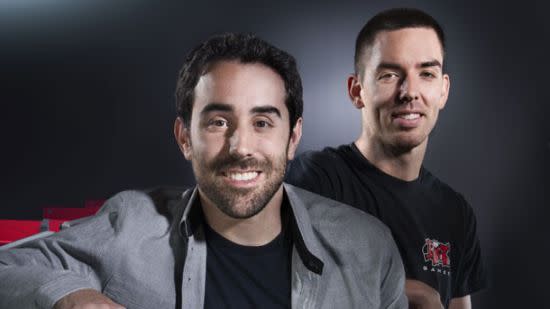
When I first encountered Riot Games, it was a small studio founded by Brandon Beck and Marc Merrill in 2006. They were not industry veterans, but they had a clear vision – to make a game that could live for decades and evolve with the community. The inspiration was the custom map Defense of the Ancients, but the authors understood that a simple modification would not give the scale they dreamed of.
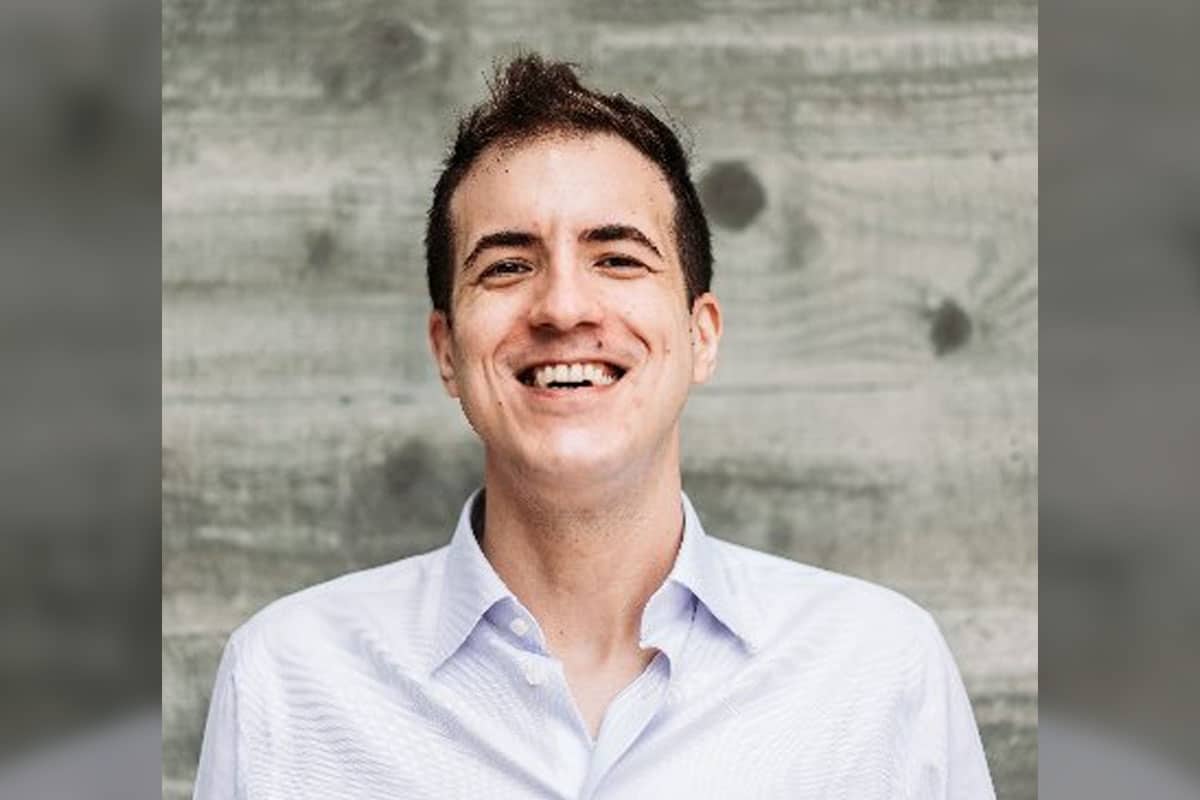
To launch the project, they brought in Steve Fick, nicknamed Guinsoo – he was the one who created one of the most popular versions of Dota at the time. His experience helped transfer the best ideas of the genre to a separate client. Riot Games went further – the team included designer Jeff Ju and a number of specialists who brought a systematic approach to balance and updates. Even then, the company decided to bet on the free-to-play model, which was a bold step for that time.
It is interesting that investors were initially skeptical about the idea of a free game, but the developers managed to prove that monetization through cosmetics and skins can bring in a stable income. Even before the official release in 2009, the project received the attention of major gaming publications, and the first tests showed huge interest from the audience. Riot managed to turn a niche modification into a full-fledged MOBA with global ambitions, and this became the foundation for the future phenomenon of League of Legends.
The early years: audience growth and scene formation
When League of Legends was released in 2009, it was met with skepticism. Many expected it to be another Dota clone, but Riot Games managed to prove otherwise. In its first year, the project attracted millions of players thanks to its accessibility, simple client, and regular patches.
I saw the first scene being formed: fan tournaments quickly turned into serious competitions Riot began sponsoring championships and investing in broadcasts, which was rare for free-to-play games at the time In 2011, the first official world championship appeared, which became the starting point for the professional era of League of Legends
Players were hooked not only by the competitive component but also by the social aspect. The rating system made each game significant, and the in-game chat formed new communities. During this period, League of Legends transformed from an experiment of a small studio into a full-fledged platform for eSports, and this became the basis for its rapid growth.
Worlds Championships and the Global Cyberscene
Worlds — the pinnacle of LoL esports
I believe that it was the World Championship that made League of Legends a global discipline. The first Worlds took place in 2011 in Sweden at DreamHack Summer and the victory was taken by Fnatic under the leadership of xPeke. The tournament attracted a modest audience compared to the current scale, but it was the starting point of the LoL eSports era.
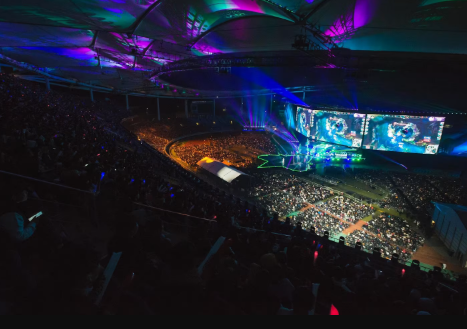
Every year Worlds grew and reached new levels. In 2013, the final in Los Angeles was held at the Staples Center stadium and it was a historic moment when eSports gathered tens of thousands of spectators in one arena for the first time. The winner was the SK Telecom T1 team with Faker, who soon became a symbol of the discipline.
Riot Games has always been able to turn Worlds into a show. In 2017, a drone in the form of a dragon flew over the arena in Beijing, and in 2018, virtual heroines K/DA appeared on stage in Seoul. For viewers, this was proof that eSports can compete with traditional sporting events in terms of scale and spectacle.
Today, Worlds remains the main tournament of the year for all professionals. Winning it is valued higher than any regional titles and even higher than stable prize money. Players like Faker, Uzi, Deft and Rekkles became legends thanks to their performances at the World Championship and their names are forever linked to the history of this tournament.
Regional Leagues: LCK, LPL, LEC and LCS
When Riot Games decided to build esports around League of Legends, the main step was the creation of regional leagues. Since 2013, each major scene has received its own championship that determined the participants of Worlds and formed the local identity of the game.
The LCK in Korea has become a benchmark for the discipline SK Telecom T1 dominated here, and Faker became a national hero The Korean scene set standards of preparation and strategic depth that no one could replicate for a long time In China, the LPL league quickly became a competitor thanks to the investment of organizations and the support of fans The victories of Invictus Gaming in 2018 and Edward Gaming in 2021 proved that Chinese teams are capable of challenging even Korea
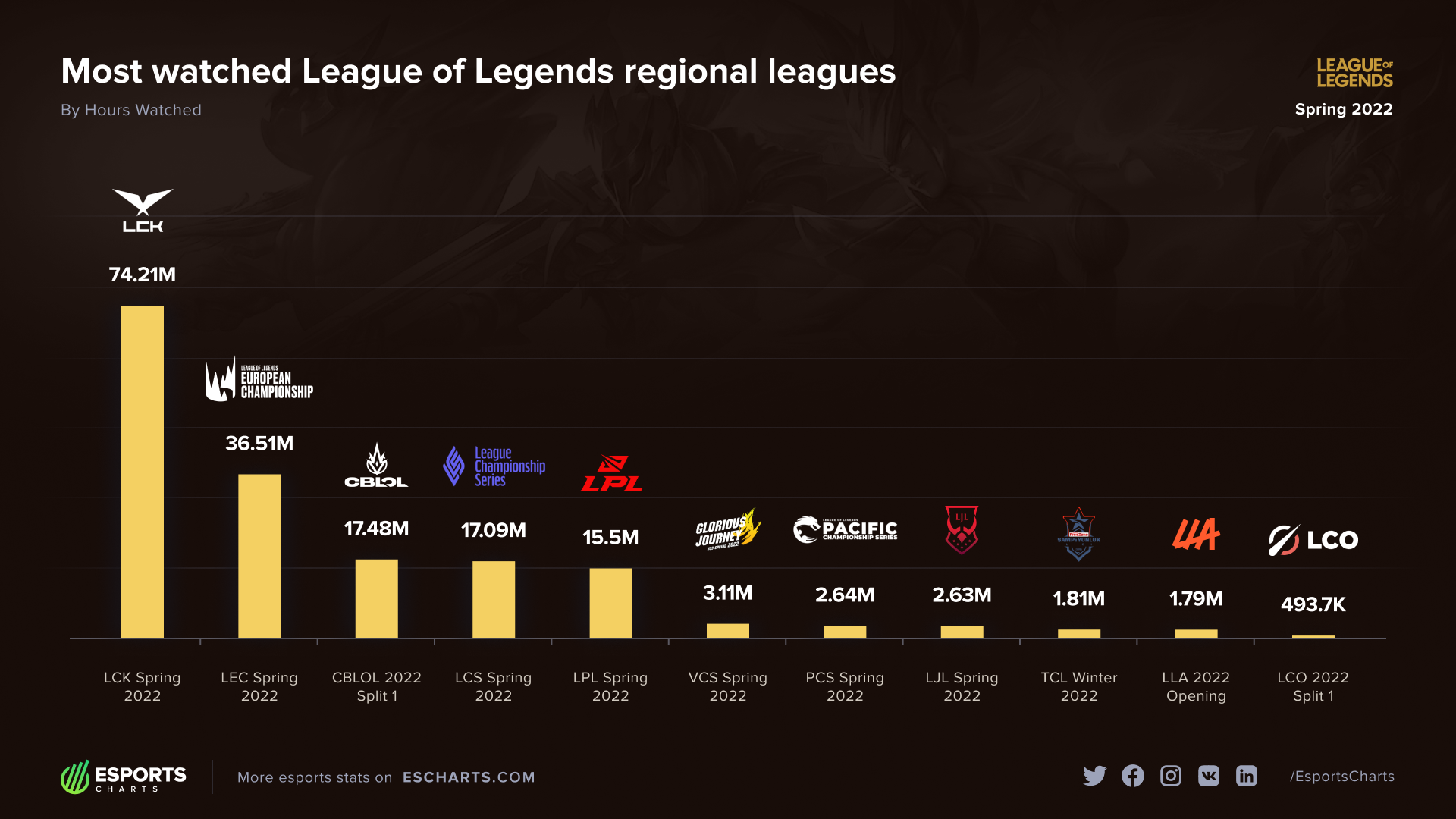
Europe, through the LEC, cemented its status as a region where charismatic teams are born. Fnatic and G2 Esports made the scene vibrant, and players like Rekkles and Caps became symbols of a generation. North America got its own LCS league, but despite huge investments and iconic clubs like Team SoloMid and Cloud9, the region was never able to reach the level of Korea and China.
I see that it was the regional leagues that turned LoL into a truly global sport. They created the infrastructure that allowed players to build a career and fans to follow their favorite teams throughout the year. And without this system, Worlds would never have become the grand event it is today.
New Regions and Wildcards
When Riot introduced the Wildcard system, League of Legends esports became truly global. For the first time, teams from Turkey, Brazil, Vietnam, and other regions that had previously been sidelined had a chance to qualify for the World Championship. These scenes developed more slowly than the LCK or LPL, but they brought unpredictability and new stories to the tournament.
I remember Worlds 2014 well, when the Turkish Dark Passage played on the world stage for the first time and, despite losses, showed that regions outside the Big Four can compete. Later, the Brazilian INTZ and Vietnamese GAM Esports gave the world a sensation by beating the favorites in the group stage.
The specialty of these regions was not only the game but also the fan culture. Fans from Latin America and Southeast Asia made the tournaments brighter thanks to their activity and emotion. And for Riot, this was proof that LoL is able to unite players around the world, regardless of the level of the scene.
Today, Wildcard regions are no longer perceived as a “weak link.” Many teams from PCS or VCS make it to the Worlds playoffs and put up a fight against the top teams. Thanks to this, the championship remains unpredictable and the global community feels involved in eSports.
Iconic LoL Teams and Stars
T1 and the Faker Legacy
When it comes to League of Legends, the first name that comes to mind is Faker. The player’s real name is Lee Sang-hyeok, he debuted in 2013 as part of SK Telecom T1. He became a champion at his first Worlds in Los Angeles and at the age of 17 became an eSports icon.
I still remember the legendary moment against Ryu at the OGN Championship when Faker played as Zed and destroyed his opponent one-on-one. The video went viral and cemented his status as a genius. There are dozens of similar highlights in his career, but it was this episode that made him a symbol of the new era of LoL.
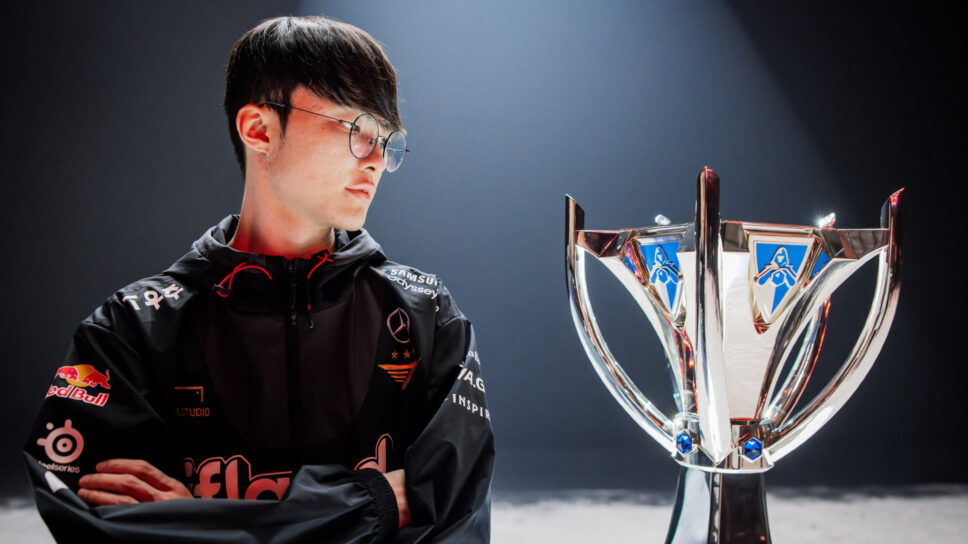
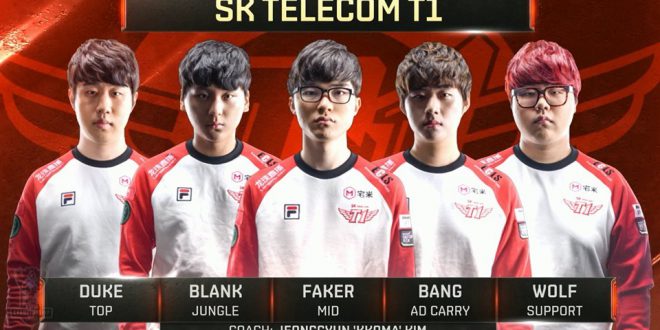
From 2013 to 2016, SK Telecom T1 won three World Championships and set a bar that no one could match. Faker became the first player in history to collect three Worlds titles and did so with partners such as Bengi, Bang and Wolf. This roster went down in history as the most dominant team of its time.
Interesting fact – Faker received an offer to move to China where clubs offered him multi-million dollar contracts. However, he refused and remained loyal to T1, which only strengthened his reputation. In Korea, he is called “Inimitable” and around the world, he has become a symbol of stability and dedication to discipline.
Today, Faker continues to perform despite years in esports and competition from a new generation of players. He is not just a champion, but a living legend who inspires millions and defines how League of Legends is seen even more than a decade after his debut.
Fnatic and the European Breakthrough
When League of Legends was just starting to turn into an eSport, it was Fnatic who became the first team to prove that Europe was capable of competing on a global level. In 2011, at the first World Championship in Jonkoping, the Swedish team led by xPeke and Cyanide won the title and opened a new page in the history of LoL.
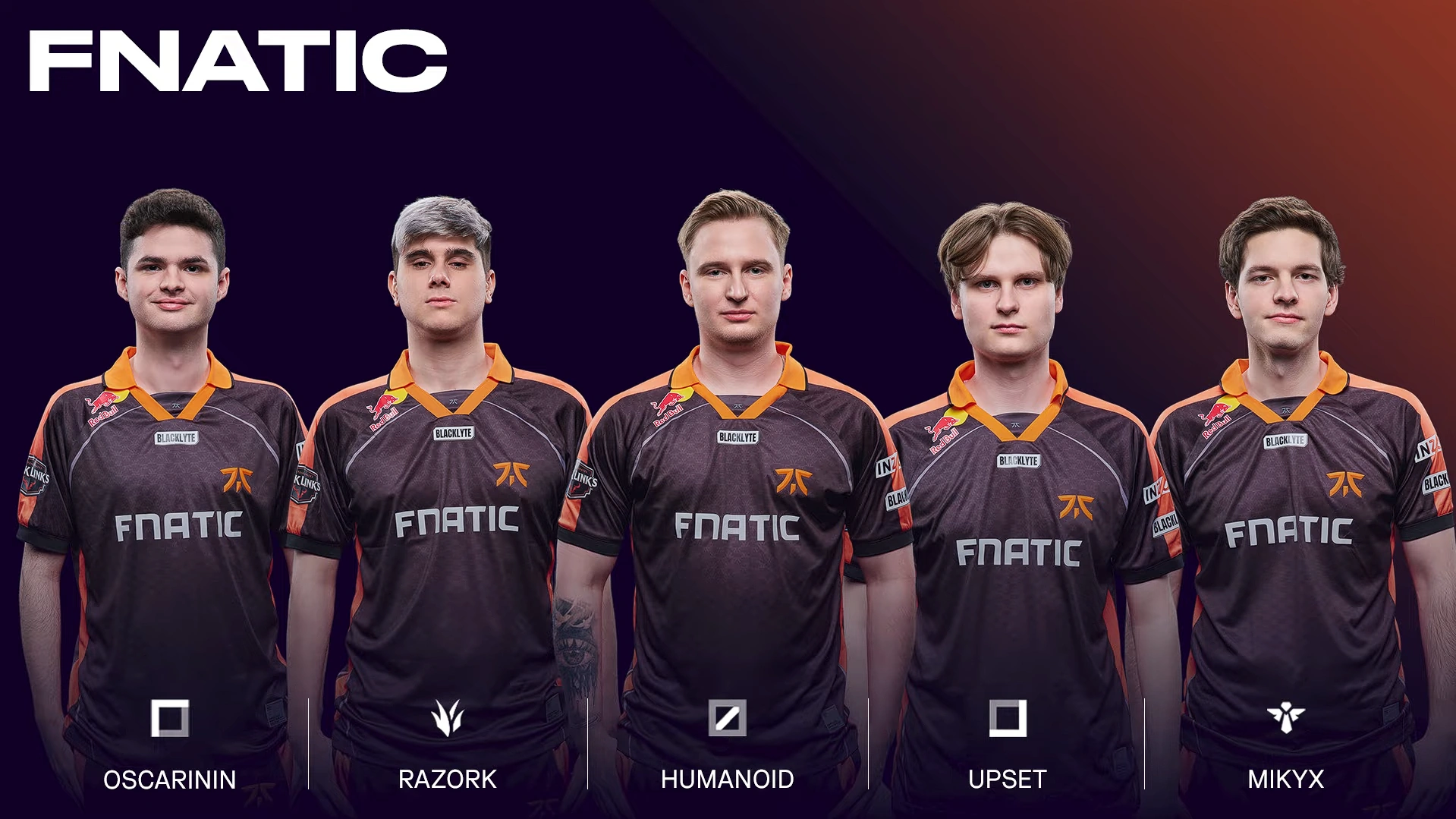
I remember well the famous “xPeke backdoor” moment at the IEM Katowice 2013 tournament when Fnatic were losing the match but xPeke on Kassadin bypassed the opponents and destroyed their base. This episode became a meme and one of the first truly iconic moments in the discipline. It showed that not only mechanics but also cunning can decide the fate of games.
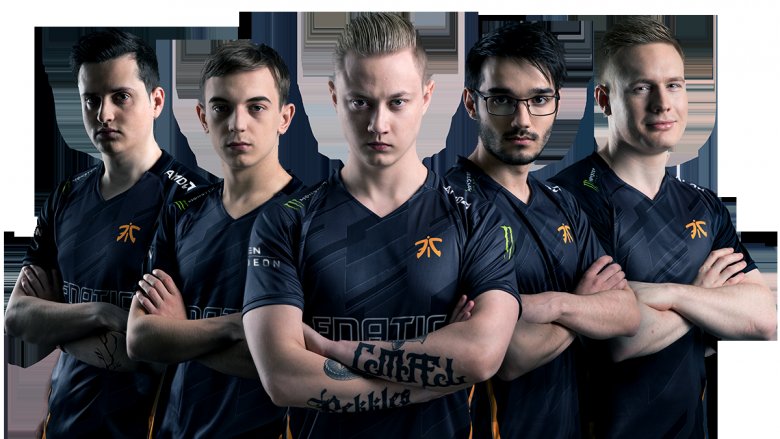
In the following years, Fnatic remained the leaders of Europe and reached the Worlds finals several times. In 2018, the team, led by coach Youngbuck and featuring players such as Rekkles, Caps and Bwipo, reached the decisive match against Invictus Gaming and returned Europe to its status as a serious competitor for Korea and China.
Fnatic have become a symbol of the European LoL school. They have shown that the region is capable of raising bright players and creating its own legends. The history of this club is a history of struggle, creative strategies and charismatic personalities who influenced the development of the entire scene.
Chinese Champions: RNG, EDG and IG
China has long been considered the “perennial contender” in League of Legends. LPL teams have consistently made it onto the international stage, but they’ve been missing that final step to take the title. That all changed in 2018, when Invictus Gaming, led by Rookie and TheShy, won Worlds in Incheon. It was a turning point — for the first time, China was on top of the world.
A year later, Royal Never Give Up with the legendary Uzi reminded everyone that China knows how to grow not only teams but also individual superstars. His aggressive style of play on the shooters made him a cult figure and fans considered him Faker’s main rival, although their careers developed according to different scenarios.
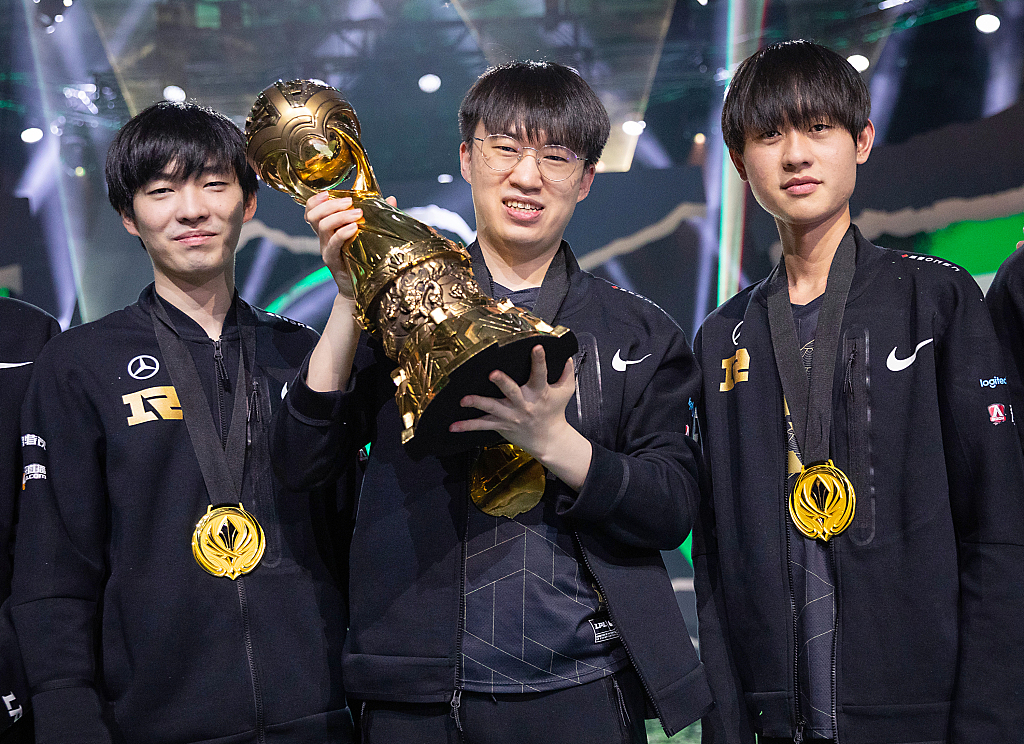
In 2021, Edward Gaming surprised everyone by winning the World Championship in Reykjavik They beat favorites from DWG KIA and showed how strong the Chinese scene has become EDG’s victory was a symbol of the maturity of the LPL – a region that was able to catch up and overtake Korea The roster featured Scout, Viper and Meiko, and each of them made history in Chinese esports
Today, China remains one of the two powerhouses in LoL, along with Korea. Fans call the LPL vs. LCK confrontation “the great battle,” and it is this battle that determines the course of each Worlds. Fans in Shanghai and Beijing fill stadiums to capacity, and clubs invest millions in infrastructure development. China has proven that it can not only catch up, but also dictate trends.
Prizes and earnings in League of Legends
Record amounts at Worlds
When I first started following Worlds, I was surprised that Riot Games went down the path of fixed prizes. Unlike Dota 2 with its crowdfunding, there was an initial focus on stability and transparency. In 2011, at the first World Championship, the fund was only $100,000, and Fnatic received $50,000 for winning.
The situation changed after a few years. In 2016, Riot introduced a system of fan participation through the sale of skins, and part of the income went to the prize pool. Then the Worlds fund exceeded 5 million dollars for the first time and this was a breakthrough. For comparison, the champion of Worlds 2016 SK Telecom T1 took about 2 million, and the other teams received significant amounts by the standards of eSports at that time.
I think 2021 is a particularly indicative figure. When EDward Gaming won the tournament in Reykjavik, the total fund was $2.225 million, of which the winners received approximately $489 thousand. This amount is inferior to the International in scale, but LoL has another advantage – stable player salaries and huge sponsorship contracts.
Interesting fact – Riot uses a distribution system where even the teams that took the last places at Worlds receive tens of thousands of dollars. This approach allows organizations to survive and develop without the risk of disappearing due to one unsuccessful season. This is rare for eSports and this is why League of Legends remains the most stable discipline despite smaller prize records than Dota 2.
TOP teams by total income
When I analyze the earnings of organizations in League of Legends, T1 always comes out on top. The former SK Telecom collected three Worlds titles between 2013 and 2016, and thanks to this, they earned over $5 million in international tournaments alone. Add in regional victories in the LCK and sponsorship deals, and it becomes clear why this organization remains a symbol of consistent success.
Fnatic and G2 Esports have become the main representatives of Europe Their combined income from Worlds and LEC has exceeded several million dollars Fnatic held the record for a long time as the only European team with a Worlds title, and G2 reached the finals in 2019 and received more than 400 thousand for second place It was these performances that ensured their leadership in their region
Chinese giants Invictus Gaming, Edward Gaming and Royal Never Give Up have cemented the LPL at the top of the income charts in recent years. EDG took home almost half a million dollars for winning Worlds in 2021, and IG brought China its first world title back in 2018 and received a prize of over $800,000. RNG, although they have not won Worlds, have regularly taken high places and have collected solid sums thanks to MSI and the LPL.
It is important to emphasize that in LoL money comes not only through prize money. The main income of teams comes from sponsors and media rights. Therefore, even clubs that do not win at Worlds can earn millions thanks to a wide fan base and long-term contracts. It is this difference that makes LoL more financially stable than disciplines where income depends only on victories.
The richest players (Faker, Uzi, Deft, etc.)
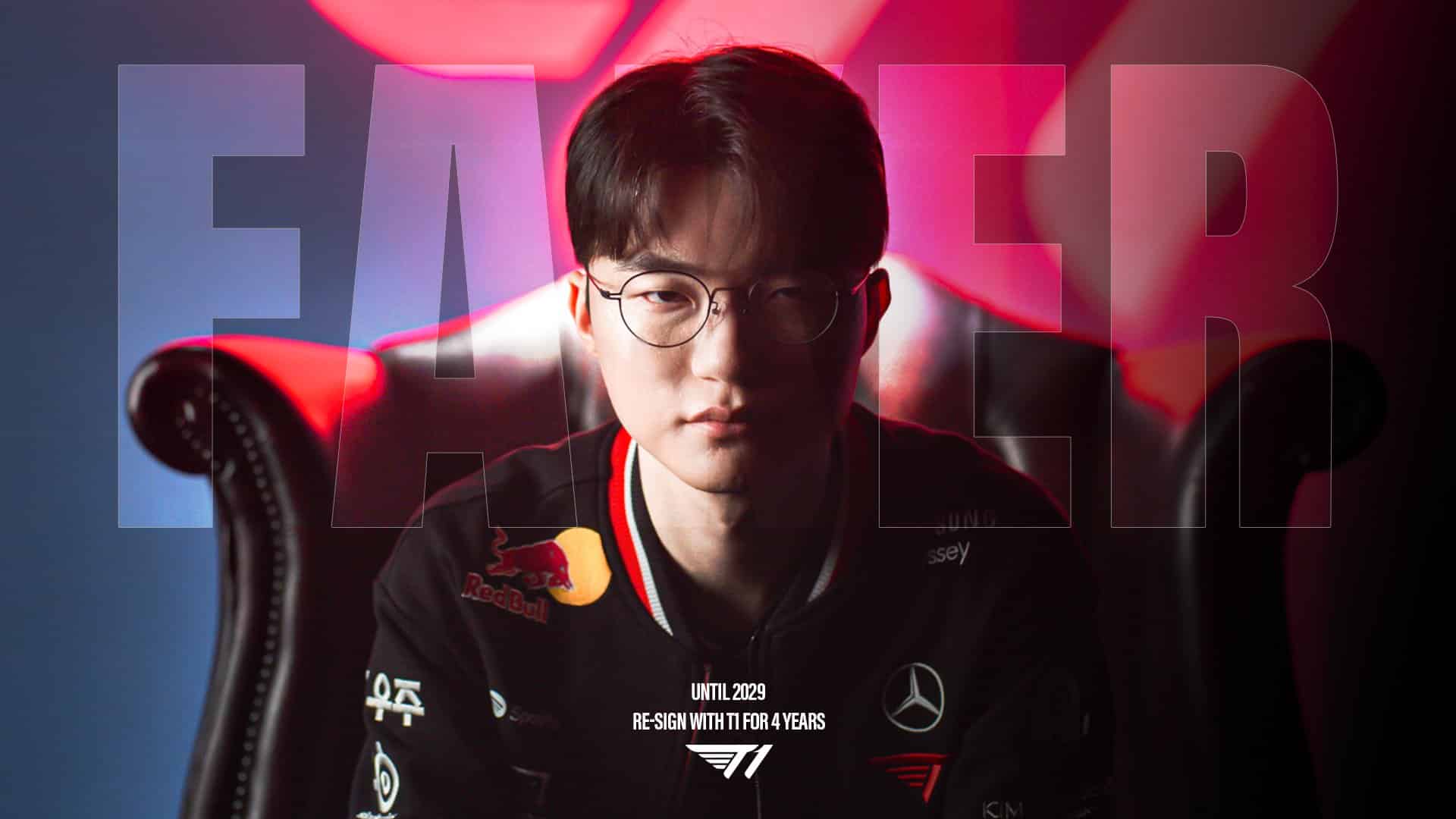
When talking about money in League of Legends, the first name that comes up is Faker. Since 2013, he has earned over $1.5 million in prize money alone, but that’s only part of the picture. His contracts with T1, sponsors like Nike and Samsung, and his share of the club’s stock have made him one of the richest esports players in the world. In fact, he turned down tens of millions offered by Chinese clubs to remain loyal to his organization.
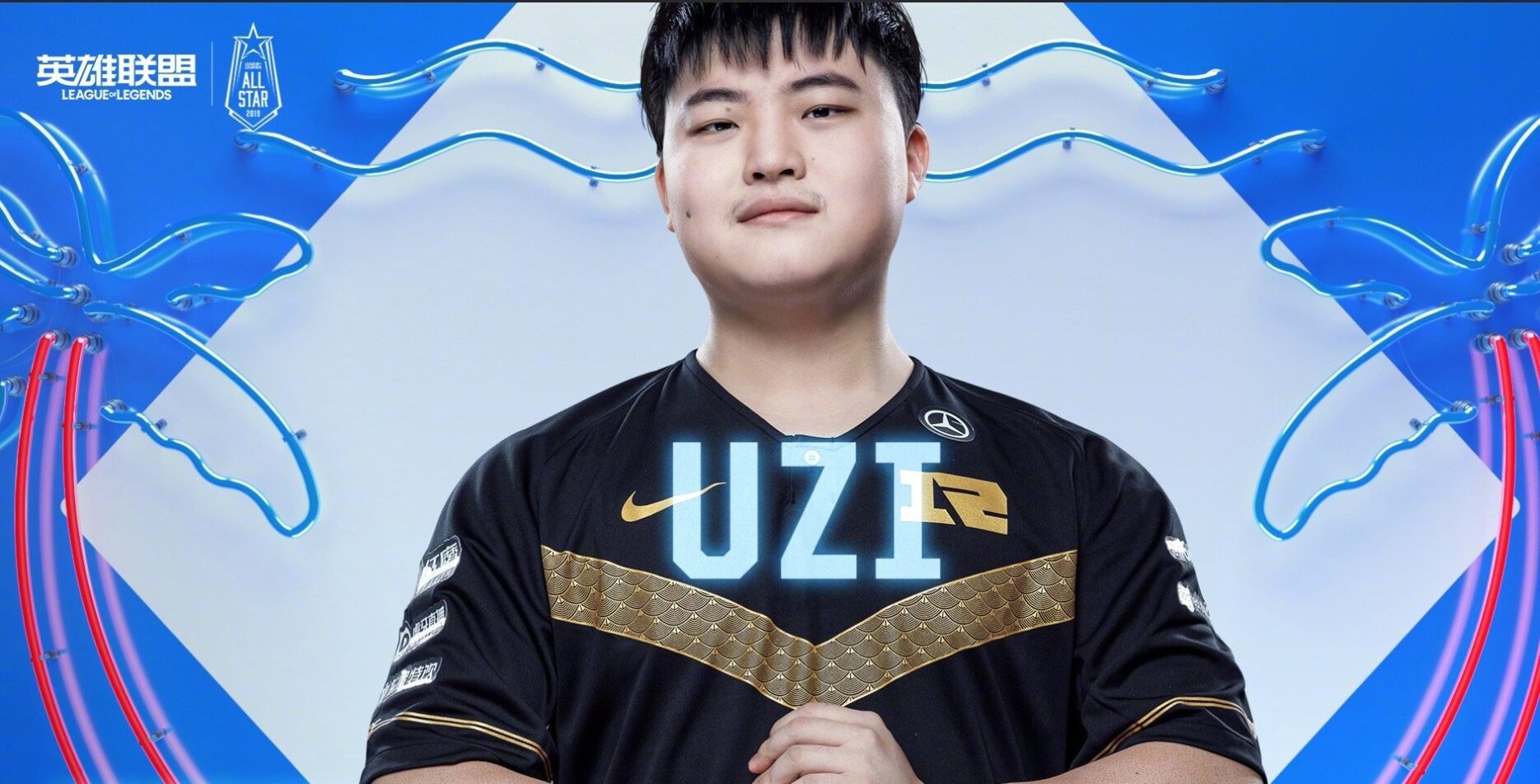
Uzi, the legendary shooter from Royal Never Give Up, is considered an icon of the Chinese scene. His prize money has exceeded $600,000, but the bulk of his wealth has come from endorsements and broadcasts. In 2018, he was the face of Mercedes-Benz in China, a precedent for an esport of this scale.
Deft became world champion only in 2022 with DRX, although he played on the professional scene since 2013. His story is unique – for many years he remained in the shadows, but thanks to the title he earned almost 200 thousand dollars in one tournament and cemented his status as a star. His path inspired thousands of players who believe that perseverance can bring success even after a decade.
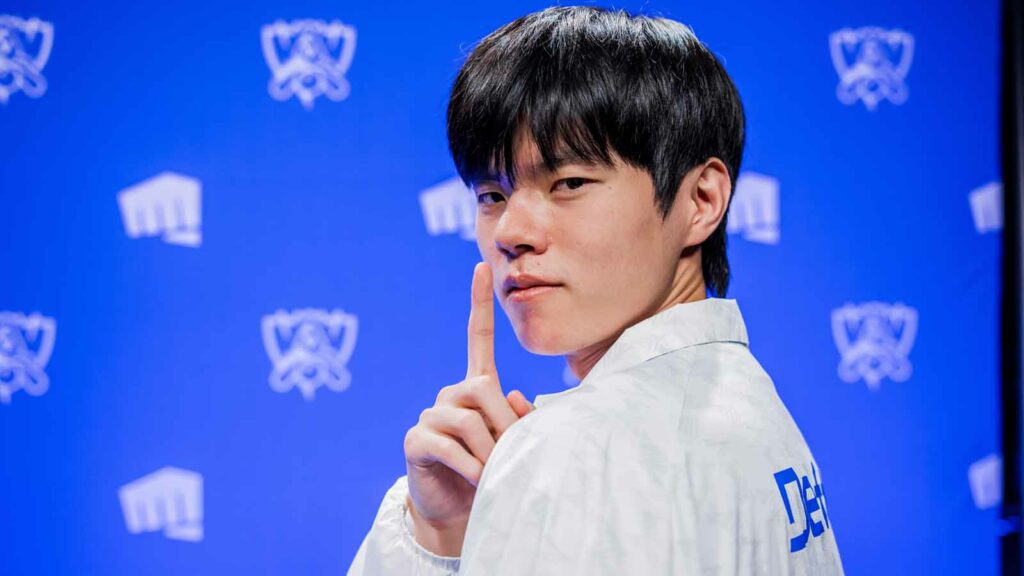
European veterans Rekkles and Caps also made the list of the richest Their combined prize money is in the hundreds of thousands, but the real money came through contracts with Fnatic and G2 Esports In Europe, it is the media exposure of the players that brings them the bulk of their income – advertising deals and a huge fan base turn them into brands
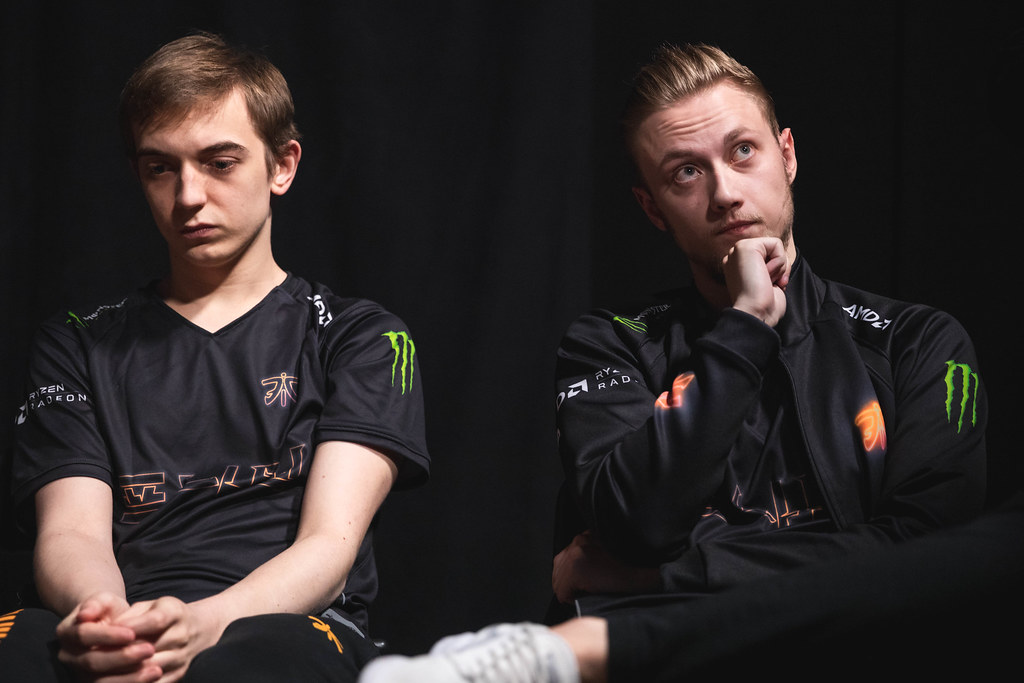
I think it’s important to note that LoL gives players financial stability, unlike many other disciplines. Even without a world title, professionals receive salaries of $200,000 a year and up, and scene leaders earn millions from sponsorships and broadcasts. Therefore, wealth in League of Legends is measured not only by prize money, but by an entire ecosystem of income.
League of Legends Economy
Skins and in-game purchases system
When I first saw the League of Legends monetization model, it was clear that Riot was betting on cosmetics. The game was initially completely free-to-play, and all revenue was built around the sale of skins, emotes, and other visual enhancements. This approach allowed the game to retain its audience and simultaneously create one of the most profitable ecosystems in the history of eSports.
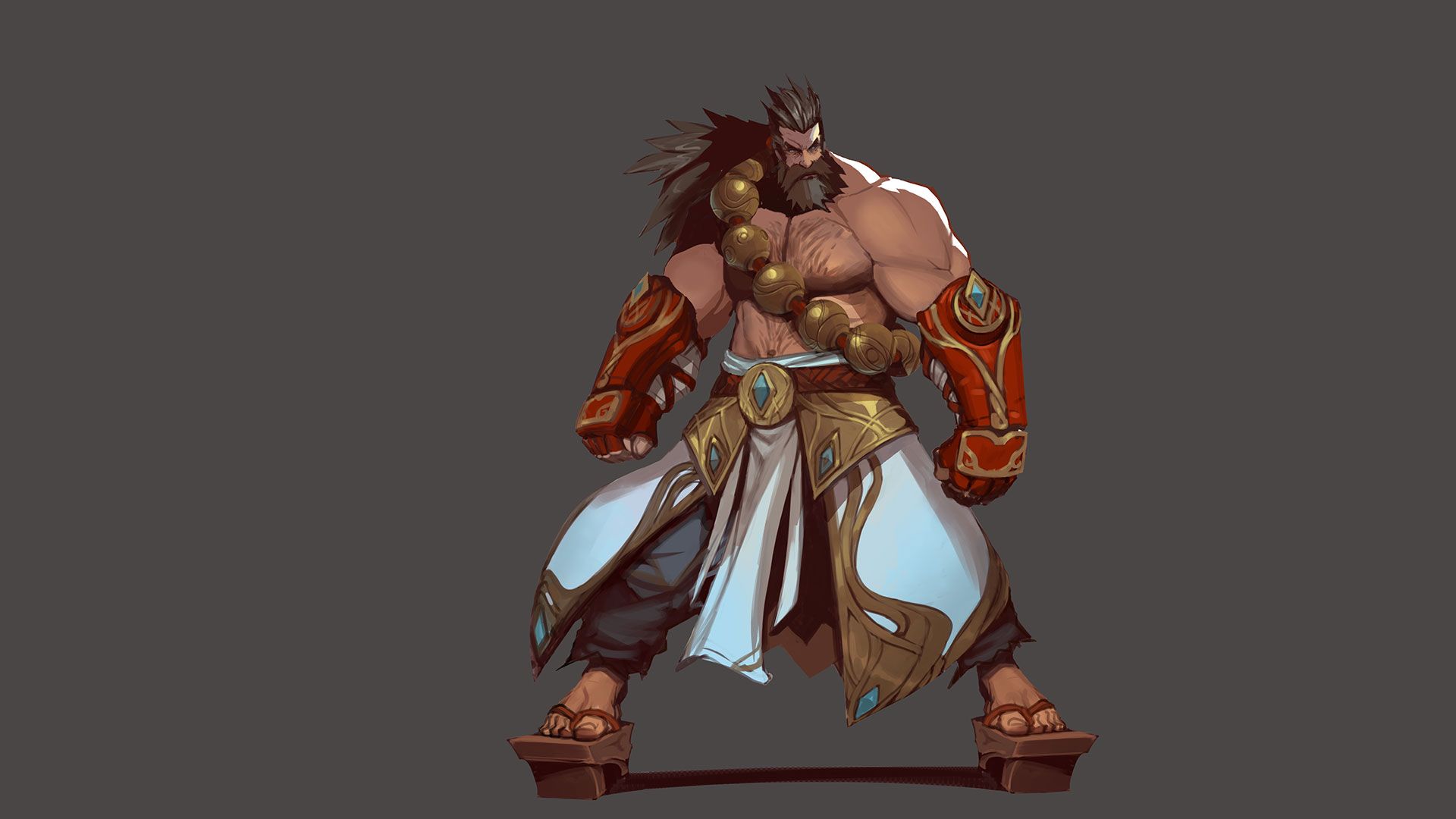
Skins in LoL are divided into categories: normal, epic, legendary and ultimate. Each level differs not only in price but also in the quality of animations, effects and sounds. For example, the ultimate Spirit Guard Udyr turns the champion into a completely new character with a changing appearance during the game. Such projects are more expensive, but they set the industry standards.
It is important that Riot has learned to turn skins into cultural phenomena Music groups like K/DA or Pentakill appeared not just as marketing but as a full-fledged part of the universe Players bought skins for the sake of being part of the community and supported the development team, creating billions in turnover In 2020, the company earned over $1.75 billion and the lion’s share came from in-game purchases
The system is built so that no skin gives a game advantage. This is a key feature that distinguishes LoL from many other projects. Riot keeps the gameplay honest, but at the same time encourages players to express themselves through the appearance of champions. This combination made the model sustainable and turned skins into the main source of income for the game.
The Most Expensive and Popular Skins in LoL History
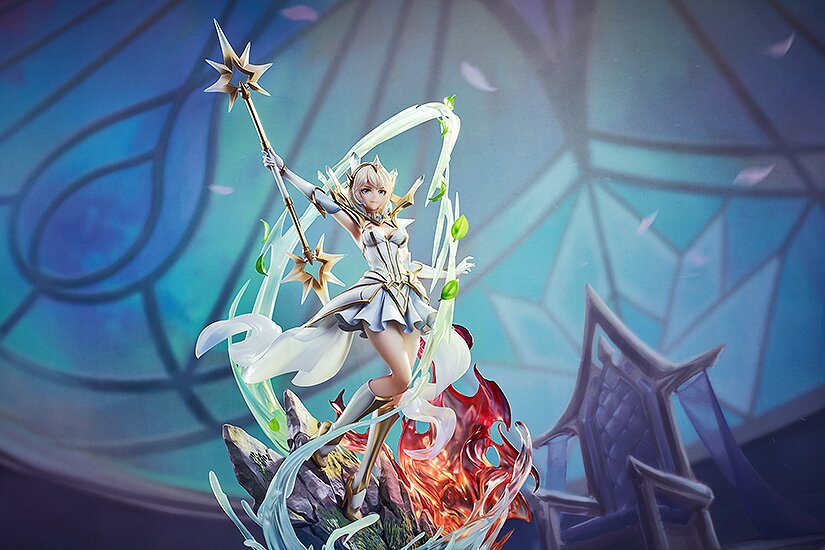
When I think of skins that changed the way players thought about in-game purchases, the first one that comes to mind is Elementalist Lux. This ultimate skin was released in 2016 and was an instant hit. What made it unique was that Lux could change eight forms during the game. Riot sold it for 3250 RP (about $25) and millions of players bought it in the first few months.
No less iconic was Spirit Guard Udyr. In 2013, it was this ultimate skin that first showed that Riot was willing to invest huge resources in the visual development of individual champions. Its cost was 3250 RP (approximately $25) and for a long time it was considered the most expensive skin in the game. Today, it remains a collectible classic and a symbol of the “old school”
The top sales also included musical collaborations K/DA Ahri , K/DA Akali and K/DA Evelynn. The launch of these images was accompanied by the video “POP/STARS”, which collected hundreds of millions of views on YouTube. The cost of such skins was 1350 RP (about $ 10) , but due to their mass popularity, they brought Riot record profits in 2018.
Interesting fact – Pulsefire Ezreal became the first “ultimate” skin in the history of the game in 2012. Its price was also 3250 RP (~$25) and it was he who set the trend for large-scale character reworks. Project Yasuo cost players 1820 RP (about $15) and became the face of an entire line, which still remains one of the most popular.
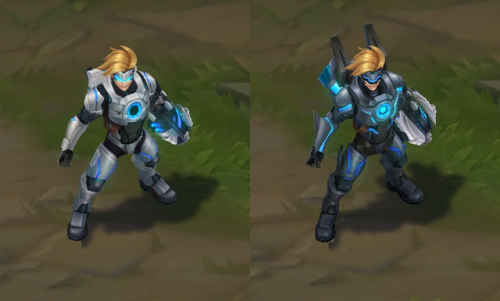
Today, Riot has released over 1,400 skins, and over 70% of the game’s total revenue is generated through their sales. Considering that LoL’s audience exceeds 100 million players per month, we can confidently say that we are talking about billions of dollars in revenue from cosmetics alone.
Riot Battle Passes and Events
When Riot first launched the Battle Pass in 2018 with the Odyssey event , it was clear that the company had found another source of stable income. The system worked simply – a player would buy a pass for about $10 and gain access to exclusive missions, skins, and in-game currencies. This format immediately caught on because it combined familiar gameplay with additional rewards.
The special thing about LoL battle passes is that Riot ties them to large-scale events. In 2018, it was through the K/DA event pass that the company sold hundreds of thousands of skins and earned millions of dollars. PROJECT , Star Guardian , and Arcane followed — each event was accompanied by exclusive cosmetics and new missions.
Fun fact: In 2021, the Sentinels of Light event became the largest in the history of the game. It included new skins, an in-game storyline, and even a mini-game. The total revenue from sales of passes and content exceeded $40 million in just a few weeks. This proved that the battle pass model can bring in no less than the sale of single skins.
I believe that events are what made League of Legends more than just a game Riot turned every update into a cultural event Players don’t just buy cosmetics, they get involved in the story and feel like part of a global community This approach keeps the audience interested and provides Riot with stable revenue growth year after year
How Riot Keeps Its Audience Without Pay-to-Win
When I analyze the success of League of Legends, the main factor that stands out is the lack of a pay-to-win model. Riot has never sold in-game benefits. All that is available for real money are cosmetics, passes, and bonuses that speed up progress but do not affect the outcome of matches.
This approach has allowed the game to retain millions of players for over ten years. I have seen other projects lose their audience precisely because of strict monetization. Players are not willing to pay for strength, but are willing to invest in emotions and self-expression. You can play LoL on par with professionals without spending a cent, and this fundamentally distinguishes the game from most free-to-play competitors.
Interesting fact – Riot makes all champions free at major tournaments so that newcomers can test characters without restrictions. And new heroes cost either in-game currency or about 5-10 dollars, which is also considered an affordable level. As a result, players feel that their time is valued, not just their wallet.
I am sure that it is the honesty of the model that keeps the audience. If Riot had allowed the sale of a game advantage even once, trust in the company would have collapsed. Instead, the studio bet on long-term loyalty and turned LoL into an example of how free-to-play can bring in billions without destroying the balance.
Scandals and hot spots
Disqualifications and Rule Violations
League of Legends eSports has never been without its high-profile scandals. I remember 2012, when Azubu Frost’s team was fined $30,000 for players peeking at the big screen during a match against TSM. This incident was one of the first times Riot publicly punished a top team and showed that discipline would be built on strict rules.
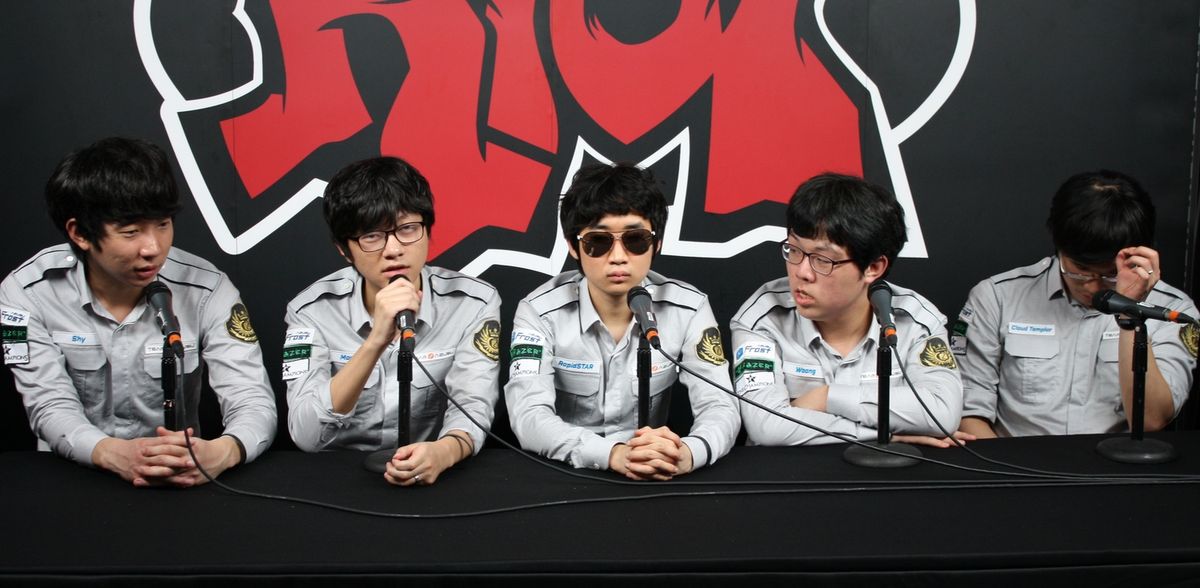
In 2013, Chinese player Misaya was in the spotlight after being accused of using bugs during training. He was not disqualified, but it was this episode that forced Riot to introduce stricter regulations and an anti-cheat system. Later, in 2014, North American player MisterCheeese was banned for two years for bribing opponents in an online league. This precedent became a symbol of the fight against match-fixing.

I can’t help but remember the case with XiaoWeiXiao in 2015. He was one of the strongest mid laners in LCS but was caught boosting accounts and received a lifetime disqualification. The story was a shock to fans because it was not about an unknown newcomer but about a star of the scene.
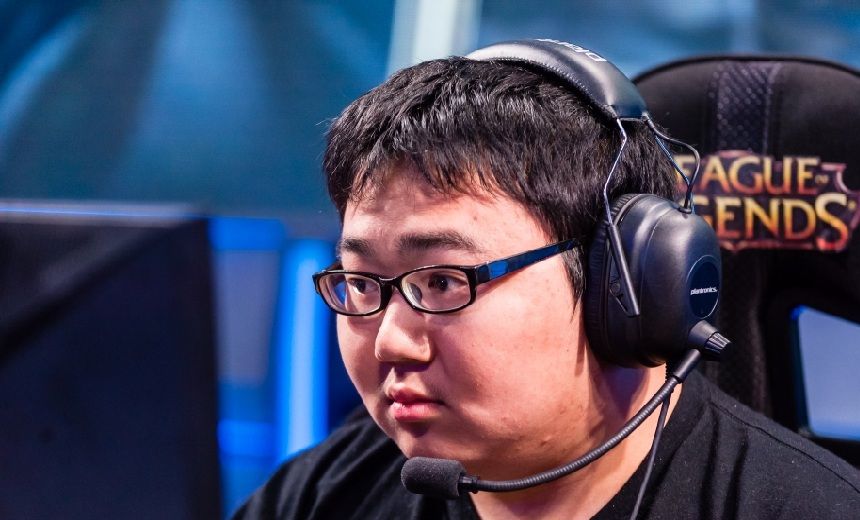
Even Faker once touched upon a scandal – in 2014, SK Telecom T1 were accused of unauthorized use of bugs, but the investigation did not confirm violations. But the very fact of rumors showed how closely the community monitors every action of top players.
All these stories prove that LoL is not only about strategy and skill but also about behind-the-scenes games. I see that it is scandals that have formed a culture of strict control in a discipline where any mistake can cost a player his career.
Conflicts between players and coaches
Over the years of the scene’s development, I have seen many stories where League of Legends teams collapsed not because of weak play, but because of internal conflicts. One of the most striking examples is Fnatic in 2015. Then the team reached the semi-finals of Worlds but soon broke up. Players accused coach Deilor of a tough working style, and he responded by saying that the team fell apart because of ego and unwillingness to obey discipline.
In North America, the situation was even more explosive. In 2017, Doublelift left TSM after a series of scandals with the team’s owner Reginald. The player publicly stated that the atmosphere in the organization was toxic and that coaches did not listen to the opinions of stars. These statements caused a storm of discussion and are still considered one of the loudest quarrels in the history of the LCS.
I remember the Chinese scene well too In 2019, Uzi openly criticized RNG management for excessive training that undermined his health He later ended his career, citing constant injuries and stress The case became significant – for the first time, a superstar openly said that the training system can break players psychologically and physically
Interesting fact – even Faker hasn’t escaped tension within the team In 2020, a scandal erupted around T1 when fans demanded the dismissal of coaches Kim and Kim Jungsoo, claiming that they were preventing the leader from realizing his potential The situation reached the point of a petition with thousands of signatures and Riot had to intervene to calm the community
These conflicts show that LoL esports is not only about strategy on the map but also about human relationships. I see that it is the behind-the-scenes dramas that often affect players’ careers more than a lost match.
Riot Criticism: Balance and Patches
For as many years as I’ve been following League of Legends, I’ve heard arguments about the game’s balance. Riot has never been able to please all players at once. Each update has caused a wave of discussions and criticism. In 2012, fans complained en masse about the dominance of the champion Darius, who literally broke ranked games. In 2014, a similar situation happened with Kassadin, and his win rate exceeded 90% in tournaments until Riot released a series of nerfs.
On the professional scene, the criticism was even louder. In 2015, Faker openly said that Riot was changing the meta too often and that it was preventing teams from preparing for tournaments. Later in 2017, G2 Esports coach Youngbuck said that “every patch turns a month of training into a waste of time.” These words were picked up by the community and the balance topic became one of the hottest in esports.
Players also criticized Riot for experimenting with items and the map In 2020, the dragon rework divided fans Some called it brilliant, while others believed that the new effects broke the fairness of matches A similar story happened with Reforged runes – many believed that the system had become too complex and overloaded
Despite criticism, Riot has always adhered to the principle of constant change. Sometimes this caused a storm of discontent, but it was this philosophy that allowed the game to live and develop for more than ten years. I am sure that without controversial decisions and bold experiments, League of Legends would have long ago turned into a stagnant project.
LoL Culture and Community
Riot Music Projects (K/DA, Pentakill, True Damage)
League of Legends became the first eSports discipline where music became part of the gaming world. In 2013, Riot introduced the virtual band Pentakill inspired by heavy metal and released a full-length album Smite and Ignite. It immediately hit the iTunes charts and the compositions began to sound at tournaments as an anthem of the gaming community.
The real explosion happened in 2018 when Riot released the K/DA project with virtual images of champions Ahri, Akali, Evelynn and Kai’Sa. The premiere of the POP/STARS video at Worlds in Seoul collected tens of millions of views in the first days and today its audience has exceeded 500 million. This was the moment when LoL stopped being just a game and became part of world pop culture.
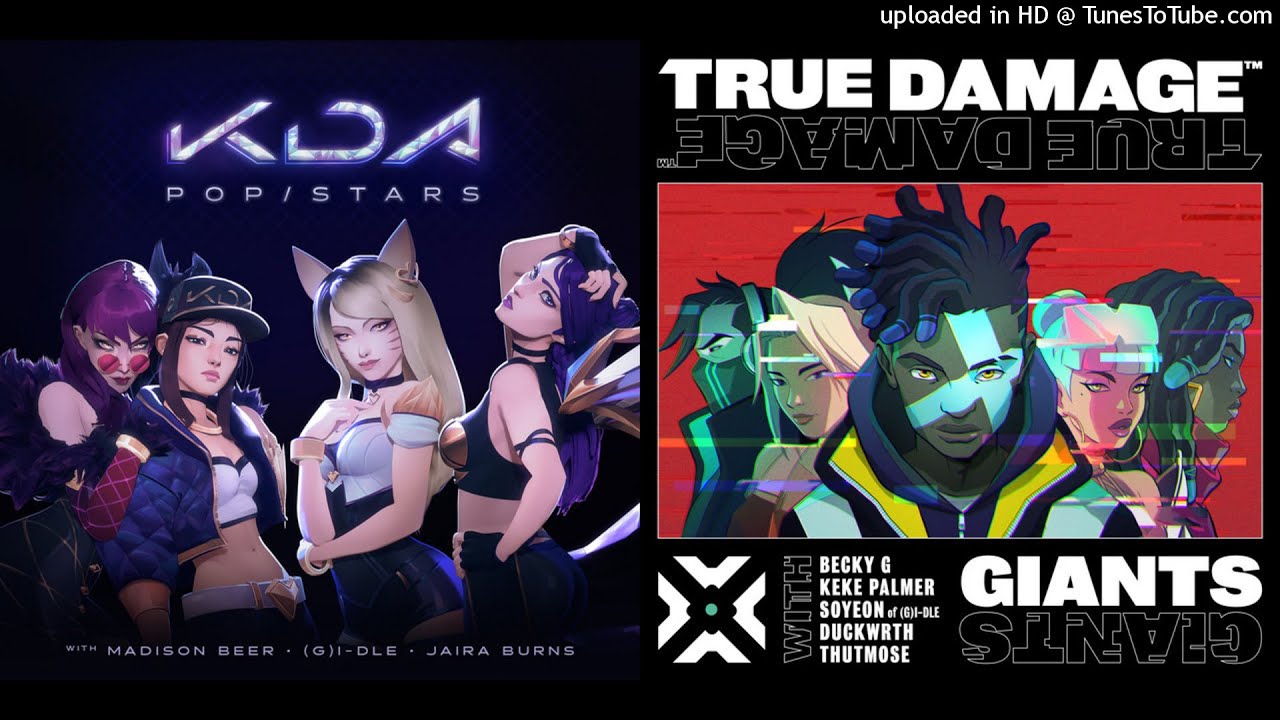
In 2019, Riot continued the experiment with a new virtual group, True Damage , which combined hip-hop and electronic music. The tracks featured real artists like Becky G and Keke Palmer, which enhanced the effect. The collaboration turned into a global marketing project and again brought the company millions of dollars in skin sales.
I see that Riot’s musical initiatives made LoL unique No other game was able to integrate such large-scale projects into its ecosystem Players bought skins not only for the sake of appearance but for the sake of involvement in the musical world that was created around the champions This is an example of how a gaming company was able to turn content into part of popular culture
Memes, Fan Art and Cyberculture
League of Legends has always been more than just a game The community has created its own world of memes, drawings and jokes around it that have spread far beyond the client One of the first cult memes appeared in 2013 – the famous “xPeke backdoor” Since then, any unexpected end to a match has been called by his name and it has entered the lexicon of players around the world
Fan art in LoL has become a whole creative direction. Thousands of artists on Reddit and DeviantArt created their own versions of champions, and Riot actively encouraged this. Sometimes fan concepts became so popular that the studio officially released similar skins. An interesting example is the image of Jinx with an alternative style, which appeared thanks to fan work that received a huge response.
Memes around champions have also become part of cyberculture Take Teemo, for example He is hated and loved at the same time, and memes about “deadly mushrooms” are known even to those who have never played LoL A similar story happened with Yasuo – on forums and streams they still joke that “Yasuo is always 0/10”, hinting at the style of play of inexperienced players for this champion
I believe that it is fan culture that has made League of Legends a phenomenon. Players are not limited to the client – they create jokes, art, clips and entire communities around their favorite characters. As a result, LoL has become not just an eSports discipline, but a global cultural phenomenon on the Internet.
Legendary matches and highlights of Worlds
The history of Worlds is full of matches that have forever been etched in the memory of fans. In 2014, the semi-final between Samsung White and Samsung Blue became an example of strategic dominance. White crushed their “sisters” and demonstrated a level of team play that at that time seemed unattainable. This match is still remembered as the standard of macro play.
In 2016, the SK Telecom T1 vs. Samsung Galaxy final in Los Angeles attracted tens of millions of viewers and provided one of the most intense battles in Worlds history. The series went to the fifth map, where Faker and company managed to retain the title, and fans called it a “battle of the titans.”
I also remember the 2018 finals when Invictus Gaming from China crushed Fnatic 3:0. This result was a shock for Europe and confirmed that the LPL was reaching a new level. The combination of Rookie and TheShy turned into a duo that broke all hopes of European fans.
In 2022, the final between DRX and T1 in San Francisco was a real fairy tale. Deft, after nine years of his career, raised the World Cup for the first time, and his team went through qualifiers and several upsets to reach the top. This final was called a “Cinderella story” and it was he who reminded that in LoL everything is possible, even for an outsider.
Moments like these create the magic of Worlds I am sure that it is the highlights and unexpected twists that make the tournament a world-class event and hold the attention of millions of viewers every year
The Future of League of Legends
The Role of Streamers and Content Creators
When I look at the development of League of Legends in recent years, it is the streamers who have become the main ambassadors of the game. Professional matches take place once a season, and daily interest in LoL is maintained by people who broadcast their gameplay on Twitch and YouTube. One of the first to bring the game to a new level of popularity was Imaqtpie, a former Dignitas player who, after retiring, gathered millions of viewers thanks to his charismatic style.
In Korea, streamers like Faker and Deft played a huge role, regularly broadcasting even outside of official games. This allows fans to watch the stars training and keep in touch with their idols. The Chinese audience was formed around Douyu and Huya, where players like Uzi and Ming earned millions of dollars just from broadcasts and donations.
Interesting fact – in 2020, Riot officially allowed creators from all over the world to restream the Worlds championship with their own commentary. This was a breakthrough because fans could watch matches not only from the official broadcast but also through their favorite bloggers. This step made esports more accessible and opened up new content formats.
I am sure that without streamers, LoL would have lost part of its audience long ago. Today, they are the ones who shape the culture of the game, create memes, and attract new players. Their influence on the future of the discipline is not inferior even to leading organizations, and this is the key factor that will determine the popularity of League of Legends in the coming years.
The Prospects of Wild Rift and Mobile Esports
When Riot released League of Legends: Wild Rift in 2020, it became clear that the company wanted to conquer the mobile market as well. The game was created not as a simplified port, but as a full-fledged project with redesigned graphics and convenient controls specifically for smartphones. Thanks to this, it quickly gained an audience in Southeast Asia, Latin America and China, where mobile gaming has long dominated.
Already in 2021, the first world championship Wild Rift Icons Global Championship took place , which attracted millions of viewers and showed that mobile esports can compete with the PC version. According to Riot, the total prize pool of the tournament exceeded 2 million dollars, and teams from China and Brazil became the leaders of the first seasons.
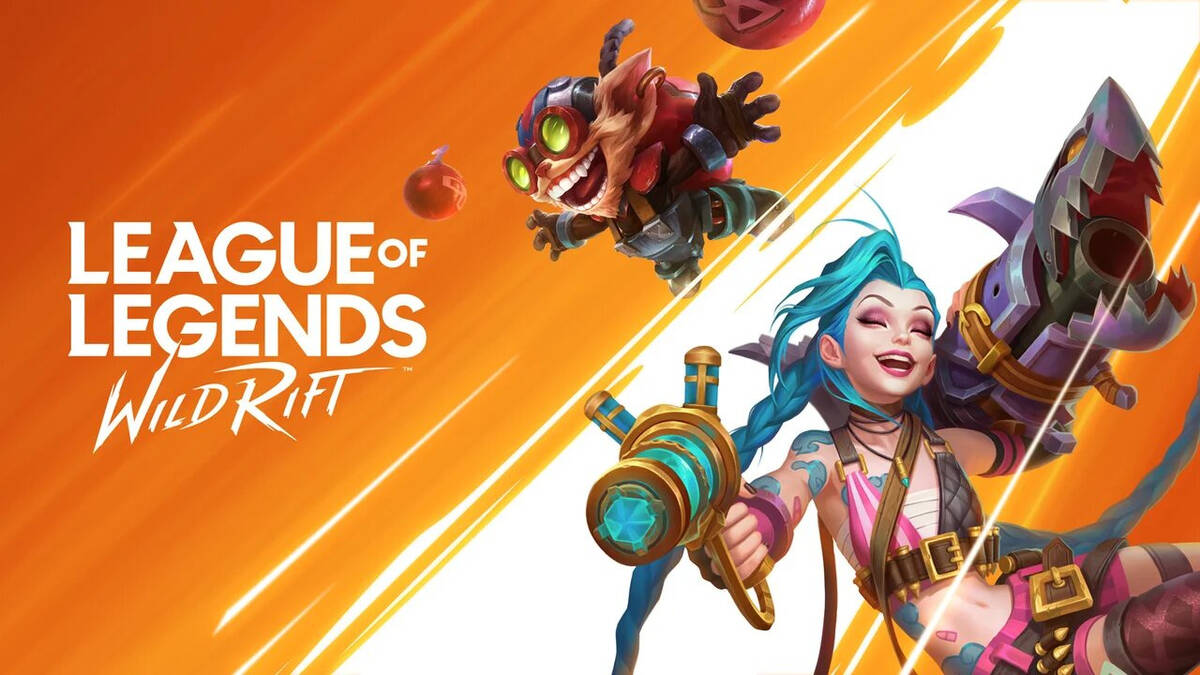
Interestingly, Wild Rift has brought a new audience to the LoL ecosystem that had never played on a PC before. Young players in countries with limited access to expensive computers can now participate in eSports on an equal footing. This expands the geography of the scene and creates conditions for the emergence of new stars.
I believe that in the coming years Wild Rift will become an independent discipline with its own legends and tournaments. But at the same time, it will remain part of a single League of Legends universe where PC and mobile audiences coexist, and Riot makes billions on both platforms.
What awaits the scene in the coming years
I am sure that League of Legends eSports will remain at the top for a long time. Despite competition from Valorant and other games, it is LoL that maintains the unique system of regional leagues and Worlds that have become part of the global eSports culture. Riot invests hundreds of millions in broadcasts, stadium rentals and show programs, and this guarantees a high level of events in the future.
We are already seeing a trend towards integration with pop culture. In 2023, Riot has once again announced music projects and collaborations with major brands, which means that the game will go far beyond esports. At the same time, technologies are developing: VR, interactive broadcasts and opportunities for viewers to influence the course of broadcasts will become the standard in the coming years.
I believe that the future of LoL is directly related to streamers and Wild Rift. These two areas expand the audience and make the game accessible to new generations. While the PC scene remains the core of the discipline, it is the mobile version and creators that will ensure growth and attract millions of newcomers.
Ultimately, LoL is moving towards becoming not just a game, but a full-fledged entertainment platform. Esports, streaming, music and culture are united under one brand. And this makes League of Legends the leading example of how a game can become a global phenomenon for decades to come.
Conclusion
League of Legends changed eSports and set standards for the entire industry The game grew from a small studio idea into a global phenomenon that unites millions of people around the world I have seen it go from the first tournaments to arenas with tens of thousands of spectators and I can confidently say that its influence is only growing
For me, LoL remains an example of a discipline that can develop, change and at the same time remain true to its principles. I am sure that this game will shape the eSports culture for many years to come and inspire new players and teams to great victories.
FAQ
Who created League of Legends, and what inspired it?
Riot Games, founded by Brandon Beck and Marc Merrill, launched LoL in 2009. The team drew inspiration from the Warcraft III mod “Defense of the Ancients,” but built a standalone MOBA with live service updates and a free-to-play model.
What turned LoL from a small project into a global esport?
Early accessibility, frequent balance patches, and Riot’s investment in tournaments and broadcasts quickly grew the player base. By 2011, the first official World Championship (Worlds) kicked off the professional era.
What makes Worlds the pinnacle of LoL esports?
Worlds brings together regional champions, stadium-scale production, and global storylines. From the 2013 Staples Center final to Beijing’s dragon drone and K/DA’s debut, Worlds set the bar for spectacle and competition.
How do the regional leagues (LCK, LPL, LEC, LCS) differ?
LCK (Korea) is famed for discipline and macro play; LPL (China) for depth, investment, and star power; LEC (Europe) for charismatic teams and rivalries; LCS (North America) for big brands and infrastructure—each feeds into Worlds.
Why is Faker so important to LoL history?
Faker (Lee Sang-hyeok) debuted in 2013 with SK Telecom T1 (now T1), winning multiple Worlds and creating iconic moments (like the Zed duel vs. Ryu). His longevity, loyalty to T1, and consistent excellence made him the game’s defining legend.
Which Chinese teams marked the LPL’s rise?
Invictus Gaming’s 2018 title broke the ceiling for China; Edward Gaming’s 2021 triumph reinforced LPL dominance. Royal Never Give Up, with superstar Uzi, helped cement China’s legacy through MSI wins and elite performances.
How do prize pools and salaries work in LoL?
Worlds prize pools vary by year, but LoL emphasizes stability: teams and players earn substantial salaries and sponsorships. Even lower-placing Worlds teams receive payouts, helping organizations plan long-term.
Is LoL pay-to-win? How does monetization work?
No—skins, chromas, emotes, and passes are cosmetic. Ultimate and legendary skins (e.g., Elementalist Lux, Spirit Guard Udyr) offer premium visuals without gameplay advantage, sustaining revenue while preserving competitive integrity.
What controversies have shaped the pro scene?
From early fines (e.g., Azubu Frost’s screen-peeking) to account-boosting bans and coaching/player conflicts, Riot’s strict rulings and evolving ruleset aimed to protect competitive fairness amid inevitable drama.
What’s next for LoL—streamers, Wild Rift, and beyond?
Creators on Twitch/YouTube keep daily interest high. Wild Rift grows mobile esports in new regions. Expect deeper pop-culture integrations, interactive broadcasts, and continued investment in Worlds-scale events.