Hello! My name is Ethan Miller — I am a specialist in digital media and eSports disciplines. For over ten years, I have been observing how games change, which projects explode the market and why they become cultural phenomena. Fortnite is one such example.
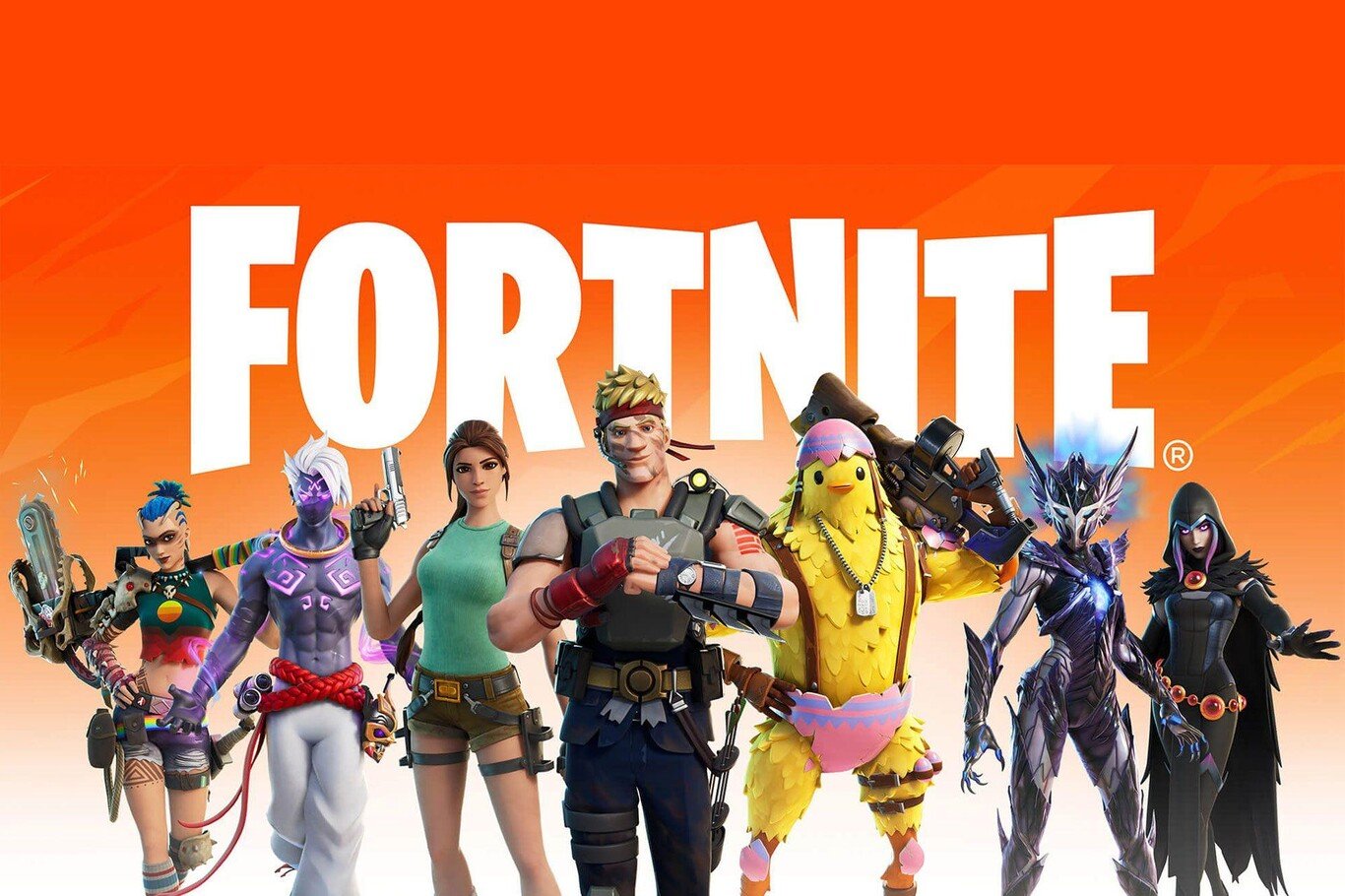
In this article, I will take a detailed look at the history of Fortnite, talk about its tournaments and record-breaking player earnings, iconic in-game events and high-profile collaborations. We will also look at how Fortnite influenced the development of esports and why it still remains among the industry leaders even in 2025.
Fortnite History
Who created Fortnite and when did the game come out?
Fortnite was created by Epic Games , led by its founder Tim Sweeney . The idea for the project dates back to 2011, when Epic began development in tandem with People Can Fly (now an independent studio, but then part of Epic). The key figures who stood at the origins of Fortnite are considered to be:
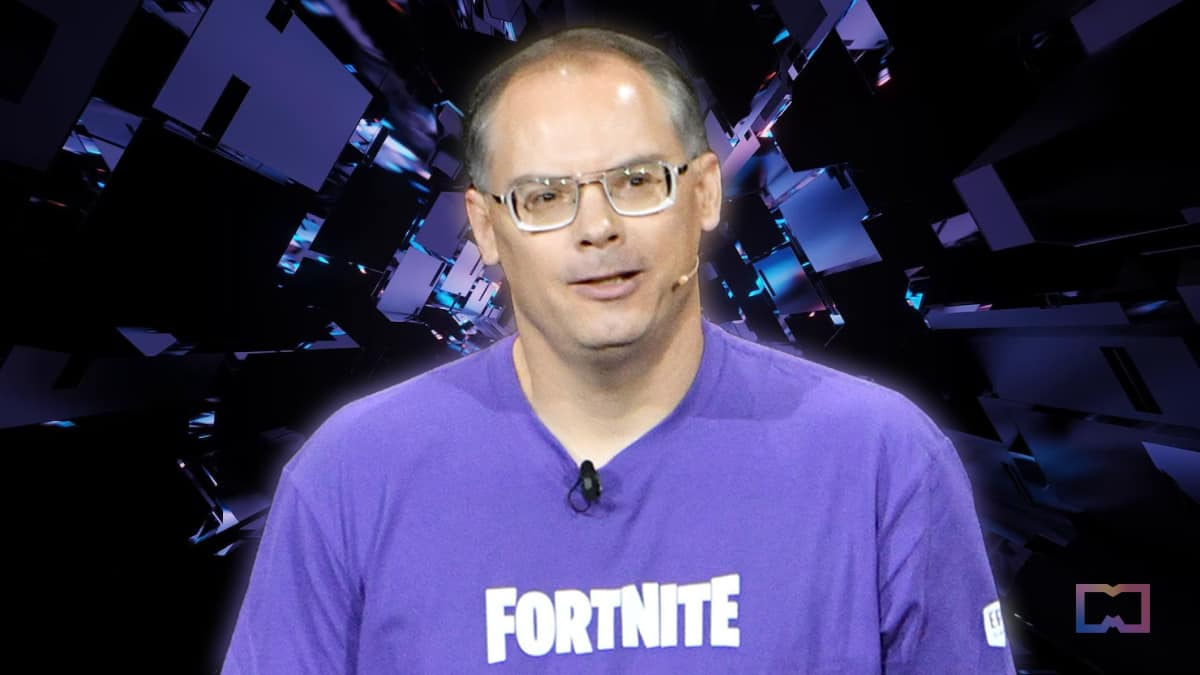
- Tim Sweeney is the founder and CEO of Epic Games, a strategist who set the vector for using the Unreal Engine in his own projects.
- Darren Sugg is the creative director of Fortnite, overseeing the visual style and overall concept.
- Cliff Bleszinski is one of Epic Games’ most renowned game designers, and was heavily involved in the early stages of development even before leaving the company.

The first version, Fortnite: Save the World , was released in July 2017 in early access. And in September, Epic launched the Fortnite Battle Royale mode , which radically changed the course of history. It was this mode that made the game a global phenomenon. The free model, unusual for that time, and the emphasis on multiplayer allowed Fortnite to gather an audience of tens of millions of players in just a few months.
Fortnite: Save the World and Battle Royale Development
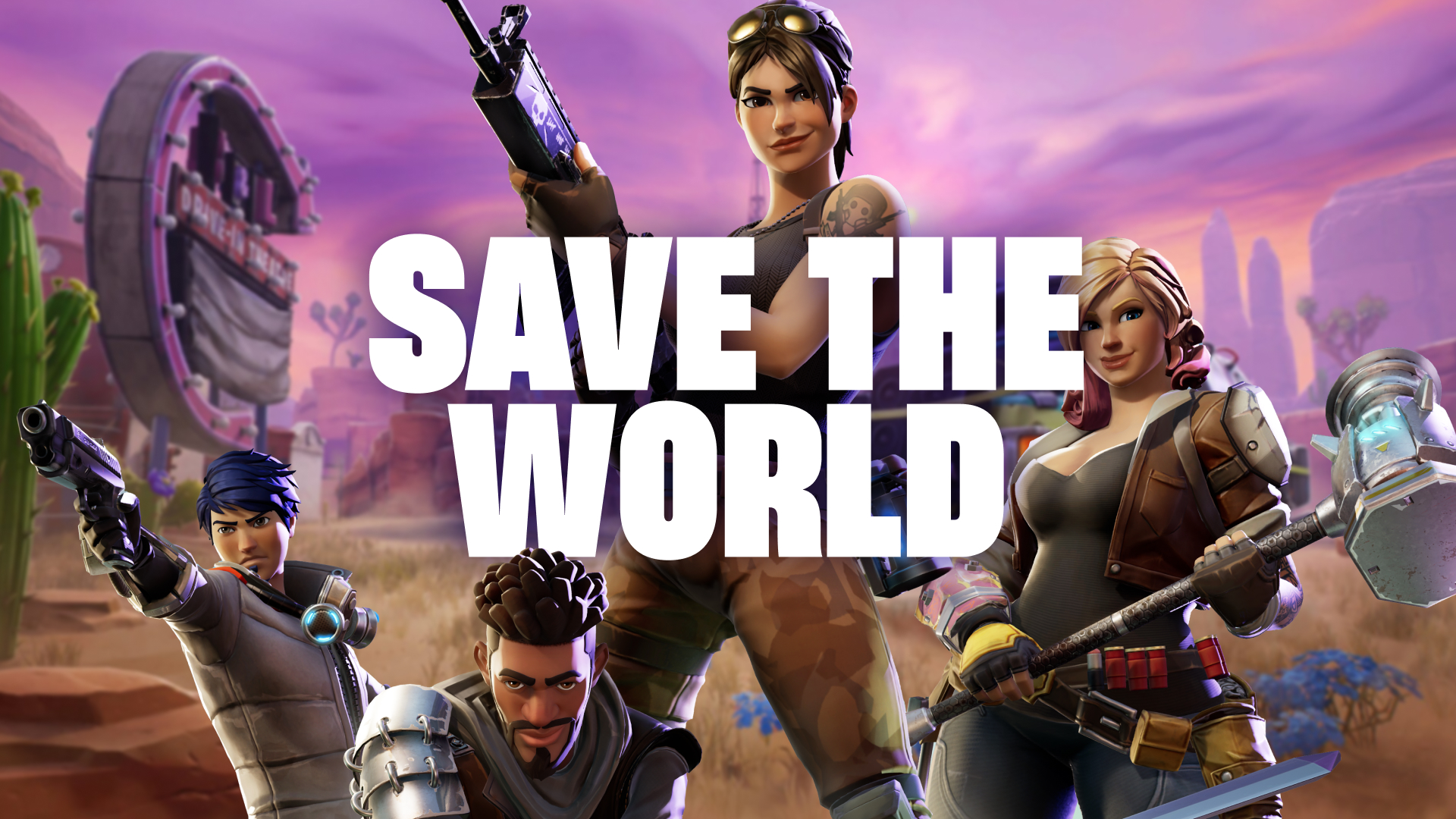
When I think back to the development of Fortnite, it’s hard not to notice that the game was originally conceived as something completely different. The first version, Fortnite: Save the World , was a cooperative shooter with survival elements. Players were asked to collect resources, build fortifications, and repel waves of enemies — all in the spirit of PvE. This mode was released in July 2017 in early access and had a paid distribution model. However, it was then that it became clear that the project needed a different development vector to compete with the growing battle royale genre.
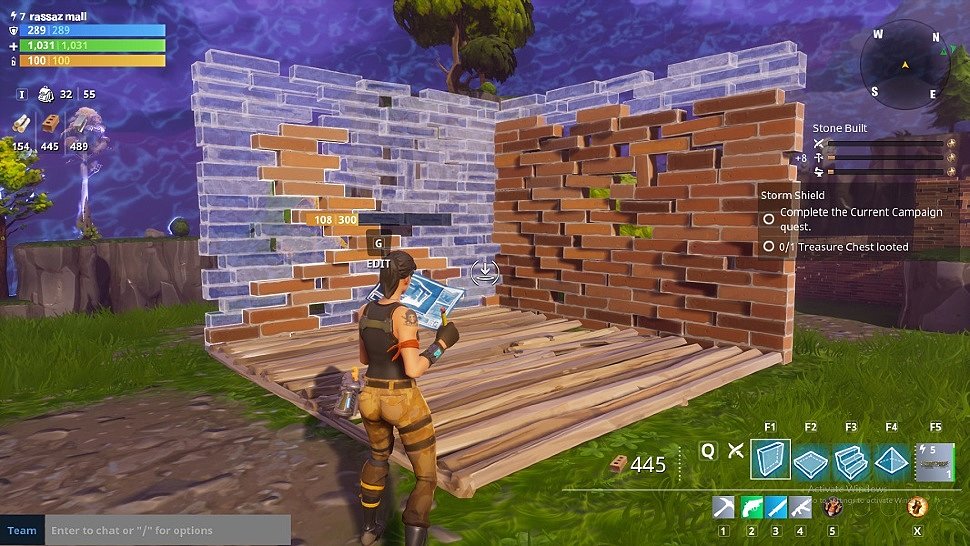
The decisive step was the release of Fortnite Battle Royale in September 2017. Epic Games quickly adapted the existing developments to the new format – a hundred players on one map, only one survives. But the main difference from competitors like PUBG was the unique mechanics: real-time construction . Players could build stairs, walls and platforms right in the middle of a battle, which made the process truly dynamic and unlike anything that had come before.
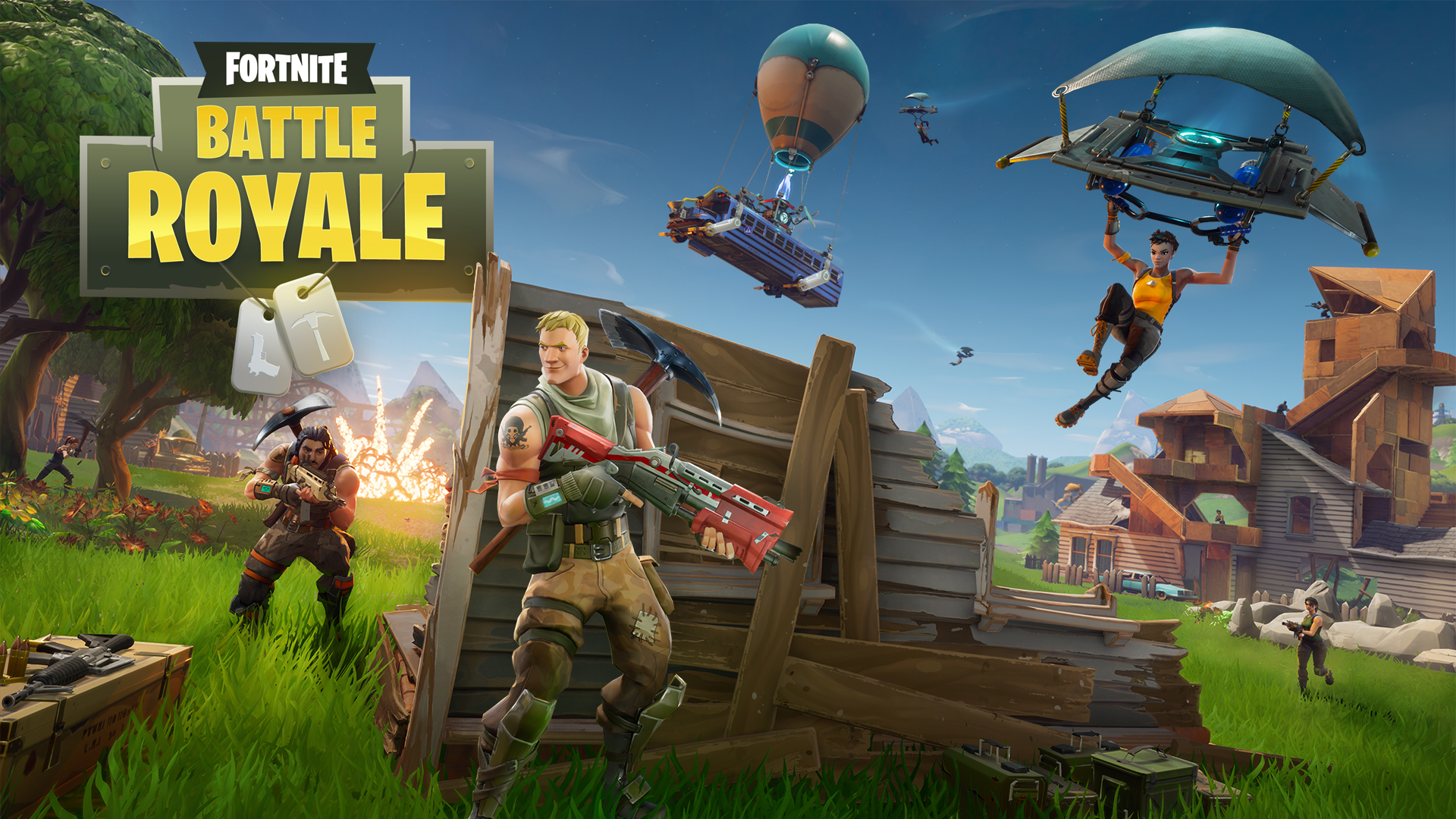
This combination of free access, cartoonish graphics, and unusual mechanics took Fortnite to a new level. In a matter of months, the game gathered an audience of tens of millions, and soon came to consoles, mobile devices, and even the Nintendo Switch. That’s when Fortnite turned from “another Epic project” into the biggest hit of the decade .
Why Fortnite Became Popular Around the World
As a specialist, I can say for sure: Fortnite’s success was not an accident. Epic Games combined several factors that made the game a global phenomenon.
Firstly, it is a free distribution model . Unlike its competitors, Fortnite Battle Royale was released free-to-play right away. This allowed players to download and try the game without any investment, and only then get involved in in-game purchases. This step dramatically expanded the audience and made the project accessible to absolutely everyone.
Secondly, the unique construction mechanics . The ability to build walls, ladders and towers right during the battle turned the battle royale genre upside down. While other games offered only shooting and survival, Fortnite added a new layer of strategy and dynamics.
Third, the visual style and atmosphere . The bright cartoonish graphics, animation and humor made Fortnite stand out from more realistic competitors like PUBG. This allowed it to attract not only adult gamers, but also a younger audience for whom the game has become part of everyday culture.
Finally, it’s worth noting the constant updates and events . Epic Games literally added new content every week: skins, weapons, modes. And large-scale events within the game — from a meteorite fall to a Travis Scott concert — turned Fortnite into something more than a game. It became a platform for communication, shows, and even world-class marketing.
These are the factors that made Fortnite not just a successful project, but a cultural phenomenon that still maintains its leadership in the industry.
Fortnite Battle Royale
Differences between Fortnite and PUBG and other games
When I compare Fortnite to PUBG and other battle royale titles, it’s immediately clear that Epic Games’ success was built on fundamental differences.
First, the distribution model . PUBG started as a paid game, while Fortnite was free from the start. This gave it an immediate advantage: players could jump in and try it without risk. In a highly competitive environment, this was a key factor in audience growth.
Secondly, the construction mechanics . PUBG and other projects offered standard survival: weapons, shelters, zone. Fortnite added the ability to build fortifications in real time. This changed the approach to battles – victory was determined not only by shooting, but also by the reaction speed in construction.
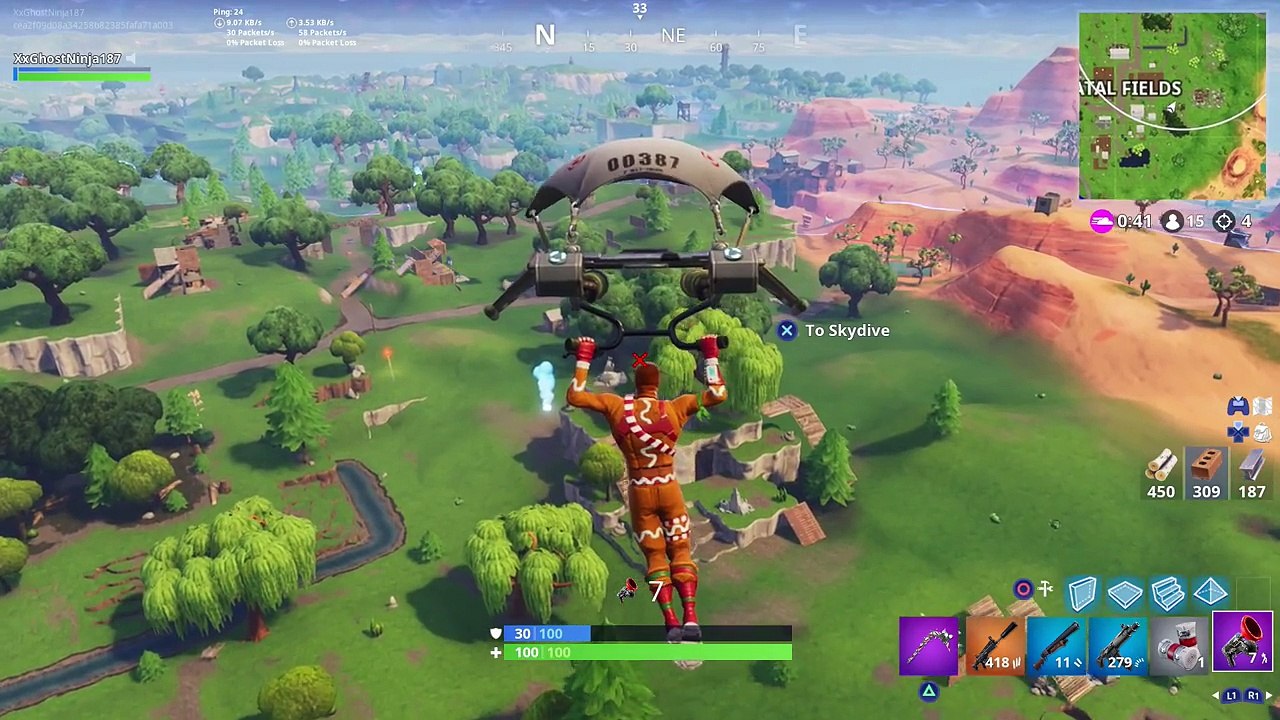
Thirdly, the visual style . While PUBG relied on realism and military aesthetics, Fortnite took a different path: cartoonish graphics, bright colors, light atmosphere. This immediately made the game accessible to a wider audience, including teenagers and streamers who value spectacular content.
Finally, updates and events . PUBG was slow to release content, but Fortnite offered a completely different rhythm. Constant seasons, new modes, and big events turned the game into a living platform, not just a shooter. This kept viewers coming back again and again.
Thus, Fortnite stood out not for its technical accuracy or realism, but for its fresh ideas and correct strategic decisions. This is what allowed it to bypass its competitors and take the lead in the genre.
Unique construction mechanics
When I talk about the main difference between Fortnite and all other games in the battle royale genre, I primarily mean real-time construction . This mechanic has become the hallmark of the project and has changed the usual scenario of battles.
Instead of relying solely on shooting and finding cover, players were given the ability to build walls, ladders, and platforms as they fought. This created a whole new level of dynamics: not only did you have to shoot accurately, but you also had to make quick decisions, build smartly, and defend yourself.
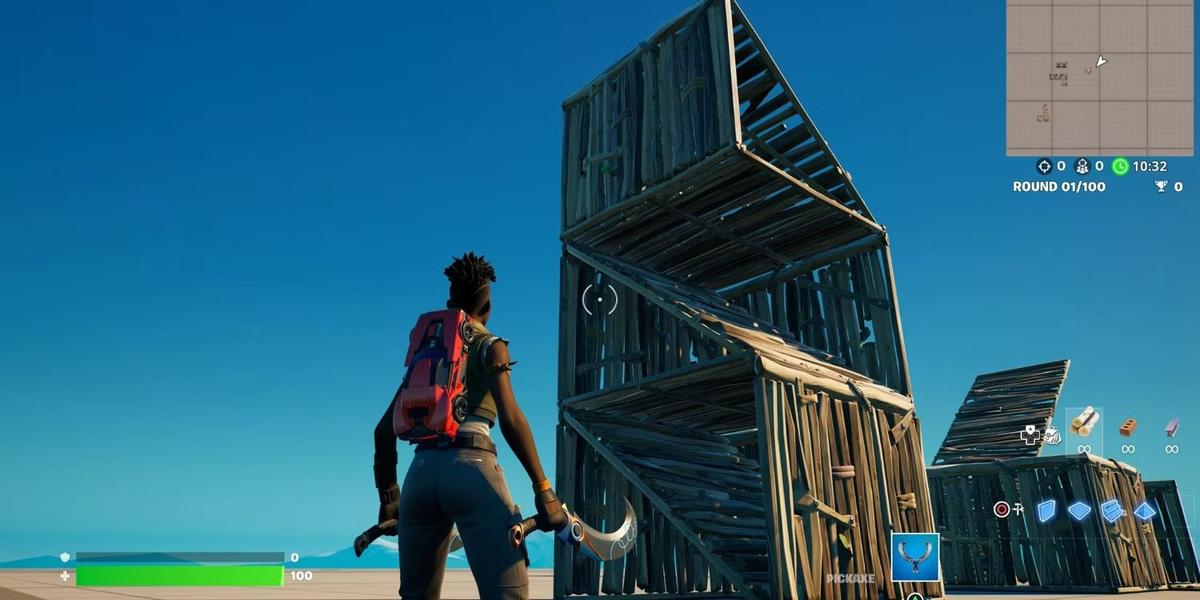
This has made Fortnite a game where building skills are just as important as shooting accuracy. Moreover, it is this mechanic that has given rise to a unique style of eSports matches – high-speed “building duels” that look spectacular and keep the viewer in suspense until the last second.
In addition, building allowed each player to develop their own tactics. Some placed traps in unexpected places, others built towers to control the map, and others used ladders to instantly change positions. Such scope for creativity made Fortnite not just a shooter, but an arena for self-expression.
Therefore, we can confidently say: it was the construction mechanics that turned Fortnite from an ordinary battle royale into a unique and strategically deep project that no competitor has been able to repeat to this day.
Visual style and atmosphere
One of the reasons Fortnite stands out from other games is its unique visual style . When I first saw Epic Games’ project, it was obvious that the focus was not on realism, but on brightness and accessibility. Instead of the dark tones and gritty weapon models of PUBG, here you have cartoonish graphics, saturated colors, and slightly caricatured characters.
This decision turned out to be strategically correct. Fortnite immediately became closer to a wider audience, including teenagers and stream viewers. The game did not look scary, but rather friendly, which paved the way for mass popularity. At the same time, the dynamics of battles only benefited from this: explosions, effects and animations looked impressive, but did not overload the perception.
In addition, the visual style allowed Epic Games to implement large-scale collaborations . Skins of Marvel superheroes, Star Wars heroes or DC characters fit in organically thanks to the cartoon aesthetics. Other battle royale projects simply could not afford such flexibility – realism there limited creativity.
As a result, Fortnite became not just a game, but a part of pop culture. The atmosphere of lightness, humor and spectacle made it an ideal platform for eSports, streaming and mass events. And it was the visual style that largely became the detail that helped the project maintain its leadership.
Fortnite Tournaments
Fortnite World Cup 2019 – Record Prize Money
When it comes to the Fortnite esports scene, I always start with the Fortnite World Cup 2019 . This event was a landmark not only for the game itself, but for the entire industry. The tournament took place in New York, at Arthur Ashe Stadium, and brought together the best players from all over the world.
The main fact that made this championship legendary was the prize money of $30 million . For 2019, this was a record amount in the history of eSports. Such a budget immediately brought Fortnite to the same level as the largest disciplines, such as Dota 2 and League of Legends.
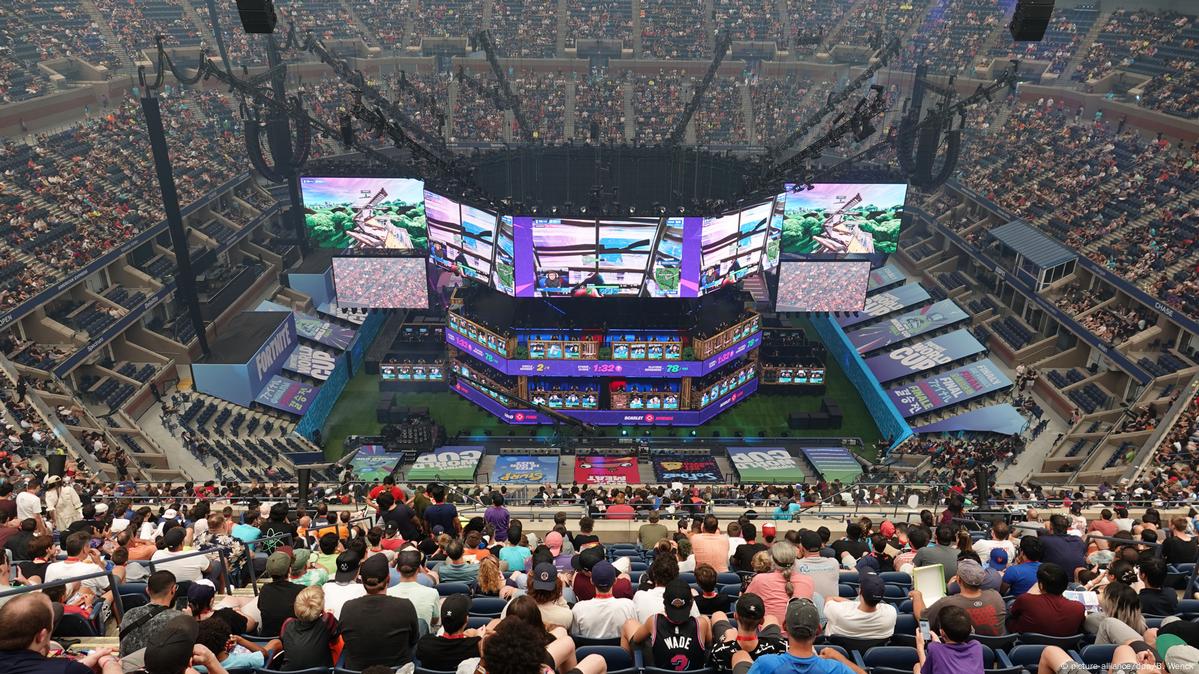
The biggest resonance was caused by the victory of the American player Kyle Giersdorf (Bugha) in the single discipline. He took the main prize of 3 million dollars , which instantly made him a symbol of Fortnite’s success and showed everyone that the game can change the life of an eSports athlete. At that moment, even those who had not followed the games before recognized the name Bugha.
It is also worth noting the team competitions, as well as the disciplines in pairs. The tournament was organized with the highest level of production: broadcasts, commentators, stage – everything corresponded to the scale. This proved that Fortnite is capable of competing in terms of entertainment and organization with the most experienced eSports projects.
Thus, Fortnite World Cup 2019 became a turning point : the game finally established itself as a full-fledged eSports discipline, and its popularity went far beyond the gaming community.
Fortnite Majors 2020-2024
After the triumph of the 2019 World Cup, many expected the event to be repeated annually, but Epic Games took a different path. I watched as the company gradually rebuilt the Fortnite esports ecosystem. The bet was made not on a single grand tournament, but on a series of regular events with large prizes.
First, the Fortnite Champion Series (FNCS) was launched in 2020. This format became the game’s premier esports competition. Each season’s prize pool was about $20 million per year , distributed among regions and stages. This approach gave players from all over the world a chance to prove themselves, not just the elite.
Secondly, in 2021-2022, FNCS has finally established itself as the flagship of the Fortnite esports scene. Regularity and a transparent selection system have made the discipline more stable. I have seen new names come to the fore, while the “stars” of the 2019 World Cup gradually lose ground.
Finally, in 2023–2024, Epic Games increased its focus on international LAN events . The return of offline tournaments after pandemic restrictions was an important step: viewers were once again able to experience the atmosphere of live arenas, and players were able to feel the pressure of the stage. The FNCS Global Championship 2023 , which took place in Copenhagen with a prize pool of $4 million , was especially notable .
So over the years, Fortnite has shown that it is not going to limit itself to one big tournament. Instead, the game has gained a sustainable esports infrastructure where new generations of players can earn millions and build a career.
Fortnite Player Earnings
How much did Bugha and other champions earn?
In the history of Fortnite, it is the winners of the championships who have become symbols of “big money” in esports. I remember well how in 2019, at the Fortnite World Cup, the name of Kyle “Bugha” Giersdorf thundered around the world. The teenager from the USA took home the main prize — $3 million for winning the single-player discipline. This was not just a record for the game, but a turning point for the entire industry: media around the world wrote about “a schoolboy who became a millionaire overnight.”

The results in team modes were no less impressive. In duets, Aqua and Nyhrox became champions, sharing $3 million between them . Rojo and Wolfiez took second place , receiving a total of $2.25 million . For young players, these were truly fateful victories, turning them from little-known nicknames into world stars of eSports.
Thus, it was the Fortnite championships that brought the biggest resonance. They showed millions of viewers that the game could be not just entertainment, but a real way to make a fortune. And it was these big stories – Bugha with his three million, duets with millions for two – that cemented Fortnite’s image as a discipline “where the big money is”.
Top Fortnite Players by Prize Money
If we look at the whole picture, then by 2024 a clear list of leaders in total earnings in Fortnite has formed. I will only give the key figures so that it is clear who really holds the top of the rating.
- Bugha (USA) – about $3.6 million , absolute leader and face of the discipline.
- Aqua (Austria) – over $2 million , one of the most stable players in Europe.
- TaySon (Slovenia) – approximately $1.3 million , multiple FNCS winner.
- Nyhrox (Norway) – more than 1.5 million dollars , remains among the top in Europe.
- Wolfiez (UK) – around $1.3 million , one of the most recognizable players in the region.
- Mero (USA/Canada) – over $900k , leader of the North American FNCS scene.



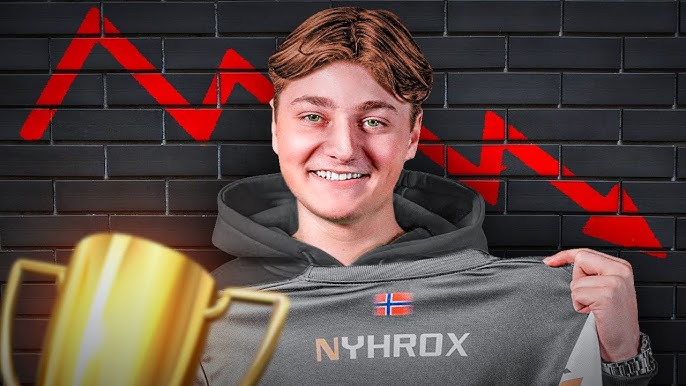


It’s important to note that most of these players didn’t make it overnight, but through regular victories in FNCS and regional tournaments. Unlike Bugha, whose success is tied to the historic championship, other gamers have proven that Fortnite can be built on consistent results.
Thus, the rating shows that Fortnite has managed to create a full-fledged ecosystem, where dozens of players have earned millions of dollars. And this is not a one-time surge, but a stable market comparable to the largest eSports disciplines.
Fortnite Earnings Comparison with Other Games
When I compare Fortnite player earnings to other disciplines, it becomes clear that Epic Games has managed to put the game on par with the esports giants.
First, it is worth remembering Dota 2. It is there that The International series tournaments are held , where prize pools exceed 40 million dollars . But it is important to note: such amounts are concentrated in one event, and during the year, average Dota 2 tournaments do not provide players with such a stable income.
Secondly, League of Legends . The overall prize pool is smaller here – around $2-3 million for the World Championship, but players receive large salaries from clubs and sponsors. In Fortnite, the situation is the opposite: there are no salaries as such, but the prize money is funded directly and often distributed across multiple regions and FNCS stages.
Thirdly, CS:GO (now CS2) . There, players’ incomes are made up of salaries in organizations, prizes, and contracts. Fortnite, on the other hand, has focused on prize and creative events from the very beginning. This allowed young players to earn millions without the support of clubs.
Thus, Fortnite occupied a unique niche. In terms of total prize money, it is inferior to Dota 2, but wins due to the wide base of tournaments and accessibility for new players. And it is this factor that made the game attractive to teenagers and novice e-sportsmen: unlike LoL or CS, here you can shoot up and get into the top earners in a short time.
Fortnite Events and Collaborations
Fortnite Concerts: Travis Scott, Ariana Grande
When I talk about cultural events inside Fortnite, I always start with the Travis Scott concert . In April 2020, the game turned into a full-fledged concert venue: the rapper performed in the virtual arena, and the show was watched by more than 12 million viewers in the game at the same time, and over 45 million including replays. This was the first time that a music event in a virtual environment had reached such a scale. According to analysts, Travis Scott himself earned about $ 20 million from this collaboration – including a fixed fee and income from the sale of in-game skins.
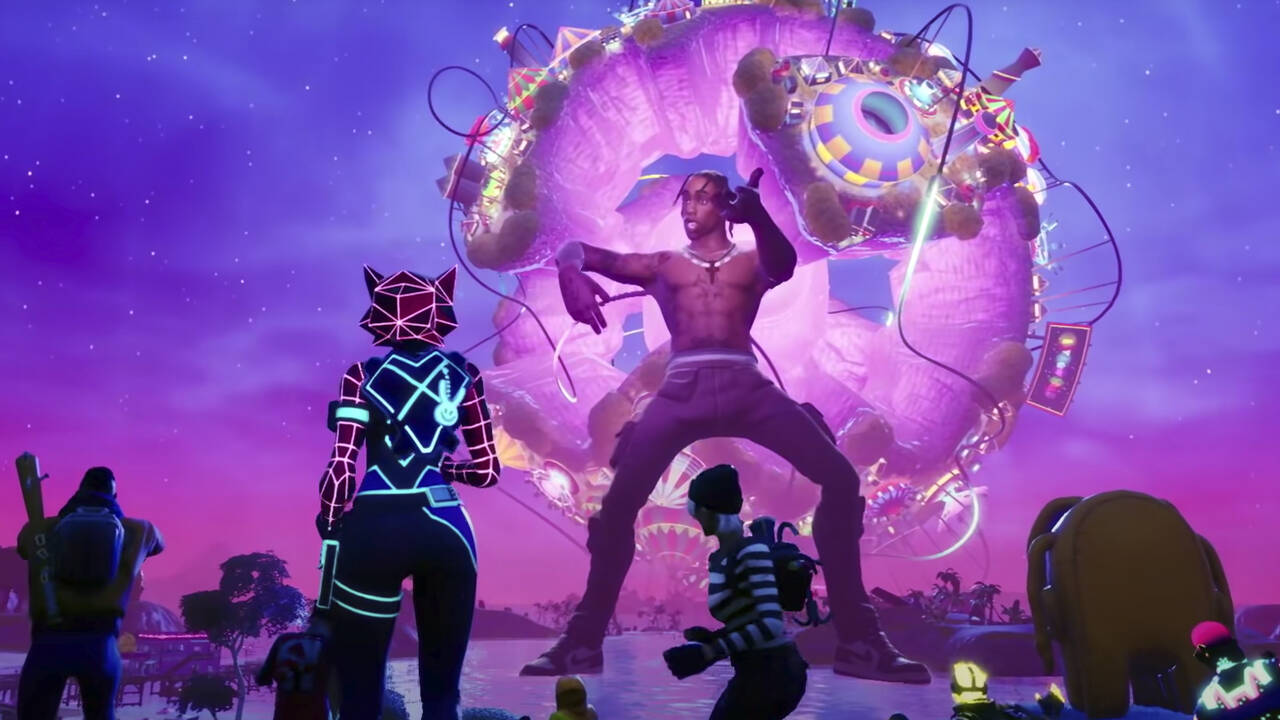
Epic Games then cemented its success by inviting Ariana Grande . In August 2021, the Rift Tour event took place, where the singer presented a colorful show with a fully developed avatar. The format was even more ambitious: several performances on different days to reach the maximum number of players around the world. The company did not disclose the exact figures for her income, but industry sources indicated that the fee could exceed $ 10 million , taking into account exclusive skins and tickets to virtual concerts.

In comparison, offline performances of top artists gather tens of thousands of viewers, but Fortnite showed a completely different scale – millions in real time and record sales of in-game content. These concerts became not just entertainment events, but proved that the game is capable of competing with the traditional entertainment industry and bringing artists comparable and sometimes greater income.
Fortnite Collaborations with Marvel, DC, and Star Wars
When it comes to Fortnite collaborations, the ones with Marvel, DC, and Star Wars have been the most high-profile and lucrative. Epic Games has managed to turn the game into a platform where comics, movies, and music meet, and fans are willing to spend millions on in-game content.
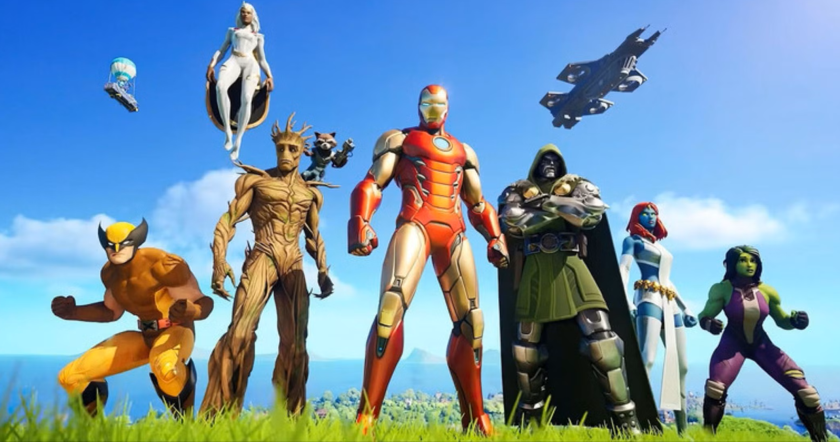
The first truly large-scale example was the collaboration with Marvel . In 2018, during the release of the movie Avengers: Infinity War , Fortnite introduced a temporary mode featuring the character Thanos . This was just the first step. In 2020, Epic Games launched a full-fledged Marvel-branded season: Iron Man, Spider-Man, Wolverine, Thor , and other heroes appeared in the game. According to Sensor Tower, it was the Marvel season that gave Fortnite one of its peak revenue jumps — over $1.2 billion per year , a significant portion of which came from selling skins.
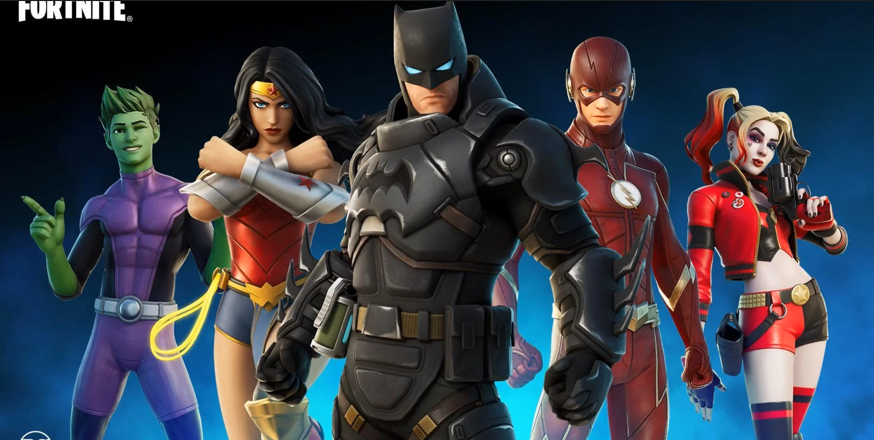
At the same time, there were collaborations with DC Comics . Fortnite added Batman, Joker, and Harley Quinn skins , and a separate event with a Gotham map was launched for the release of The Batman movie in 2022. Epic does not disclose exact figures, but analysts point out that DC sets were among the top 10 best-selling skin collections in the history of the game.
Finally, Star Wars . The first appearance happened in December 2019 — an exclusive premiere of a scene from the film The Rise of Skywalker took place right in Fortnite . At the same time, skins of Rey, Kylo Ren, Stormtroopers became available to players , and later even the Mandalorian and Darth Vader were added . These collaborations turned out to be especially profitable, as they were synchronous with the releases of Disney+ and new films. Disney and Epic did not disclose the exact amounts, but experts estimated Fortnite’s revenue growth during this period by 20-25% , which in recalculation gave hundreds of millions of dollars.
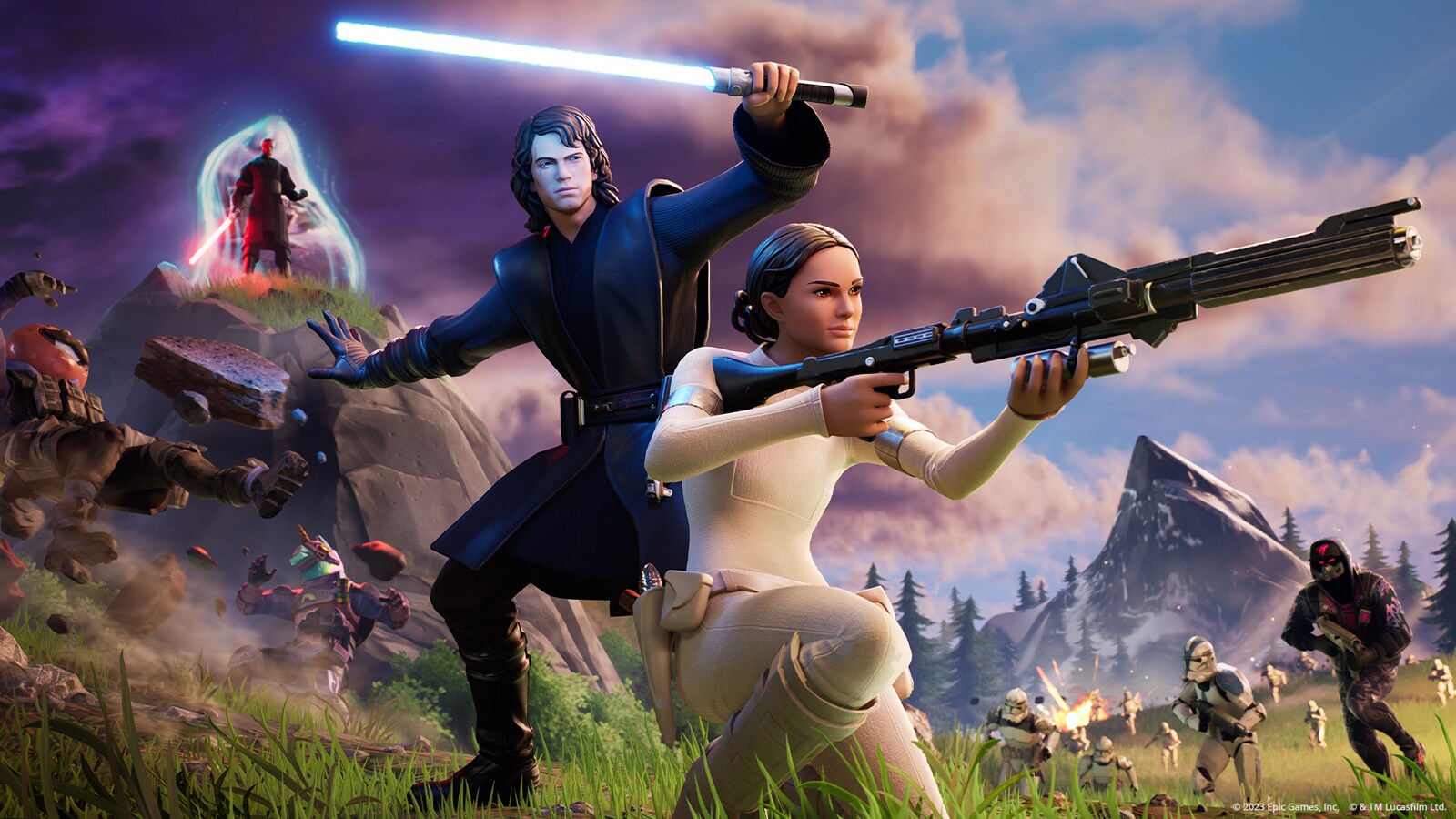
Marvel, DC, and Star Wars have turned Fortnite into a universal media platform where players don’t just fight, but become part of global franchises. For publishers, it’s a new channel for promoting films and TV series, and for Epic, it’s a huge source of income, strengthening the game’s leadership in the industry.
Popular Crossovers in Fortnite
Beyond Marvel, DC, and Star Wars, Fortnite has hosted dozens of other high-profile crossovers that have drawn fans of a wide range of franchises into the game. I’ve watched as each new integration has turned into an event and earned Epic Games millions of dollars.
First, it’s worth noting the anime collaborations. In 2021, Naruto Shippuden appeared in the game : players could purchase Naruto, Sasuke, Sakura, and Kakashi skins. This event became one of the most talked about and brought Fortnite to the top trends in Japan and the United States. In 2022, the crossover expanded with Dragon Ball Z – Goku, Vegeta, Bulma, and Bizu were added to the game. Epic does not disclose official figures, but according to analysts at AppMagic, it was the Dragon Ball event that increased Fortnite’s mobile revenue by more than 60% in August 2022 .

Secondly, Fortnite brought TV series. In 2019, they added a collaboration with Stranger Things , when portals from the “other side” opened on the map, and players got access to Demagoragon and Sheriff Hopper skins. It was a unique example: a Netflix show got a promo right inside the game, and fans got exclusive content.
Thirdly, Fortnite actively collaborates with gaming brands. Over the years, the game has featured Kratos from God of War , Master Chief from Halo , Lara Croft , characters from Street Fighter, and even Jill and Chris from Resident Evil. Such collaborations have shown that Fortnite is capable of uniting different gaming universes under one roof.
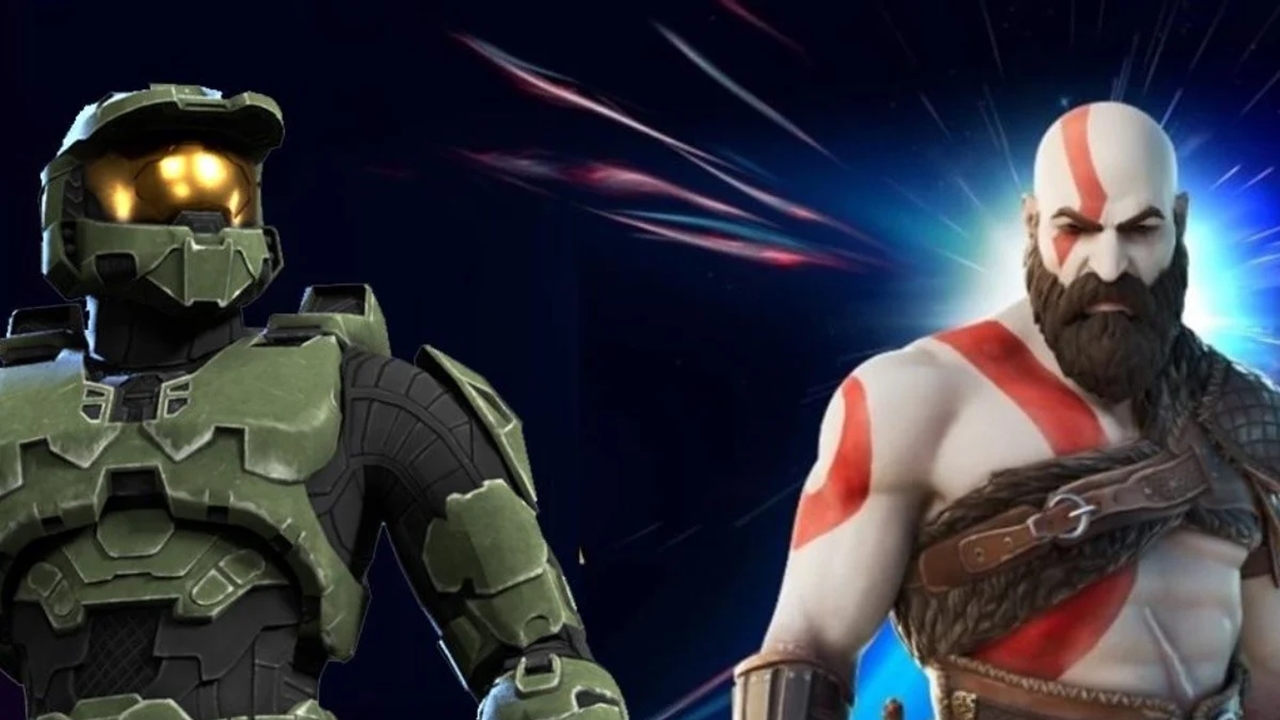
Thus, crossovers turned Fortnite into a universal pop culture hub . Each new event – be it anime, movies or games – brought in millions of skin sales and increased the effect of Fortnite’s presence in the world culture. And it is this strategy that keeps the project on top, despite the growing competition.
Fortnite In-Game Purchases: Most Expensive Skins and Sales
Fortnite has become a true benchmark in the field of in-game purchases. The game is distributed for free, but it is the sale of skins, emotes, and battle passes that brings Epic Games billions of dollars. According to analysts, in 2019 alone, the game brought in more than $ 1.8 billion in revenue , and by 2022, total revenue will exceed $ 9 billion .
The most popular are battle passes . Each season, players pay around $10 to access unique skins and rewards. With millions of passes sold each season, they have become the game’s main source of ongoing revenue.
However, it was the limited skins that became a status symbol within the game. For example:
- The Galaxy skin , available only to owners of the Samsung Galaxy Note 9 and Tab S4 smartphones, was valued in the thousands of dollars on the secondary account market .
- The Ikonik kit , which comes bundled with a Samsung Galaxy S10 phone, also sold for hundreds of dollars.
- The Renegade Raider skin , only available at the game’s launch in 2017, has become a true legend. Accounts with it on resale sites have reached prices of 5-8 thousand dollars .
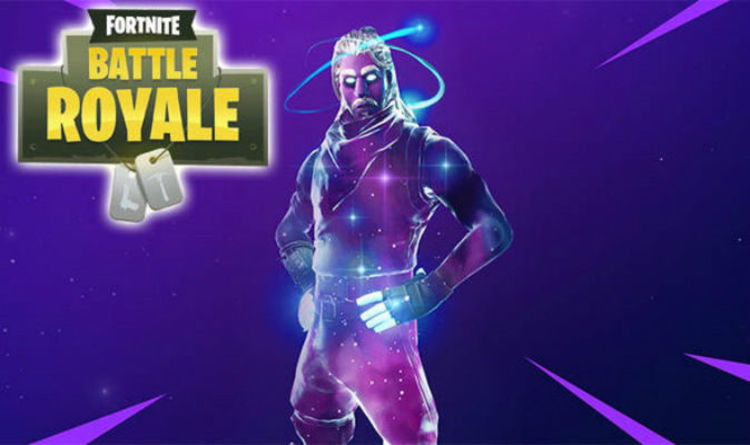
In addition, special attention should be paid to concerts and collaborations. Travis Scott skins increased in price several times after his event – collectors resold accounts with him for several hundred dollars. The same thing happened with Ariana Grande, Marvel and DC skins.
Thus, Fortnite has created a unique ecosystem where in-game items have become digital assets . For some players, this is a way to stand out on the battlefield, for others, it is an investment: rare skins become more expensive over time, and accounts with them become objects of purchase and sale for real money.
Fortnite Controversies and Conflicts
Lawsuit with Apple and Google over the App Store
When I talk about the biggest Fortnite controversies, the one that always comes first is Epic Games’ conflict with Apple and Google. It wasn’t just a commission dispute — it was an open standoff where Epic was trying to challenge the rules of the entire industry.
In August 2020, Epic Games decided to go for a direct confrontation: in the mobile version of Fortnite, the developers implemented their own payment system, allowing them to bypass the 30% commission that Apple and Google took for all purchases in their stores. The reaction was immediate – Fortnite was removed from the App Store and Google Play .
Epic was ready. That same day, the company filed a lawsuit against both corporations and launched an in-game parody video called Nineteen Eighty-Fortnite , which mocked Apple in a similar way to their iconic 1984 ad. Epic was essentially saying, “We won’t comply.” It looked like a digital revolution.
But the reality turned out to be harsher. After months of litigation, a US court partially sided with Apple: Fortnite never returned to the App Store, and Epic itself lost millions of mobile players. The court recognized Apple’s right to charge a commission, although it ordered the company to give developers the opportunity to use alternative payment methods.
Ultimately, this conflict showed that even a giant like Epic Games could not break the rules of the market. However, the action itself became a loud signal: discontent with the monopoly of mobile stores is brewing in the industry, and Fortnite found itself at the center of this fight.
It’s provocative to say that Epic wanted to be a hero by challenging the system, but ended up losing. Although it was this scandal that forever cemented Fortnite’s image as a game willing to bend the rules for the sake of its players and its revenue.
Fortnite Donation and Pay to Win Criticism
When it comes to donations in Fortnite, I always emphasize: Epic Games has chosen the most competent strategy. Unlike many other games, all in-game purchases here are cosmetic . Skins, emotes, graffiti, weapon wraps – none of this gives a direct advantage in combat.
However, it was this model that caused a lot of discussions. On the one hand, players value honesty: to win, you don’t need to buy “imbecile weapons” or hidden bonuses. On the other hand, the prices for skins and exclusive sets are sometimes shocking. You can pay up to $20 for one rare costume , and all $100 for a collection . For a teenage audience, these are serious amounts, and parents often complained about their children’s sudden spending.
The controversy has been particularly loud since the introduction of battle passes . They are inexpensive — about $10 per season — but they have become the game’s main “engagement trap.” Millions of players around the world buy passes to avoid missing out on unique skins and emotes. Epic has essentially built FOMO (fear of missing out) into the game, and this strategy has made billions.
Critics call this a soft form of Pay to Win: even if purchases do not directly affect the outcome of the battle, the player feels psychological pressure – “without skins you are not in trend.” This is especially noticeable in the eSports environment: professionals almost always perform in unique outfits, creating a desire for fans to spend money.
Thus, donation in Fortnite cannot be called a classic “Pay to Win”. But from a marketing point of view, it has become the most effective weapon of Epic Games : players pay not for winning, but for belonging to the community and the opportunity to stand out. And it is this model that allowed Fortnite to earn more than many projects with direct donation in the game mechanics.
Conclusion
Fortnite was a game that revolutionized the industry and set new standards. It proved that a free project can bring in billions and simultaneously create a world-class eSports scene.
It’s clear to me that Fortnite’s strength is that it always goes beyond its competitors, whether it’s tournaments, concerts, or big collaborations. That’s why the game has remained relevant for so many years.
I’m confident that Fortnite will continue to grow. It’s already part of the culture, and its influence on esports and entertainment will continue to shape the game for a long time to come.
FAQ
Who created Fortnite and when did it launch?
Epic Games, led by Tim Sweeney, developed Fortnite. Save the World launched in July 2017, followed by the free Battle Royale mode in September 2017.
What makes Fortnite different from PUBG and other BR games?
The key differences are free-to-play from the start, real-time building mechanics, and colorful cartoon-style visuals that appeal to a wider audience.
Why did Fortnite blow up worldwide?
Zero entry cost, constant weekly updates, streamer-friendly style, and headline in-game events helped it become a global cultural phenomenon.
How does building impact competitive play?
Building introduces fast tactical duels where editing and creativity matter as much as shooting accuracy, making Fortnite esports unique to watch.
What was special about the Fortnite World Cup 2019?
It featured a record $30M prize pool. American player Bugha won $3M in solos, instantly becoming the global face of Fortnite esports.
What is FNCS and why is it important?
The Fortnite Champion Series (FNCS) runs every season, with millions in prize pools across regions, creating a stable competitive ecosystem.
Who are the top Fortnite earners?
Bugha (~$3.6M) leads, followed by Aqua, TaySon, Nyhrox, Wolfiez, and Mero—many built their success through consistent FNCS wins.
How big were the Fortnite concerts?
Travis Scott’s 2020 show hit over 12M live viewers, while Ariana Grande’s 2021 Rift Tour reached millions worldwide with multiple showtimes.
Which collaborations drove Fortnite’s biggest sales?
Marvel seasons, Star Wars drops, DC Comics skins, and anime crossovers like Naruto and Dragon Ball brought massive revenue spikes.
Is Fortnite pay-to-win, and what about the Apple/Google lawsuit?
All purchases are cosmetic, so it’s not pay-to-win. In 2020 Epic clashed with Apple and Google over app store fees, leading to Fortnite’s removal from their stores in many regions.