Hello, my name is Ethan Cole. I’ve been following the evolution of competitive shooters and esports for years, and one game that has truly reshaped the scene is Valorant. Developed by Riot Games, it quickly became more than just another tactical shooter — it turned into a global esports phenomenon.
In this guide, I’ll walk you through everything you need to know about Valorant: how it was created, what makes its gameplay unique, the rise of its esports scene, the top players and teams dominating tournaments, and where the game is heading in the future. Whether you’re a casual player, a fan of esports, or someone curious about the gaming industry, this article will give you the full picture of Valorant from day one to today.
What Is Valorant
Core Gameplay and Genre
When people ask me what kind of game Valorant is, I usually describe it as a tactical first-person shooter with hero-based abilities. At its core, it follows the same competitive logic as classic shooters like Counter-Strike: two teams of five fight over objectives, one side attacking and the other defending. But what makes Valorant unique is how it blends precise gunplay with character-driven abilities.
Each match is divided into rounds. Attackers try to plant a device called the Spike, while defenders must stop them or defuse it. The economy system adds another layer: players earn credits by winning rounds, getting kills, or planting the Spike, and then spend those credits on weapons, armor, and abilities. This structure creates constant strategic trade-offs — save your money for a stronger buy later or risk it all to swing momentum now.
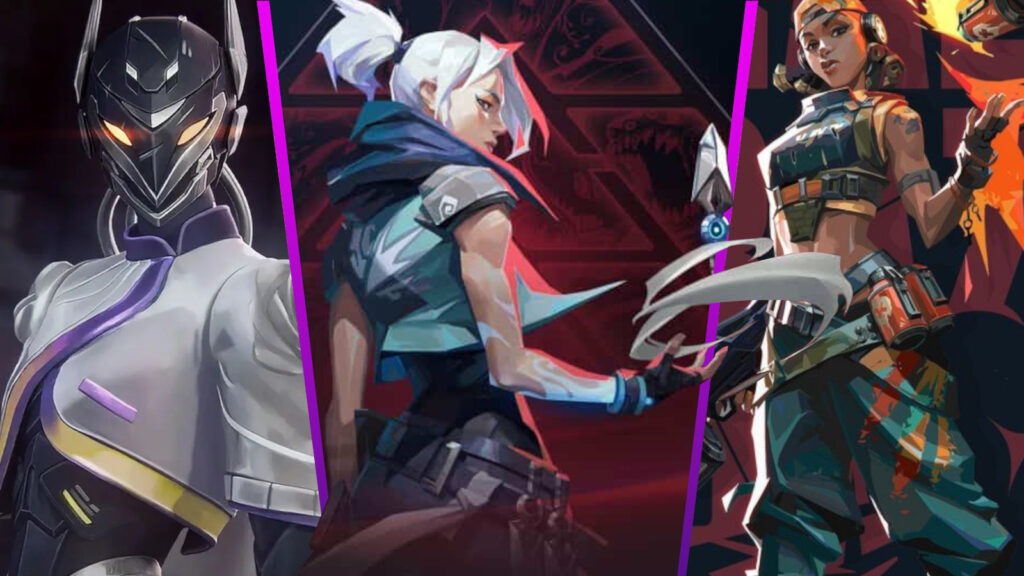
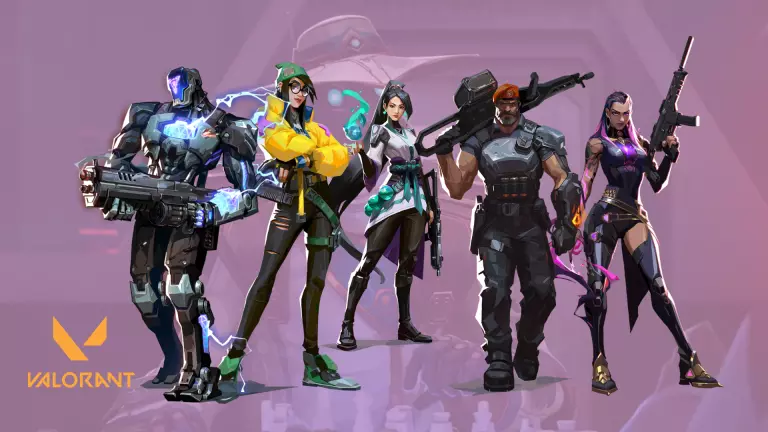
Unlike traditional shooters, every player picks an Agent, each with a specific role: Duelists push aggressively, Controllers manage map space with smokes, Initiators set up entries with utility, and Sentinels lock down areas with defensive tools. These roles aren’t just flavor — they define how teams coordinate and win rounds.
The genre itself can be described as a hybrid: it’s part tactical shooter, part hero shooter. That mix is why Valorant exploded in popularity. It rewards sharp aim and reflexes, but it also demands smart teamwork, creative ability usage, and round-to-round decision-making. In other words, you can’t just play Valorant as a shooter — you have to play it as a complete tactical experience.
Why It Became Popular
From the moment Valorant was announced, it felt like Riot Games knew exactly what players were looking for. The FPS community had long been split between pure aim-focused shooters like Counter-Strike and ability-heavy games like Overwatch. Valorant landed right in the middle, giving players the best of both worlds.
The first reason it took off was accessibility. The game runs smoothly even on mid-tier PCs, which meant that players around the world could join without needing expensive hardware. Riot also built servers in multiple regions and focused heavily on low-latency netcode, so competitive matches felt stable from day one.
The second factor was the balance of skill sets. If you’re a sharpshooter, you can dominate with aim. If you’re more strategic, you can excel by using agents’ abilities to control space or support your team. This balance allowed players with different strengths to feel valuable, making the game appealing to a wider audience.
And then there’s Riot’s ecosystem. They already had years of experience running League of Legends as one of the biggest esports in the world. When Valorant launched, Riot wasted no time in organizing official tournaments, courting top streamers, and creating a clear competitive roadmap. For players and viewers alike, it was obvious that Valorant wasn’t just another shooter — it was built to be a long-term global esport.
That combination of smooth gameplay, accessibility, and esports ambition explains why Valorant didn’t just become popular — it became a cultural force in competitive gaming almost overnight.
History of Development
Riot Games as Creator
When Riot Games revealed that they were working on a tactical shooter, a lot of people — myself included — were surprised. This was the studio known almost entirely for League of Legends, a game that dominated the MOBA genre and esports scene for over a decade. Riot had no track record in the FPS space, but they had something even more important: the resources and long-term vision to build a competitive ecosystem from the ground up.
Riot’s approach to Valorant was methodical. They studied what players loved and hated about tactical shooters. They looked at issues like cheating, unstable servers, and balance problems that plagued other games. Instead of rushing a flashy product to market, Riot focused on building trust with competitive players. They promised three things: strong anti-cheat measures, reliable performance even on modest hardware, and a clear commitment to esports.
What stood out to me was how Riot positioned Valorant not just as a game, but as a platform. From day one, they talked about agents, new maps, and seasonal updates, showing that this wasn’t going to be a static experience. Riot wanted to create a shooter that could evolve year after year, just like League of Legends had.
In short, Riot Games stepped out of their comfort zone, but they did it in a way that felt calculated and confident. By leveraging their experience with global communities and competitive infrastructure, they set the stage for Valorant to grow into something far bigger than just a “new shooter.”
Beta Launch and Global Release
I still remember when Riot finally pulled back the curtain on Valorant. In October 2019, they teased the project under the codename Project A. The announcement was short but powerful — Riot wasn’t just experimenting, they were stepping into the FPS arena with serious intent.
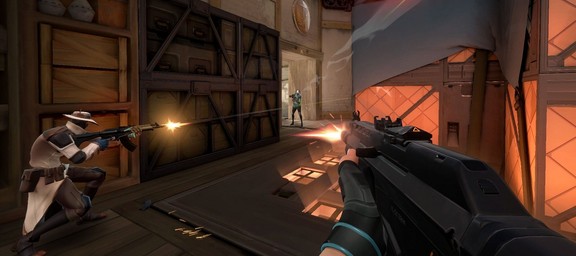
The real turning point came with the closed beta, which launched on April 7, 2020. Access was limited, and the only way in was through Twitch drops. That move turned out to be genius. Suddenly, millions of people were watching streams just for a chance at a beta key, and Valorant exploded on Twitch almost overnight. It wasn’t just hype — players who got in were talking about smooth servers, sharp gunplay, and a real alternative to Counter-Strike.
The official release came on June 2, 2020, less than two months after the beta started. Riot launched with four maps and eleven agents, but more importantly, they delivered a product that felt polished. While many shooters stumble at launch with bugs or server issues, Valorant came out strong. By the end of its first week, it had already secured millions of players across North America, Europe, and Asia.
For me, the beta and launch window proved one thing: Riot knew how to build momentum. They didn’t just release a game; they staged an event that made the entire gaming world stop and pay attention.
Key Gameplay Features
Agents and Abilities
One of the smartest choices Riot made with Valorant was building it around agents instead of anonymous soldiers. Each agent comes with a defined role and a set of abilities that change how rounds are played. From the moment I picked my first character, it was clear that winning wasn’t just about aim — it was about how your team’s abilities worked together.
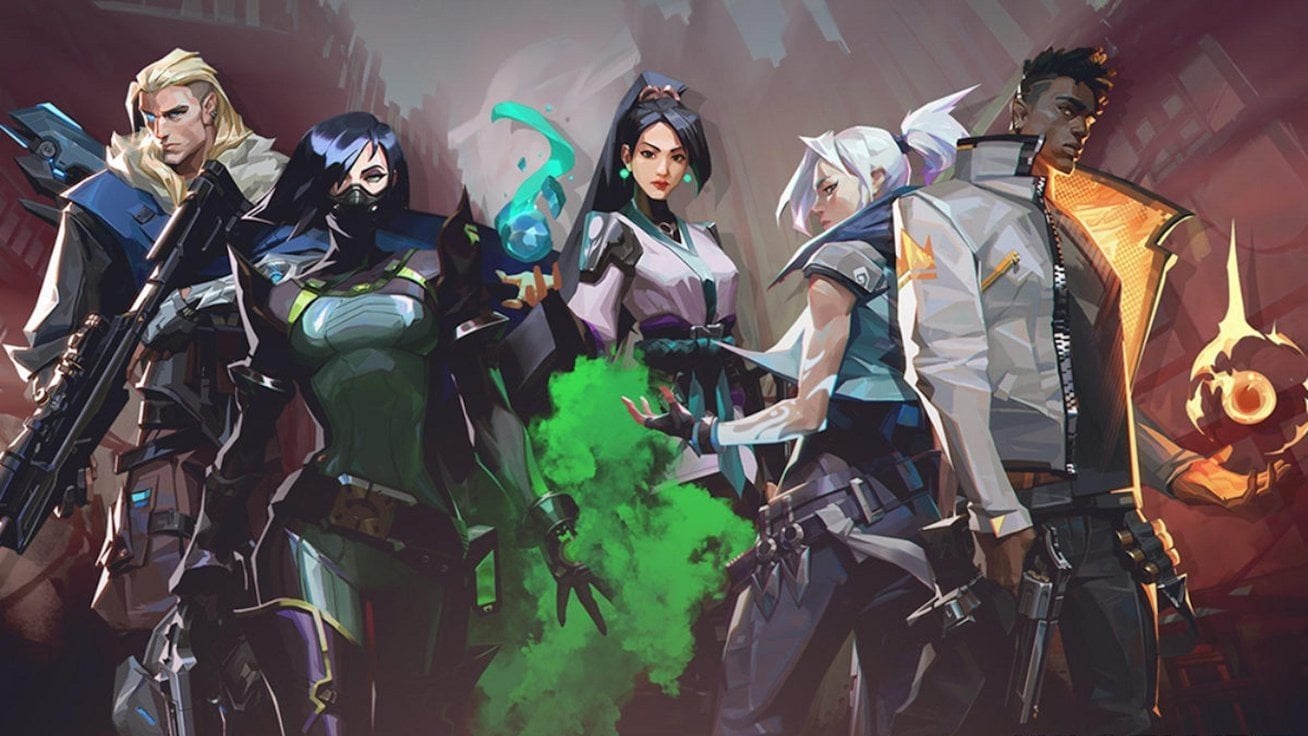
Agents fall into four categories: Duelists, Controllers, Initiators, and Sentinels. Duelists are the entry fraggers, designed to take space and win opening duels. Controllers shape the battlefield with smokes and vision blockers, forcing the enemy into tough positions. Initiators break defenses with tools that reveal, flash, or displace. Sentinels hold ground, locking down flanks and anchoring sites with traps or healing.
Abilities themselves are designed to support gunplay, not replace it. You’ll never win a round by spamming powers — you still need sharp aim. But a well-timed flash, smoke, or wall can completely shift the outcome of a fight. That balance is what makes Valorant so addictive: it feels like a pure shooter, yet the layer of abilities gives every round fresh tactical depth.
For me, the genius of Riot’s design is that no agent feels like an “auto-win.” Even the flashiest characters have weaknesses, and good teams exploit those. Choosing the right mix of agents is as strategic as buying the right weapons. That’s why, even years after release, Valorant doesn’t feel stale — every new agent changes the puzzle, forcing players and teams to adapt.
Maps and Tactical Play
When I talk about Valorant with other competitive players, the conversation almost always comes back to the maps. Riot designed them with one clear goal: every map should create unique tactical decisions, not just look different.
At launch, we had Bind, Haven, Split, and Ascent. Bind introduced teleporters that changed rotations instantly. Haven broke the mold by offering three bomb sites instead of two, forcing teams to spread their defense thin. Split became infamous for tight choke points and vertical control, while Ascent focused on open mid-fights and double doors that had to be contested. Each map taught players to adapt their playstyle rather than just run the same strategy.
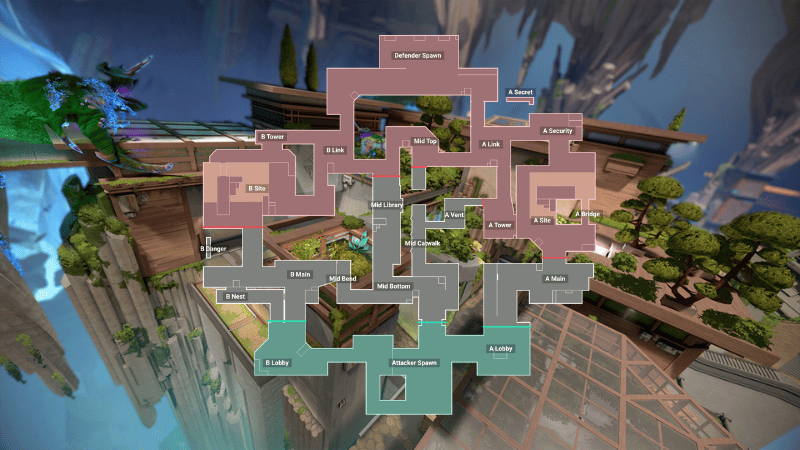
The tactical layer goes deeper with the economy system. Teams don’t just fight over bomb sites — they manage money, decide when to save, force buy, or go all-in. On maps with long sightlines, like Breeze, you might prioritize rifles and ops. On tighter maps like Split, SMGs or shotguns can swing entire rounds.
What I love most is how maps interact with agent abilities. A smoke on Haven’s C-long feels completely different from a smoke on Split’s mid. A Sage wall on Bind can block a site push in seconds, while on Ascent it might cut off mid control entirely. That constant interplay means maps never feel solved. Even pro teams are still finding new setups, new lineups, and new ways to surprise opponents.
Valorant’s maps aren’t just arenas — they’re puzzles. And the fun is that every round, you get to solve them in a new way.
Gunplay and Balance
What hooked me on Valorant from the very beginning was the gunplay. Riot clearly studied Counter-Strike’s formula: first-shot accuracy, controlled spray patterns, and the importance of positioning. But they didn’t just copy it — they fine-tuned it to make every fight feel sharp and punishing.
The shooting model is built around precision and discipline. If you run and spray, you’re going to lose. If you stop, crouch, and control your recoil, you win fights. That simple rule creates high tension in every duel. I’ve seen rounds swing just because one player held their nerve and landed the cleaner shot.
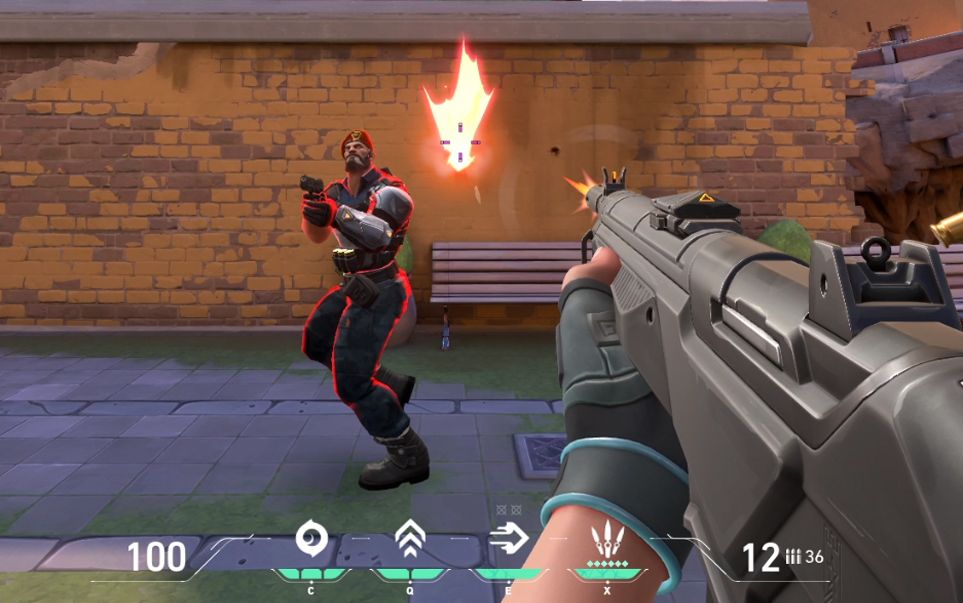
Balance is another area where Riot showed their commitment. Weapons like the Vandal and Phantom sit at the top of the rifle pool, but they reward different playstyles: the Vandal hits harder with consistent damage across ranges, while the Phantom trades power for a silenced spray and better close-range control. Even cheaper guns, like the Sheriff or Spectre, have their moments — especially in eco rounds. Nothing feels useless, and that makes the economy system matter.
Where Riot really impressed me is how they balance gunplay against abilities. No ability can replace a headshot. A perfectly thrown flash might give you an opening, but if your aim is off, you’re not closing the round. That philosophy keeps Valorant firmly rooted in FPS fundamentals.
For me, the balance of Valorant is what makes it stand out. It’s not a game where powers overshadow skill. It’s a shooter first, and everything else — agents, abilities, maps — simply builds on top of that foundation.
Esports and Competitive Scene
First Tournaments and Early Growth
When Valorant launched in mid-2020, it didn’t take long for the competitive scene to form. I remember the very first community events popping up just weeks after release. They weren’t massive productions — most were online, hosted by esports organizations and streaming platforms — but they proved one thing: players and fans were hungry for a new shooter to watch and play at the highest level.
One of the earliest official events was the Ignition Series, launched by Riot in June 2020. Instead of running everything themselves, Riot partnered with established esports orgs like G2 Esports, T1, and FaZe Clan to host tournaments around the world. This approach gave Valorant instant credibility. It wasn’t just a new game; it was a competitive title backed by some of the biggest names in esports.
The growth was explosive. Within months, prize pools reached six figures, and pro players from games like CS:GO and Overwatch started switching over. I remember the shock when big names announced they were leaving established titles to compete in Valorant. That kind of migration doesn’t happen often in esports, and it showed how much faith the scene had in Riot’s long-term vision.
By the end of 2020, Valorant wasn’t just testing the waters — it had already carved out a place on Twitch’s front page and in esports headlines worldwide. The foundation for something bigger was clearly there, and Riot wasted no time in planning the next stage.
Valorant Champions Tour (VCT)
By the start of 2021, Riot had made it clear that Valorant wasn’t just another online shooter — it was designed to be a true esport. That’s when they launched the Valorant Champions Tour (VCT), the official global competitive circuit. For me, this was the moment Valorant went from a fast-growing game to a fully established esport.
The structure of VCT was simple but effective: three tiers — Challengers, Masters, and Champions. Challengers gave local and regional teams a chance to prove themselves. Masters brought the best of each region together on an international stage. And Champions, held at the end of the year, crowned the world’s best team. This clear progression made the scene easy to follow, even for new fans.
What impressed me most was Riot’s global reach. VCT wasn’t just about North America or Europe. From the start, Riot invested heavily in regions like Brazil, Southeast Asia, and Korea. That decision paid off — we saw underdog stories, regional rivalries, and teams from outside the traditional FPS powerhouses making deep runs.
The first Champions tournament in December 2021 set the tone. It had a $1 million prize pool, top-tier production, and matches that instantly became classics. Watching Acend lift the first world championship trophy felt like the start of something big.
For me, VCT showed Riot’s ability to learn from League of Legends esports and apply that knowledge to Valorant. They built a system that gave aspiring players a path to the top while keeping fans engaged year-round. It wasn’t perfect at first, but it proved Riot was serious about making Valorant a global esport with staying power.
Prize Pools and Global Finals
One of the clearest signs of Valorant’s rise as a top-tier esport has been the growth of its prize pools. When the first community events ran in 2020, prize money was modest — often in the tens of thousands. But once Riot fully committed with VCT, the numbers started climbing fast.
The first Valorant Champions in 2021 had a $1 million prize pool. For a game barely a year old, that was a statement. Acend took home the title and instantly set the benchmark for what it meant to be world champions in Valorant.
By 2022, the scale had already grown. The Champions event that year offered around $1.5 million, and the level of production matched that of the biggest esports in the world. The final between LOUD and OpTic Gaming drew massive viewership, peaking at over a million concurrent viewers on Twitch and YouTube combined.
What really stood out to me was the 2023 season. Riot increased support across regions, and the Champions 2023 prize pool hit $2.25 million, with Evil Geniuses coming out on top. It wasn’t just about the money — it was about the legitimacy. These finals had the same scale and weight as Counter-Strike Majors or League of Legends Worlds, which is exactly what Riot had promised from day one.
Every year, the global finals feel bigger, sharper, and more competitive. For players, the growing prize pools make Valorant a sustainable career choice. For fans like me, they deliver the drama and intensity we expect from the very best esports stages.
Players and Teams
Top Professional Players
Whenever I talk about Valorant’s growth as an esport, I always come back to the players who made it what it is. The game wouldn’t have captured the spotlight without the pros who defined its early years and set the standard for competition.
One of the first names that comes to mind is TenZ. He became a star almost overnight during Sentinels’ run at VCT Masters Reykjavik in 2021. His mechanical skill and consistency with rifles made him the face of Valorant in North America. For many casual fans, TenZ was their introduction to what peak Valorant gameplay looked like.
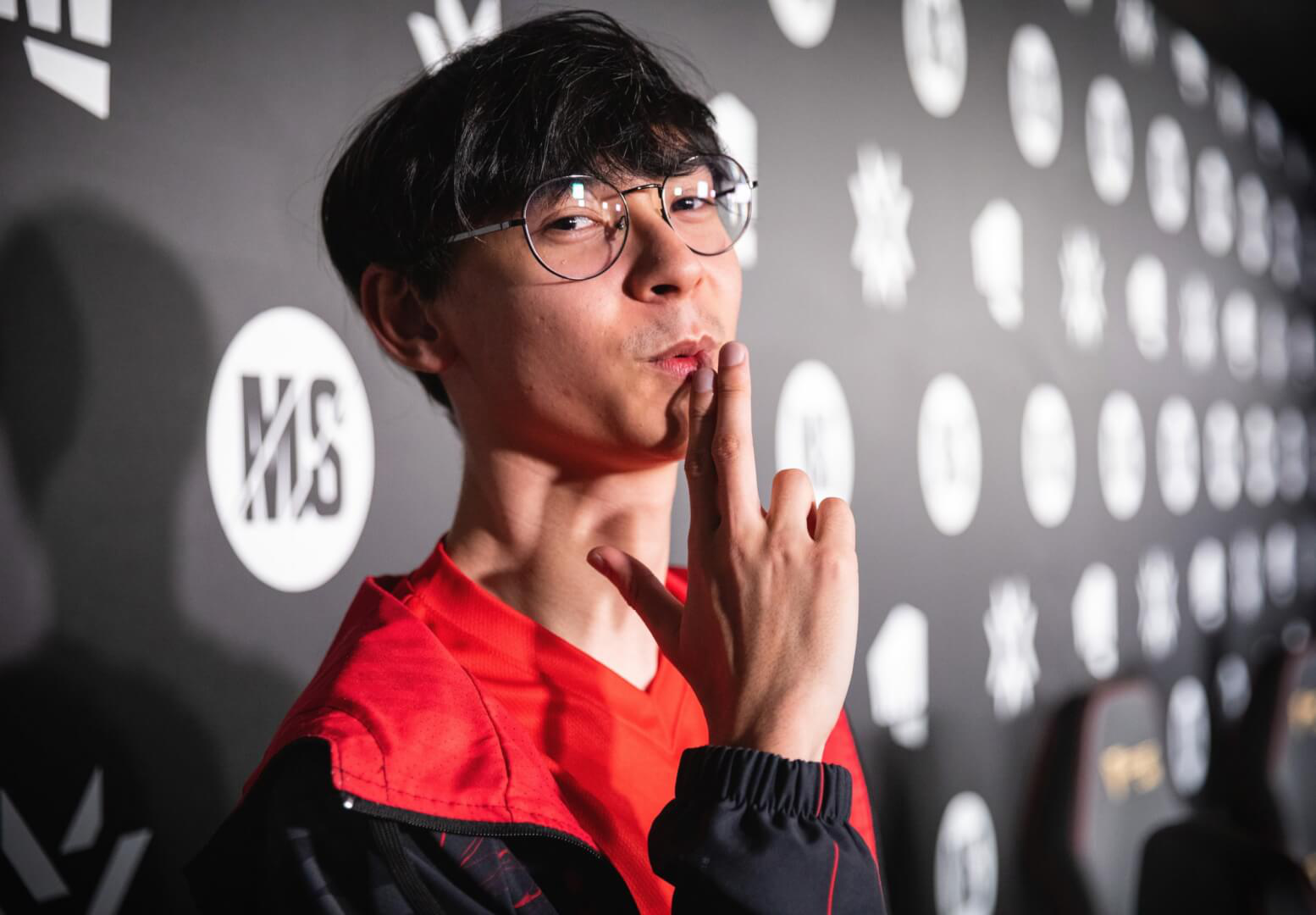
In Europe, Derke from Fnatic has been a constant highlight. His aggressive duelist playstyle turned countless games around, and he became one of the most feared entry fraggers on the planet. What I respect most about him is how he blends raw aim with perfect timing, making him both entertaining to watch and brutally effective in competition.
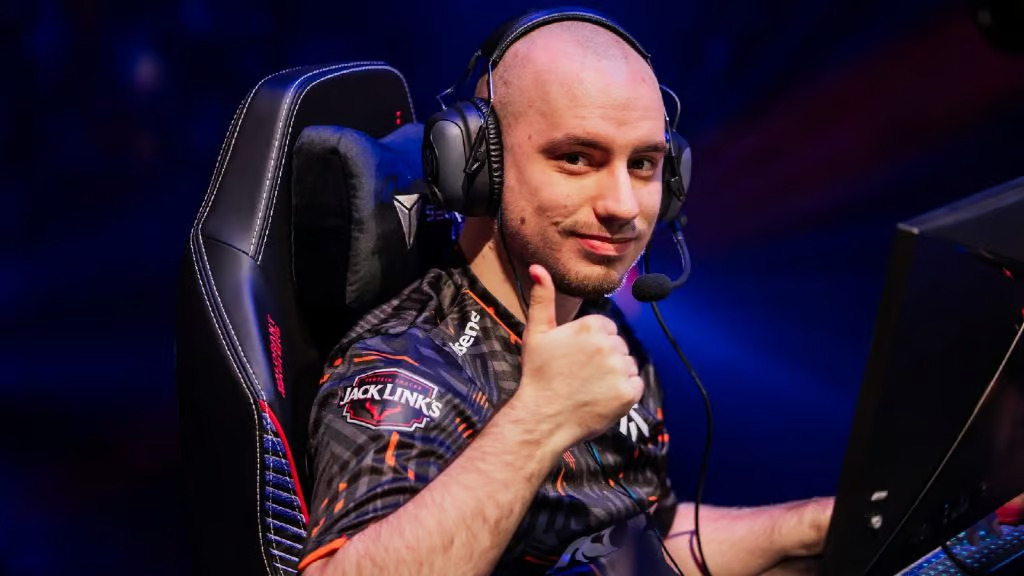
Then there’s aspas from LOUD, who carried Brazilian Valorant to global recognition. When LOUD won Champions 2022, aspas’ performance proved that South America wasn’t just participating — it was competing at the very highest level. His success inspired a whole new wave of players from regions that had often been overlooked in traditional FPS titles.
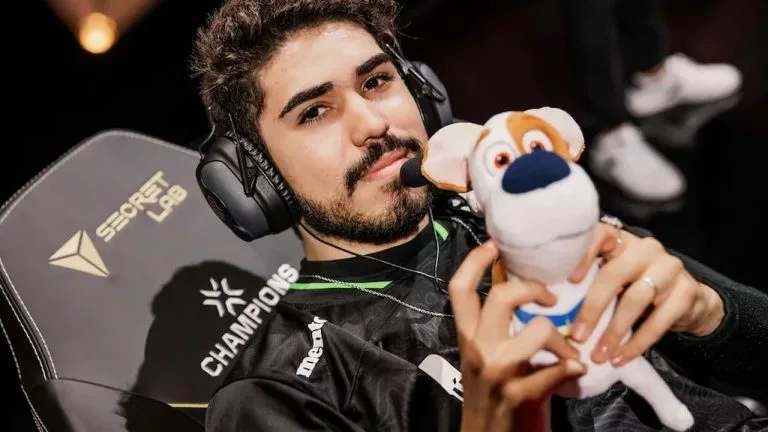
And I can’t leave out yay, often called “El Diablo.” During his peak with OpTic Gaming, his Chamber play was a masterclass in positioning and confidence. He wasn’t just winning duels; he was redefining how the agent could be used at the top level.
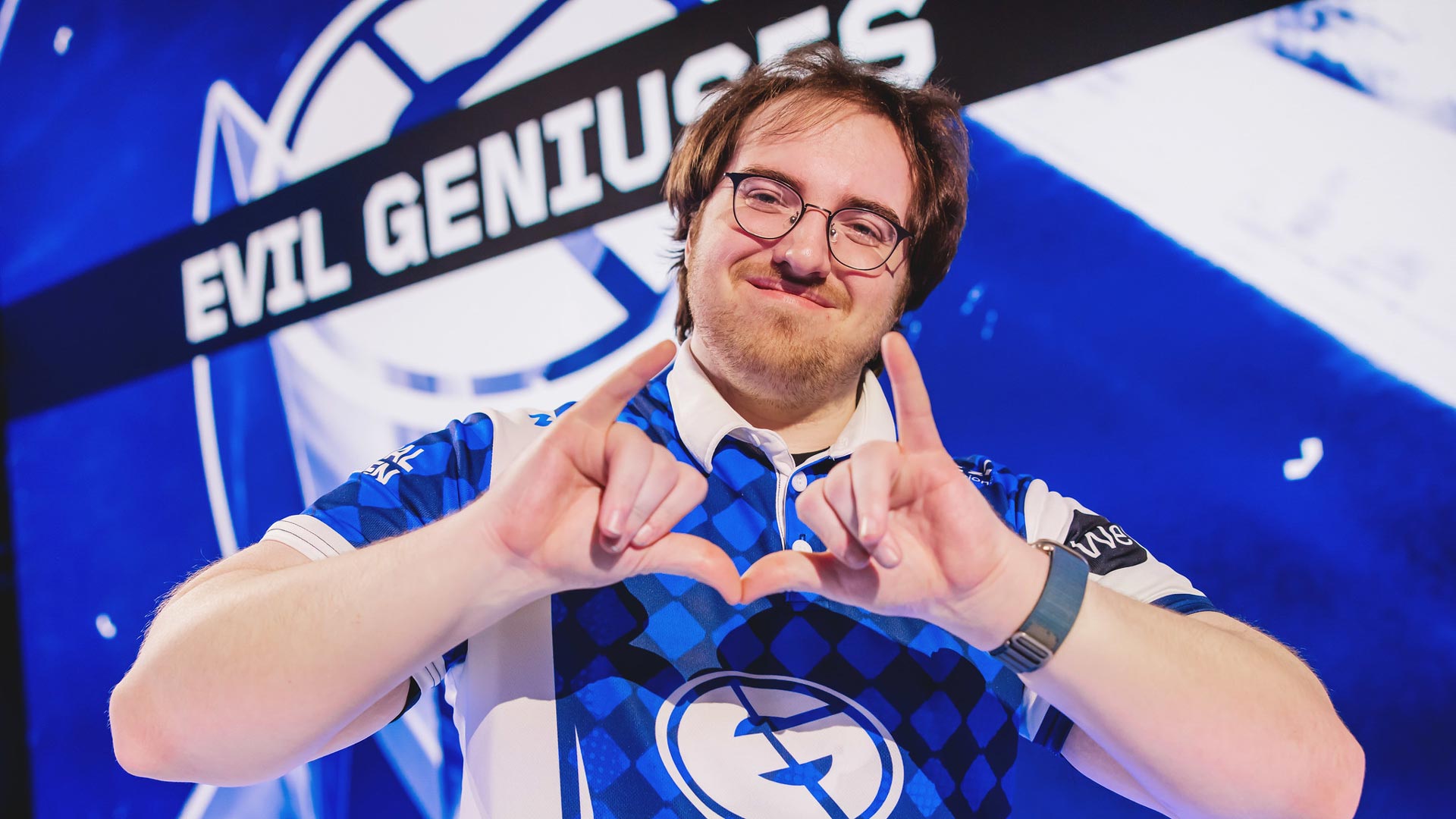
For me, what makes these pros stand out isn’t just their stats — it’s how they’ve shaped the meta and inspired the community. Valorant’s best players aren’t only competing for trophies; they’re influencing how millions of others approach the game.
Leading Teams Worldwide
When I think about Valorant’s rise as an esport, I can’t separate it from the organizations that built the foundation. Great players can shine, but it’s the teams behind them that create legacies.
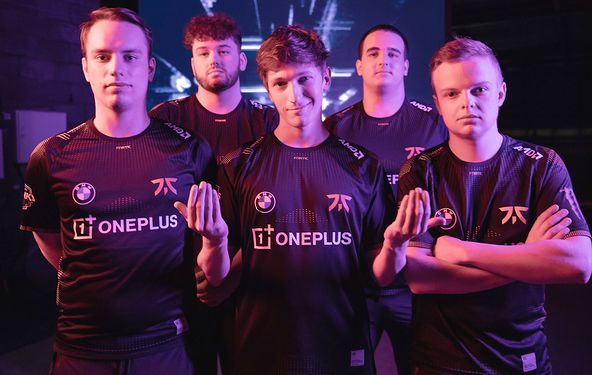
In Europe, Fnatic has been the benchmark. From the early days of VCT, they consistently reached international finals, and by 2023 they secured a dominant run with victories at both Masters Tokyo and Champions. Watching Fnatic, I always see the same traits: discipline, preparation, and the ability to stay calm under pressure.
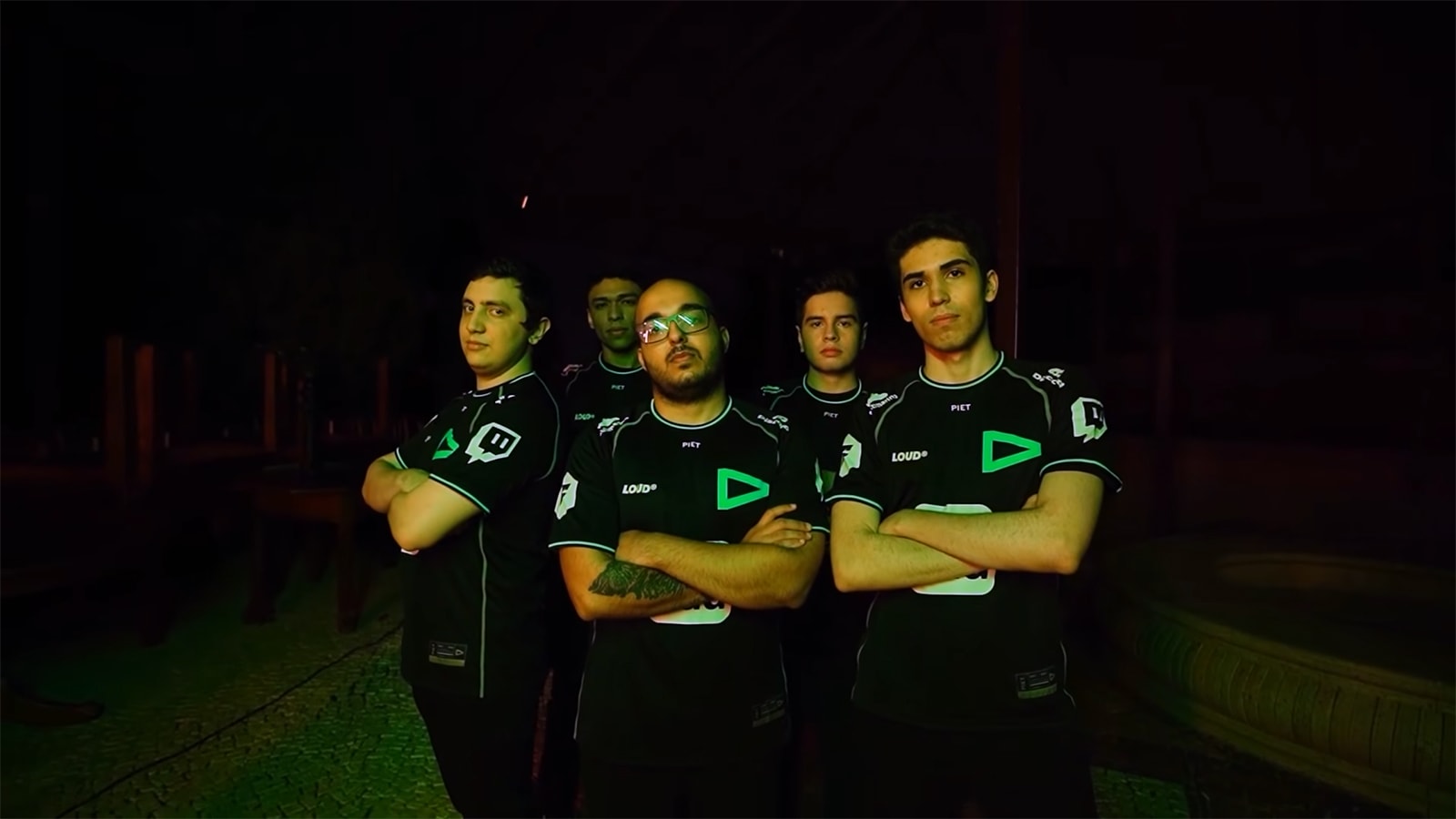
From the Americas, LOUD put Brazil on the Valorant map. Their win at Champions 2022 was more than just a trophy — it was a statement that South America could go toe-to-toe with North America and Europe. What impressed me most about LOUD was their chemistry. They didn’t just rely on one superstar; their teamwork made them nearly unstoppable.
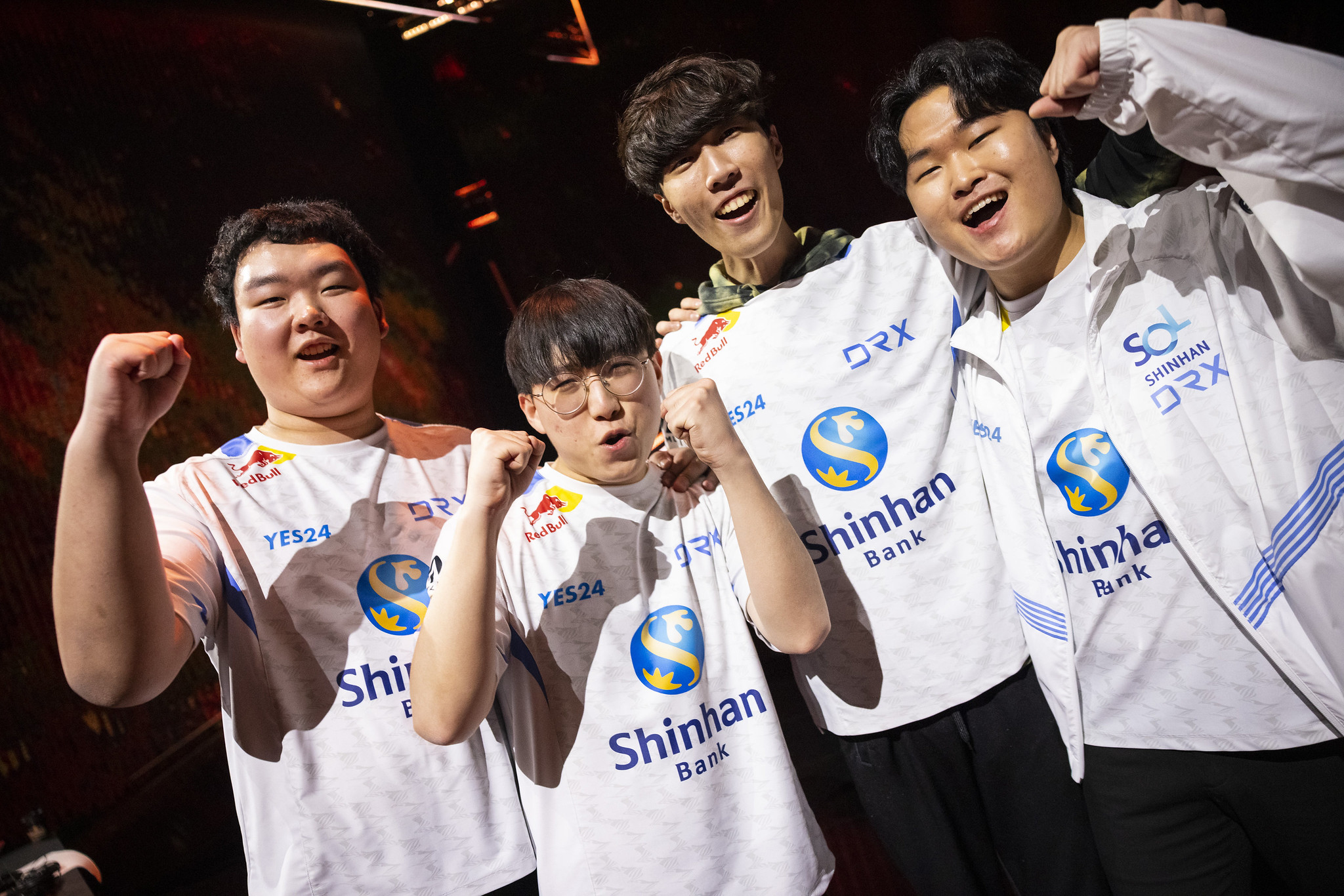
In Asia, DRX has been the team to watch. They might not always take home the title, but they’ve been remarkably consistent, reaching deep into international brackets again and again. Their methodical playstyle and discipline reflect the best of Korean esports culture, reminding me of how Korean teams once reshaped League of Legends.
Other names deserve credit too — Sentinels for winning the first international Masters and becoming icons in North America, Paper Rex for their fearless aggression out of Southeast Asia, and OpTic Gaming for their legendary 2022 season. Each of these teams has left its mark on Valorant’s history.
For me, what stands out about Valorant is that dominance doesn’t stay in one region. Unlike some other esports, we’ve already seen champions from Europe, North America, South America, and Asia. That global balance is what makes every international event unpredictable — and why I never miss a final.
Biggest Earnings and Records
When I look at Valorant today, one thing that shows just how far the game has come is the money on the line. In only a few short years, top players and teams have earned millions through tournament winnings, contracts, and sponsorships.
On the player side, pros like yay, aspas, and Derke have already crossed the six-figure mark in prize money alone. That doesn’t even count salaries or brand deals. For someone who followed early FPS esports, seeing players make a real living this quickly in a new title is impressive.
Teams, of course, take home the biggest numbers. LOUD’s victory at Champions 2022 came with a payday of $300,000 for first place, while Evil Geniuses at Champions 2023 walked away with an even larger share of the $2.25 million prize pool. When I compare that to where the game started in 2020, it feels like a different universe.
Viewership records are just as telling. The Champions 2022 final between LOUD and OpTic peaked at over 1.5 million concurrent viewers, making it one of the most-watched FPS events in history. By 2023, Valorant had firmly established itself as a tier-one esport alongside CS and League of Legends.
What strikes me most is the speed. Valorant didn’t take a decade to build its ecosystem — it hit these numbers within three years. For players, that means a serious career path. For fans like me, it means we’re watching a young esport grow into something massive right before our eyes.
Economy and Earnings
Prize Distribution
One thing I always pay attention to in esports is how prize money gets split. In Valorant, it’s not just about the winning team holding a big check on stage — the distribution has a real impact on how sustainable the scene is for players.
At major events like Valorant Champions, the prize pool is divided across all participating teams. The champion takes the biggest cut — for example, LOUD’s win in 2022 earned them around $300,000, while the rest of the $1.5 million pool was spread among other placements. Even teams that went out early walked away with something, which helps keep smaller organizations motivated to compete.
Inside teams, the winnings are usually split evenly among the roster, with a portion going to coaches and staff. Some organizations also take a cut, but compared to older esports, the trend in Valorant leans toward player-first distribution. That’s important — it shows Riot and the orgs are serious about building careers, not just one-off paydays.
What I find interesting is how these payouts stack with salaries and sponsorships. A big tournament win doesn’t just bring prestige — it can double or even triple a player’s yearly income. For pros, that makes every international final a life-changing opportunity.
In short, the way Riot and the orgs handle prize distribution makes Valorant more stable than many of the early esports I’ve followed. It gives teams financial security and players a reason to stick with the game long-term.
Contracts and Sponsorships
Behind every highlight play and championship trophy in Valorant, there’s a layer that casual fans often overlook: contracts and sponsorships. For me, this is where the business side of the game really shows its strength.
Player contracts in Valorant have matured quickly. When the game first launched, salaries were modest — many pros were earning figures similar to tier-two CS:GO players. But once Riot rolled out the franchised VCT leagues in 2023, everything changed. Teams had guaranteed spots, stable revenue sharing, and higher financial backing. That translated directly into player contracts worth six figures annually, with some stars negotiating even more.
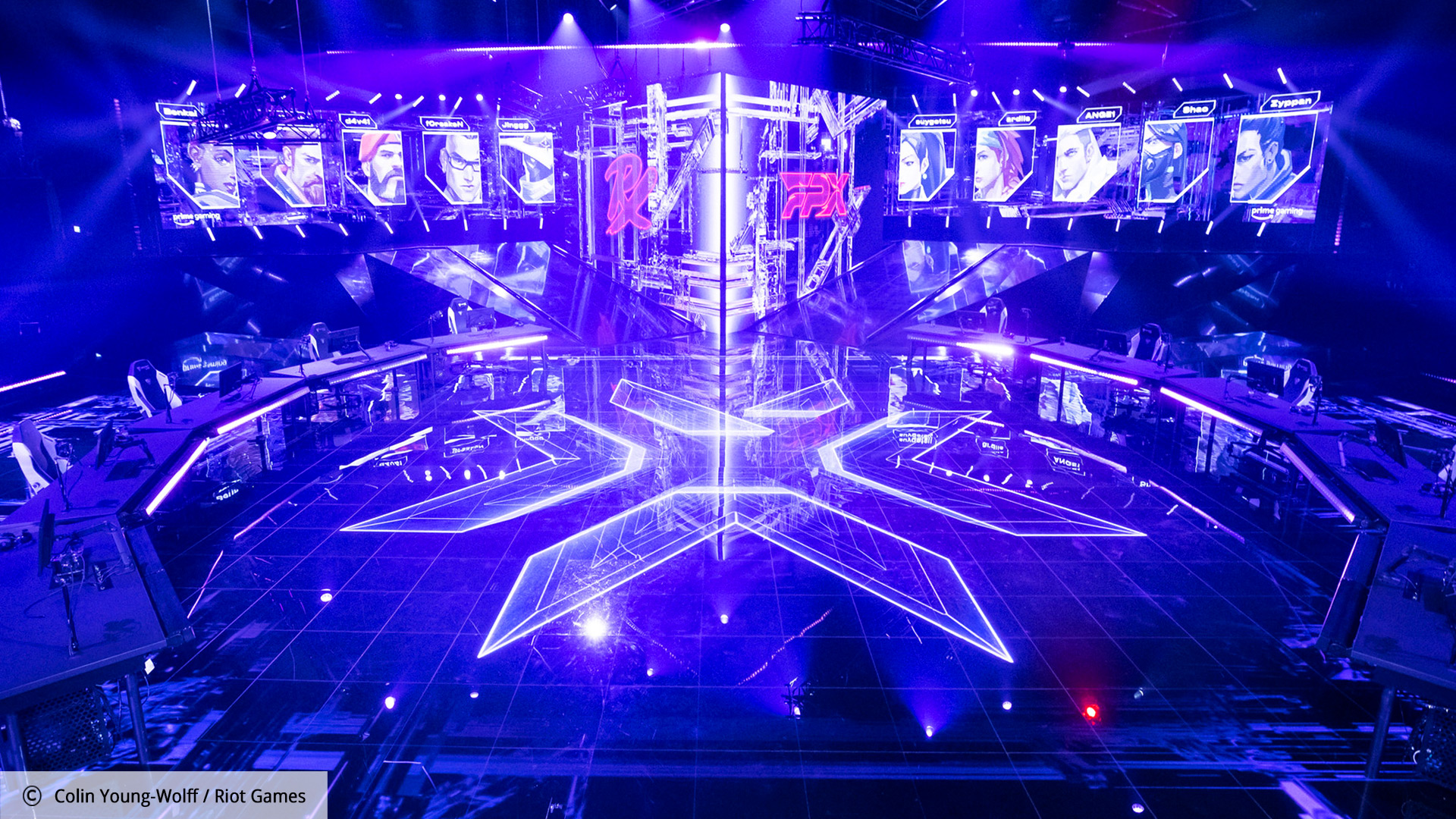
Sponsorships are another massive piece of the puzzle. Big brands — from hardware companies like HyperX and Logitech to global names like Red Bull — have jumped in. I’ve seen entire teams built around these partnerships, with branded jerseys, co-streams, and promotional campaigns tied directly to Valorant events. For organizations, this sponsorship money often outweighs tournament winnings.
What’s important to me is that these contracts and partnerships give players stability. Winning tournaments is great, but steady salaries and sponsor deals make it possible for pros to treat Valorant as a full-time career. That’s what separates a fad esport from a long-term ecosystem.
In short, contracts and sponsorships are the financial backbone of Valorant. Without them, even the biggest prize pools wouldn’t be enough to sustain the scene. With them, the game has a foundation strong enough to keep players and teams invested for years to come.
Popularity and Community
Player Numbers by Region
One of the things I always look at when judging the success of a game is where its player base comes from. Valorant is truly global, and that’s one of the main reasons it’s grown so fast.
In North America, the game exploded right out of the gate. With a huge base of FPS players already loyal to CS:GO, Call of Duty, and Overwatch, Riot had an audience ready to try something new. Within months of release, Valorant became a top title on Twitch in the U.S. and Canada, and to this day the region produces some of the most-watched tournaments.
In Europe, the growth was just as strong, but for a different reason. CS:GO had been the king there for years, and Valorant offered a fresh alternative. Countries like Spain, Turkey, and the U.K. quickly became hotspots, with massive fanbases following both local talent and international orgs. I’ve noticed that European teams often bring tactical depth to the game, and their local scenes are thriving as a result.
The real surprise for me came from South America and Asia. In Brazil, Valorant became a cultural phenomenon. LOUD’s success on the world stage in 2022 only fueled that fire, and I’ve seen Brazilian streams pull numbers that rival North America’s biggest broadcasts. In Asia, regions like Korea, Japan, and the Philippines embraced Valorant quickly, combining the country’s love for competitive games with Riot’s strong local presence.
What makes Valorant different from older shooters is that it didn’t stay confined to just one or two regions. From North America to Brazil to Southeast Asia, the player base is not only huge — it’s evenly spread. That global reach is why Valorant tournaments feel so electric: every region has its heroes, and every international event feels like a true world championship.
Streaming and Esports Viewership
If there’s one metric that shows how big Valorant has become, it’s the streaming numbers. I’ve been following esports for a long time, and I can tell you — Valorant’s growth on Twitch and YouTube has been nothing short of impressive.
From the very beginning, Riot played it smart. The closed beta in April 2020 used Twitch drops as the only way to get access. That single move pushed Valorant to the top of Twitch with over a million concurrent viewers during the first week. It wasn’t just hype — those viewers turned into long-term players.
Esports viewership followed the same trend. The Valorant Champions 2022 final between LOUD and OpTic Gaming hit a peak of over 1.5 million concurrent viewers, making it one of the most-watched FPS matches in history. In 2023, when Evil Geniuses won Champions, the event once again drew global attention, cementing Valorant’s place as a tier-one esport.
What I find interesting is how much of this growth comes from regional audiences. Brazil’s streams often pull massive numbers on their own, while Korea and Japan bring in dedicated fans who support local teams with the same intensity as traditional sports. That mix of international and regional passion gives Valorant broadcasts a unique energy — you never feel like you’re just watching a niche game.
For me, the streaming and esports numbers prove that Valorant isn’t just surviving — it’s thriving. The game doesn’t need to compete only on servers; it dominates on screens worldwide, turning every big tournament into a global event.
Valorant vs Competitors
Comparison with CS2
As someone who spent years playing Counter-Strike, I can say with confidence that Valorant and CS2 share the same DNA — but they also feel like very different experiences.
At the core, both games are about tactical 5v5 play: attackers planting the bomb (or Spike) and defenders trying to stop them. The shooting mechanics reward precision, patience, and positioning. If you come from CS, Valorant’s economy and round structure will feel instantly familiar.
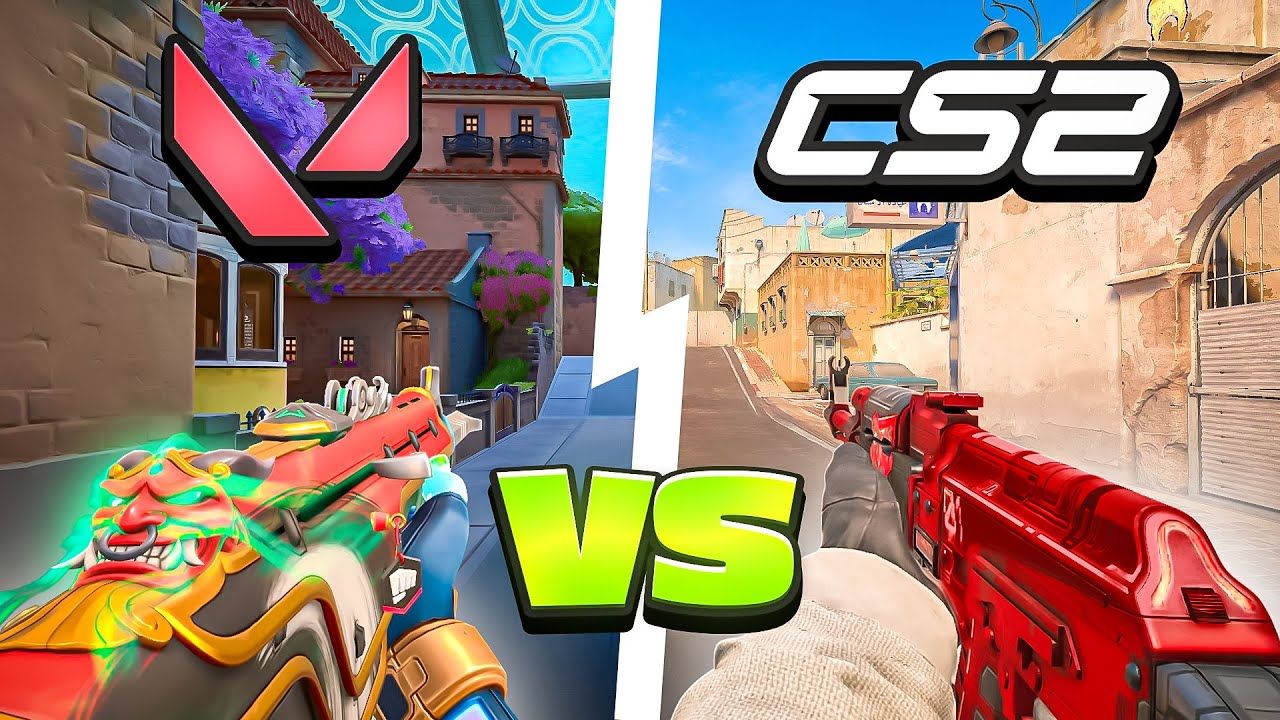
But the biggest difference is abilities. In CS2, utility is limited to grenades — flashes, smokes, and molotovs. In Valorant, every agent brings unique tools to the table, from walls that block vision to drones that scout enemies. For me, this makes every round more dynamic. You can’t rely only on crosshair placement; you have to think about what abilities are available on both sides.
Another key point is map design. CS maps are built around tight chokepoints and utility control. Valorant’s maps are designed with abilities in mind — teleporters on Bind, three sites on Haven, and interactive doors on Ascent. These elements add variety that CS2, even with its upgrades, doesn’t offer.
Finally, there’s the esports ecosystem. CS has decades of tradition, legendary tournaments, and deep history. Valorant, by contrast, is young but already global, with Riot directly supporting leagues and events. Where CS2 leans on third-party organizers, Valorant thrives on Riot’s structured, year-round circuit.
For me, the choice between the two comes down to preference. If you want raw, no-frills gunplay, CS2 is king. If you want sharp shooting mixed with tactical creativity, Valorant delivers something Counter-Strike never has.
Comparison with Overwatch 2
I often get asked how Valorant compares to Overwatch 2, and to me, the difference comes down to where the focus lies. Both are hero-based shooters, but the gameplay philosophy couldn’t be more different.
In Overwatch 2, abilities define the action. Every hero has ultimates and cooldowns that can decide fights on their own. Gunplay matters, but it’s often secondary to team compositions and ultimate timing. When a big ult combo lands, the round is usually over in seconds.
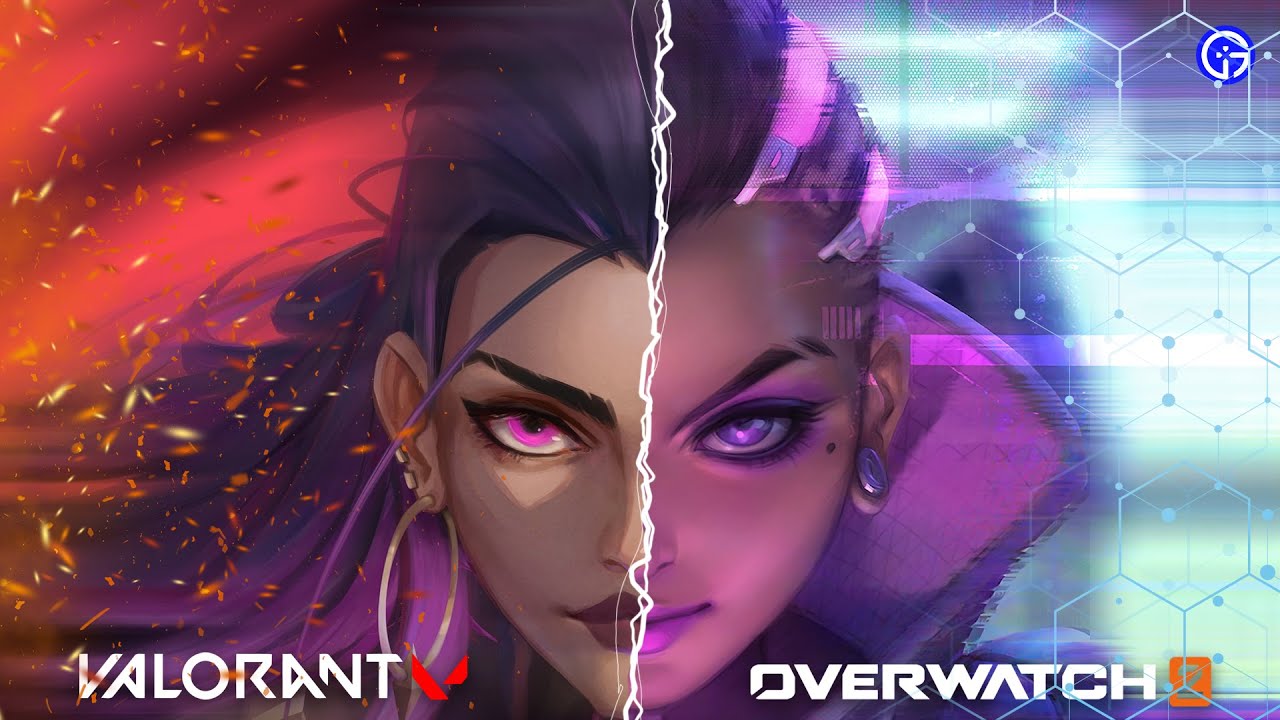
Valorant flips that formula. Here, gunplay is always the priority. Abilities are support tools — flashes, smokes, recon — but they can’t replace a clean headshot. I like to say Valorant rewards “tactical creativity layered on top of aim,” while Overwatch 2 rewards coordination of cooldowns and ultimate economy.
The pacing is another big contrast. Overwatch 2 is fast, chaotic, and fluid, with constant team fights and respawns. Valorant is slower and more deliberate: one life per round, high-stakes gun duels, and strategic economy management. That slower pace builds tension and gives every round weight.
From an esports perspective, Overwatch 2 has struggled with consistency, while Valorant has been growing steadily. Riot’s structure with VCT gives Valorant a clear competitive roadmap, something Overwatch League never fully managed to achieve.
For me, Valorant is the game for players who love sharp aim and tactical depth, while Overwatch 2 is for those who enjoy fast-paced chaos and ability-driven fights. Both have their audience, but they scratch very different itches.
Future of Valorant
New Content and Agents
One of the reasons I’ve stayed hooked on Valorant is Riot’s steady stream of new content, especially agents. From the very beginning, Riot made it clear that Valorant wouldn’t be a static game. They planned regular updates, and they’ve delivered on that promise.
Each new agent isn’t just cosmetic — they shift the meta. I remember when Killjoy came in and completely changed how sites were held with her turrets and traps. Later, Chamber flipped the duelist role on its head by mixing precision gunplay with teleportation tools. More recently, Riot introduced agents like Harbor, bringing fresh ways to control space with water-based abilities. Every addition forces both pros and casuals to rethink strategies, and that keeps the game from going stale.
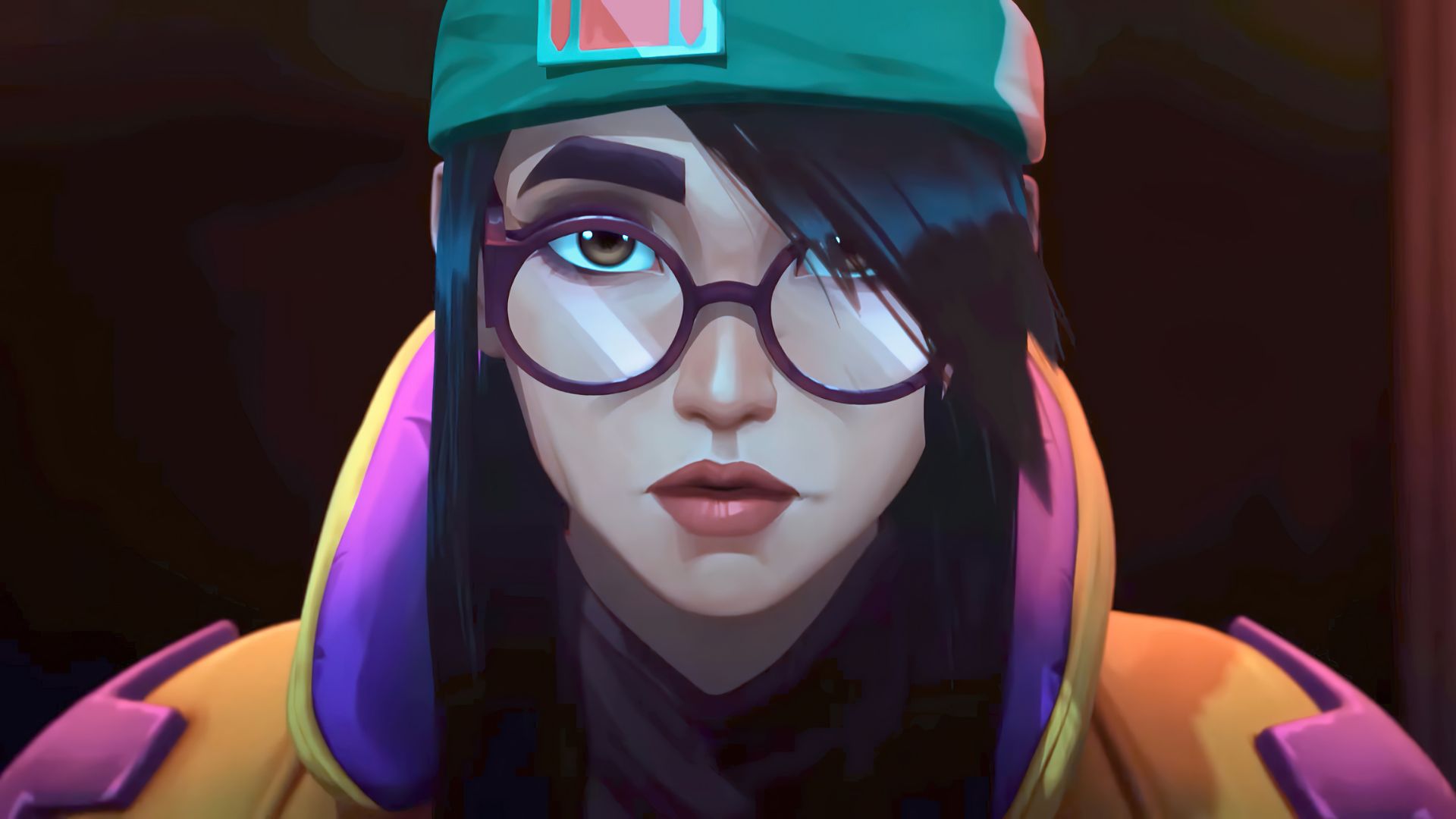
It’s not just about abilities, though. Riot pays attention to balance and identity. Agents aren’t clones of each other. Each one has a clear role — Duelist, Controller, Initiator, or Sentinel — and new characters are carefully slotted into these categories. That structure makes team composition a real chess game, where picking the right lineup can be as important as landing shots.
Riot’s cadence has been steady: new agents typically arrive a few times a year, paired with seasonal updates. That rhythm keeps the community engaged and gives tournaments new storylines. As a fan and player, I never feel like the game is standing still. Instead, it evolves, and with each update, I get excited to see how the pros will break down the new possibilities.
For me, the constant addition of content and agents is Riot’s smartest move. It ensures Valorant always feels fresh without losing the fundamentals that made it great in the first place.
Growth of Esports Ecosystem
What really convinces me that Valorant is here for the long haul is the way Riot has built its esports ecosystem. I’ve seen plenty of games rise fast and then fade because they lacked structure. With Valorant, Riot did the opposite — they put infrastructure in place almost from day one.
The early Ignition Series proved there was demand, but the real shift came with the Valorant Champions Tour (VCT). Instead of leaving everything to third-party organizers, Riot created a clear, global circuit with regional leagues, Masters events, and the Champions world final. That structure gave players a transparent path from local competition all the way to the biggest stage.
By 2023, the scene expanded again with franchised leagues in the Americas, EMEA, and Pacific. This move brought stability: teams had guaranteed slots, players had secure contracts, and fans had storylines to follow year-round. I’ve noticed that this consistency keeps the scene healthy — no sudden collapses, no uncertainty about the next big event.
What excites me most is the global reach. Unlike older shooters dominated by just one region, Valorant has champions from Europe, South America, and North America, with Asia pushing harder every year. That diversity keeps international events unpredictable and, in my opinion, much more entertaining.
For me, the growth of Valorant’s esports ecosystem shows Riot’s biggest strength: they don’t just build games, they build worlds around them. Valorant isn’t a flash in the pan; it’s a fully supported esport with the backing and vision to keep growing for years.
Predictions for Coming Years
Looking ahead, I see Valorant continuing to grow, both as a game and as an esport. Riot has already proven they know how to sustain a competitive title, and I expect them to double down on the formula that worked so well for League of Legends.
First, I think we’ll see more agents and maps released at a steady pace. Riot understands that freshness is key, and each addition will continue to reshape the meta. I wouldn’t be surprised if they experiment with new roles or hybrid agents that blur the current categories.
Second, the esports side will expand even further. With franchised leagues now in place, I expect prize pools to grow and broadcast quality to rival the biggest global tournaments. I also think we’ll see new regions rise — Japan and Brazil already proved they can produce world-class teams, and I believe countries like India and the Philippines could be next.
Finally, I predict Riot will lean into technology and integration. We’ve already seen experiments with in-game esports hubs, skins tied to major tournaments, and fan-driven events. Over the next few years, I see Valorant evolving into more than a shooter — it’ll be a complete ecosystem where playing, watching, and supporting your team are all connected.
For me, the bottom line is simple: Valorant isn’t slowing down. Over the next five years, I expect it to cement its place as one of the top three esports in the world, standing shoulder to shoulder with CS2 and League of Legends.
Conclusion
Looking back at everything Valorant has achieved in just a few short years, it’s hard not to call it a cultural and esports phenomenon. Riot didn’t just release another shooter; they built a game that speaks to competitive players, casual fans, and entire communities around the world. From its early beta hype to sold-out arenas at Champions, Valorant has carved out a place that most games never reach.
What makes it stand out to me is the balance Riot struck between tradition and innovation. Valorant kept the DNA of classic tactical shooters — one life per round, economy management, precision aim — but added layers of creativity through agents and abilities. That formula turned out to be exactly what the FPS scene needed: familiar enough to feel competitive, new enough to feel fresh.
Culturally, Valorant is already leaving a legacy. We’ve seen regions like Brazil and Japan rise to global prominence, inspiring new generations of players. We’ve seen pros become role models, orgs build long-term projects, and fans rally around tournaments the same way they do for traditional sports. That kind of global reach is rare, and it tells me Riot hit the mark.
From a professional standpoint, I believe Valorant has all the tools to sustain itself as a top-tier esport for the next decade. The structured VCT circuit, growing prize pools, and strong player contracts show this isn’t a short-term project. Riot has proven they can manage a game for the long haul, and Valorant is benefitting from that experience.
For me, Valorant represents more than a game. It’s proof that competitive shooters can evolve while staying true to their roots. It’s also proof that with the right vision and support, a new title can rise to the top of global esports in record time. And as a fan, a player, and an observer of this industry, I can say with confidence: Valorant’s story is just getting started.
FAQ — Valorant: game, esports, prizes, and more
Valorant is a 5v5 tactical FPS by Riot Games. It blends classic bomb-plant gameplay with hero-style agents whose abilities support—never replace—precise gunplay.
Riot Games developed Valorant. Closed beta began on April 7, 2020; the global PC release followed on June 2, 2020, after its initial reveal as “Project A.”
Valorant is primarily on PC. A limited console beta for PS5/Xbox Series X|S began in 2024, with regional rollout and features evolving over time.
Standard modes are first to 13 rounds with side swap at halftime. Competitive games typically take 30–45 minutes, with overtime if both teams hit 12–12.
No. Abilities create openings—flashes, smokes, recon—but clean headshots decide rounds. Valorant is a shooter first; utility amplifies team tactics.
Duelists take space, Controllers shape sightlines, Initiators enable entries, Sentinels anchor sites. Balanced comps turn utility into round-winning plays.
You earn credits from round results, kills, and Spike plants, then buy weapons, armor, and abilities. Teams rotate save, force, and full-buy rounds to manage momentum.
VCT is Riot’s global circuit: regional leagues feed into Masters; points and qualifiers lead to the year-end world final, Valorant Champions.
Champions prize pools exceed one million dollars, with total seasonal winnings reaching multi-million figures across regions and international events.
Vanguard is Riot’s kernel-level anti-cheat required to play. It runs at system startup to block cheats. You can disable it, but Valorant won’t launch without it.
Unlock Competitive by reaching the account requirement, then complete placements. To climb, stabilize roles, queue with comms, and focus on economy and utility usage—not just aim.
Official broadcasts run on major streaming platforms; many events also allow approved co-streams from creators and pros, so you can watch with analysis in your language.