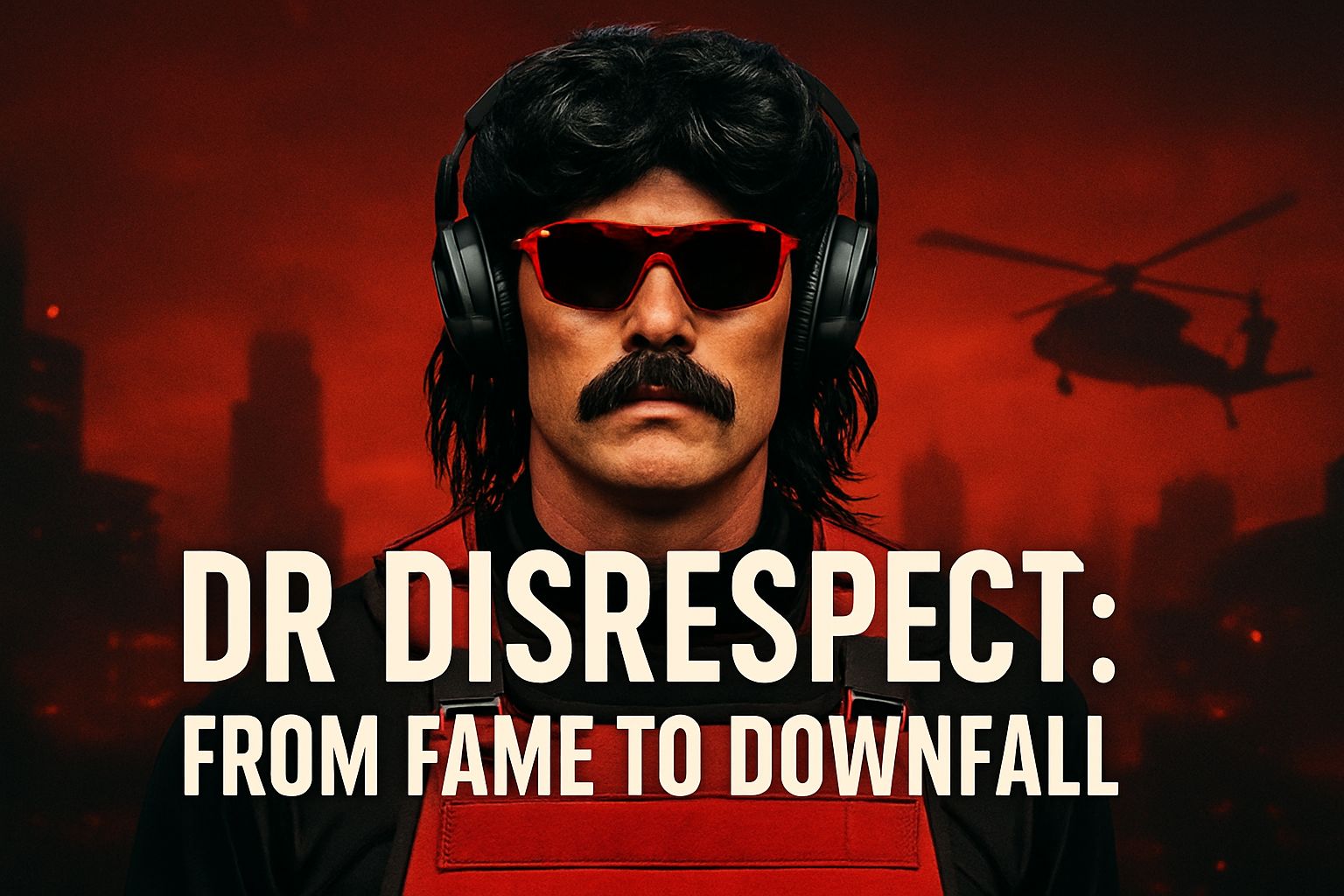
Hello, my name is Ethan Cole. As a digital media and streaming industry specialist, I’ve been following Dr Disrespect’s career for years. He’s not just another streamer — he’s the self-proclaimed “Two-Time Champion,” a man who turned a mullet wig, sunglasses, and pure arrogance into a multi-million-dollar empire.
But this story isn’t just about success. It’s about how one of Twitch’s biggest stars, who signed million-dollar deals and pulled in tens of thousands of live viewers every day, crashed harder than anyone expected. From his rapid rise to fame, to the mysterious Twitch ban in 2020, and finally to the shocking revelations that surfaced years later — this is the unfiltered timeline of Dr Disrespect’s rise and his ultimate fall.
Who Is Dr Disrespect?
Early Life and Background
When I look back at the roots of Herschel “Guy” Beahm IV, the man behind Dr Disrespect, it’s clear his story didn’t start with flashing lights or roaring Twitch chats. Born on March 10, 1982, in Encinitas, California, he grew up in a typical suburban setting. There wasn’t a silver spoon or a gaming empire waiting for him — just a kid who loved sports and competition.
Guy attended California State Polytechnic University, Pomona, where he played NCAA Division II basketball. That competitive edge, the drive to win at any cost, would later bleed into his streaming persona. After graduation, instead of jumping straight into fame, he took a more traditional path. He worked at Sledgehammer Games, contributing to the design of Call of Duty: Modern Warfare 3. It wasn’t glamorous, but it gave him firsthand knowledge of the gaming industry — and more importantly, it lit a fire inside him.
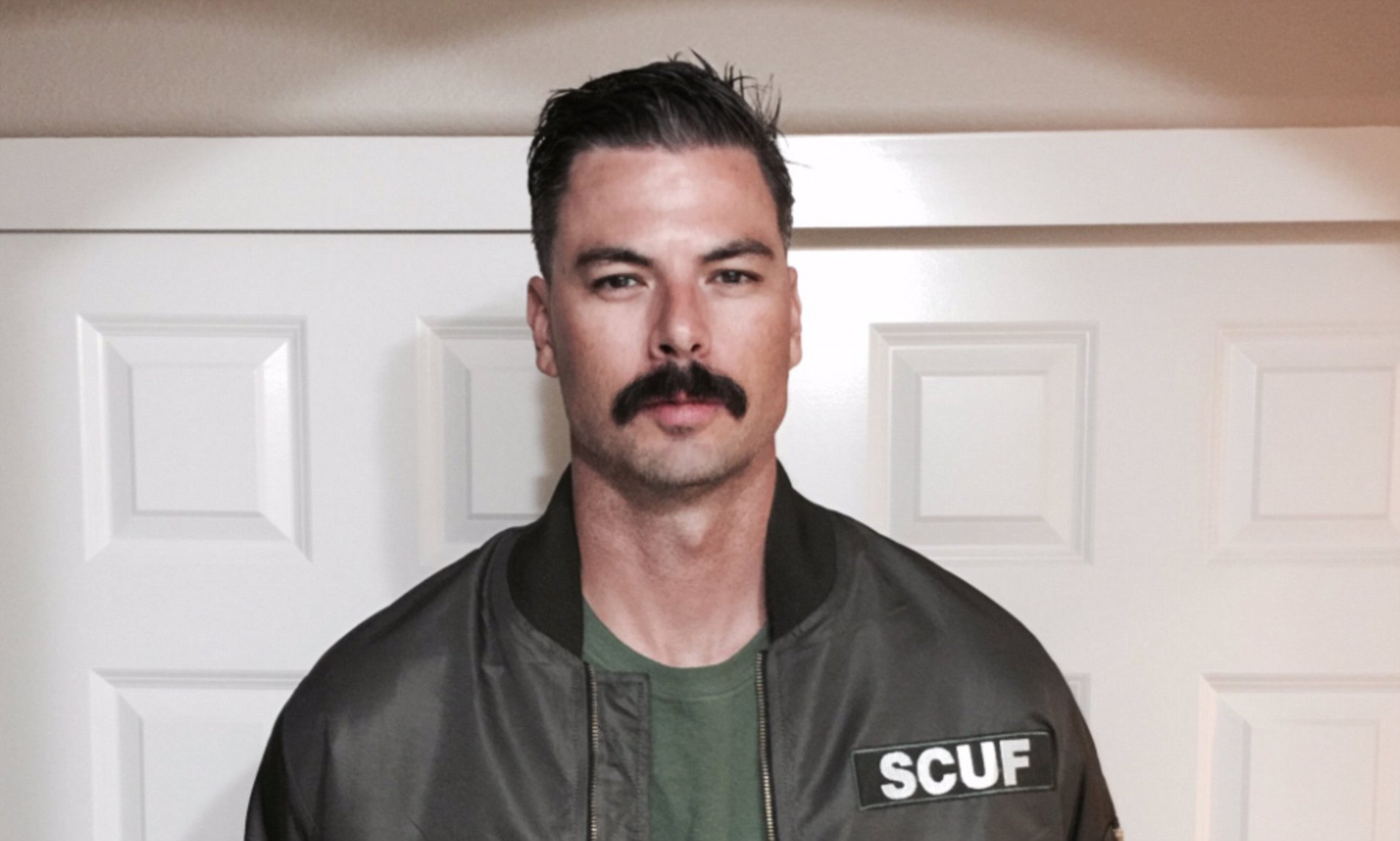
By his late twenties, Guy wasn’t a celebrity yet. He was an ambitious gamer with an idea: if no one’s paying attention to average streamers, why not flip the script? Why not create a villain, a character who could dominate the camera the way athletes dominate the court? That seed was planted long before the world met Dr Disrespect.
Birth of the Persona and Unique Style
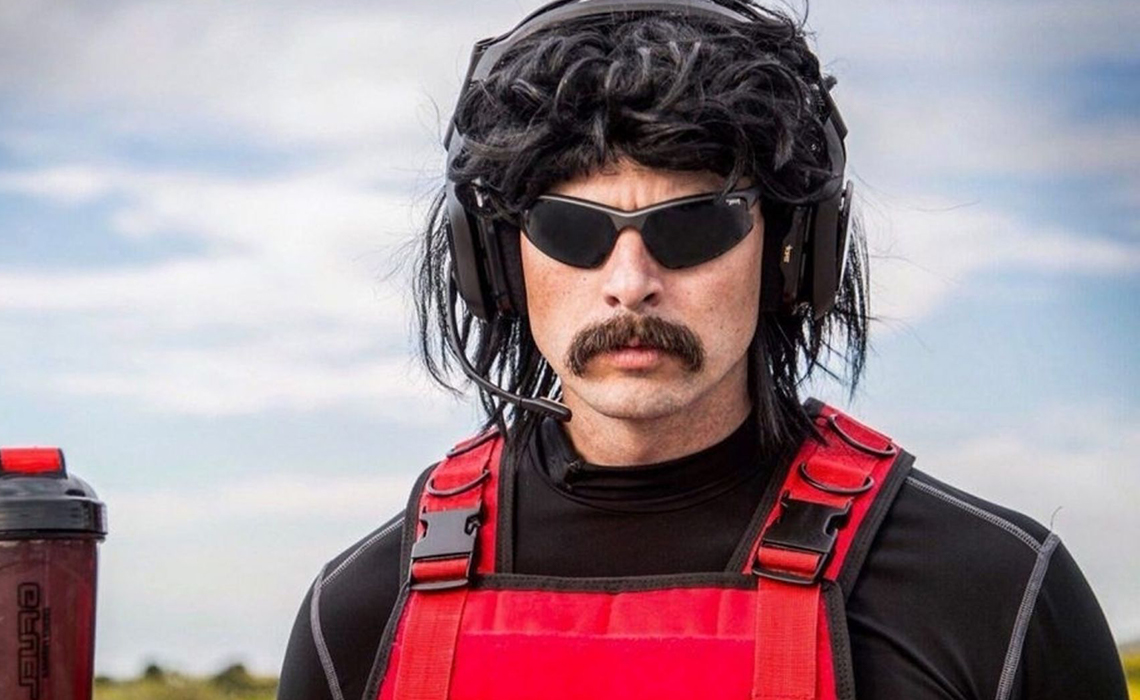
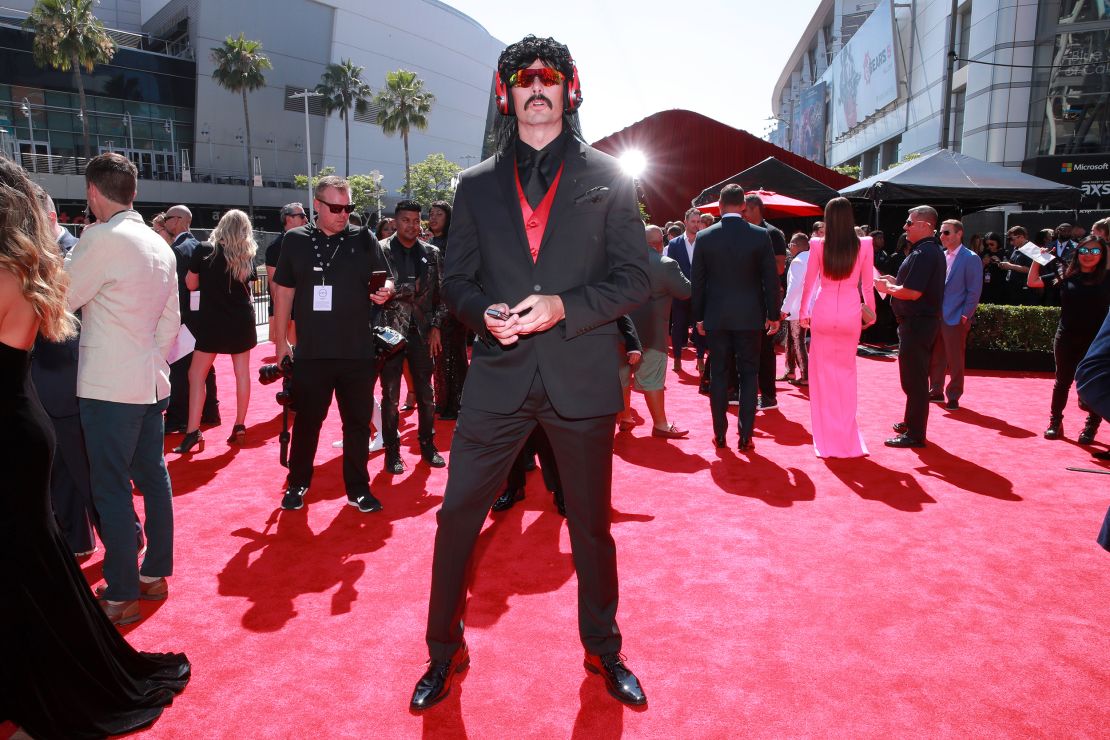
I remember when Guy Beahm first transformed into Dr Disrespect — it wasn’t just a new gamer tag, it was the birth of a full-blown character. The wig, the thick mustache, the tactical vest, and those dark sunglasses weren’t chosen at random. They were armor. They created a villain who walked into the streaming world not asking for permission, but demanding attention.
This wasn’t a friendly “hang out with the chat” streamer. Dr Disrespect was loud, cocky, and aggressive. He trashed opponents mid-game, barked into the camera, and carried himself like a wrestling heel. And here’s the truth — audiences ate it up. In an industry flooded with regular guys playing games in hoodies, he stood out like a neon sign in the dark.
By the early 2010s, this exaggerated persona was pulling in more eyes than most “normal” streamers combined. Viewers didn’t just watch for gameplay; they tuned in for the spectacle. He was theater, adrenaline, and chaos rolled into one. It was entertainment first, gaming second. And that’s exactly why he exploded into relevance — because Dr Disrespect wasn’t just playing the game, he was the game.
The “Two-Time Champion” Nickname and Its Myth
One of the most outrageous — and brilliant — parts of Dr Disrespect’s identity is the infamous “Two-Time Champion” claim. According to him, he won back-to-back Blockbuster Video Game Championships in 1993 and 1994. It became his catchphrase, his badge of honor, and the cornerstone of the Doc mythos.
Now here’s where it gets interesting. Those Blockbuster tournaments were real events, but records from the early ’90s are shaky at best. Fans have debated for years whether Guy Beahm actually dominated those competitions the way he says he did. Some call it pure fiction, a marketing ploy designed to make him sound larger than life. Others argue it doesn’t matter — the fact that people still argue about it proves how well the story worked.
And that’s the genius of the Doc. He blurred the line between reality and performance. Did he really win those titles? Maybe, maybe not. But in the streaming world, perception is reality. Every time he shouted “Two-Time!” into the mic, his audience didn’t care about the paperwork — they cared about the show. It was provocation turned into branding, and it cemented Dr Disrespect as more than a streamer. He was a self-made legend.
Rise to Fame on Twitch
Breakthrough Games and Streaming Debut
When I first saw Dr Disrespect go live on Twitch, it was clear he wasn’t chasing small wins. His breakthrough didn’t come from casual streams — it came from dominating competitive shooters. In the early 2010s, he began streaming Call of Duty: Modern Warfare 2, showing not just skill but the ruthless trash talk that became his signature. It wasn’t long before he moved into titles like PUBG and later Apex Legends, games where chaos and high stakes perfectly matched his aggressive persona.
By 2015, Dr Disrespect wasn’t just another streamer grinding for subs. He was already pulling in thousands of concurrent viewers — a serious number for that time. His streams felt more like pay-per-view events than casual broadcasts. People tuned in not only to see him win, but to watch him destroy opponents verbally, brag endlessly, and carry the swagger of someone who knew he was bigger than the platform itself.
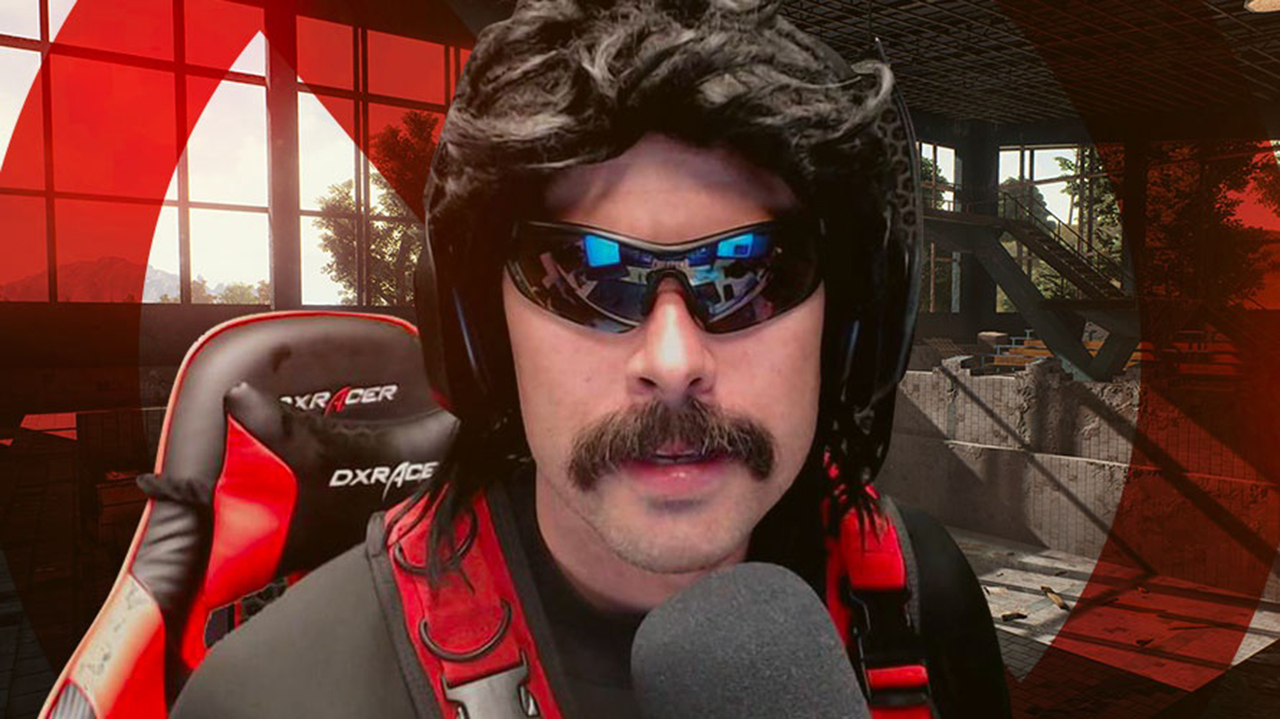
That was the real debut of Dr Disrespect as a phenomenon. He wasn’t selling gameplay; he was selling theater. Twitch chat became his live audience, every headshot was a punchline, and every game was a stage for the Two-Time to flex. By the time rivals realized what he was doing, he’d already carved out his territory.
Building a Massive Fan Base
By 2016 and 2017, Dr Disrespect was no longer just a rising name — he was a phenomenon. His streams consistently pulled in tens of thousands of live viewers, numbers that placed him among the top echelon on Twitch. And here’s the key: it wasn’t just about raw viewership. His community, which he proudly called the “Champions Club,” was loyal, vocal, and willing to pay.
Subscriptions, donations, merch — the Doc turned his persona into a money machine. I remember seeing streams where single donations of $500 or $1,000 would flash on the screen, and he played it up perfectly, thanking fans in character, keeping the energy high. He made viewers feel like they weren’t just watching a show — they were part of it.
The fan base grew because Dr Disrespect gave them something no one else did: a mix of gaming dominance and pure entertainment. Every broadcast felt unpredictable, and in the world of streaming, unpredictability is gold. By the late 2010s, the Champions Club wasn’t just a chatroom — it was a movement. The Doc had built a cult-like following, and Twitch had found its next superstar.
Awards, Recognition, and Cultural Impact
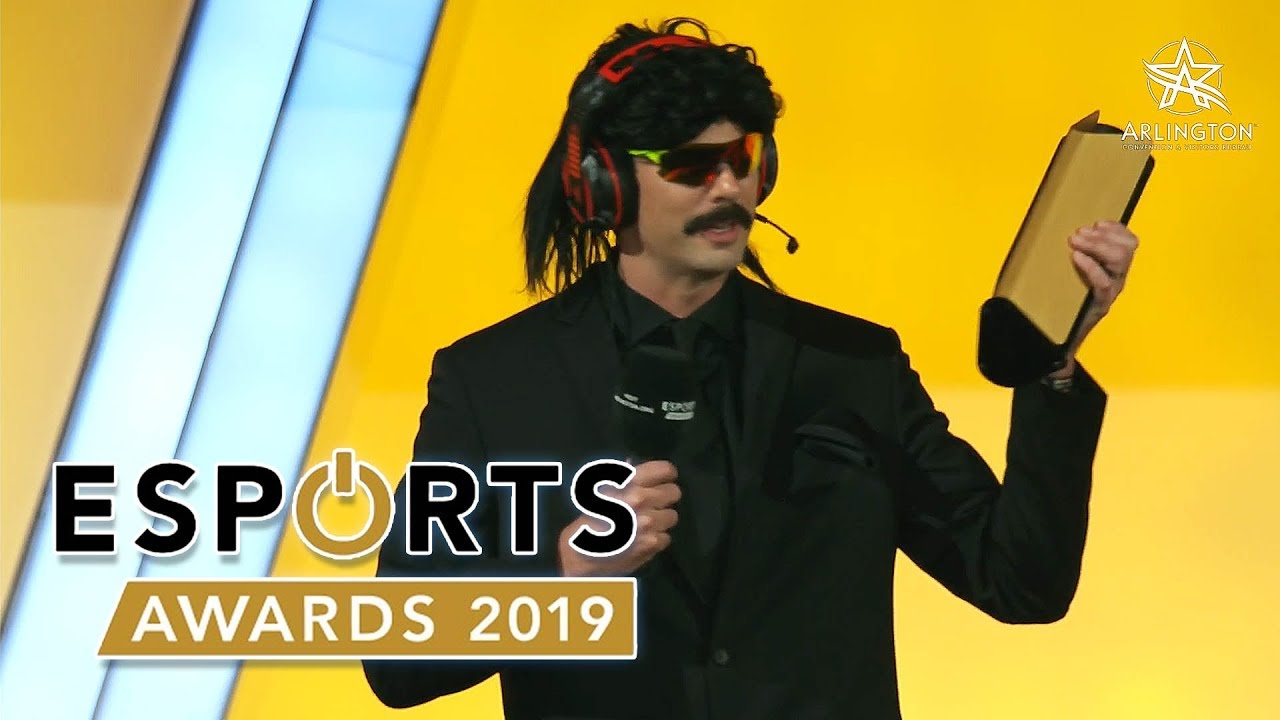
By 2017, Dr Disrespect wasn’t just another Twitch success story — he was winning trophies outside the platform. That year, he took home the Streamy Award for Best Gaming Creator, and in 2019, the Esports Industry Award for Streamer of the Year. These weren’t small nods; they were confirmations that the industry itself recognized him as a leading figure in gaming entertainment.
But the awards were only part of the story. Dr Disrespect became a cultural icon because he broke out of the streamer bubble. His catchphrases — “Violence. Speed. Momentum.” — spread like wildfire. Memes of the Two-Time filled Reddit, Twitter, and Discord servers. Even people who never watched a full stream knew who he was, and that’s a level of cultural penetration most streamers never touch.
And here’s the provocation: Dr Disrespect didn’t just represent gaming, he represented the ego and arrogance that the industry secretly loved. He was a walking contradiction — a parody of macho confidence that fans treated as gospel. Whether you admired him or hated him, you couldn’t ignore him. That’s why at his peak, Dr Disrespect wasn’t just part of gaming culture — he was gaming culture.
Peak of His Career
The Million-Dollar Twitch Contract
I remember the moment Dr Disrespect’s career hit its financial peak. In March 2020, right before his mysterious ban, Twitch signed him to an exclusive multi-year contract. Reports at the time put the deal in the eight-figure range, with estimates between $10 million and $20 million. For a streamer, that wasn’t just a payday — it was a declaration of power. Twitch was betting big that the Doc would remain one of the platform’s faces for years to come.
The move was aggressive. This was the same period when Twitch was fighting off competition from Mixer, which had lured away stars like Ninja and Shroud with massive deals. Locking down Dr Disrespect wasn’t just about keeping him streaming; it was about flexing dominance in the streaming wars.
Here’s where the irony cuts deep. Just a few months later, in June 2020, Twitch banned him permanently without explanation. Millions of dollars on the table, a contract that was supposed to secure his future — and suddenly, he was erased from the platform overnight. It was the kind of twist no scriptwriter would dare to invent.
At that moment, Dr Disrespect wasn’t just a streamer. He was the center of a high-stakes drama involving contracts, millions in streaming money, and one of the most shocking corporate decisions in gaming history. Twitch paid him like a king — and then threw him off the throne.
Sponsorships, Brand Deals, and Mainstream Fame
By the late 2010s, Dr Disrespect wasn’t just making money from Twitch subs and donations — he was a marketing machine. Big brands lined up to be associated with his persona. He had partnerships with Gillette, ASUS, Razer, G Fuel, and others. These weren’t minor sponsorships; they were six-figure deals that validated him as more than just a streamer.
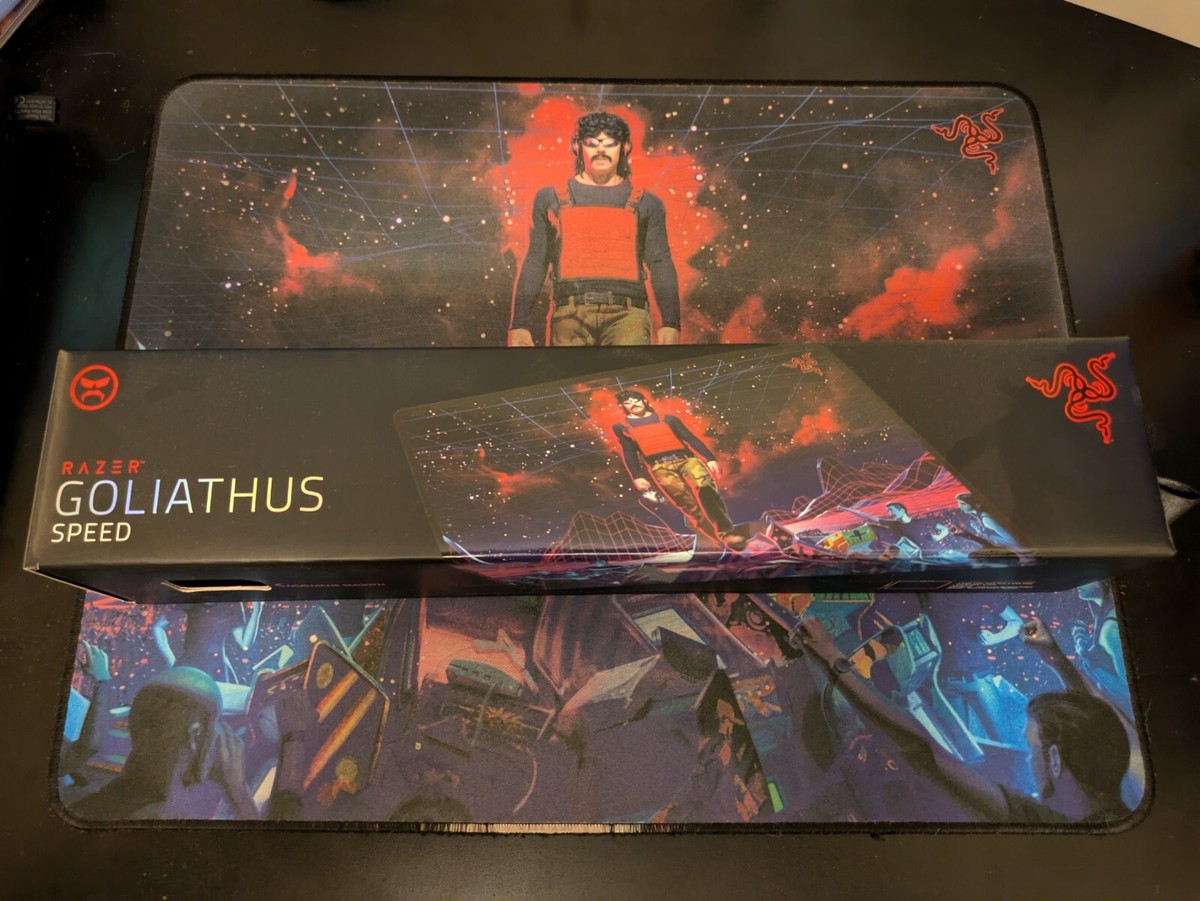
Gillette, in particular, pushed his image into the mainstream. Commercials featuring the Doc’s trademark wig and mustache weren’t confined to gaming audiences — they aired during major events, putting him in front of millions who had never opened Twitch in their lives. He became a recognizable pop culture figure, not just an internet personality.
And here’s the provocation: brands weren’t just paying for exposure, they were paying for attitude. Dr Disrespect represented a bold, arrogant, unapologetic confidence that most companies would normally avoid. But in his case, it worked. He sold razors, energy drinks, and gaming gear with the same swagger he used to destroy enemies on-screen.
At his peak, estimates suggested Dr Disrespect was pulling in seven figures annually just from sponsorships and brand deals alone. That income, stacked on top of his Twitch contract and YouTube revenue, made him one of the highest-paid streamers in the world. He wasn’t just rich — he was untouchable. Or so it seemed.
Dr Disrespect as a Cultural Icon
By the time 2019 rolled around, Dr Disrespect had already crossed the line from streamer to cultural icon. He wasn’t just a guy playing shooters on Twitch anymore — he was a walking meme, a brand, and a personality that transcended the gaming scene. His catchphrases like “Violence. Speed. Momentum.” became more recognizable than some game titles themselves.
I saw firsthand how he stopped being just part of the gaming world and started bleeding into mainstream pop culture. Sports figures mentioned him, late-night hosts referenced him, and clips of the Doc went viral on platforms like Twitter and TikTok. He was loud, arrogant, and over the top — and that was exactly why people couldn’t look away.
At this stage, Dr Disrespect symbolized more than streaming. He represented the fantasy of untouchable confidence, the caricature of what every gamer secretly wished they could be: unbeatable, unshakable, and celebrated. Whether fans loved him or hated him, they all contributed to his legend. And that’s what made him dangerous — because when someone becomes larger than the platform itself, the fall is always brutal.
The Mysterious Twitch Ban
Sudden Suspension Without Explanation
June 26, 2020 — the day Twitch pulled the trigger. Out of nowhere, Dr Disrespect’s channel, with over 4 million followers, vanished. His subscribers were refunded, his emotes were deleted, and his presence on the platform was wiped clean in less than 24 hours. There was no warning, no countdown, no “final stream.” Just a permanent ban dropped like a hammer.
Here’s the part that stunned everyone: Twitch gave no explanation. For a platform that had just signed him to a multi-million-dollar deal only months earlier, the silence was deafening. Fans speculated wildly — was it legal trouble, corporate politics, or something darker? Every theory spread like wildfire because Twitch’s refusal to comment turned a ban into a mystery.
I watched as the internet lit up with chaos. Streamers, journalists, and even industry insiders had no clue what happened. Some called it the biggest scandal in streaming history, others joked it was just another Doc stunt. But this wasn’t theater — Twitch had just erased one of its highest-paid stars without saying why.
And that silence created a storm. By not revealing the reason, Twitch made Dr Disrespect’s suspension one of the most talked-about bans in gaming history. It wasn’t just the end of his Twitch career — it was the start of a scandal that would haunt him for years.
Speculation, Conspiracies, and Community Reactions
The silence from Twitch after the ban in June 2020 was gasoline on a fire. With no official explanation, the community filled the void with conspiracy theories. Some believed Doc had broken contract terms. Others whispered about legal trouble. A few even pushed the wild idea that it was all part of an elaborate marketing stunt.
On Reddit and Twitter, speculation became sport. Posts with hundreds of thousands of views dissected his final Twitch stream, searching for “clues” in his body language and last words. His last broadcast ended with Doc reading a cryptic message from his chat and muttering, “We’ll get through this, Champions Club… life’s weird right now.” That line alone launched countless theories that something massive was about to drop.
Fans split into camps. The loyalists defended him blindly, insisting Twitch was hiding something or that Doc was being sabotaged. The critics, on the other hand, painted him as toxic and arrogant, suggesting the ban was long overdue. Major streamers like Shroud and Ninja stayed mostly quiet, but the silence from his peers only fueled more rumors.
Here’s the raw truth: Twitch’s refusal to explain turned Dr Disrespect into a mystery box. And in the streaming world, mystery sells. For months, his name dominated headlines, podcasts, and YouTube videos. He wasn’t just banned — he was mythologized. And for a time, that silence made him bigger than ever.
The Truth Revealed — Inappropriate Messages Scandal
Leaks and Revelations in 2024
For four long years, nobody knew why Twitch had dropped the hammer on Dr Disrespect. Then in June 2024, the truth finally crawled out from the shadows — and it was uglier than anyone expected.
It started when a former Twitch employee broke the silence, claiming the Doc had been banned for sending inappropriate messages to a minor back in 2017. That was the spark, and within hours, the fire spread across the entire industry. What had once been rumor and speculation was now confirmed: the mystery wasn’t about contracts or platform politics, it was about something far darker.
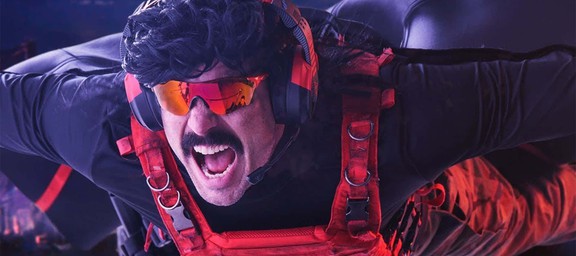
And then came the confession. On June 25, 2024, Dr Disrespect himself admitted that those messages had happened. He tried to frame it as “casual conversations that leaned too far,” insisting nothing illegal had taken place, no photos were exchanged, and no meeting ever occurred. But let’s be real — the damage was already irreversible. When a grown man admits he’d crossed that line, there’s no putting the genie back in the bottle.
The fallout was immediate and brutal. His own studio, Midnight Society, cut ties with him overnight. Sponsors backed away without hesitation. Games that once proudly featured him erased his presence as if he never existed. Even YouTube, his lifeline after Twitch, pulled monetization and left him stranded without revenue.
Watching it unfold felt like watching a giant collapse in slow motion. Just months earlier, he was untouchable — a millionaire streamer, a cult icon, the man with the biggest swagger in gaming. And suddenly, his empire crumbled under the weight of four-year-old whispers that finally saw daylight.
This was no longer the story of a mysterious ban. This was the story of a legend unraveling in real time, exposed and stripped of everything he had built.
Dr Disrespect’s Public Defense and Denials
When the truth finally came out in 2024, Dr Disrespect had no choice but to face it head-on. His response was carefully crafted — part confession, part defense, and part damage control. He admitted the messages from 2017 were real, but he doubled down on one point: nothing illegal happened. He repeated it again and again, as if saying it loud enough could erase the weight of what he had just admitted.
I remember the tone he used — half defiant, half exhausted. He framed the conversations as “casual” and insisted there was no real intention behind them. According to him, it was a lapse in judgment, not a crime. And on paper, maybe that distinction mattered. But in the court of public opinion, the line between “not criminal” and “not acceptable” had already been obliterated.
Here’s the provocative part: his denials didn’t come across as liberating, they came across as desperate. The larger-than-life champion, the man who always strutted with confidence, was suddenly on defense, explaining himself to an audience that didn’t want explanations — they wanted accountability.
In the end, his defense did little to save him. The industry had already made up its mind. Brands fled, his studio abandoned him, and platforms cut his revenue streams. His insistence that “no crimes were committed” might have been technically true, but it couldn’t stop the collapse of everything he had built.
For a man who thrived on control — controlling the stage, the narrative, the persona — watching him scramble to justify his past was proof of just how far the Two-Time had fallen.
Industry Confirmation and Fallout
Once the story broke wide open in 2024, the industry didn’t waste a second confirming what everyone had been whispering about for years. Former Twitch staff came forward, validating that the 2017 messages were the real reason behind his permanent ban. The mystery that had fueled four years of speculation was finally put to rest — and it was uglier than most fans wanted to believe.
The response from the gaming world was merciless. Midnight Society, the studio Dr Disrespect had co-founded to develop the shooter Deadrop, immediately cut ties with him. Within weeks, the studio itself collapsed, employees were laid off, and the game was shelved. Imagine that: a multimillion-dollar project killed overnight, not because of funding issues, but because its co-founder’s reputation had become radioactive.
Sponsorships vanished. Companies that once bragged about having the Doc in their campaigns — razor brands, energy drinks, hardware manufacturers — erased his image faster than they had plastered it across ads. Even NBA 2K24, which had proudly added him as a character, quietly deleted him from the game. It was as if he’d been blacklisted from every corner of the industry.
And the final blow came when YouTube pulled his monetization. For a streamer, that’s the equivalent of losing oxygen. Overnight, his income stream was gone. For someone who once signed a Twitch deal worth millions, the sudden drop to zero wasn’t just financial devastation — it was humiliation on a global stage.
To me, this was the most shocking part of the fall. It wasn’t just that Dr Disrespect was caught in a scandal. It was how completely the industry turned its back on him. No safety nets, no second chances, no redemption arc. One day he was untouchable; the next, he was erased.
Fallout and Consequences
Collapse of Midnight Society and Deadrop
When I think about the fallout of the 2024 revelations, nothing symbolized Dr Disrespect’s downfall more than the collapse of his own studio, Midnight Society. This wasn’t just a side hustle — it was supposed to be his legacy beyond streaming. Launched in 2021, the studio was hyped as the Doc’s big leap into game development, with him positioned not only as a co-founder but as the face of the brand.
Their flagship project, a vertical extraction shooter called Deadrop, promised to “reinvent competitive FPS.” Investors lined up, fans bought into the hype, and the early alpha builds drew attention purely because Dr Disrespect’s name was attached. For a while, it looked like he had successfully expanded from entertainer to industry player.
Then the scandal broke. The day he admitted to the 2017 messages, Midnight Society’s leadership cut ties with him publicly. Within weeks, the project stalled. Developers were laid off, updates stopped, and the dream of Deadrop evaporated. By early 2025, the studio had essentially collapsed, leaving fans who had invested money and trust with nothing but a dead Discord channel and broken promises.
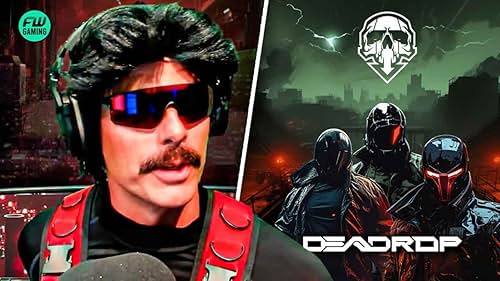
Here’s the brutal truth: studios survive bad launches, even bad games. But they don’t survive when their co-founder becomes a PR disaster. Midnight Society didn’t fail because of game mechanics or funding — it failed because Dr Disrespect’s name had turned toxic. And with it, his shot at leaving a permanent mark on game development was buried alongside the ruins of Deadrop.
YouTube Demonetization and Recovery
After the Twitch ban, YouTube became Dr Disrespect’s lifeline. It was the one place where he could still perform, pull in hundreds of thousands of views, and keep the Champions Club alive. For a while, it seemed like he had weathered the storm. Streams were running smoothly, donations were rolling in, and he still felt untouchable.
But in June 2024, that lifeline was cut. In the wake of the revelations about his 2017 messages, YouTube hit him where it hurts most: they demonetized his channel and suspended him from the Partner Program. Overnight, ad revenue, Super Chats, and channel memberships — gone. For a creator of his scale, that wasn’t just a hit, it was a knockout punch.
I remember the moment vividly because it was the ultimate humiliation. This was a man who had once signed multi-million dollar contracts, now stripped of the basic tools to earn a living on the very platform he relied on. He wasn’t just losing money — he was losing legitimacy. Being demonetized on YouTube is the digital equivalent of being blacklisted.
Months later, after investigations and behind-the-scenes negotiations, YouTube quietly restored his monetization. But by then, the damage was done. Sponsors didn’t return. Viewer trust was shattered. And the comeback never had the same momentum. Technically, he “recovered” — but the numbers told another story. His streams didn’t hit the peaks they once did, and his aura of invincibility was gone.
To me, this wasn’t recovery. It was survival. Dr Disrespect went from being a cultural icon to just another streamer clawing for relevance. And that shift marked the real end of his empire.
Losing Brands, Partnerships, and Colleagues
When the scandal exploded in 2024, the exodus of brands was ruthless. Companies that once plastered Dr Disrespect’s face on campaigns acted like he never existed. Gillette, which had used him in commercials, dropped him without hesitation. Razer, ASUS, Turtle Beach, G Fuel — all pulled their support. Overnight, the sponsorship pipeline that once brought him seven figures annually went dry.
And it wasn’t just corporations. Colleagues who once stood shoulder to shoulder with him distanced themselves fast. Streamers unfollowed him, influencers scrubbed collaborations from their feeds, and esports teams quietly cut off any ties. Even athletes and celebrities who once shouted him out went silent. In the streaming world, silence is the loudest signal — nobody wanted to be caught standing next to a sinking ship.
What struck me most was the speed. It didn’t take weeks or months; it took days. One day he was a golden goose for brands, the next he was poison. That kind of collapse doesn’t happen unless the industry has decided you’re too toxic to touch.
Here’s the provocation: in gaming, scandals come and go. Plenty of creators bounce back from bans, drama, even lawsuits. But with Dr Disrespect, the blacklist was absolute. No brand wanted redemption stories, no colleagues wanted “second chances.” He went from marketing icon to industry ghost almost overnight.
And for a man who built his empire on partnerships and loyalty from the Champions Club, being abandoned on all fronts wasn’t just business — it was betrayal.
Other Controversies Along the Way
The Infamous E3 Bathroom Incident
Before the 2020 ban ever happened, Dr Disrespect had already proven that controversy followed him everywhere. The most infamous example? E3 2019, when he live-streamed himself walking into a public bathroom at the convention center in Los Angeles.
I remember watching the clip — camera rolling, Doc strutting into the restroom in full costume, chatting with viewers as if nothing was wrong. The problem? He wasn’t just filming himself. He was broadcasting strangers, including a child, using the bathroom. In California, that wasn’t just bad taste, it was a violation of privacy laws.
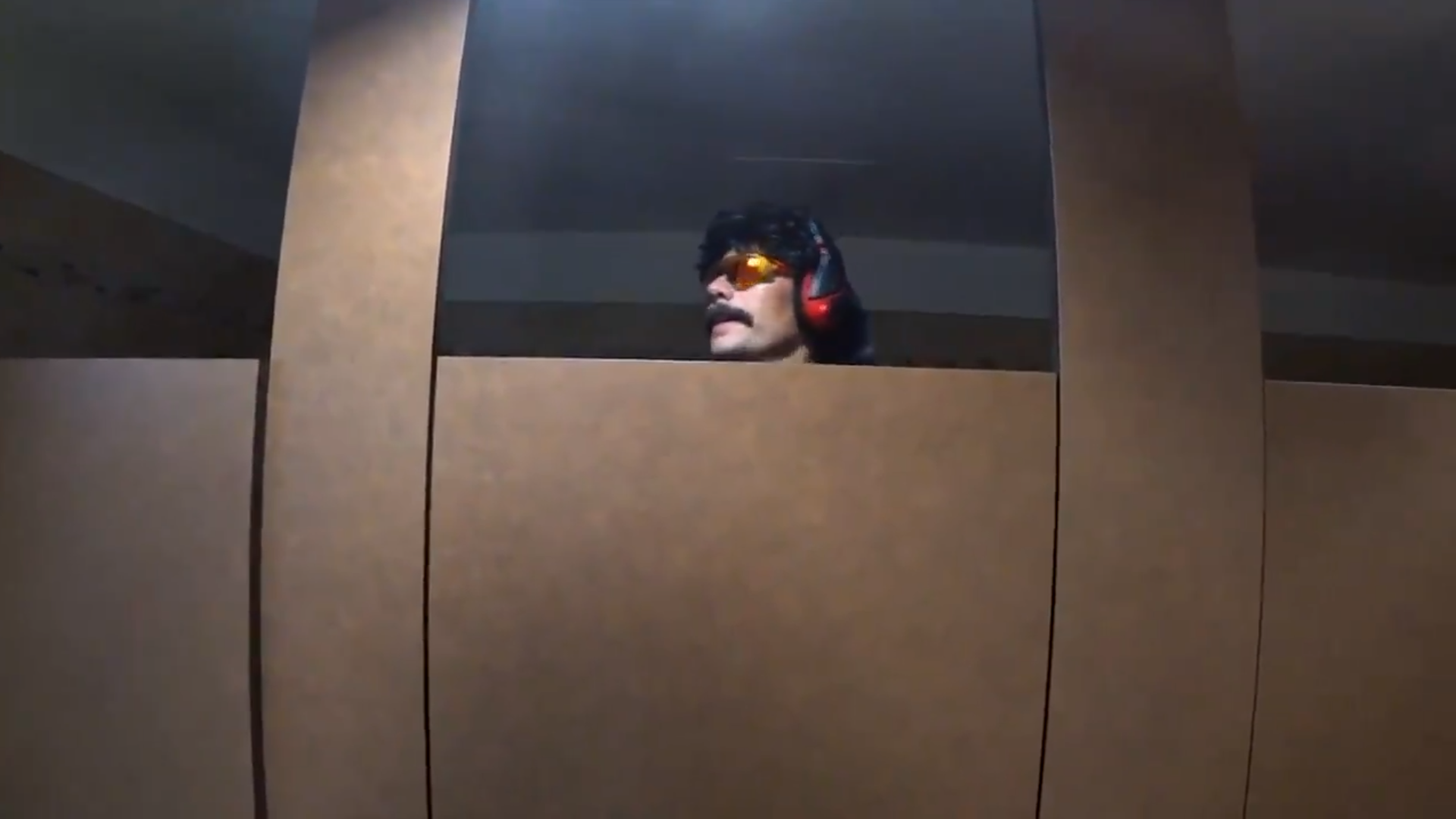
The backlash was immediate. Twitch suspended him for two weeks, and E3 revoked his access to the event. For most streamers, that would have been career suicide. But for Dr Disrespect, it became part of the legend. Fans laughed it off as “classic Doc,” critics slammed him as reckless, and the media tore into him for crossing a line nobody else dared to touch.
Here’s the crazy part: instead of sinking him, the incident boosted his notoriety. His return stream after the ban pulled in massive numbers. The controversy didn’t just fail to kill his career — it fed the image of Dr Disrespect as untouchable, a villain who could break rules and come back even stronger.
Looking back, that bathroom stunt feels like a warning shot. It showed how far he was willing to go for spectacle, and how the industry let him get away with it — until the scandal years later finally went too far.
Public Feuds with Other Streamers
If there’s one thing Dr Disrespect loved almost as much as dominating shooters, it was stirring up drama with other streamers. He thrived on conflict, and for years, his public feuds kept him in the spotlight just as much as his gameplay.
I remember his clashes with Nadeshot, the founder of 100 Thieves. What started as lighthearted banter quickly escalated into full-on shots fired. Doc mocked Nadeshot’s skills and leadership, while Nadeshot fired back by questioning Doc’s relevance outside his over-the-top persona. Their back-and-forth spilled across Twitch streams, Twitter, and YouTube clips, with fans egging on every punch. It wasn’t just beef — it was entertainment.
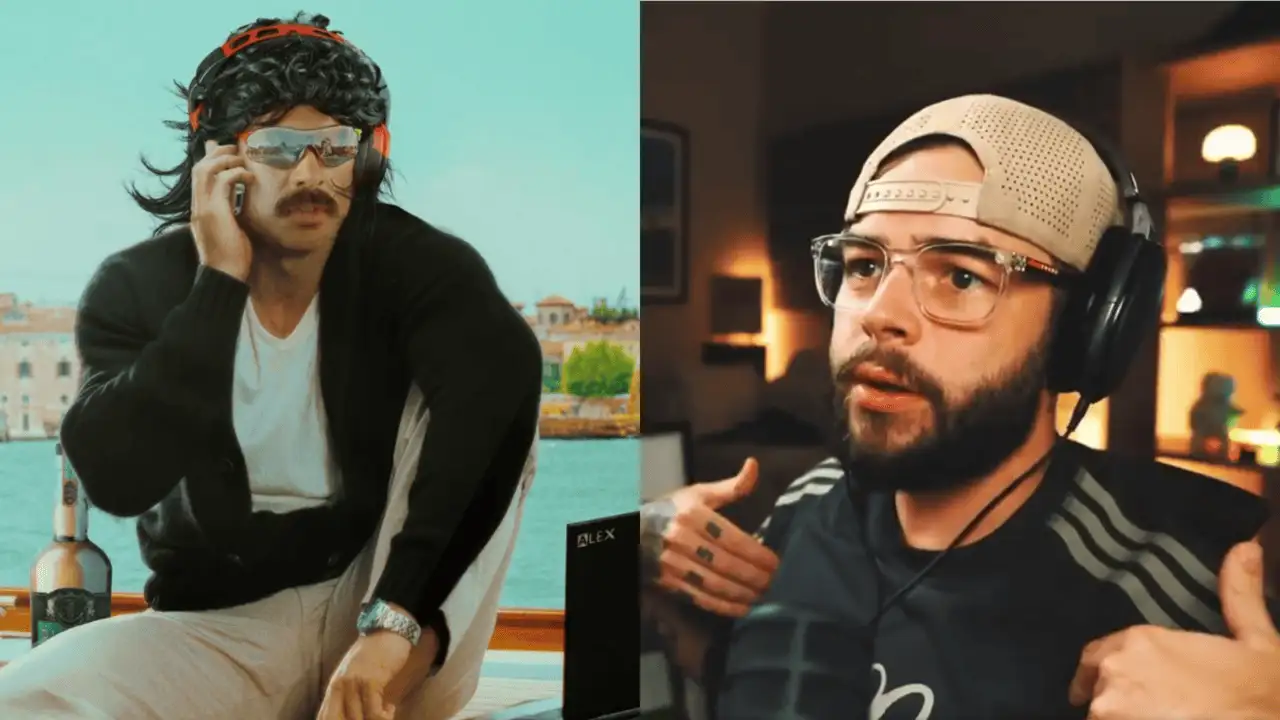
He also took aim at other big names like Shroud and Ninja, sometimes indirectly, sometimes head-on. His signature arrogance — claiming he was the “face of Twitch” while dismissing rivals as overhyped — always guaranteed headlines. Whether he believed it or not didn’t matter; the drama fueled his brand. Fans tuned in not only to watch him play but to see who he’d go after next.
Here’s the thing: these feuds weren’t accidents. They were strategy. Doc knew conflict sells, and he leaned into it shamelessly. But the downside was clear. Over time, the line between the character and the man blurred. What once felt like theater started to look like genuine arrogance. And when his bigger scandals finally surfaced, those old feuds made it easier for critics to paint him as toxic rather than misunderstood.
For Dr Disrespect, rivalries were fuel — but they also laid the groundwork for the fall. Because in this industry, once you run out of allies, there’s nobody left to defend you when the storm hits.
Persona vs. Reality — Where He Crossed the Line
From the beginning, Dr Disrespect sold himself as a character — the mustache, the wig, the sunglasses, the arrogance. It was theater, and everyone knew it. Fans loved the act because it was larger than life, something no ordinary streamer could pull off. But somewhere along the way, the act and the man blurred together.
I remember moments on stream where it was impossible to tell if he was joking or if the ego was real. He berated opponents, dismissed rivals, and strutted like a heavyweight champion. At first, it was entertaining. But the more his fame grew, the harder it became to separate Guy Beahm, the man, from Dr Disrespect, the persona. And that’s where the danger crept in.
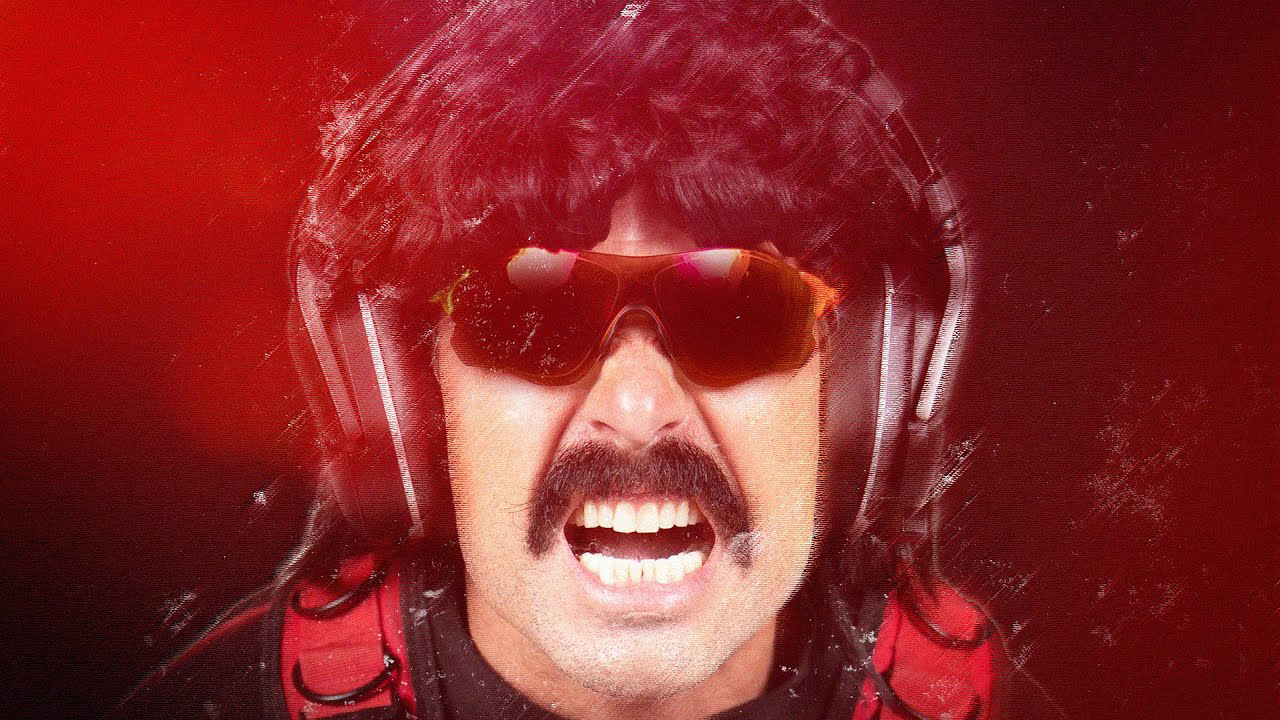
The bathroom stunt at E3 in 2019? That wasn’t just “the character.” That was a real decision with real consequences. The whispers scandal from 2017? That wasn’t Doc playing a role — that was Guy crossing a line the character couldn’t protect him from. Fans who once defended everything as “part of the show” had to face the reality that not all of it was fiction.
Here’s the uncomfortable truth: the persona gave him power, but it also gave him cover. He could brush off criticism by claiming it was “just the character,” while soaking up the fame and money the act generated. But when the biggest scandal hit, there was no mask left to hide behind. The arrogance that once made him untouchable now made him look guilty, toxic, and alone.
In the end, Dr Disrespect didn’t just cross the line — he erased it. And when reality finally caught up, the fall was twice as hard because nobody knew where the character ended and the man began.
Community and Fan Reactions
The Loyalists Who Still Support Him
Even after the revelations in 2024, Dr Disrespect didn’t lose everyone. A core of diehard fans — the so-called Champions Club — refused to abandon him. I watched them flood chats, defend him on social media, and push back against every headline. To them, the Doc wasn’t just a streamer; he was a symbol of defiance, someone who fought authority and lived without apology.
Some of these loyalists argued that his mistakes were overblown, that the punishment didn’t fit the crime. Others leaned on the same defense Doc himself used: “nothing illegal happened.” They clung to the persona they loved, separating Guy Beahm’s actions from Dr Disrespect’s character, as if the two could exist apart.
And here’s the provocative part: loyalty like this is almost cult-like. No matter what evidence surfaced, no matter how many sponsors or platforms dropped him, these fans doubled down. They donated, they subscribed, they kept his streams alive. In a twisted way, the scandal made their support even stronger, because now they felt like they were defending him against a hostile world.
But that loyalty came with limits. The Champions Club kept him relevant, yes — but not enough to bring back million-dollar contracts or industry respect. For all their passion, a loyal fan base can’t rebuild burned bridges. And in Dr Disrespect’s case, it showed the gap between popularity and power. He still had the first — but he had lost the second.
The Critics and the Cancel Culture Effect
For every loyalist who stood by Dr Disrespect, there were critics ready to tear him apart. The moment his 2017 messages came to light in 2024, the backlash was instant and unforgiving. Social media turned hostile — hashtags trended, clips circulated, and countless creators openly called him out. For them, this wasn’t just a scandal; it was proof that the Doc had always been exactly what they said he was: arrogant, reckless, and dangerous.
I remember how fast the narrative shifted. Before the revelations, he was “mysteriously banned” — the victim of Twitch’s silence. After, he was framed as the poster boy for why platforms needed stricter controls. In the eyes of critics, Dr Disrespect wasn’t just a streamer who crossed a line; he became a case study in how celebrity power in gaming could go unchecked.
And of course, the cancel culture machine went into overdrive. Sponsors cut ties, streamers distanced themselves, and every past controversy — from the E3 bathroom stunt to his public feuds — was dragged back into the spotlight. It didn’t matter whether those old incidents had been forgiven at the time. In the court of public opinion, they now painted a picture of a man who had been out of control all along.
Here’s the truth: cancel culture didn’t invent Dr Disrespect’s downfall, but it accelerated it. Once the tide turned, there was no coming back. His critics didn’t just want him punished — they wanted him erased. And for the first time in his career, the Two-Time had no comeback, no swagger, no performance that could flip the script.
Memes, Backlash, and Internet Legacy
If there’s one thing the internet knows how to do, it’s turn tragedy into content. The moment Dr Disrespect’s scandal hit the surface in 2024, memes flooded every platform. Screenshots of his old streams, clips of his cocky one-liners, even his trademark “Violence. Speed. Momentum.” catchphrase — all of it got twisted into punchlines about his fall.
I saw jokes comparing him to fallen athletes, disgraced celebrities, even politicians. His signature look — the wig, the mustache, the sunglasses — became a costume for ridicule. Fans who once shouted “Two-Time!” in admiration were now mocking him with sarcastic chants. It was brutal, but that’s the nature of internet culture: the higher the pedestal, the harder the meme-makers will drag you down.
But here’s the paradox. Even in disgrace, Dr Disrespect remained unforgettable. The memes kept his name alive, the backlash kept him trending, and his legacy — for better or worse — stayed cemented in gaming history. He didn’t vanish into obscurity like countless other banned streamers. Instead, he became the ultimate cautionary tale, the name everyone invokes when talking about how fast a career can implode.
And maybe that’s the final twist: Dr Disrespect wanted to be larger than life, a legend who would outlast his rivals. He got his wish — just not in the way he imagined. His internet legacy is secure, but it’s not the triumph of a champion. It’s the spectacle of a downfall that the world won’t stop replaying.
Where Is Dr Disrespect Now?
Rumble and YouTube Streaming Attempts
After Twitch shut the door and YouTube stripped away monetization in 2024, Dr Disrespect’s options narrowed fast. But the Two-Time wasn’t ready to vanish. He turned to Rumble, the alternative platform hungry for high-profile names, and doubled down on streaming through YouTube once his monetization was eventually restored.
I watched those first streams after the scandal. The numbers were still impressive — tens of thousands tuned in, curious to see if the Doc still had his trademark fire. But it wasn’t the same. The energy felt forced, the swagger a little too polished, like a man trying to convince the world (and himself) that nothing had changed.
On Rumble, he branded himself as uncensored, free from corporate strings, a fighter against the so-called “cancel culture.” That message resonated with part of his audience, but let’s be honest: it didn’t pull in the mainstream crowds he once commanded. On YouTube, even with monetization back, the streams lacked the gravitational pull of his Twitch days. His chat still cheered, donations still came in, but the empire had shrunk.
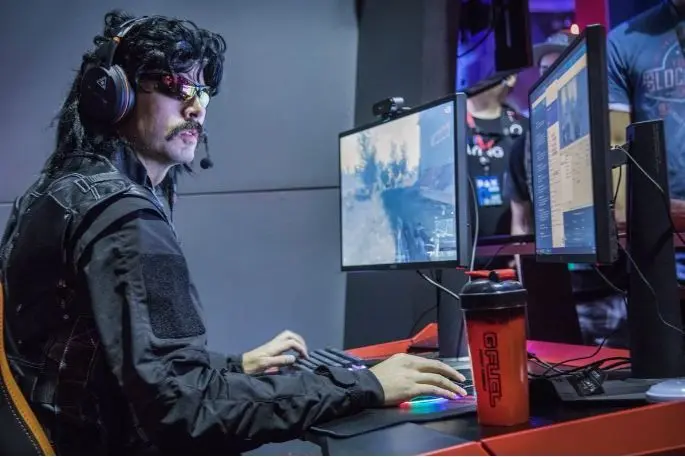
Here’s the reality: Dr Disrespect was no longer the face of streaming. He had gone from being the king of Twitch to just another creator grinding for relevance on smaller platforms. The fall wasn’t just about losing money or contracts — it was about losing that aura of untouchability. Once you’ve been erased by the biggest platforms, no amount of bravado can make you the centerpiece again.
Audience Retention vs. Decline
When Dr Disrespect first reappeared on YouTube and later experimented with Rumble, the numbers looked strong on the surface. Streams pulled in 30,000 to 40,000 concurrent viewers, which would be a dream for most creators. But here’s the catch: for a man who once drew hundreds of thousands during Twitch peaks, those numbers told a different story.
I could see the split in his audience. The diehard loyalists never left — they spammed the chat, bought the merch, and carried the Champions Club like a badge of honor. But the casual viewers, the ones who had made him mainstream, started fading out. They weren’t there for YouTube’s stripped-down version of Doc. They weren’t going to Rumble. They had moved on to Kai Cenat, xQc, IShowSpeed — the new kings of streaming.
The decline was gradual but undeniable. His broadcasts felt smaller, less urgent. Sponsors weren’t chasing him, headlines weren’t celebrating him, and the magic of “you can’t miss this” was gone. He wasn’t leading the culture anymore; he was clinging to what remained of it.
Here’s the provocation: numbers don’t lie. And while Doc still pulled better stats than 99% of streamers, he wasn’t the phenomenon anymore. He was surviving, not thriving. The man who once claimed to be “the face of Twitch” had been reduced to just another name in the endless scroll of live streams. For someone who built a career on being larger than life, that decline was the most painful blow of all.
Can He Ever Make a True Comeback?
Every time I analyze Dr Disrespect’s career arc, this is the question people always ask: can the Two-Time ever stage a real comeback? The short answer — no, not in the way fans imagine.
Here’s why. In streaming, reputation is currency. Once platforms, sponsors, and colleagues label you as toxic, that stigma doesn’t wash away with time. Twitch isn’t bringing him back, big brands aren’t signing million-dollar deals with him again, and mainstream culture has already moved on. The new wave of streamers — Kai Cenat, xQc, IShowSpeed — dominate the spotlight he once owned. The throne is no longer empty.
Sure, he still has his loyal base. He can still pull solid numbers on YouTube or Rumble. He can sell merch, crack jokes, and keep the Champions Club alive. But that’s survival, not a comeback. A true comeback would mean reclaiming his place at the very top of the industry, and that door has been slammed shut.
The truth is provocative but simple: Dr Disrespect’s downfall wasn’t just about a ban. It was about trust. Once the mask slipped in 2024 and the world saw what really cost him Twitch, the myth of the untouchable champion shattered. And no amount of sunglasses, wigs, or catchphrases can rebuild a legend once the foundation has rotted away.
He can keep streaming. He can keep entertaining. But the era of Dr Disrespect as the king of gaming is gone forever.
Legacy of Dr Disrespect
His Influence on Streaming Culture
When I look at the streaming world today, it’s impossible to ignore Dr Disrespect’s fingerprints all over it. He turned streaming from casual hangouts into high-production entertainment. Before him, most streamers sat quietly in their rooms playing games. Doc brought a full character, catchphrases, costumes, green screens, and a style closer to pro wrestling than gaming.
He showed the industry that personality mattered more than raw gameplay. Streamers who came after him — whether they admit it or not — borrowed from his formula: larger-than-life personas, inside jokes with their communities, theatrical stunts. Even his failures became lessons for the platforms themselves, forcing Twitch, YouTube, and sponsors to rethink how much power a single creator should hold.
The Rise-and-Fall Archetype in Gaming
Dr Disrespect’s story isn’t unique in entertainment, but in gaming it became the clearest example of the rise-and-fall cycle. He went from a regular game developer to a cultural icon pulling in millions, only to lose everything in the span of a few years. That arc — meteoric rise, shocking scandal, public collapse — is now the template people use when they talk about the dangers of internet fame.
Every time a new star blows up on Twitch or YouTube, fans whisper: “Remember what happened to the Two-Time.” His downfall is now part of the cautionary folklore of gaming, a reminder that no one is too big to fall. And that’s a powerful legacy, even if it’s a tragic one.
Lessons for Future Streamers
For future streamers, Dr Disrespect’s story offers brutal but necessary lessons. First: the persona can make you famous, but it can also destroy you if it takes over your life. Second: the internet never forgets. A mistake in 2017 ended up killing his career in 2024 — proof that digital skeletons don’t stay buried. And third: trust is everything. Once the audience, the platforms, and the brands stop trusting you, there’s no contract or comeback big enough to save your career.
Here’s the final provocation: Dr Disrespect wanted to be remembered as a legend, and he got his wish. But the legacy he leaves behind isn’t just one of greatness — it’s a warning label for everyone chasing fame in streaming. His story proves that in this industry, the fall can be faster, harder, and far more permanent than the rise.
Conclusion
As I look back on Dr Disrespect’s story, it reads like a script Hollywood wouldn’t dare to write. A man who turned a wig, sunglasses, and pure arrogance into a multi-million-dollar empire. A streamer who redefined what online entertainment could look like. And yet, the same man who lost it all — contracts, sponsors, his studio, and his reputation — because of choices he made years earlier.
His rise was meteoric, his peak untouchable, but his fall was absolute. Twitch’s silence in 2020 created a legend, but the revelations in 2024 destroyed it. Today, he still streams, still entertains, still carries a loyal fan base. But he is no longer the face of streaming — he is the face of what happens when ego, scandal, and reality collide.
Dr Disrespect will be remembered. Not just as the “Two-Time Champion,” but as the clearest reminder that in the streaming world, success without accountability is a time bomb. And when it goes off, no one is too big to fall.
FAQ
-
Why was Dr Disrespect banned from Twitch in 2020?
For years the reason was undisclosed. In 2024, it emerged the ban traced back to inappropriate private messages he sent in 2017 to a minor via Twitch Whispers. He later acknowledged the messages and stated nothing illegal occurred and no meeting took place.
-
What did Dr Disrespect say about the 2017 messages?
He admitted the exchanges happened and called them “casual conversations that leaned too far.” He emphasized there were no photos, no crimes, and no in-person meeting, but the admission triggered severe professional consequences.
-
What happened to Midnight Society and the game Deadrop?
The studio cut ties with him after the 2024 revelations. Development stalled, layoffs followed, and the project effectively collapsed, ending his push to become a long-term player in game development.
-
Did sponsors and partners abandon him after 2024?
Yes. Major brand deals were dropped within days. Collaborators distanced themselves, game integrations were removed, and his commercial value declined sharply.
-
Was he demonetized on YouTube — and did he recover?
He was demonetized in mid-2024. Monetization was later restored, but momentum, sponsorship interest, and mainstream appeal never fully returned.
-
What was the E3 2019 bathroom incident?
He live-streamed inside a public restroom at E3, broadcasting attendees — including a minor — without consent. He received a temporary Twitch suspension and had his event access revoked.
-
Is the “Two-Time Champion” title real or a bit?
He claims back-to-back Blockbuster championships in 1993 and 1994. Records from that era are sparse; the ambiguity became part of the character’s myth and branding.
-
Where does he stream now — Rumble or YouTube?
He has streamed on both. Rumble offered an uncensored positioning; YouTube provided scale once monetization returned. Audience numbers remained solid but below his Twitch peak.
-
Did he face criminal charges related to the 2017 messages?
No criminal charges were filed. He acknowledged the inappropriate messages but stated there were no crimes, photos, or meetings. The consequences were professional and reputational.
-
Can Dr Disrespect make a full comeback to the top tier of streaming?
A full return to his former peak is unlikely. Platforms, brands, and peers prioritize trust. While he can maintain a loyal base, the mainstream, big-budget era appears over.
-
What impact did he have on streaming culture overall?
He popularized high-production, character-driven streams, shaping how creators use persona, catchphrases, and theatrics. His downfall also reshaped industry risk tolerance toward star creators.
-
What are the key lessons for future streamers from his story?
Separate persona from personal judgment, assume the internet never forgets, and protect trust above all. Fame scales fast — but reputational damage scales faster.