Hello! My name is Ethan Miller, and I’m a digital media and esports analyst. Counter-Strike is not just a computer game — it’s a phenomenon that reshaped the gaming industry and became the foundation of modern esports.
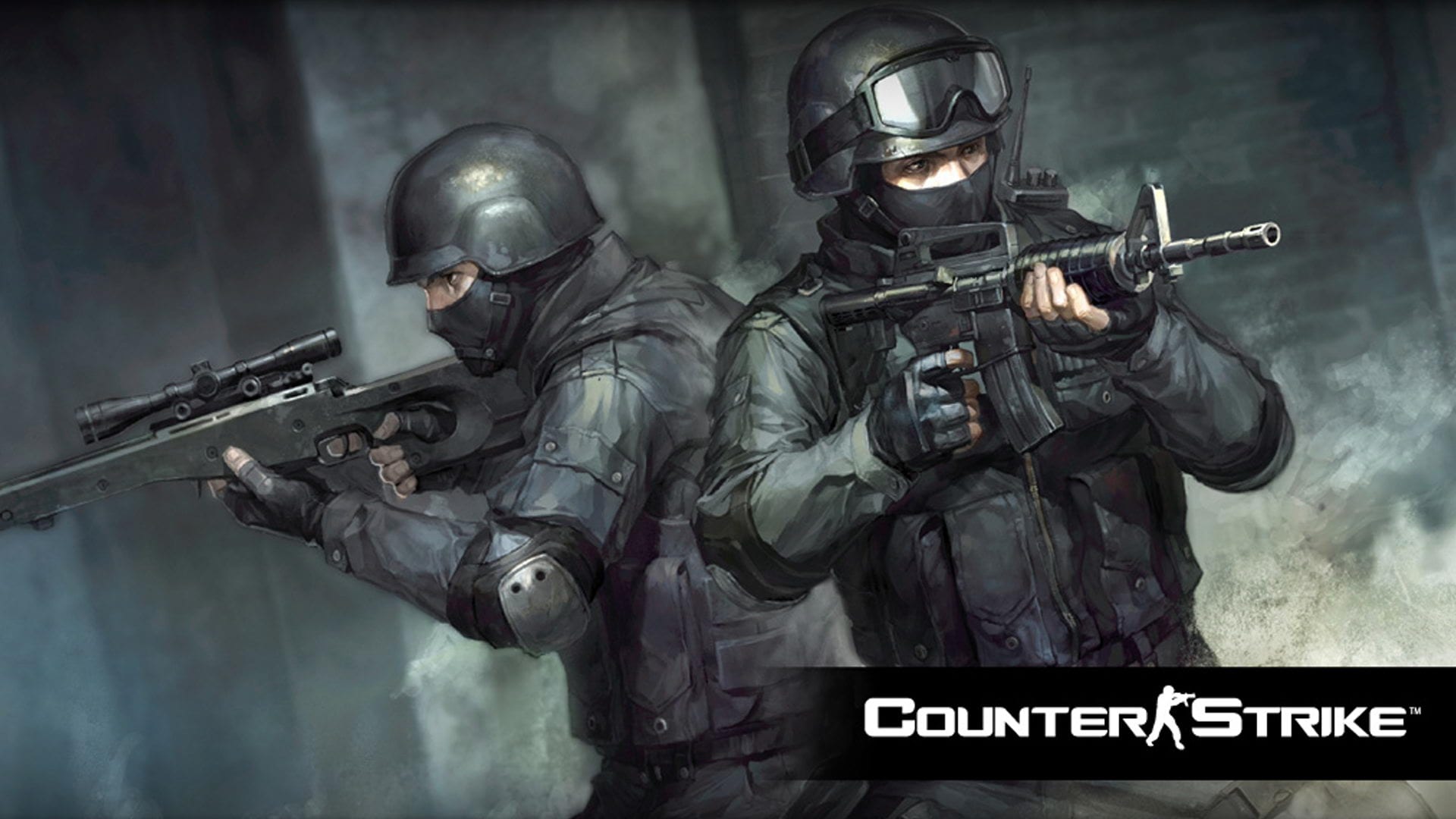
In this article, we’ll explore how the legendary series was born, the different versions that came out, how tournaments and prize pools evolved, which champions left their mark, and which teams made it into history. This is a full journey of Counter-Strike — from its humble beginnings to global recognition.
Who Created Counter-Strike and How It Started
Counter-Strike first appeared in June 1999 as a modification for Half-Life. It was created by a Canadian student, Minh Le, also known as Gooseman. Later, American developer Jess Cliffe joined the project, contributing the iconic de_aztec map and recording the in-game radio commands.
The original mod, called Beta 1.0, included just nine maps, four character models, and a handful of weapons. Every few weeks new betas were released, adding maps and balancing the gameplay. By the time Beta 4.0 dropped in 2000, Counter-Strike had already become the most popular Half-Life mod, overtaking dozens of rivals like Team Fortress Classic.
Fun fact: many early maps, including de_dust, were created by fans, not developers. De_dust’s designer, Dave Johnston, built it in just a few days as a personal experiment — yet it became the symbol of the entire franchise.
Valve quickly noticed the explosive growth. In April 2000, the company acquired the rights to Counter-Strike. That fall, the commercial release of CS 1.0 launched, instantly dominating internet cafés worldwide. Unlike other shooters of the time, CS offered short rounds, team-based tactics, and no respawns, making every match tense and thrilling.
The First Versions: From CS 1.0 to CS 1.6
After Counter-Strike 1.0 launched in November 2000, the game became an overnight sensation in gaming cafés. I still remember when the craze truly began — dozens of people played “CS” through the night, endlessly.
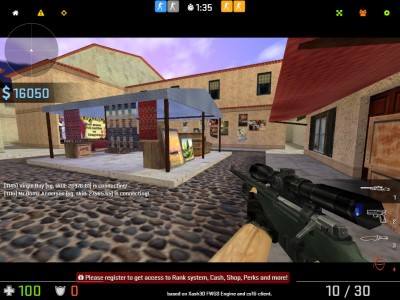
Updates continued to push the game forward. Version 1.3 (2001) introduced Steam server connectivity, effectively setting the standard for online play. Version 1.4 (2002) brought a stronger anti-cheat system, a crucial step for a fair competitive scene. Then came CS 1.5, the version that cemented Counter-Strike as a global esport, hosting the first major international tournaments.
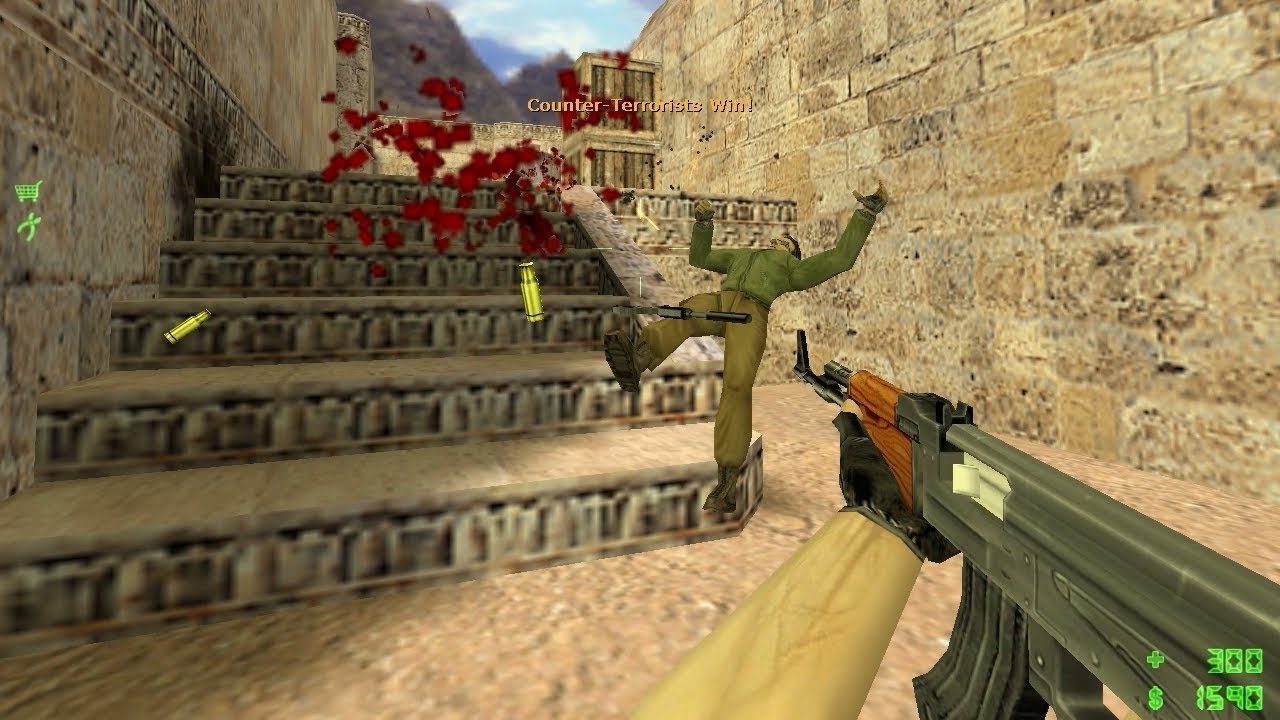
The most pivotal milestone was version 1.6 (2003). It added new maps like de_inferno and de_torn, introduced the riot shield, and fully transitioned to the Steam platform. In my view, CS 1.6 became the “gold standard”: it shaped an entire generation of esports pros and stayed relevant for over a decade. Even after newer versions were released, many professionals still considered 1.6 the purest and most balanced version.
Counter-Strike: Source and the Shift to the Source Engine
In 2004, Valve released Counter-Strike: Source, built on the new Source engine — the same engine powering Half-Life 2. The goal was to modernize CS with updated graphics and physics.
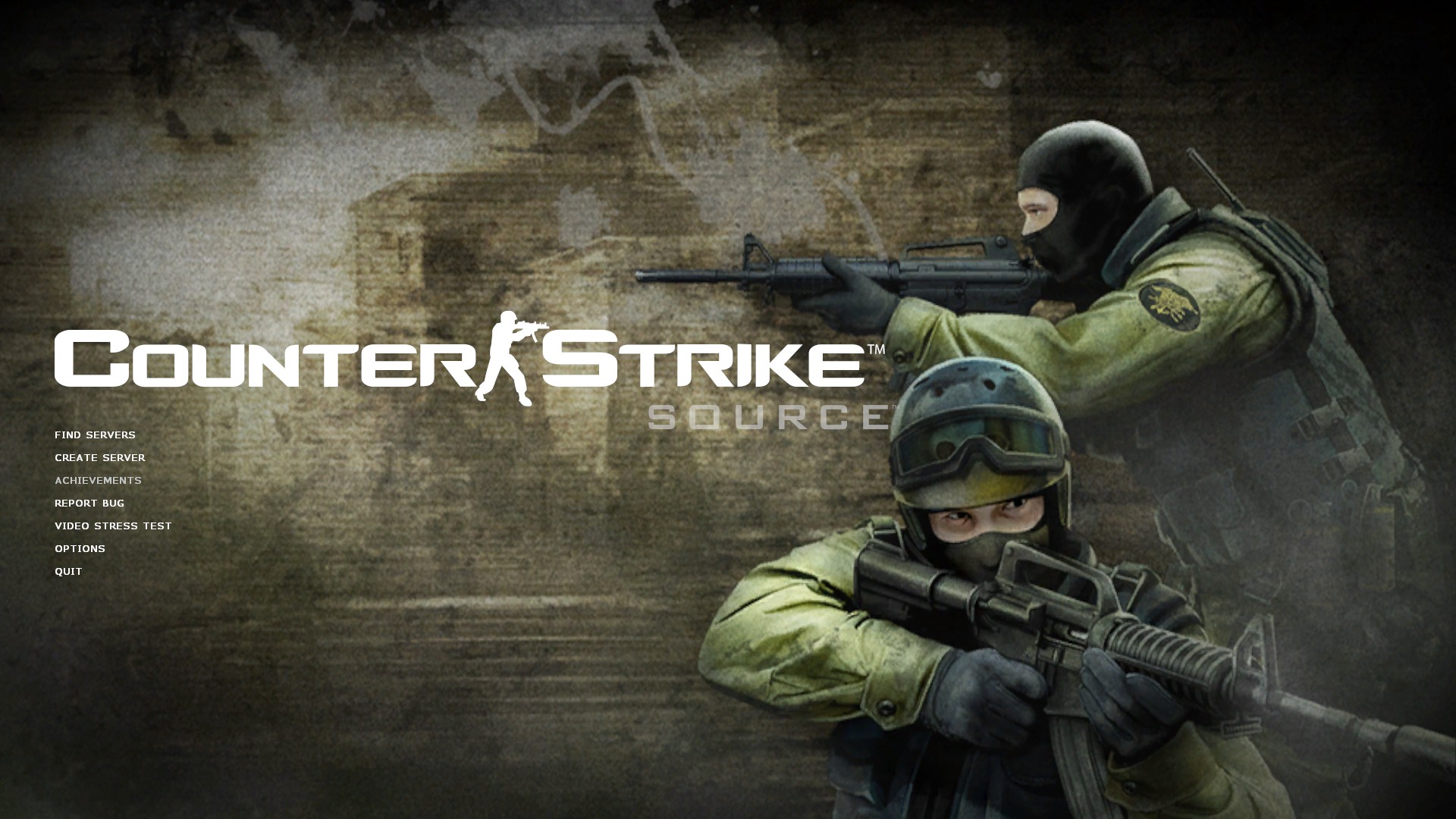
The result was mixed. On one hand, Source looked far better: realistic physics, improved lighting, and advanced animations. On the other hand, players complained about altered weapon balance and what they called a “too arcade-like” shooting feel. Personally, I believe this is why CS:S never managed to fully replace 1.6 in the competitive scene.
Still, Source played an important role. It laid the groundwork for future development and proved that Counter-Strike could adapt to new technology. CS:S was used in esports until around 2012, though it always trailed behind 1.6 in popularity.
Fun fact: during the Source era, modern esports organizations like Fnatic and mousesports began to form — both would later rise to legendary status in CS:GO.
Counter-Strike: Global Offensive — A New Era
In August 2012, Valve and Hidden Path Entertainment released Counter-Strike: Global Offensive (CS:GO). At the time, it seemed impossible to replace 1.6, but CS:GO steadily won players over and became the centerpiece of global esports.
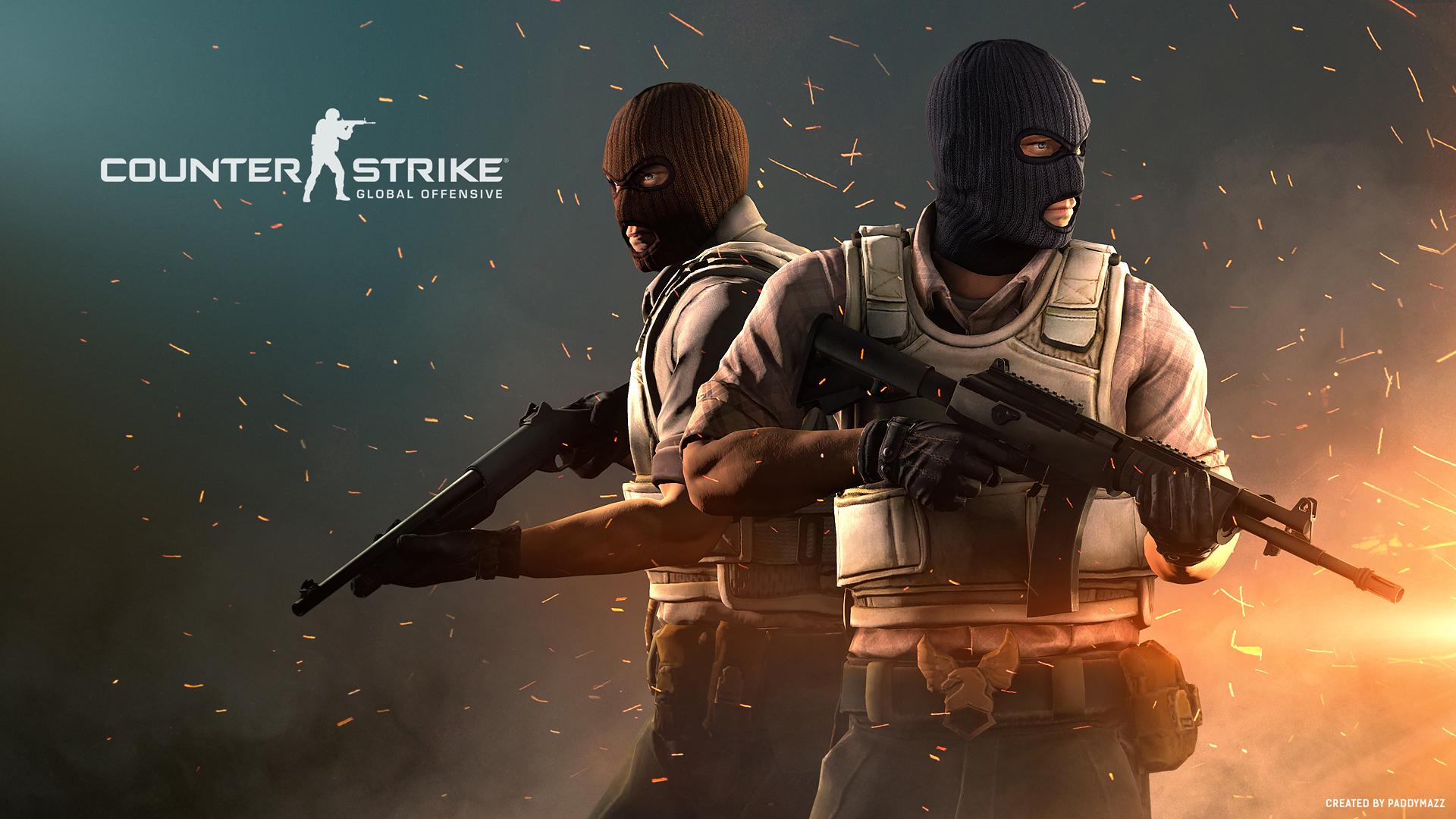
At first, many were skeptical. Updated graphics, reworked maps, new modes, and fresh weapons like the CZ75-Auto and Molotov cocktails all felt unfamiliar. But thanks to frequent patches, Valve managed to fine-tune the balance and transform CS:GO into the competitive standard.
The turning point came in 2013 with the introduction of skin cases. This feature not only reignited excitement but also created a massive in-game economy. Millions of players began trading items, and ultra-rare skins like the AWP | Dragon Lore became status symbols. In my opinion, the skin economy made CS:GO unique — it became not only a sport, but also a business.
The competitive scene took off quickly. The first CS:GO Majors, sponsored by Valve, launched in 2013. By 2015, prize pools had grown to hundreds of thousands of dollars. During this time, iconic lineups from Fnatic, Ninjas in Pyjamas, and Virtus.pro dominated the scene.
CS:GO thrived for over a decade, becoming a legendary esport that defined a generation. Personally, I see it as the most impactful chapter in CS history — the one that made Counter-Strike global and financially comparable to mainstream sports like soccer and basketball.
Counter-Strike 2: The Modern Stage
In March 2023, Valve officially announced Counter-Strike 2. Rather than a brand-new game, it was a massive overhaul of CS:GO, rebuilt on the Source 2 engine. The update was free for all CS:GO players and fully released in September 2023.
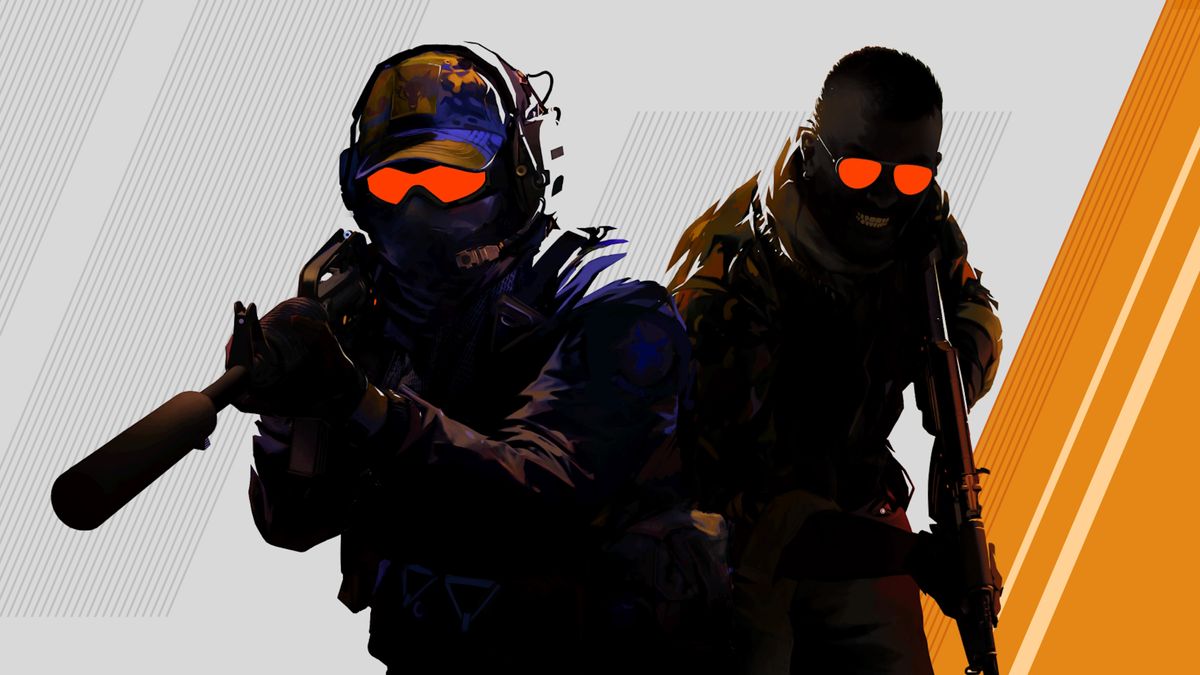
The biggest changes were technical. Maps were rebuilt with new lighting and physics, smoke grenades became dynamic (reacting to bullets and airflow), and server performance improved with “sub-tick” technology. To me, this server-side upgrade was key — it made the game fairer and more precise for competitive play.
Fun fact: players kept all their CS:GO skins in CS2, with visuals automatically upgraded thanks to new shaders and materials. This was essential for the in-game economy, which is worth billions of dollars.
By October 2023, the first CS2 tournaments replaced CS:GO events. Some pros initially complained about bugs and the rough launch, but by 2024 the scene had stabilized. Today, CS2 stands at the center of global esports, with prize pools continuing to rise.
In my view, Counter-Strike 2 is the natural evolution of the franchise. Valve preserved the spirit of the classic game while adding next-gen tech, securing Counter-Strike’s future for at least another decade.
Esports and Tournaments in Counter-Strike
The First CS Esports Tournaments
The first serious Counter-Strike events took off in the early 2000s. In 2001, CS joined the Cyberathlete Professional League (CPL), which is where the game truly stepped onto the world stage. CPL Dallas brought together the best lineups of the era and set the standards future championships would follow.
Across Europe, the Electronic Sports World Cup (ESWC), launched in 2003, became the headline act. For a while, France was the beating heart of the CS scene, with Paris finals drawing thousands of offline spectators—rare for esports at the time.
World Cyber Games (WCG) also deserves a special mention. From 2001 to 2010, WCG stood alongside StarCraft and Warcraft III as a premier discipline. For many players, a WCG title carried even more prestige than a big paycheck.
In my view, those early events laid the foundation for the entire industry. Prize pools were modest—often just tens of thousands of dollars—but recognition and the chance to represent your country mattered most.
Flagship Events: Major Championships
A new era began in 2013 when Valve started supporting the CS:GO Major Championships. The first was DreamHack Winter 2013 in Sweden with a $250,000 prize pool—a record for CS:GO at the time. Fnatic won the title, and that tournament cemented CS:GO as the flagship discipline.
In 2014, EMS One Katowice also offered $250,000, with Virtus.pro taking the crown. The Polish “golden five” made Katowice synonymous with elite Counter-Strike. From then on, Katowice and Cologne became annual pilgrimage sites for fans.
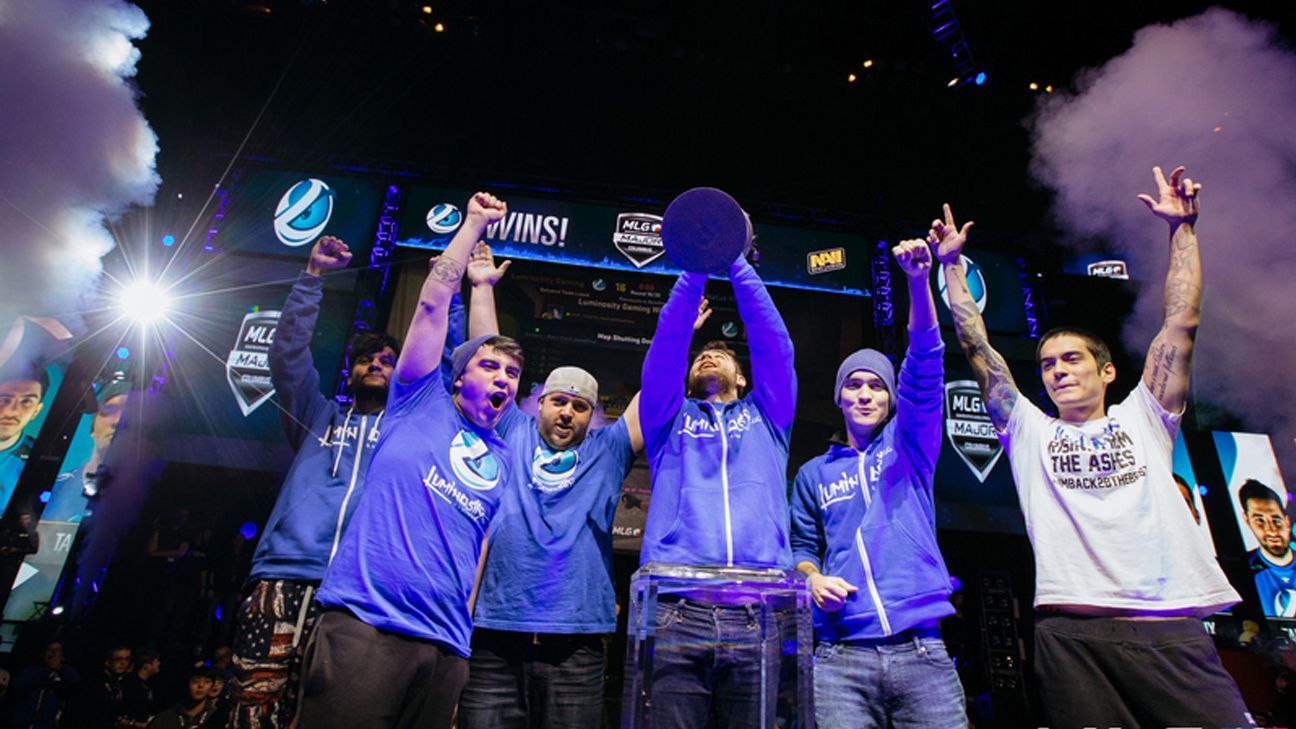
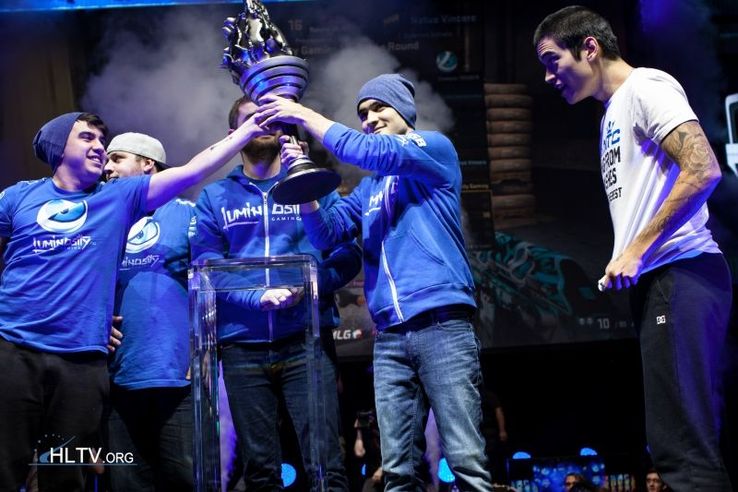
In 2016, Valve raised the Major prize pool to $1,000,000. The first $1M event, MLG Columbus 2016, was claimed by Brazil’s Luminosity Gaming—FalleN, coldzera, fer, fnx, and TACO—marking the birth of the Brazilian CS era.
Fun fact: ELEAGUE Major Atlanta 2017 produced one of the most famous comebacks ever, with Astralis defeating Virtus.pro in a classic final—an early signal of the dynasty to come.
From 2013 to 2023, there were 19 Valve-backed Majors, each with its own story. In 2021, PGL Major Stockholm hit a $2,000,000 prize pool, and the NAVI vs. G2 Esports final peaked at more than 2.7 million concurrent viewers across official broadcasts—an all-time CS:GO record.
In my view, the Majors turned Counter-Strike from a popular game into the esport. They set the bar for broadcasts, venues, and operations—standards other titles later adopted.
Prize Pools and the Economic Ripple Effect
Prize money grew alongside CS’s popularity. Early CPL and ESWC events offered roughly $20,000–$50,000. With CS:GO, everything changed.
Valve’s first $250,000 Major in 2013 became the starting line. In 2016, Majors scaled to $1,000,000—beginning with MLG Columbus. By 2019, annual CS:GO prize totals topped $20 million, placing CS firmly among the top three titles for player earnings.
Fun fact: PGL Major Stockholm 2021 featured a $2,000,000 purse—the largest in CS history. NAVI, led by s1mple, took home $1,000,000 for first place—a historic milestone for the CIS scene.
The impact goes far beyond prize money. Major-level events drive millions in local tourism and sponsorships for host cities. Katowice, for example, has essentially become an esports capital since 2014, with annual tournaments generating economic activity comparable to major traditional sports weekends.
In my view, the influx of capital turned CS into a full-fledged industry. Hundreds of organizations, sponsor deals, and live rights on Twitch and YouTube now underpin a market worth billions.
The Biggest Player Earnings
CS has always revolved around big events, but the real seven-figure headlines arrived with CS:GO. MLG Columbus 2016 was a breakthrough: Luminosity Gaming won $500,000, highlighted by coldzera’s iconic jumping AWP on Mirage—an instant classic that made the roster global superstars.
The numbers kept climbing. At FACEIT Major London 2018, Astralis lifted the trophy and $500,000; more importantly, their sustained dominance over two years pushed the roster’s cumulative winnings past $3 million—unprecedented at the time.
The watershed moment came at PGL Major Stockholm 2021: a $2,000,000 prize pool, with NAVI (led by Oleksandr “s1mple” Kostyliev) claiming $1,000,000 and the title without dropping a single map—another first for the region.
On individual career totals (as of 2023 data):
- dupreeh (Denmark) surpassed $2,000,000, becoming the top all-time CS:GO earner.
- Xyp9x, dev1ce, and gla1ve all crossed ~$1.9M, largely thanks to Astralis’s era.
- s1mple passed $1.7M by 2022 and, following BLAST Paris Major 2023, further cemented his superstar status.
Fun fact: despite massive team winnings, prize splits are typically fixed and even. Most rosters divide the purse equally, so every Major champion walks away with a significant share—one reason CS remains among the most lucrative esports careers.
In my view, those headline figures proved esports isn’t “for kids”—it’s a genuine profession. When one tournament can rival a top athlete’s monthly paycheck, you’re dealing with a global industry.
Teams and Players
Legends of the Scene: From Ninjas in Pyjamas to Astralis
Counter-Strike has always had era-defining teams. In the early 2000s, Ninjas in Pyjamas (NiP) won CPL Dallas 2001 and set the standard. Their aggressive tactics and strong mechanics influenced an entire generation.
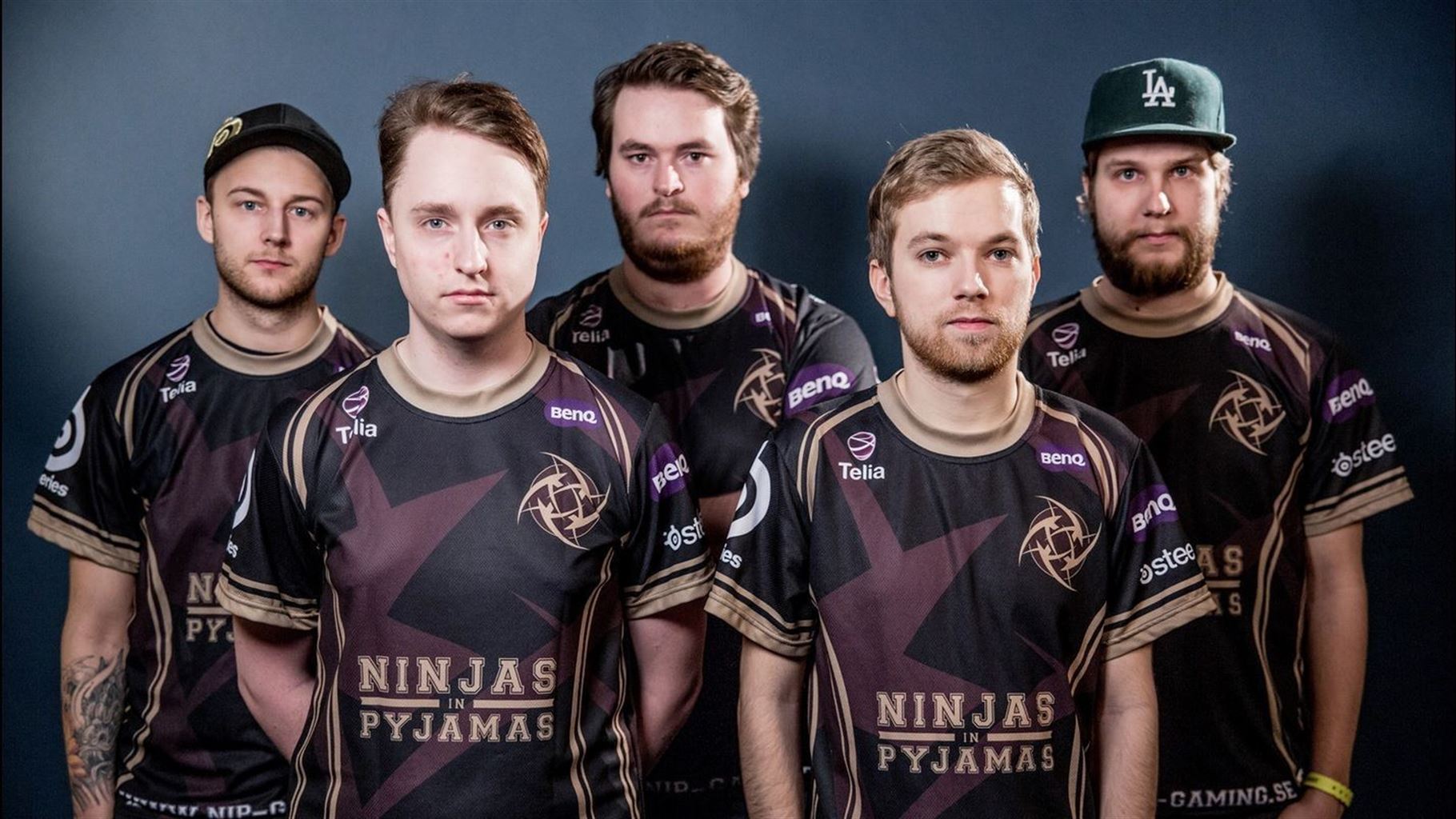
With CS:GO, NiP returned to the summit: in 2012–2013 they set an unmatched streak—87 LAN maps without a loss—still one of esports’ most astonishing records.
Next came Fnatic. In 2015, they became the first team to win back-to-back Majors. Their pace, mid-round creativity, and fearless style made them the team to beat for three straight seasons.
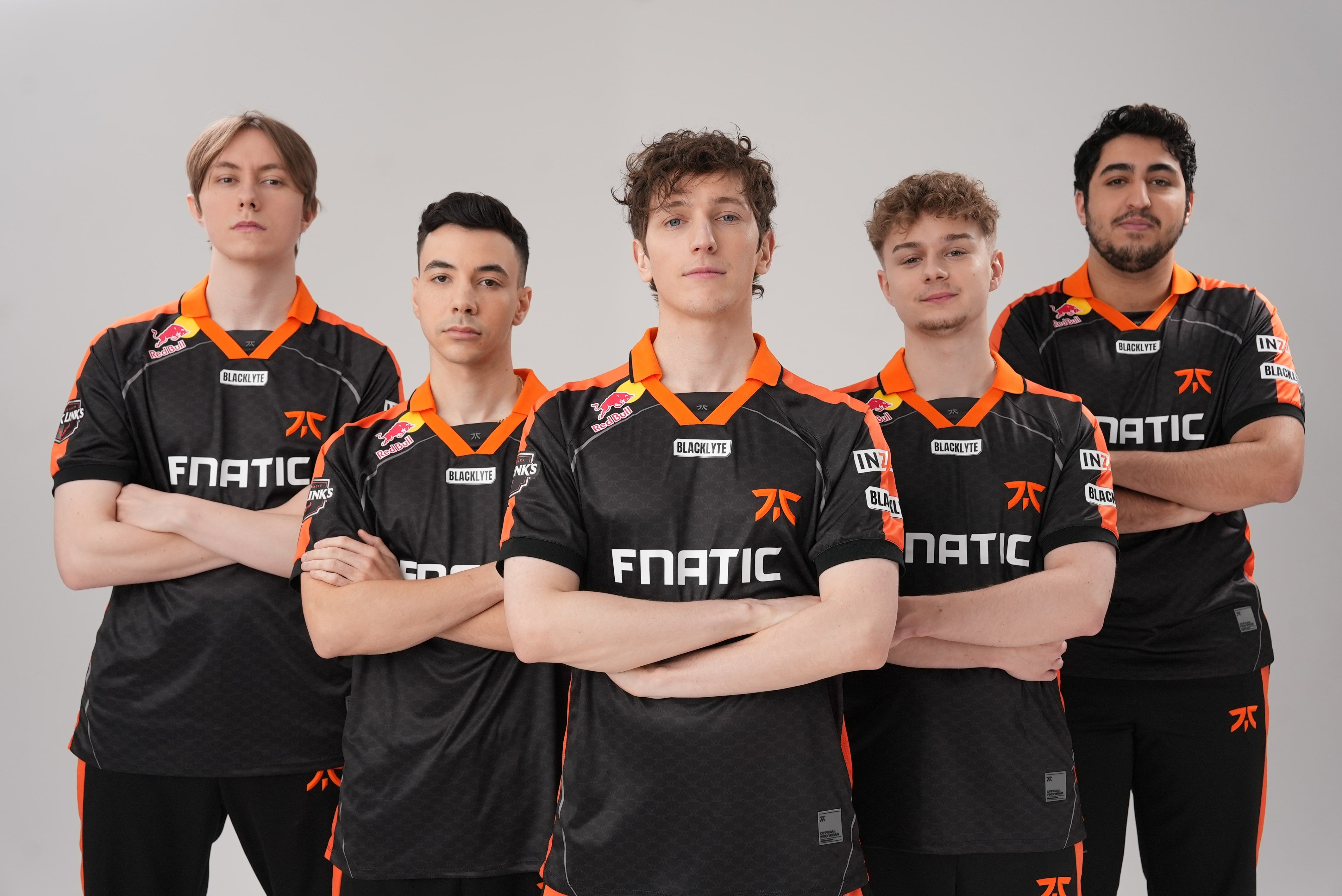
Then the Astralis era arrived. From 2018 to 2020, the Danes won four Majors, including a three-in-a-row streak—an absolute record. Their role clarity, prep routines, and data-driven approach changed how pros think about CS.
In my view, NiP, Fnatic, and Astralis define three core epochs—early, transitional, and modern. Their legacy still shows up today in how top CS2 teams practice, prepare, and game-plan.
The New Generation in CS2
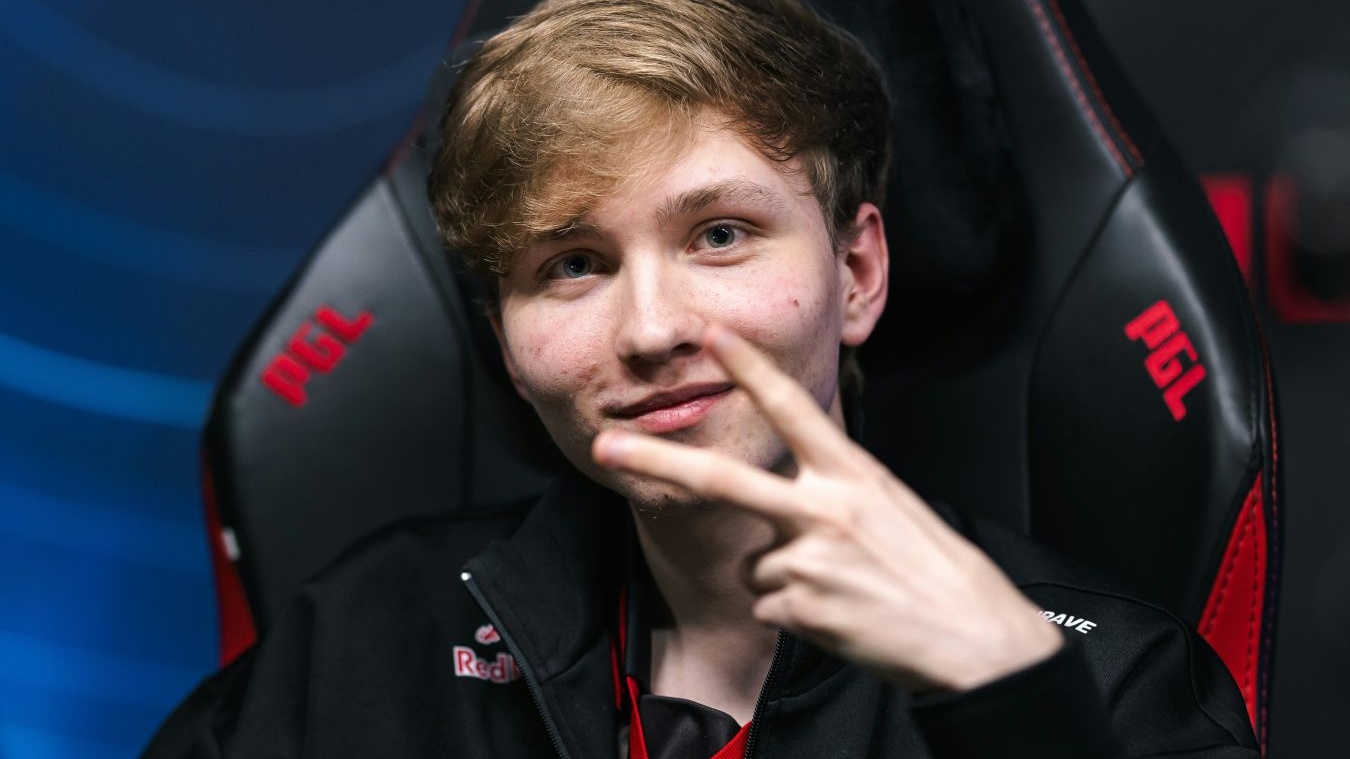
With Counter-Strike 2, a new wave has taken center stage. One of the faces of this generation is Ilya “m0NESY” Osipov. Moving from NAVI Junior to G2 Esports in 2022, he immediately proved he belonged at the top. At 17, he won his first elite title at IEM Katowice 2023—one of the youngest champions in CS history.
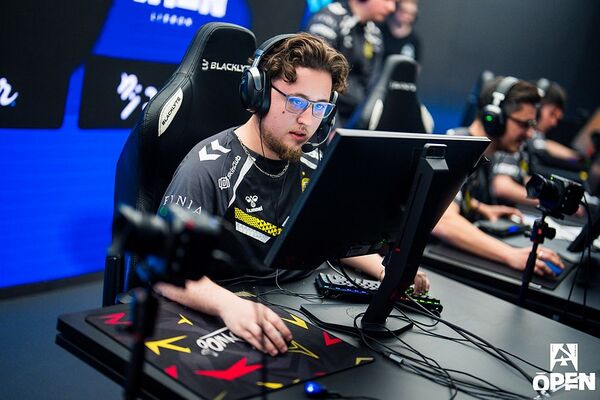
Another generational star is Mathieu “ZywOo” Herbaut of Vitality. Crowned the “heir to s1mple” during the CS:GO years, he validated the hype by winning BLAST Paris Major 2023—the last Major of the CS:GO era—and has continued to dominate in CS2.
Rosters from Heroic, Cloud9, and FaZe have also surged. sh1ro and Ax1Le helped anchor a new CIS core in CS2, while FaZe with ropz and broky have delivered consistent top-tier results.
Fun fact: unlike previous generations, today’s young stars grew up in the streaming-and-analytics era—reviewing demos, digesting HLTV stats, and even using AI-driven tools to study opponents’ patterns.
In my view, this new blood keeps CS2 fresh and fast. The gap between veterans and rookies is razor-thin—setting the stage for a brand-new competitive era.
Skin Economy and Million-Dollar Deals
CS:GO’s skin economy began in 2013 with the introduction of cases. What looked like pure cosmetics soon became a thriving marketplace with multi-million-dollar turnover. I’m convinced skins made CS truly unique—no other esport had anything like it at the time.
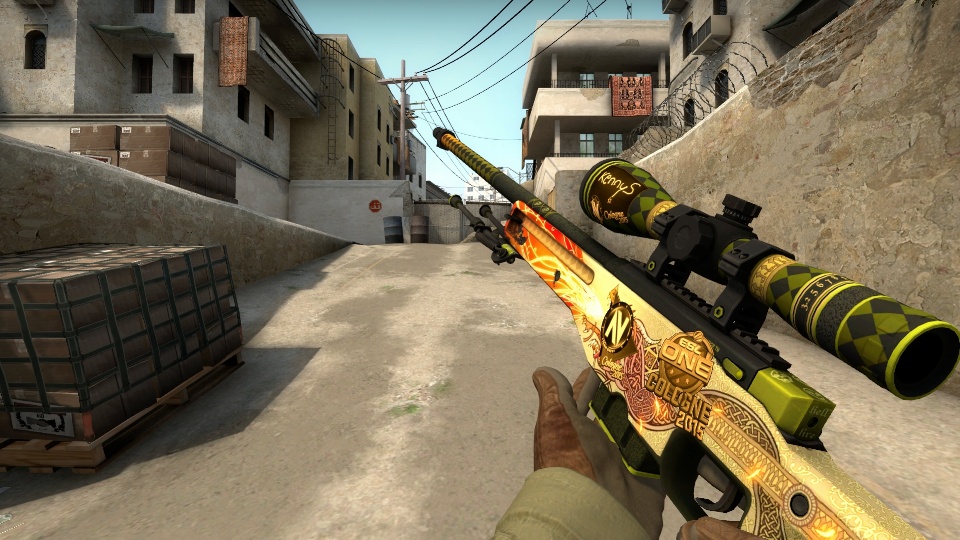
The priciest items are rare knives and collectors’ rifles. An AWP | Dragon Lore (StatTrak) signed by kennyS sold for about $61,000 in 2018. Another Dragon Lore with Boston Major stickers reportedly fetched around $150,000 in 2022—staggering for a cosmetic that offers zero gameplay advantage.
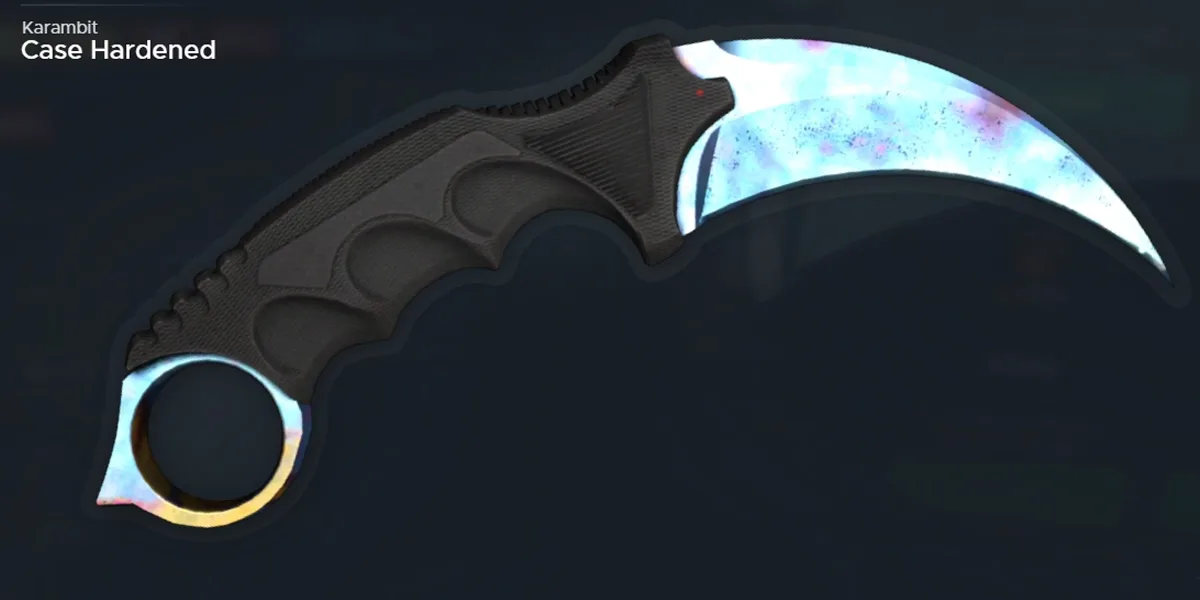
Knives are their own world. A Karambit | Case Hardened with a “blue gem” pattern reportedly sold for roughly $100,000 in 2020. A StatTrak M4A4 | Howl—limited after an art-rights dispute—now trades in the tens of thousands.
Fun fact: by 2023, analysts estimated the CS skin market at roughly $5–7 billion. Trades happen both on Steam’s marketplace and third-party platforms, where rare items can command eye-watering prices.
In my view, skins function as CS’s “second currency.” Players treat them like crypto or trading cards—status symbols that can cost more than a luxury car.
Sponsors and Betting: Money Beyond the Server
Beyond prize money and skins, sponsorships and betting power a huge slice of CS economics. By the mid-2010s, mainstream brands were all-in: NAVI worked with G2A and HyperX; Astralis landed deals with Audi and Jack & Jones. For esports, this was a watershed—global brands finally treating CS like traditional sports.
Betting partnerships became ubiquitous by 2020. NAVI signed with 1xBet; Virtus.pro worked with Parimatch. These deals brought in millions annually—often eclipsing tournament winnings in a team’s budget.
Fun fact: according to Newzoo estimates, the esports betting market surpassed $15 billion in 2022, with CS among the leaders. The reason is simple: year-round schedules and a clear competitive structure make CS highly predictable to follow and price.
In my view, sponsorships and betting made CS financially resilient. Even when prize pools hover in the millions, team budgets are primarily built on brand and bookmaker revenue—just like soccer or basketball, where the biggest money comes from the ecosystem around the game.
Twitch and Live Coverage: How CS Became a Show
From the mid-2010s onward, Counter-Strike became one of Twitch’s most-watched titles. The move to polished online broadcasts brought in millions of viewers. ELEAGUE Major 2017 peaked at over 1 million viewers on Twitch—a platform record at the time.
In 2021, the PGL Major Stockholm final between NAVI and G2 reached roughly 2.74 million concurrent viewers across platforms, including Twitch and YouTube—making CS the most-watched esport of the year and showing it can rival traditional sports in reach.
Fun fact: many retired pros become full-time streamers. shroud went from Cloud9 pro to one of the biggest broadcasters in the world, frequently pulling six-figure audiences for CS. Legends like PashaBiceps and olofmeister have also used Twitch to sustain and grow their fanbases.
In my view, Twitch turned Counter-Strike from a niche competition into mainstream entertainment. Tournaments are now full-fledged shows—analysis desks, interviews, memes, and highlights rack up millions of views. Counter-Strike isn’t just a game anymore; it’s a content industry, and streaming sits at its core.
Scandals and Defining Moments
The Biggest Bans: Cheating and Match-Fixing
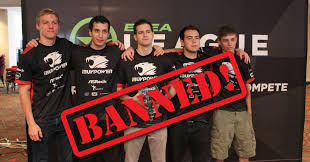
Counter-Strike has always lived and died by integrity—but the scene has had its shocks. The most infamous case is iBUYPOWER in 2014: the team intentionally threw a match against NetCodeGuides.com to profit from bets. Leaked chats exposed the scheme, and Valve handed lifetime bans to the roster. For the U.S. scene, it was devastating—America’s top lineup vanished overnight. To me, that episode is a lasting lesson for all of esports: no payday is worth your reputation.
Cheating rocked the scene around the same time. In 2014–2015, Valve’s VAC system flagged several high-profile players, including KQLY of Team Titan. His ban stunned fans—an elite pro lost his career over illicit software—showing Valve would remove even stars to protect fair play.
There were darker chapters in Australia and across the CIS region, too. In 2020, multiple Australian players received multi-year bans for match-fixing in a domestic league. In the CIS, investigations didn’t always reach conclusions, but the cloud of suspicion damaged the standing of certain clubs.
My take: these incidents forced CS to adopt tougher rules and better oversight. Scandals hurt—but they’re also how a scene gets cleaner and more professional.
Dramatic Comebacks and Legendary Matches
CS history is full of matches fans still quote. One of the most iconic moments is the MLG Columbus 2016 semifinal between Luminosity and Team Liquid. coldzera’s famous jumping AWP on Mirage—four kills in a flash—became the CS:GO highlight and a catalyst for Brazil’s rise.
Another classic: the ESL One New York 2016 final. NAVI trailed Virtus.pro 14–7 on Cobblestone before rallying to win 16–14. For me, it’s a perfect example of grit beating economy and tactics.
I also think of NAVI vs. FaZe at IEM Katowice 2020. FaZe controlled Dust2 early, but NAVI flipped the script with pressure and unconventional mid-round calls, took the trophy, and signaled they’d hit peak form.
These moments are why Counter-Strike is unique: no lead is safe, and a team on the brink can compose itself, swing momentum, and write a comeback for the ages.
The CS2 Controversies
When Counter-Strike 2 launched in September 2023, interest exploded—and so did criticism. Players expected perfection; instead, the first build was rough.
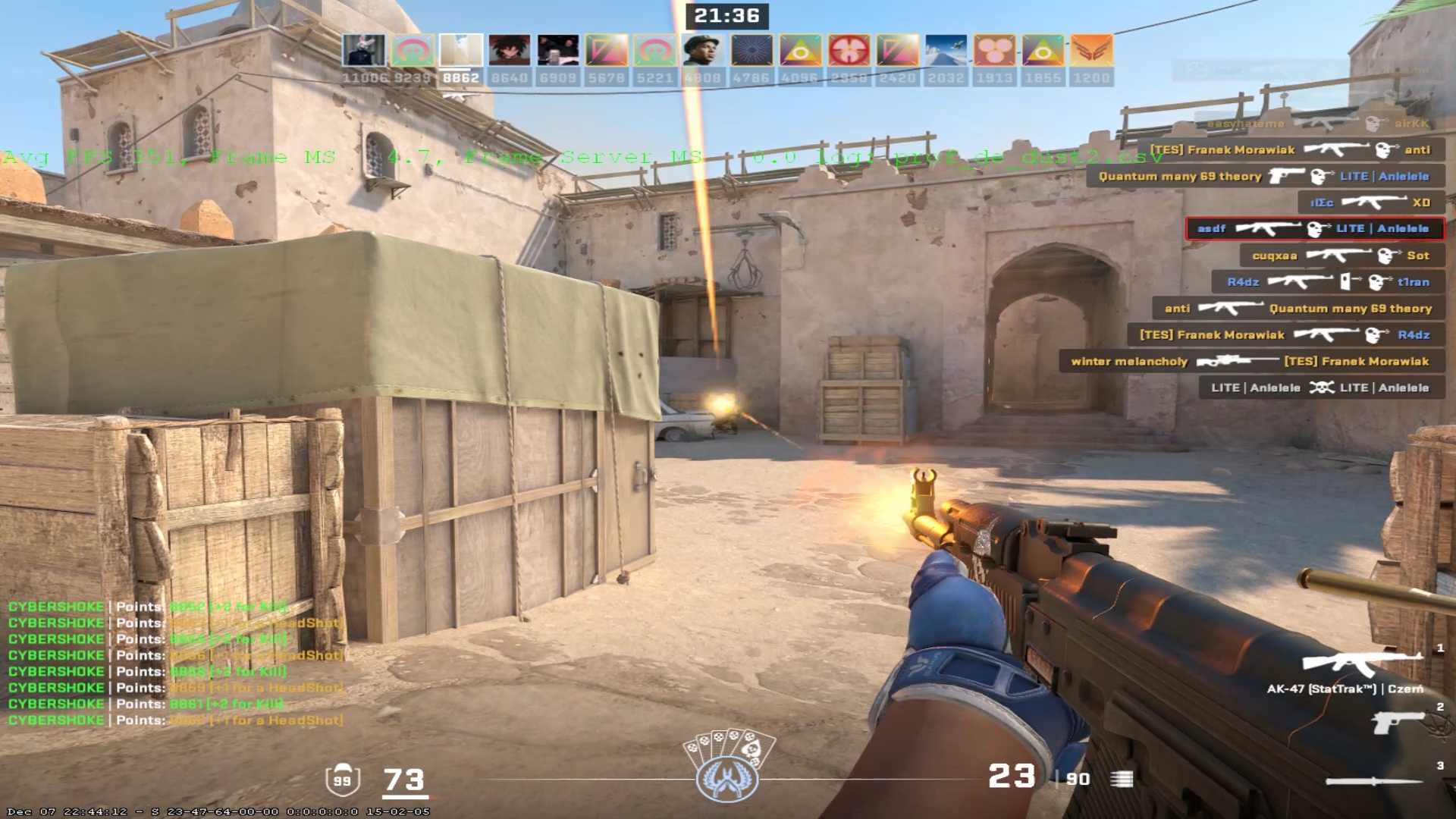
The biggest complaints were technical: physics bugs, performance hiccups, and issues with the new dynamic smokes. Pros said staples like Mirage and Inferno felt “off,” and weapon balance needed urgent tuning. The community split—some events switched to CS2 quickly, while several teams wished for a few more months of CS:GO. Veteran voices argued Valve rushed the release.
Here’s the twist: peak player counts still surpassed 1.5 million in the opening weeks—a franchise record. Valve shipped frequent updates, and by 2024 most critical issues were addressed.
My view: controversy was inevitable. Replacing a decade-defining game was always going to sting. But the pushback accelerated fixes, and CS2 has steadily grown into the “new classic.”
Counter-Strike Today and What’s Next
How CS2 Is Cementing Its Esports Status
Post-launch in 2023, CS kept its flagship standing. ESL and BLAST migrated quickly, preserving the calendar and competitive continuity.
By 2024, top-tier CS2 events were already clearing $1,000,000 prize pools and drawing multimillion online audiences. BLAST Premier Spring finals, for instance, showed no dip in appetite—peaks surpassed 1.6 million concurrent.
Organizations doubled down. FaZe, G2, NAVI, and Vitality retooled rosters for CS2’s demands. Young talent adapted fast, and the skill gap between CS:GO veterans and CS2 newcomers looks thinner than ever—making results more dynamic and less predictable.
Another shift: broadcasts got richer. 3D inserts, upgraded HUDs, and deeper on-screen analytics now mirror traditional sports coverage and boost viewer engagement.
My take: CS2 didn’t just inherit CS:GO’s stage—it laid the groundwork for the next decade.
The Skin Economy: Where It’s Headed
CS2 breathed new life into skins. Valve carried over every CS:GO inventory and visually upgraded items with Source 2 materials and shaders—instantly lifting the appeal of older, collectible pieces.
By 2024, records were already falling: Blue Gem Karambits pushing past $150,000; pristine Dragon Lores appraised above $200,000. I’m convinced CS2 prices will keep climbing as certain skins gain “antique” status.
Analysts pegged the skin market at roughly $5–7B in 2023, with forecasts eyeing $10B by 2030. A large share of sales happens off-Steam via third-party platforms, with auctions and private deals commanding sky-high valuations.
My view: skins are now a core growth engine. For Valve, they’re steady revenue; for players, a tradable investment; for esports, a magnet for sponsors. What started as cosmetics has matured into a true digital-asset class.
Possible Innovations and the Series’ Evolution
Counter-Strike evolves incrementally—from a 1999 Half-Life mod to a 2020s esports platform. Expect Valve to keep balancing classic CS with modern tech.
- Engine potential: Source 2 enables deeper physics and visuals. We already have dynamic smoke and revamped lighting; tomorrow could bring richer grenade interactions, more realistic destructibility, and higher-fidelity positional audio that meaningfully changes tactics.
- Esports format: Valve could broaden the Major ecosystem—more regional qualifiers, more events, bigger purses. A $5M Major by 2030 isn’t far-fetched and would put CS alongside the very top tiers of competition.
- Economy integration: with skins acting like digital assets, the next step could be official auctions, more transparent trading rails, and even selective blockchain integrations.
I believe CS will keep its core: simple rules, limitless tactical depth. That’s the timeless hook. Around it, CS2 will iterate—new maps, better spectator tools, and ever more professional events—to keep the game legendary for decades.
Conclusion
Counter-Strike has traveled from a 1999 fan mod to a billion-dollar ecosystem. Along the way, it cycled versions, forged legendary teams and players, and made its tournaments a fixture of global sports culture.
The secret sauce is simple rules, deep strategy. A newcomer can grasp the basics in minutes; winning at the top takes years of training and chemistry. That’s why CS doesn’t age—it compounds.
Today, CS2 is firmly embedded in esports. Skin markets are expanding, prize pools keep breaking records, and new generations sustain massive audiences. I’m confident Counter-Strike will remain the benchmark for competitive shooters—and a standard-setter for the industry—for years to come.
Counter-Strike FAQ (CS, CS:GO, CS2)
Ten concise answers about scandals, Majors, record viewership, skins, team eras, CS2 tech, and the road ahead.
-
What happened in the 2014 iBUYPOWER match-fixing scandal?
The roster deliberately lost a match to profit from bets. Leaked messages exposed the plot and Valve issued lifetime bans, setting a zero-tolerance precedent for Counter-Strike esports.
-
How does Valve respond to top-level cheating cases like KQLY?
VAC and tournament rules allow swift, severe penalties. When pros are caught using illicit software, bans are decisive and career-altering to protect competitive integrity.
-
Why are Majors considered the flagship CS tournaments?
Since 2013, Valve-backed Majors standardized global qualifiers, elite production, and large prize pools (from $250K to $1M+), turning cities like Katowice and Cologne into iconic CS hubs.
-
Which legendary matches define CS history?
Iconic moments include coldzera’s jumping AWP vs. Liquid (MLG Columbus 2016), NAVI’s 14–7 comeback vs. Virtus.pro on Cobblestone (ESL One NY 2016), and NAVI toppling FaZe at IEM Katowice 2020.
-
Why did CS2’s launch face criticism, and did it improve?
Early technical issues (performance, physics, dynamic smokes) drew backlash, but rapid patches followed. By 2024 competitiveness improved notably, and launch peaks still topped 1.5M players.
-
Which teams defined the key eras of Counter-Strike?
NiP set early standards (CPL Dallas 2001; 87-map LAN streak), Fnatic captured back-to-back Majors in 2015, and Astralis’s data-driven era (2018–2020) delivered four Majors, including three in a row.
-
Who represents the new generation in CS2?
Ilya “m0NESY” Osipov (G2) and Mathieu “ZywOo” Herbaut (Vitality) lead the charge, with strong cores rising in Heroic, Cloud9, and FaZe—players raised on demos, analytics, and streaming-era prep.
-
How big is the CS skin economy, and why are prices climbing?
Analysts estimated ~$5–7B in 2023. Source 2 upgrades boosted visual fidelity, increasing demand for rare collectibles (Blue Gem Karambits, Dragon Lores). Third-party trades and private deals lift valuations.
-
What role do sponsors and betting play in team budgets?
They’re foundational. While prize pools grab headlines, long-term financing comes from brand partnerships and bookmaker deals—mirroring traditional sports economics.
-
What’s next for CS2 in formats, tech, and broadcasts?
Incremental evolution: deeper physics/audio, richer HUD/3D inserts, broader qualifiers, and larger Major purses—preserving CS’s simple core while elevating tactical depth and spectator experience.