Hello! My name is Ethan Miller — I’m a digital media and streaming platforms specialist. For more than a decade, I’ve been closely following the growth of esports and how certain games have evolved into full-fledged industries with multi-million-dollar prize pools and massive fan bases.
Today, I want to talk about Dota 2 — a discipline that changed the rules of the esports game. We’ll go through its history: from a modest custom map in Warcraft III to the world’s biggest tournaments. I’ll show how legendary teams were formed, which players became icons of the scene, and the record-breaking amounts of money that were up for grabs at championships.
Beyond that, we’ll look at the less obvious side of Dota 2: the in-game item economy, the controversies around match-fixing and organizations, as well as the cultural legacy of the game that has gone far beyond esports.
This article is not just a dry timeline — it’s my professional take on why Dota 2 remains a unique phenomenon in the world of gaming and media.
The History of Dota and Dota 2
How the Dota Map Appeared in Warcraft III
To trace the origins of Dota, we need to go back to Warcraft III: Reign of Chaos, released in 2002. That’s where the idea of custom maps, created by enthusiasts using the World Editor, was born. Among countless custom scenarios, one map stood out: Defense of the Ancients (DotA).
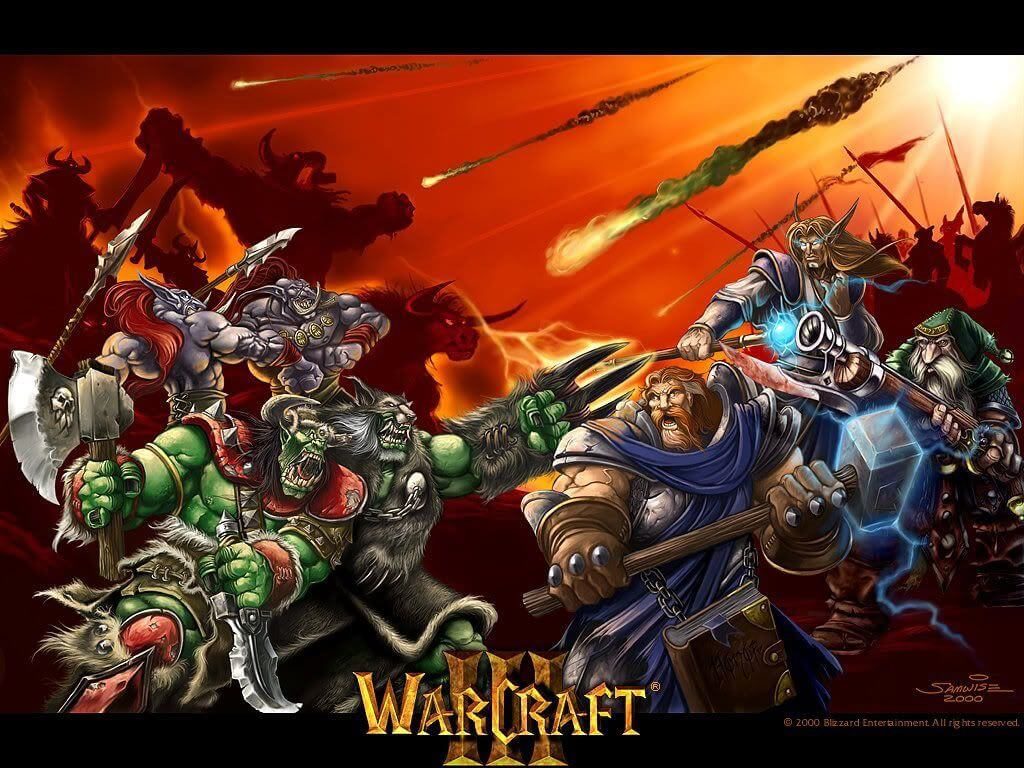
Its foundation came from the Aeon of Strife scenario in StarCraft, where players controlled a single hero instead of a full army. The first versions of DotA in Warcraft III were developed by a modder known as Eul. He laid down the core mechanics: two teams of five players each, controlling unique heroes and aiming to destroy the enemy’s throne.
When Warcraft III: The Frozen Throne expansion was released in 2003, interest in DotA skyrocketed. However, Eul stopped developing the project. That’s when other enthusiasts stepped in: Guinsoo and later IceFrog. Guinsoo introduced recipe-based items and many new heroes, while IceFrog eventually became the main developer, elevating the mod to a whole new level.
Thanks to the creativity of Eul, the systematization by Guinsoo, and the leadership of IceFrog, Dota transformed from a fan-made custom map into a full universe. Without their contributions, it would never have become the phenomenon we know today.
The Birth of Dota 2 and the Role of Valve
When the DotA map reached its peak popularity in Warcraft III, the community was ready for a full-fledged game. In 2009, Valve invited the lead developer of the mod — IceFrog — to join their team. This was a turning point: for the first time, a fan project received the backing of a major game studio.
In 2010, Valve trademarked the name “Dota,” sparking disputes with Blizzard, since the original map existed within Warcraft III. Legal battles lasted until 2012 and ended in compromise: Valve secured the rights to the name “Dota 2,” while Blizzard kept “Blizzard Dota” and the ability to develop its own modifications.
News about the new game surfaced in summer 2010, and by August 2011, Valve unveiled Dota 2 at The International in Cologne. The prize pool of $1.6 million was unprecedented for its time and immediately captured global attention from players, teams, and sponsors.
The official release took place on July 9, 2013. From that point, Dota 2 was no longer just a fan-made mod — it became a fully independent esport discipline supported by Valve, with regular updates and its own ecosystem.
Valve didn’t just release a game — they essentially created a new esports industry, with Dota 2 at its center.
The First Tournaments and the Formation of the Esports Scene
The first serious DotA tournaments began in the mid-2000s. In 2005, the map was included in the World Cyber Games Singapore lineup, marking DotA’s debut on the international stage. That same year, the Cyberathlete Amateur League Season 1 brought together teams from Asia and Europe.
As the map grew in popularity, professional rosters began to emerge. In 2007, the well-known organization Meet Your Makers (MYM) signed the strongest lineup of the time, setting a trend for building structured teams. Meanwhile, Asian — especially Chinese — squads rapidly elevated DotA into a national phenomenon.
The real breakthrough came in 2011, when Valve invited the world’s top teams to the very first International. Rosters like Na’Vi, EHOME, and Scythe Gaming turned the tournament into a spectacle watched by hundreds of thousands online. Na’Vi’s victory, led by Danil “Dendi” Ishutin, became a symbol of a new era.
This period cemented Dota 2’s status as an esport discipline. What began as local events run by enthusiasts turned, after 2011, into a structured industry: stable teams, managers, sponsors, broadcasts, and a game that firmly established itself on the global stage.
The Growth of Esports in Dota 2
The First International Championships
When Valve announced the very first International in 2011, nobody expected it to mark the start of a new era. The event immediately stood out: the best teams in the world gathered in one place, competing in a brand-new game with a bold promise of a massive prize pool. For esports at that time, it looked almost outrageous.
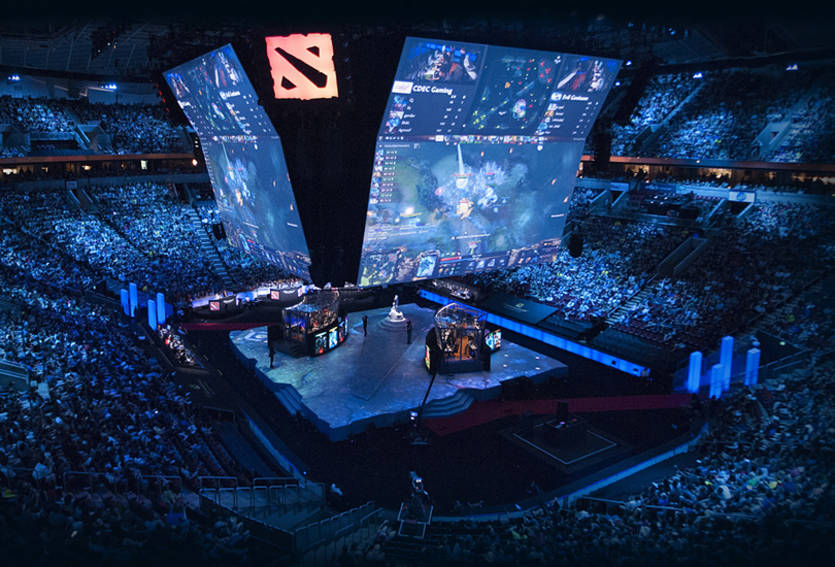
By the following year, the championship had moved to Seattle, which quickly became its permanent home. It became clear that Valve wasn’t running a one-off event but was building a long-term project. Finals filled not only arenas but also online streams, which set new viewership records.
Each year, the intensity grew. Matches turned into dramatic spectacles, and underdog teams, once considered outsiders, stormed into finals and reshaped the idea of who could be a favorite. The final series started being quoted, analyzed, and rewatched — it was during this time that Dota 2 built its own legendary chronicle.
The first five years of The International proved step by step that the format worked, that the excitement didn’t fade, and that the level of competition only kept climbing. Most importantly, Valve managed to turn the tournament into a symbol — a stage where the fate of both teams and the discipline itself was decided.
The Rise of Prize Pools and the Esports Market
Watching those early years of Dota 2, the rapid growth of prize pools showed me that this was more than just another tournament. Valve did something no one had ever attempted before: it linked fan engagement directly to championship funding. By purchasing the in-game Compendium, fans actively boosted the prize pool.
This model changed everything. Within weeks, the sums climbed so quickly that even traditional sports started paying attention. I remember clearly when the media reported that a community-driven esports game was approaching the prize levels of tennis and basketball events.
As more players joined the system, sponsors followed. Esports was no longer seen as a niche hobby — it became a real market. Organizations signed new contracts, brands bought ad spots on broadcasts, and teams no longer had to rely solely on enthusiasts to survive.
This explosive growth signaled that Dota 2 had created a unique economy where viewers, players, and the developer all worked in the same loop. By 2015, it was obvious: Dota 2 prize pools weren’t just record-breaking — they were setting the benchmark for the entire esports industry.
How Dota 2 Became One of the World’s Leading Esports
I watched as Dota 2 evolved from a local mod into a global cultural phenomenon. Valve played a huge role, but so did the communities across different regions. China turned the game into a mass discipline — arenas in Shanghai and Beijing were filled with thousands of fans long before Europe grasped the scale. Europe, meanwhile, produced legendary teams and players whose names still define an era.
Global coverage became the defining factor. Tournaments were broadcast in multiple languages, and casters from CIS, China, and English-speaking countries each developed their own commentary styles. This not only expanded the audience in numbers but also enriched it in quality — media outlets, analytics studios, and passionate fan communities emerged around Dota.
At the same time, the matches themselves grew more spectacular. Strategies shifted with every patch, and pro teams showcased tactics that were immediately copied in public games. This created a unique bond between casual players and the pro scene — anyone could feel part of the action.
The combination of global reach, international interest, and an innovative tournament format solidified Dota 2’s place as one of the world’s premier esports. By the mid-2010s, it stood alongside League of Legends and CS:GO — but with record-breaking prize money and a culture all its own.
The Biggest Tournaments and Prize Pools in Dota 2 History
The International: The Flagship Tournament
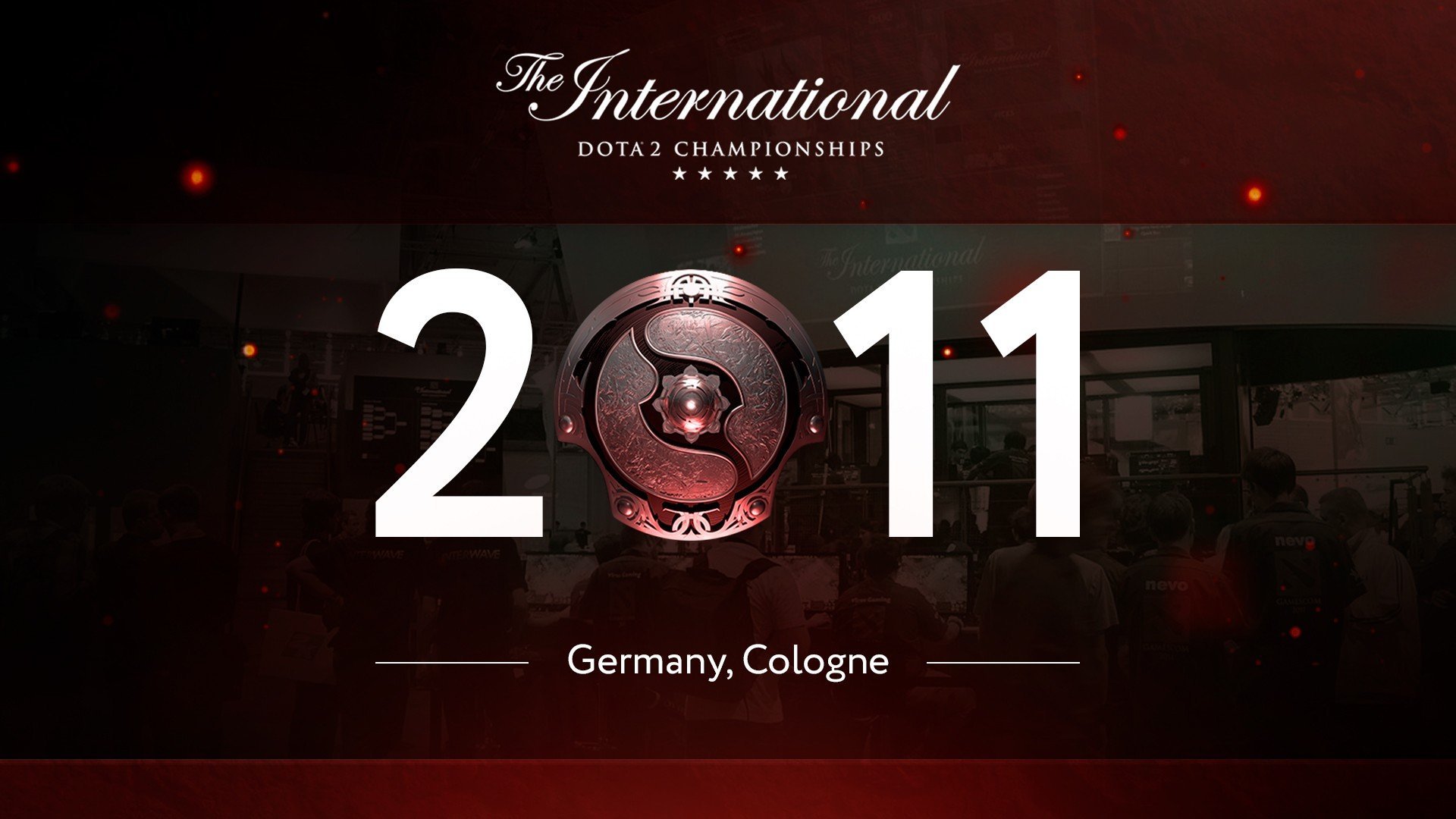
The first International took place in August 2011 at GamesCom in Cologne. It was the first time Valve presented Dota 2 to the public, gathering 16 teams from across the globe. Instantly, the event became legendary — for esports back then, it marked the dawn of a new era.
From 2012 to 2017, the championship was held annually in Seattle at KeyArena, growing into a worldwide event. TI became more than just a tournament — it became a tradition. Every August, players and fans waited for new stories, legendary matches, and unexpected finals.
In 2018, The International left the U.S. for the first time, moving to Vancouver’s Rogers Arena. A year later, it shifted to Shanghai, where the finals took place in front of a massive Chinese audience at the Mercedes-Benz Arena.
After a pandemic break, TI returned in 2021, hosted in Bucharest without spectators. In 2022, the event adopted a new format, splitting between Singapore and Indonesia. In 2023, it returned to Seattle, back to the stage where its traditions began.
Over twelve years, The International evolved from a daring experiment into Dota 2’s ultimate annual event — one that sets the standard for the entire industry.
Major Tournaments and the DPC System
After the success of the early Internationals, it became clear that Dota 2 needed a structured seasonal system. In 2015, Valve launched the first Major tournaments — three large events each year leading up to TI. The first Majors were held in Frankfurt (2015), Shanghai (2016), and Manila (2016). They brought together the world’s top teams and established a year-round competitive calendar.
In 2017, Valve introduced the Dota Pro Circuit (DPC). Teams earned points at Majors and Minors, which were then used to qualify for The International. This changed the rules completely: getting to TI now required consistent results throughout the season.
Among the early Major champions were OG, who won in Frankfurt and Manila, and Team Secret, who triumphed in Shanghai. Each DPC victory meant far more than prize money — it directly impacted a team’s chance to qualify for TI without playing qualifiers.
By 2018, Dota 2 had a fully-fledged calendar: The International as the year’s peak and the DPC as the qualifying system, where every point and every victory mattered.
Regional Leagues and Local Championships
In 2020, Valve reformed the DPC, introducing regional leagues to stabilize the scene and give more opportunities to up-and-coming teams. Six regions — Europe, CIS, China, Southeast Asia, North America, and South America — each received their own seasonal competitions.
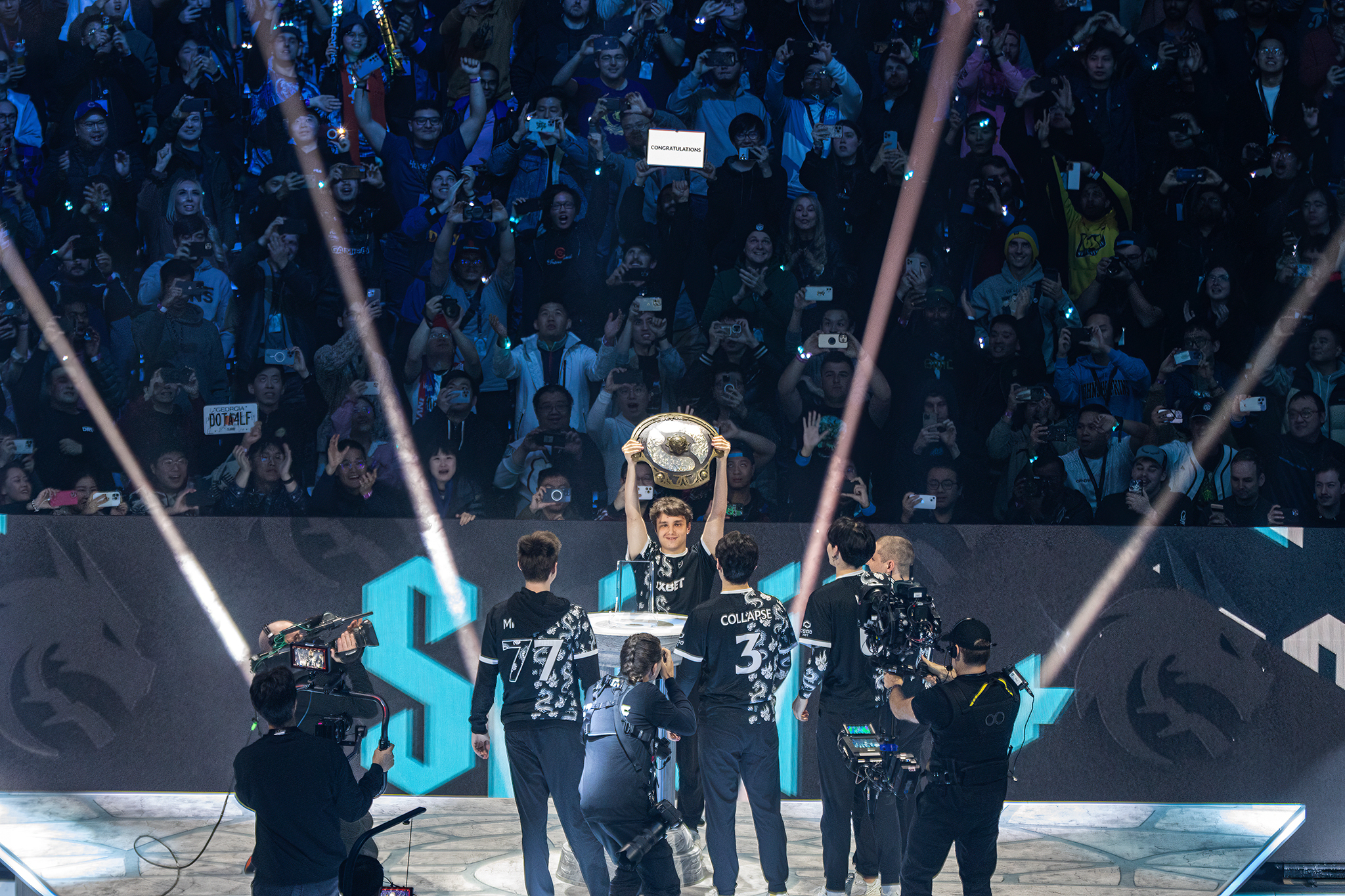
The first full season kicked off in January 2021. Winners of the upper divisions earned direct invites to Majors, while bottom teams dropped to the lower division. This format brought fresh names to the spotlight: Team Spirit rose in Eastern Europe, Thunder Predator held ground in South America, and T1 made waves in Southeast Asia.
Regional leagues also kept the scene alive during the pandemic, when international LANs weren’t possible. Online matches maintained the competitive rhythm, gave fans steady content, and provided organizations with reliable payouts.
These regional events played a crucial role in strengthening local scenes. Before, most attention was focused on Europe and China, but after the reform, other regions began breaking into TI playoffs — and even winning them. The clearest example is Team Spirit, who climbed from regional leagues to winning The International in 2021.
Record-Breaking Prize Pools at The International
The International has always been defined by its prize pools. At the very first TI in 2011, the winners earned $1 million — an unimaginable sum for esports at the time. In 2013, Valve introduced the Compendium, and the total prize pool jumped to $2.8 million.
Then came the era of records. In 2014, the prize pool reached $10.9 million. In 2015, it hit $18.4 million. By 2016, it broke through $20.7 million. No other esports event in the world came close.
In 2017, TI offered $24.7 million, and in 2018, $25.5 million. The all-time record came in 2019 in Shanghai: $34.3 million, with champions OG taking home over $15 million — while the runners-up earned significantly less, highlighting the tournament’s sharp prize distribution.
After the pandemic, growth slowed. In 2021, TI in Bucharest reached an unprecedented $40 million — the peak in esports history. But in 2022 and 2023, prize pools dropped sharply to $18.9 million and $3.2 million, signaling a decline in crowdfunding momentum.
In just over a decade, The International went from $1 million to tens of millions, becoming a global symbol of esports’ financial power and creating a generation of millionaire players.
Top-Earning Teams in Dota 2
When it comes to money in Dota 2, it’s impossible not to mention the teams that managed to turn the game into millions of dollars. The record-breaking prize pools of The International made it possible for entire squads to earn more in a single victory than top clubs in other games did over years.
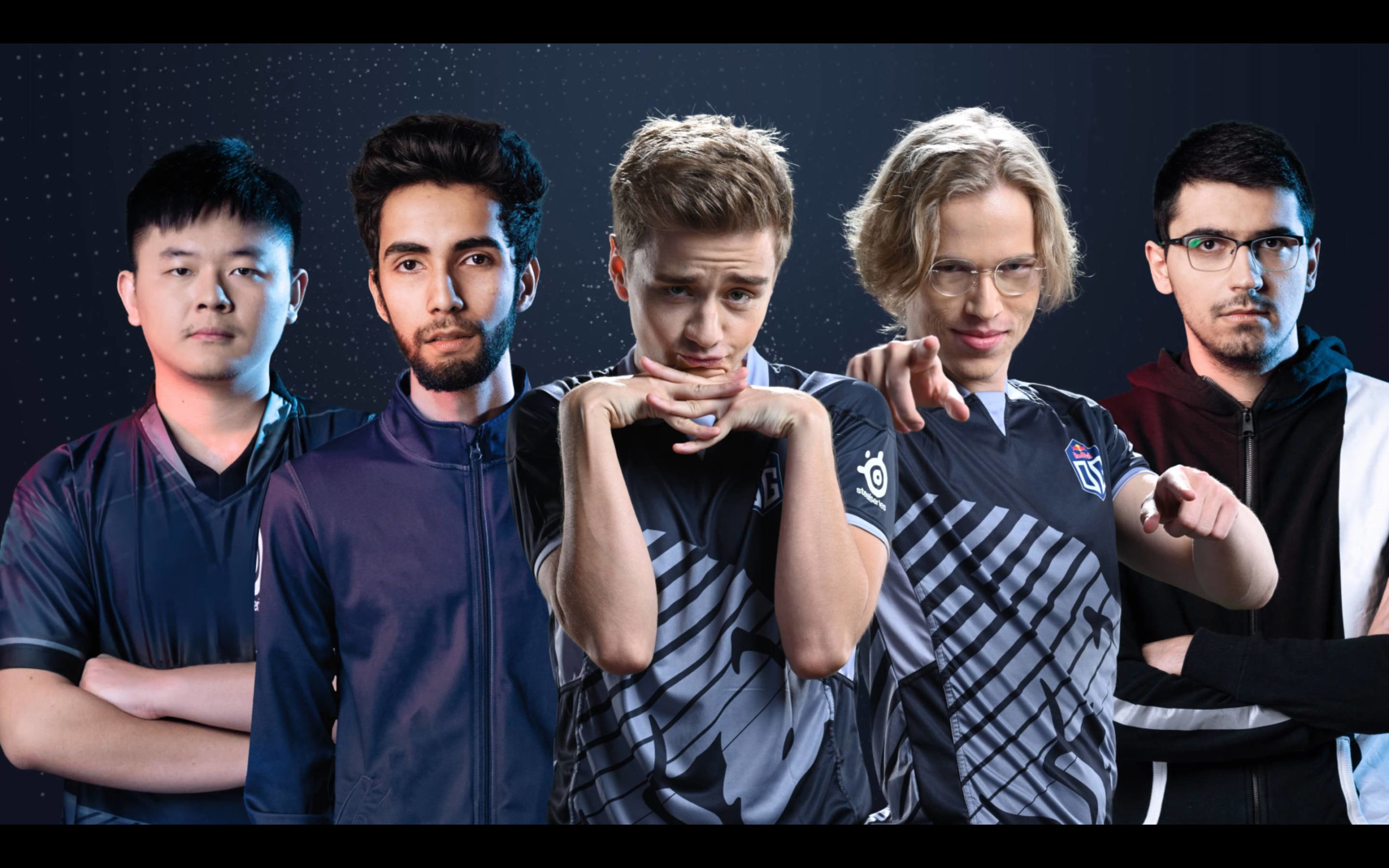
📌 OG — the absolute record holder.
In 2018 and 2019, this European team became the first in history to win The International twice in a row. Their victory in Vancouver (TI8) brought in about $11.2 million, and just a year later in Shanghai (TI9), they took home more than $15 million. By 2020, OG’s total winnings had surpassed $35 million, cementing Dota 2’s reputation as a game where you could literally get rich in a single summer.
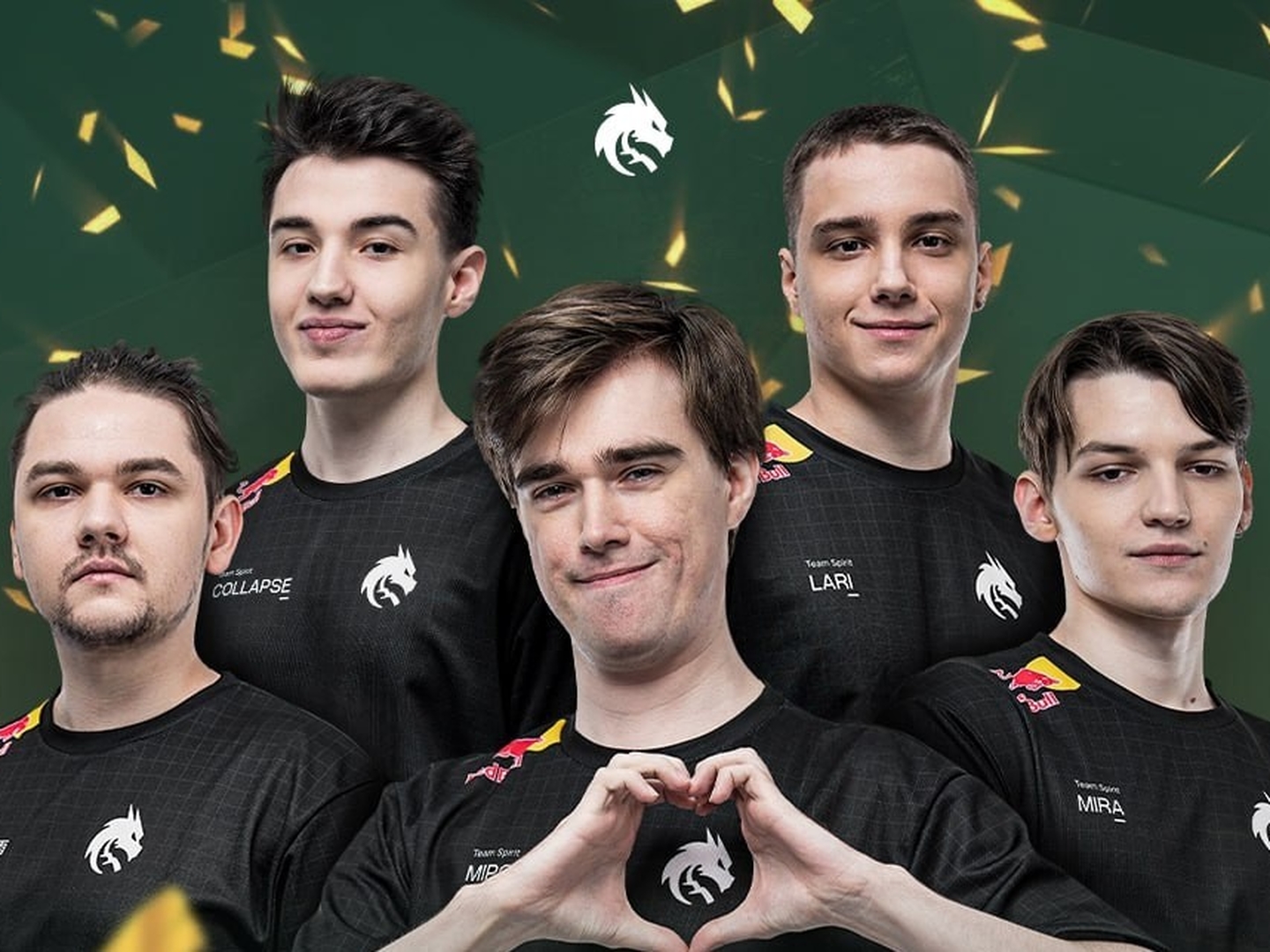
📌 Team Spirit — the phenomenon of the CIS scene.
In October 2021, the Russian-Ukrainian roster won The International 10 in Bucharest. The prize pool was a record-setting $40 million, with Spirit taking nearly $18.2 million. For the region, this was a historic success: a team considered underdogs became instant legends after just one tournament.
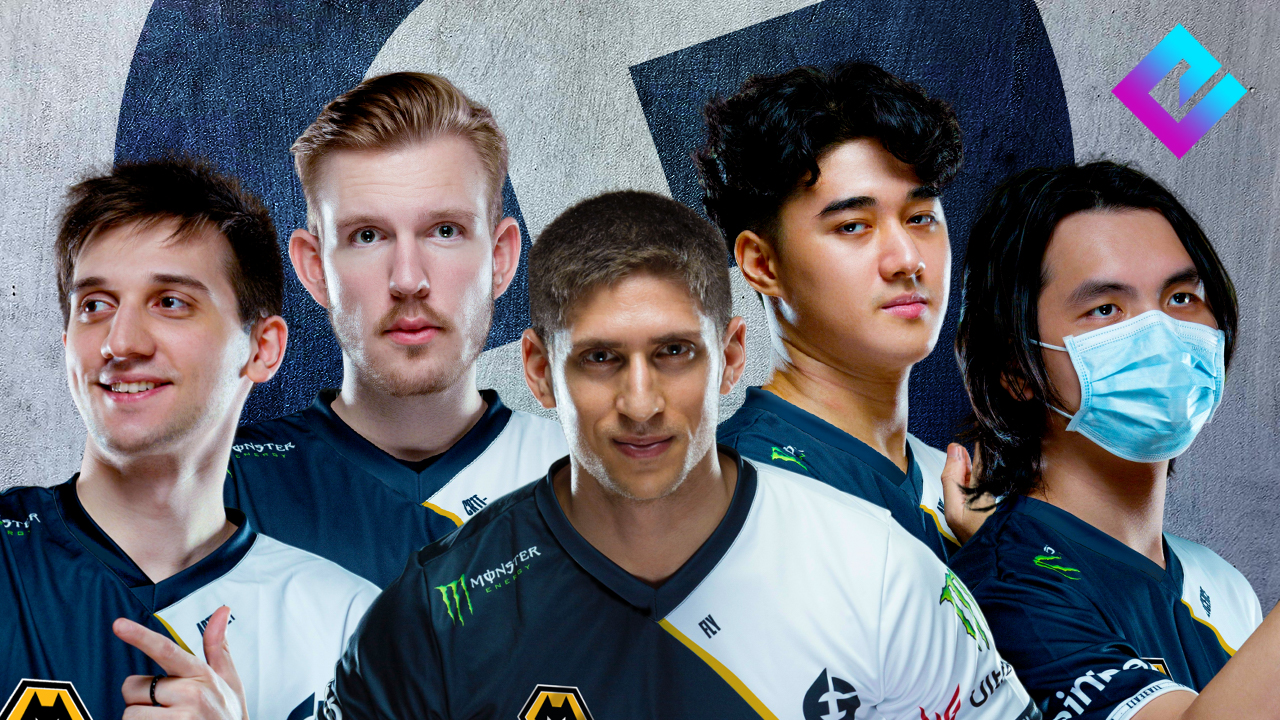
📌 Evil Geniuses — America’s symbol of consistency.
In 2015, EG became champions of TI5, earning $6.6 million. But their real achievement was consistent top finishes at international events. Over the years, EG accumulated more than $25 million in winnings, becoming one of the most recognizable North American organizations.
📌 Chinese powerhouses: Invictus Gaming, Newbee, PSG.LGD.
Each of these teams left its mark on history. IG won TI2 in 2012 and took home more than $1 million. Newbee were champions of TI4 with $5 million, while PSG.LGD consistently placed among the top three, amassing over $20 million across multiple seasons.
💡 What I find most important is that success in Dota 2 was never permanent. At their peak, teams could earn millions, but within a few seasons, new challengers often replaced them. This gave the scene a reputation as one of the most unpredictable in esports: favorites could walk away empty-handed, while newcomers could become millionaires overnight.
In my view, this unpredictability is what keeps the world watching Dota 2. The money is huge, but even more valuable is making history — because only a handful of teams have managed to stay at the top.
Millionaires Among Dota 2 Players
Dota 2 also stands out because it has produced a record number of millionaire players. Thanks to the massive prize pools of The International, individual player earnings reached levels that once seemed impossible in gaming.
📌 Johan “N0tail” Sundstein (Denmark)
Captain of OG and two-time champion of TI8 and TI9. His career earnings exceed $7.4 million, making him the richest esports player in history. Fun fact: before Dota 2, he played Heroes of Newerth, and his switch to Valve’s game changed the trajectory of the entire scene.
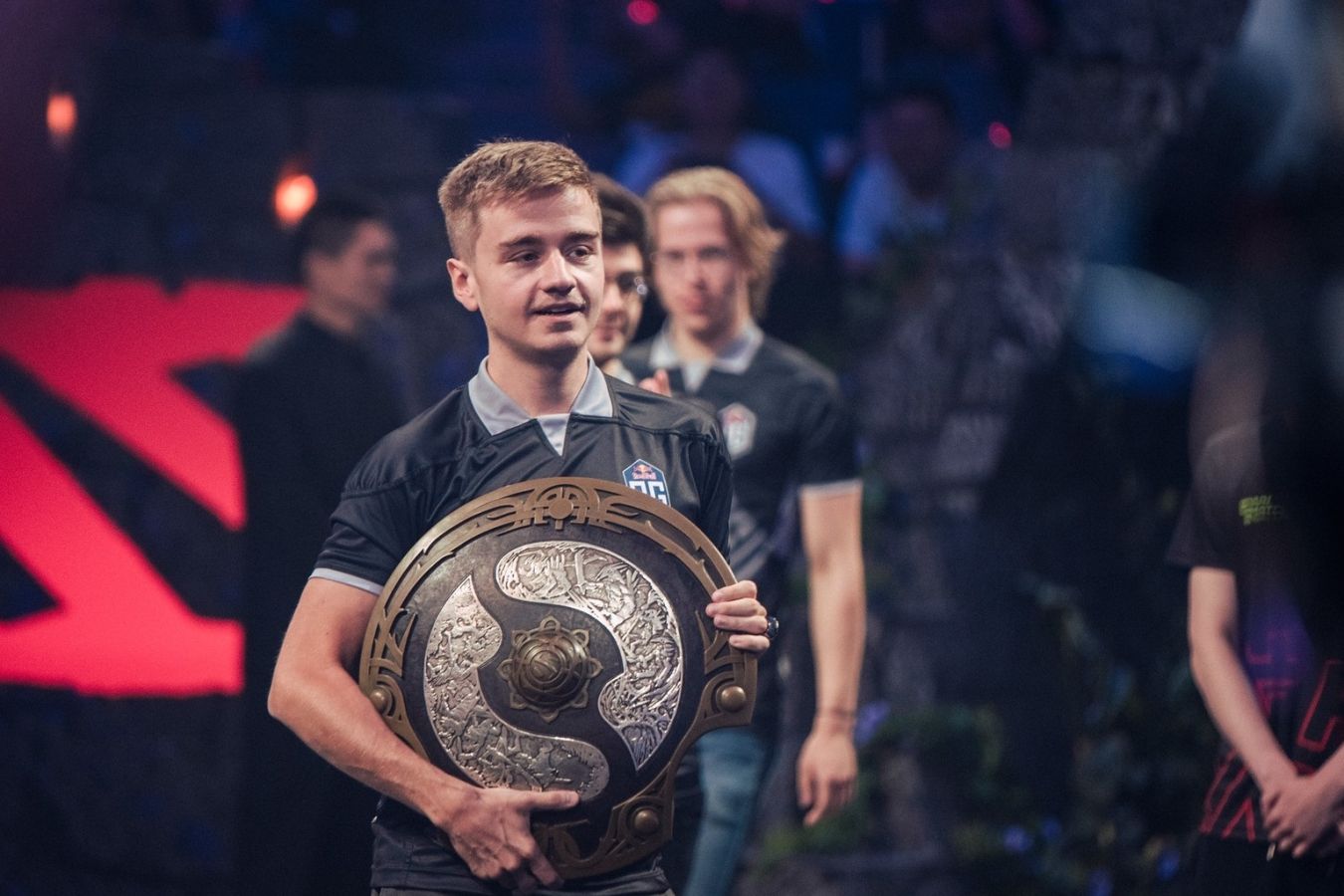
📌 Jesse “JerAx” Vainikka (Finland)
One of the best supports in the world, known for his mastery of Earth Spirit and Rubick. After his victories with OG, his earnings surpassed $6.4 million. JerAx retired in 2019, but his name remains legendary as a benchmark for support play.
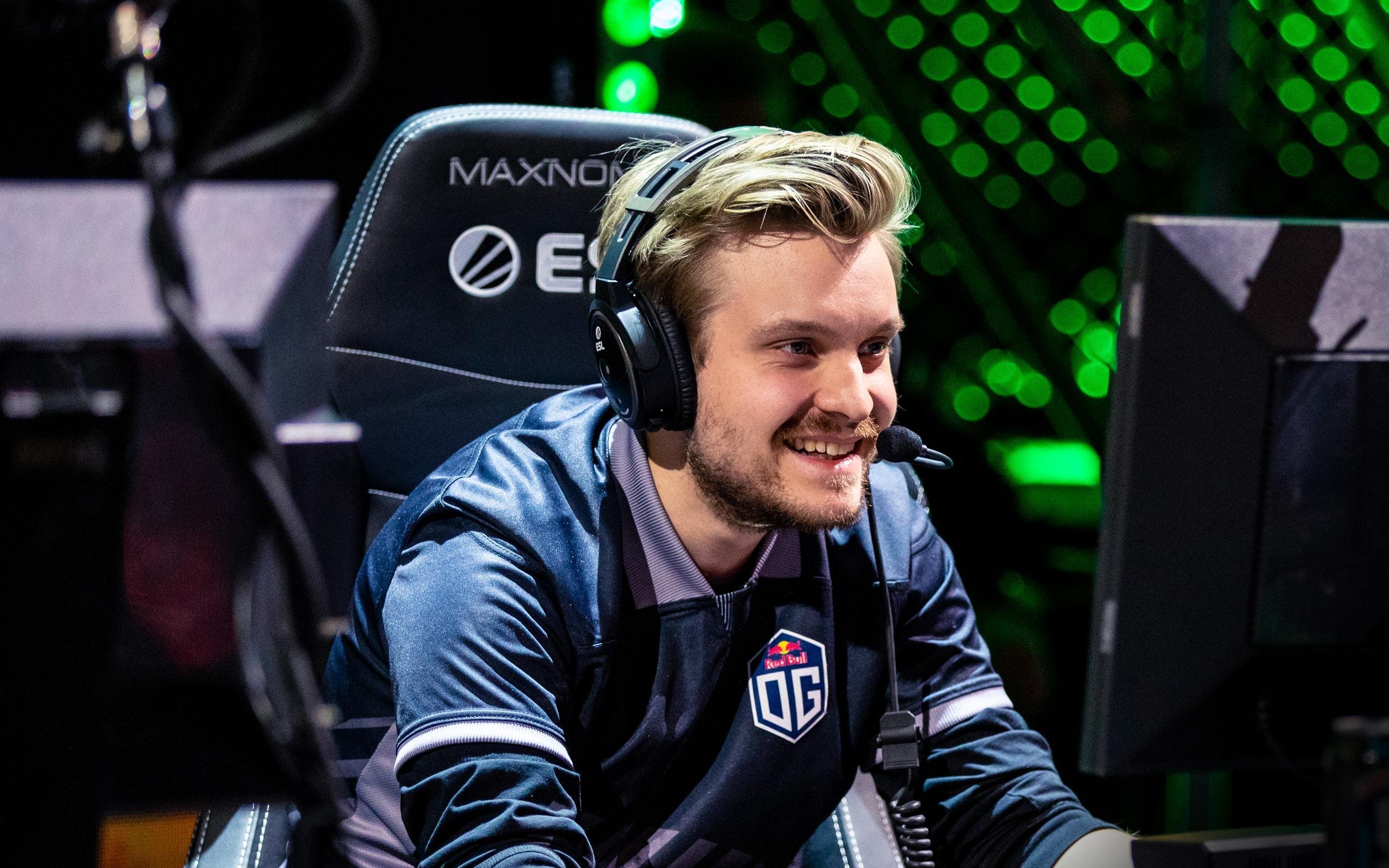
📌 Anathan “ana” Pham (Australia)
A player often called an “eccentric genius.” Despite frequent breaks and early retirements, he earned more than $6 million. His comeback plays with Ember Spirit and Spectre in the TI8 finals became some of the most iconic moments in Dota history.
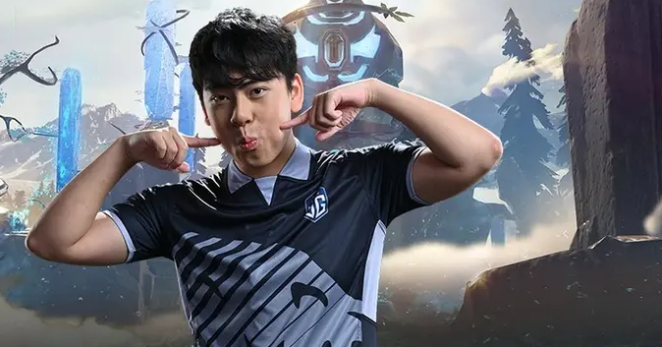
📌 Syed “SumaiL” Hassan (Pakistan/USA)
In 2015, he became the youngest International champion ever, winning at just 16 years old with Evil Geniuses. His career earnings exceed $3.6 million, and his aggressive mid-lane style earned him the nickname “The King of Mid.”
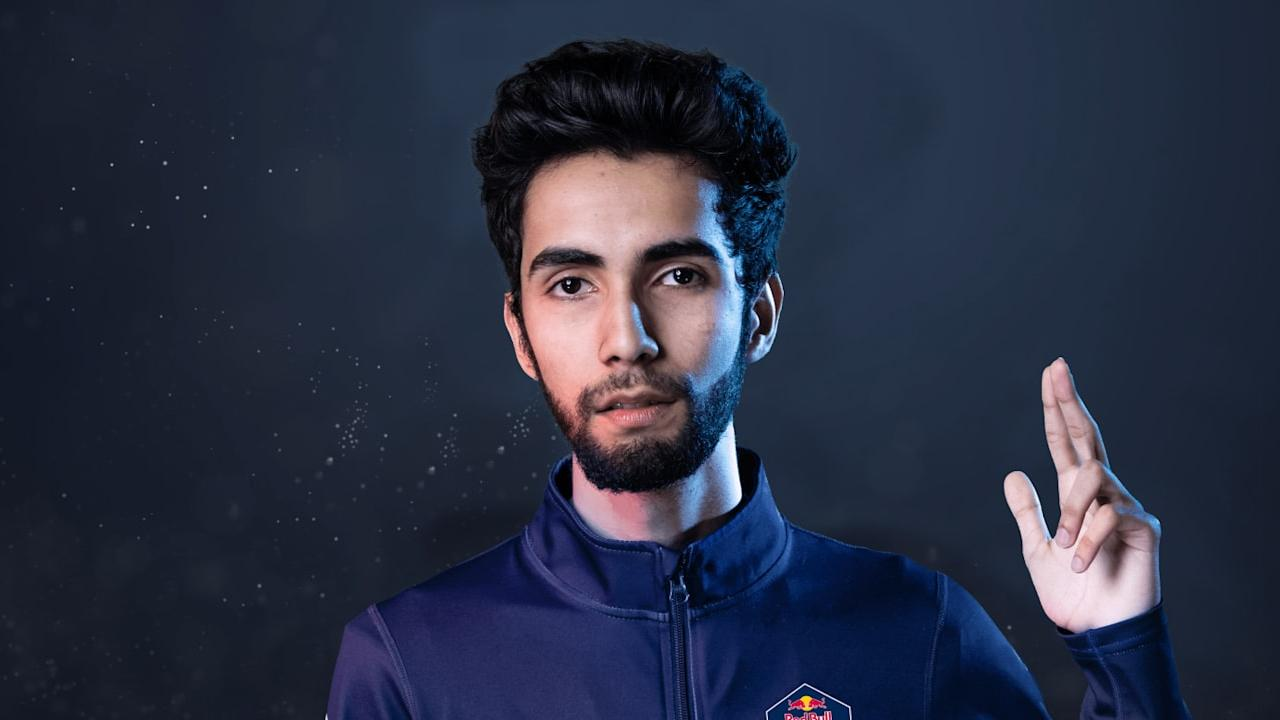
📌 Yaroslav “Miposhka” Naidenov and Ilya “Yatoro” Mulyarchuk (Russia/Ukraine)
Leaders of Team Spirit who won TI10 in 2021. Each earned more than $3.5 million. Yatoro, in particular, stood out by achieving four Rampages in the playoffs — a record for the final stage of TI.
💡 To me, this concentration of millionaire players is what makes Dota 2 unique compared to other esports. In CS:GO or League of Legends, success is often measured by salaries or sponsorships, but here, it’s about actual tournament winnings. Every TI champion literally turns into a millionaire in the span of one summer.
Legendary Players and Teams
Na’Vi and the Dendi Phenomenon
When I think back to Dota 2’s early years, my first association is always Natus Vincere and its emblematic star, Danil “Dendi” Ishutin. At the very first International in 2011, Na’Vi became champions, permanently reshaping how the CIS scene was perceived.
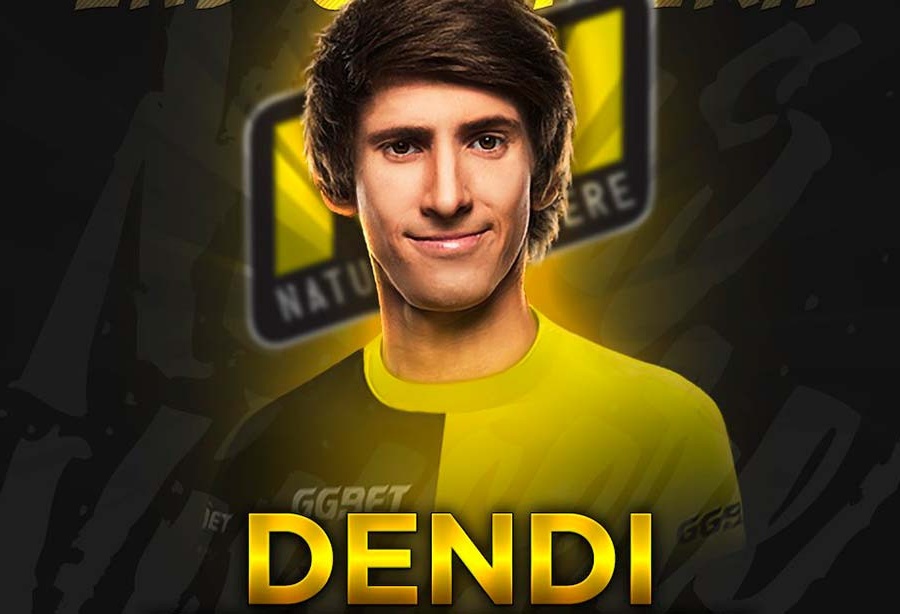
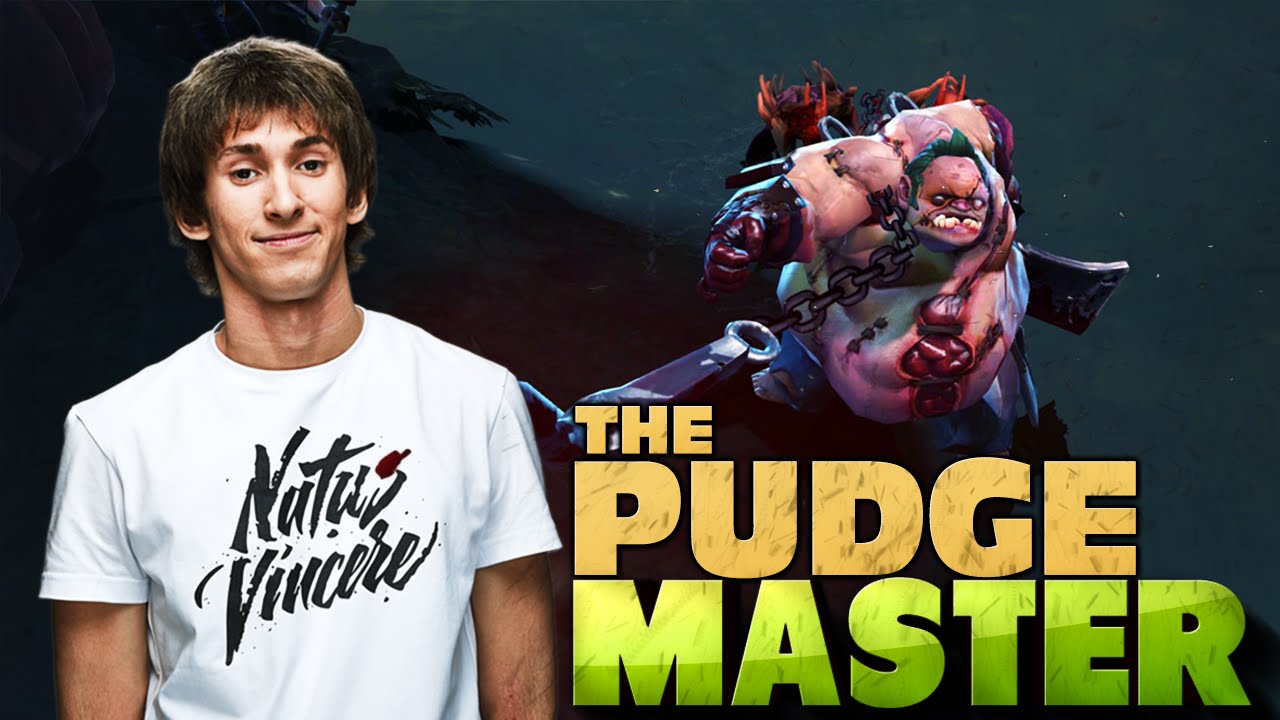
Dendi wasn’t just mechanically gifted — he was pure charisma. His Pudge play became iconic: thousands of players worldwide copied his hook paths and positioning, and his highlights spread across forums and YouTube faster than official VODs. For a time, he was the face of the discipline, a name known even to people far outside Dota.
From 2011 to 2013, Na’Vi reached three straight International grand finals — a unique achievement that still hasn’t been matched. They won the title only once, but their consistency and entertainment value turned them into legends. I vividly remember the TI3 final against Alliance — a series still called “the battle of an era.”
Na’Vi were also the CIS region’s first “people’s champions,” uniting fans from Ukraine, Russia, Belarus, and beyond. In a period when esports was just going global, Na’Vi proved a post-Soviet team could set trends on the world stage.
Today, Na’Vi no longer dominate, and Dendi has moved into captaincy and streaming, but their impact is indisputable. Without Na’Vi and Dendi, Dota 2 wouldn’t have the emotional arc that won millions of hearts.
OG and the Back-to-Back TI Champions
OG is a classic example of belief turning esports on its head. Formed in 2015 by Johan “N0tail” Sundstein and Tal “Fly” Aizik, the roster began as (monkey) Business before becoming OG. Within months, they won the first Frankfurt Major, proving they could topple favorites.

The turning point came in 2018. Months before TI, OG lost their captain Fly, and most analysts wrote them off. Under N0tail’s leadership and with newcomer Anathan “ana” Pham, they clawed through qualifiers and shocked the world at TI8 in Vancouver, defeating PSG.LGD in the finals.
The miracle didn’t end there. In 2019, OG returned to the TI grand final in Shanghai and didn’t just win — they dominated, becoming the first team ever to lift the Aegis two years in a row. The names Ceb, Topson, JerAx, and ana are etched into esports history.
For me, OG symbolize Dota 2’s unpredictability. Their run proved you don’t need the “favorite” label to do the impossible — you need trust and belief inside the team. OG set a new standard: esports is not just mechanics and strategy; it’s also resilience and spirit.
The Chinese School: LGD, Newbee, and Wings Gaming
You can’t tell Dota 2’s story without China. The region became the game’s second pillar after Europe, introducing a style built on discipline, crisp drafts, and flawless execution.
- LGD Gaming. Present from the very beginning, LGD.cn went undefeated in the TI2 group stage — a record at the time. After partnering with Paris Saint-Germain in 2018, they competed as PSG.LGD, consistently finishing top-three and coming agonizingly close to the title in 2018 and 2021.
- Newbee. In 2014, Newbee delivered China’s breakthrough International title. The roster formed less than a year before TI4 and then crushed Vici Gaming in the grand final. Their winnings set a then-record that landed them in the Guinness World Records.
- Wings Gaming. The sensation of 2016. Wings brought an unseen style — fearless drafts, unpredictable picks, and relentless aggression — and won TI6. Within a year, internal disputes and organizational pressure dissolved the roster, leaving a brilliant but brief legacy.
In my view, China made Dota 2 truly universal. Europe and the CIS brought emotion and charisma; China added strategic depth and systems thinking. The “West vs. East” storyline still defines every International.
The Dota 2 Economy: Purchases, Trading, and Skins
How the In-Game Store Works
Dota 2’s economy is unique. I always tell newcomers: nothing you buy with real money gives gameplay advantages. From day one, Valve chose a monetization model based purely on cosmetics.
The store offers hero sets, Arcanas, Immortal items, spell effects, couriers, and more. These change only looks and animations, not balance — which is why Dota 2 kept its reputation as a fair competitive game where success depends on skill.
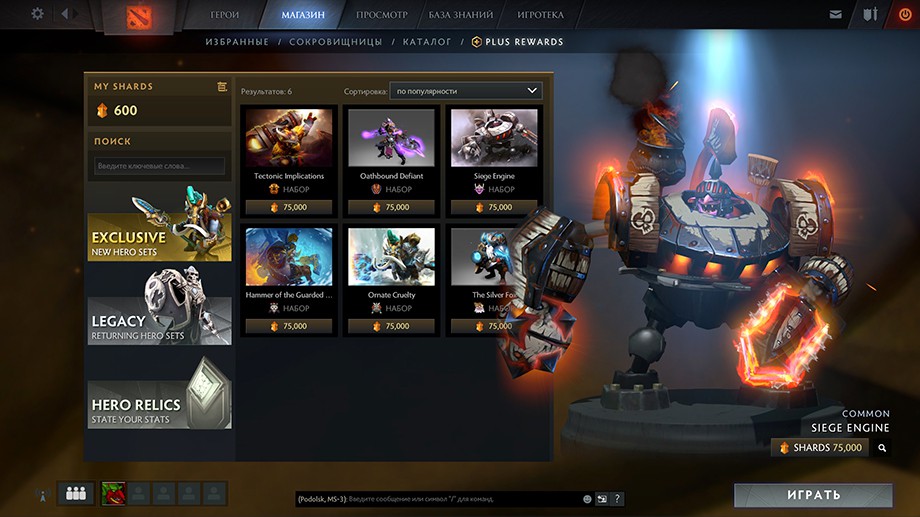
Beyond permanent cosmetics, seasonal offerings rotate in. The best-known is the Battle Pass (originally the Compendium), usually tied to major events. It blends quests, levels, chests, and exclusive items — a reason to come back, personalize your heroes, and support prize pools.
In short, the in-game store isn’t pressure; it’s personalization — and a way to help fund the esport.
Steam Market and the Most Valuable Items
The real economic action spilled onto the Steam Market, where players trade cosmetics with real money. Limited-run and early-era items became the crown jewels.
- Dragonclaw Hook (Pudge, 2012): Market prices hit around $1,500, with some off-platform deals reported over $3,000.
- Ethereal Flames Pink War Dog (courier, 2013): Sold for roughly $38,000 — one of Dota’s most famous transactions.
- High-end Arcanas: In 2016, Juggernaut’s Burning-effect variant fetched $700–$800. In 2020, exclusive Battle Pass styles pushed certain “leveled” Arcanas even higher.
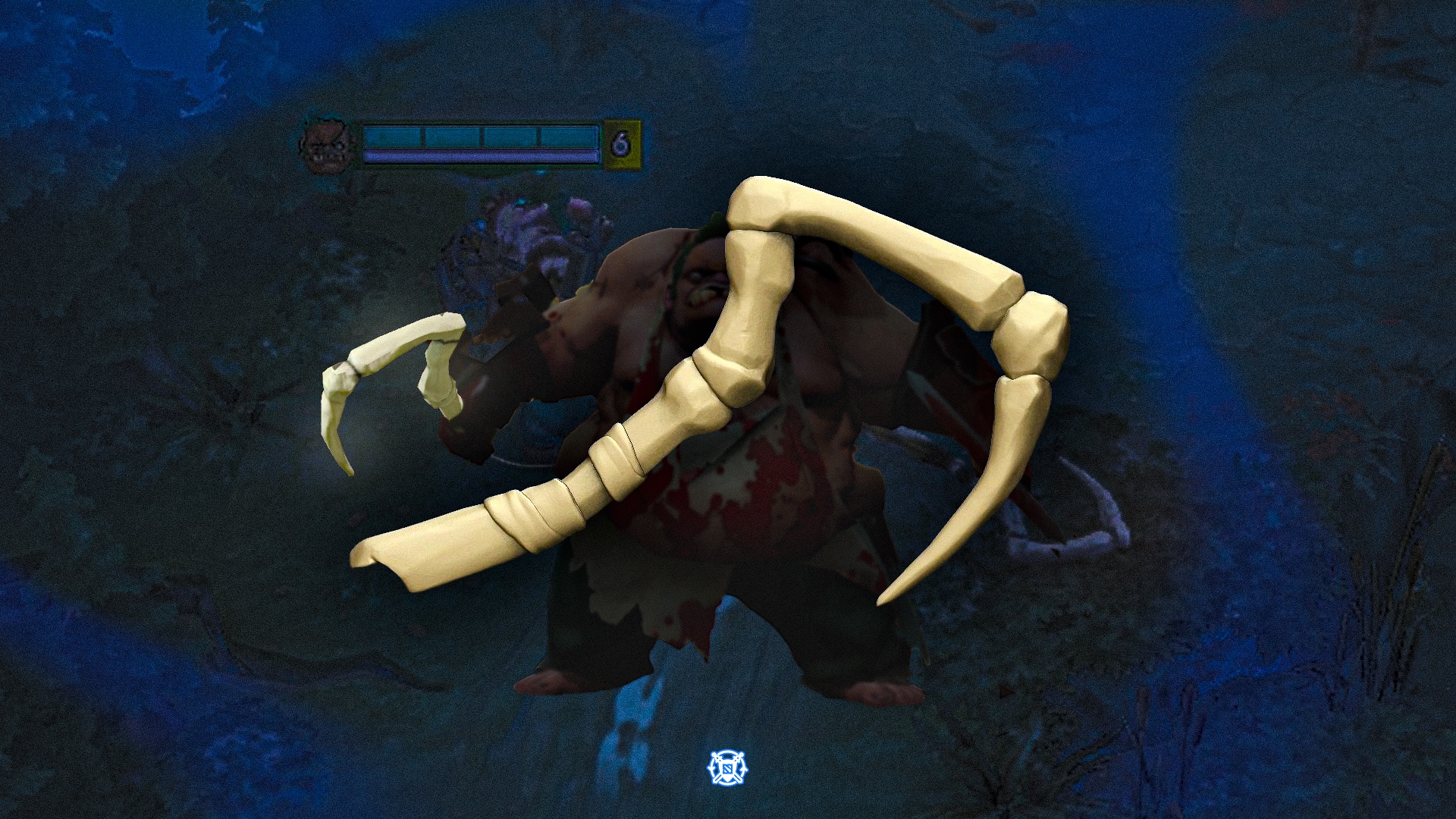
The market has its own dynamics. Retired Battle Pass items from 2017–2019 are now worth multiples of their original prices. Players who spent $10–$20 at release sometimes sell later for 10x or more.
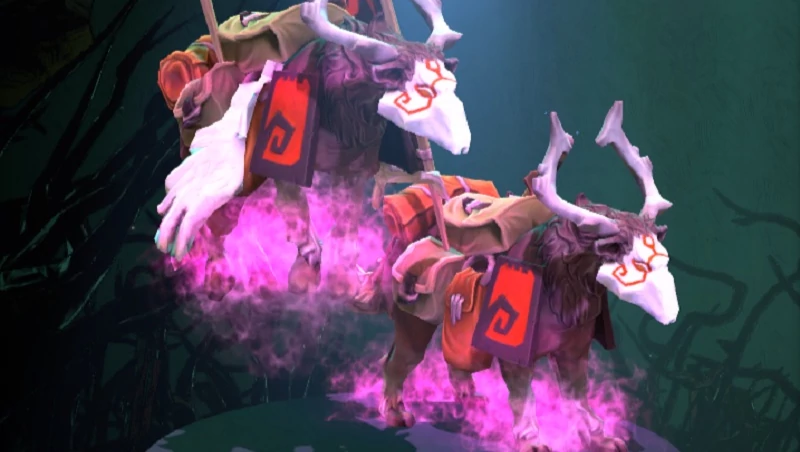
That’s what gives Dota 2 extra depth: for some, skins are visual flair; for others, a collection — even an investment. The game spawned a market comparable to real trading platforms.
Battle Passes and Tournament Funding
The Battle Pass (originally the 2013 Compendium) redefined esports financing. Valve proposed a simple idea: a portion of every purchase goes to The International’s prize pool. It worked instantly — that year’s pool nearly doubled.
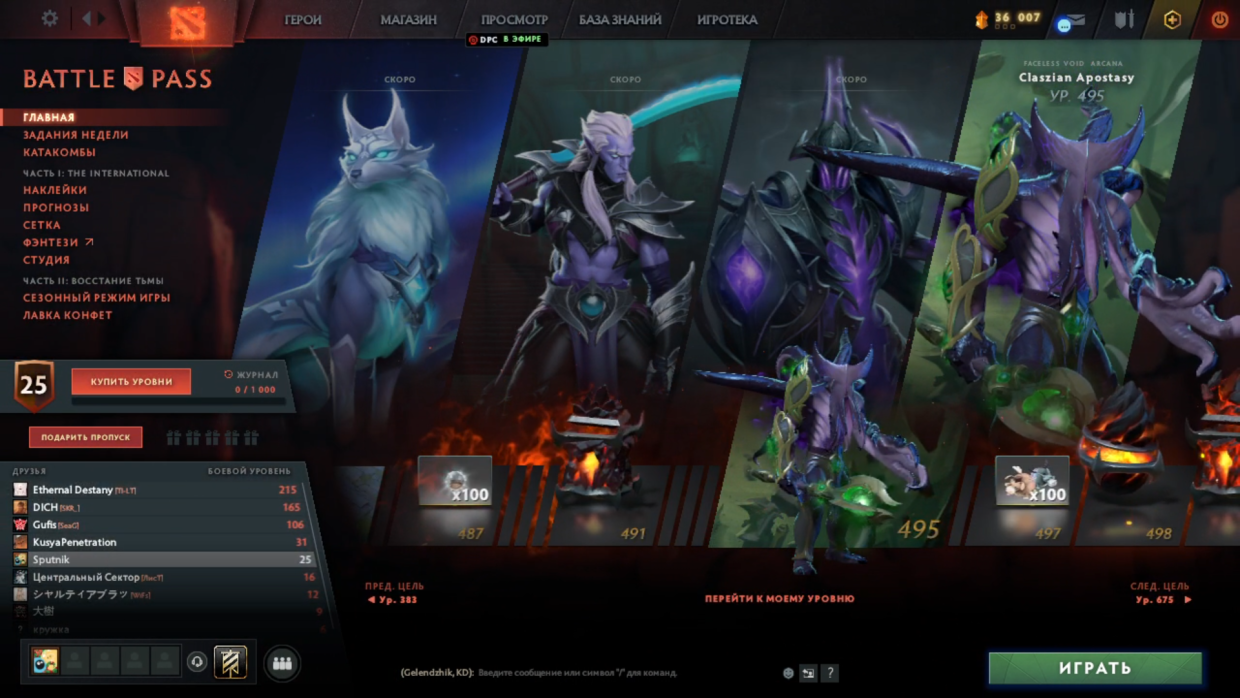
The Pass grew every season: quests, levels, exclusive sets, Arcanas, and Immortals. In 2016, Invoker’s Arcana became a meme machine. Financially, the impact was massive — TI8 set records, and TI9 surged past $34 million, making Dota 2 the money leader in esports. Fans were literally building “their” championship with their wallets.
In recent years, the trend shifted. Slimmed-down Passes in 2022 and 2023 coincided with prize pools dropping to $18.9M and $3.2M, sparking debates that TI was losing some magic without a full Pass.
To me, the Battle Pass is the symbol of Dota 2’s unique economy: prize pools directly tied to fan support. It gave players a way to shape history — and gave Valve a powerful retention tool. Even with waning interest, the “golden era of the Pass” remains core community culture.
Scandals and Dark Chapters
Match-Fixing and Betting
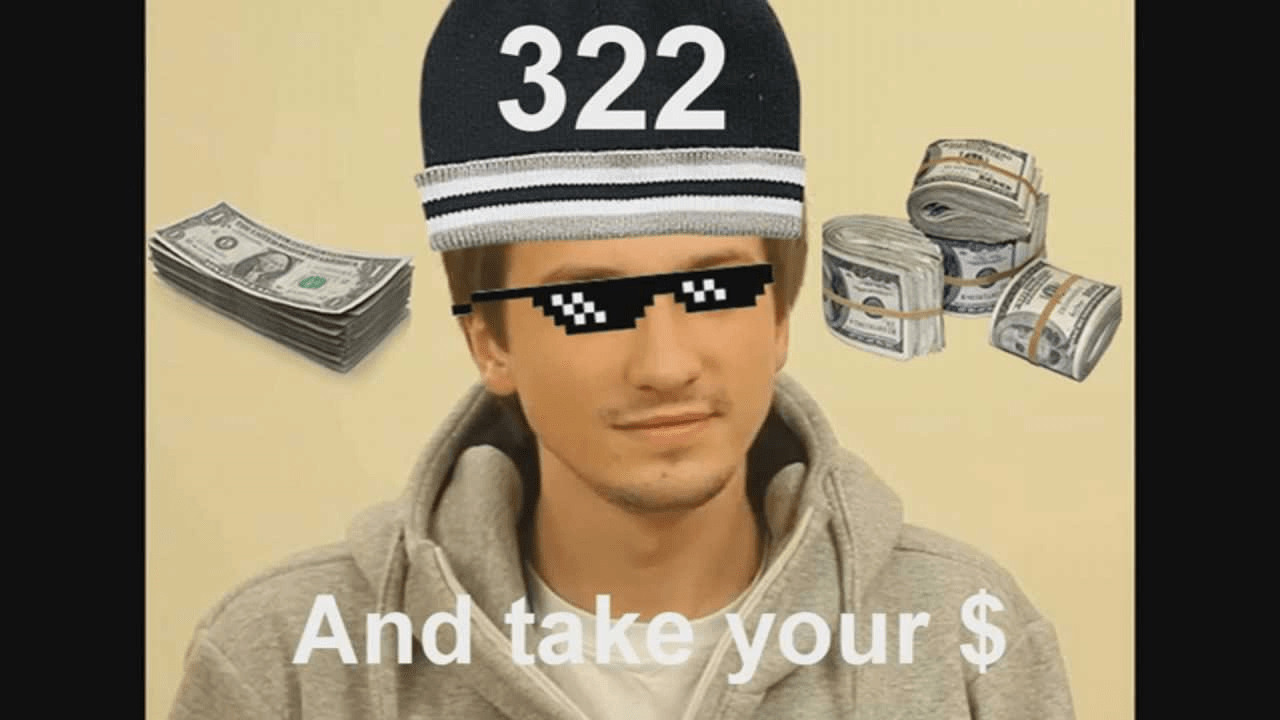
Over the years I’ve seen plenty of scandals around match-fixing. The first major case came in 2013 with Russia’s RoX.KIS. Player Alexey “Solo” Berezin received a lifetime Valve ban for betting around $100 against his own team — the infamous “322,” now community slang for a fixed game.
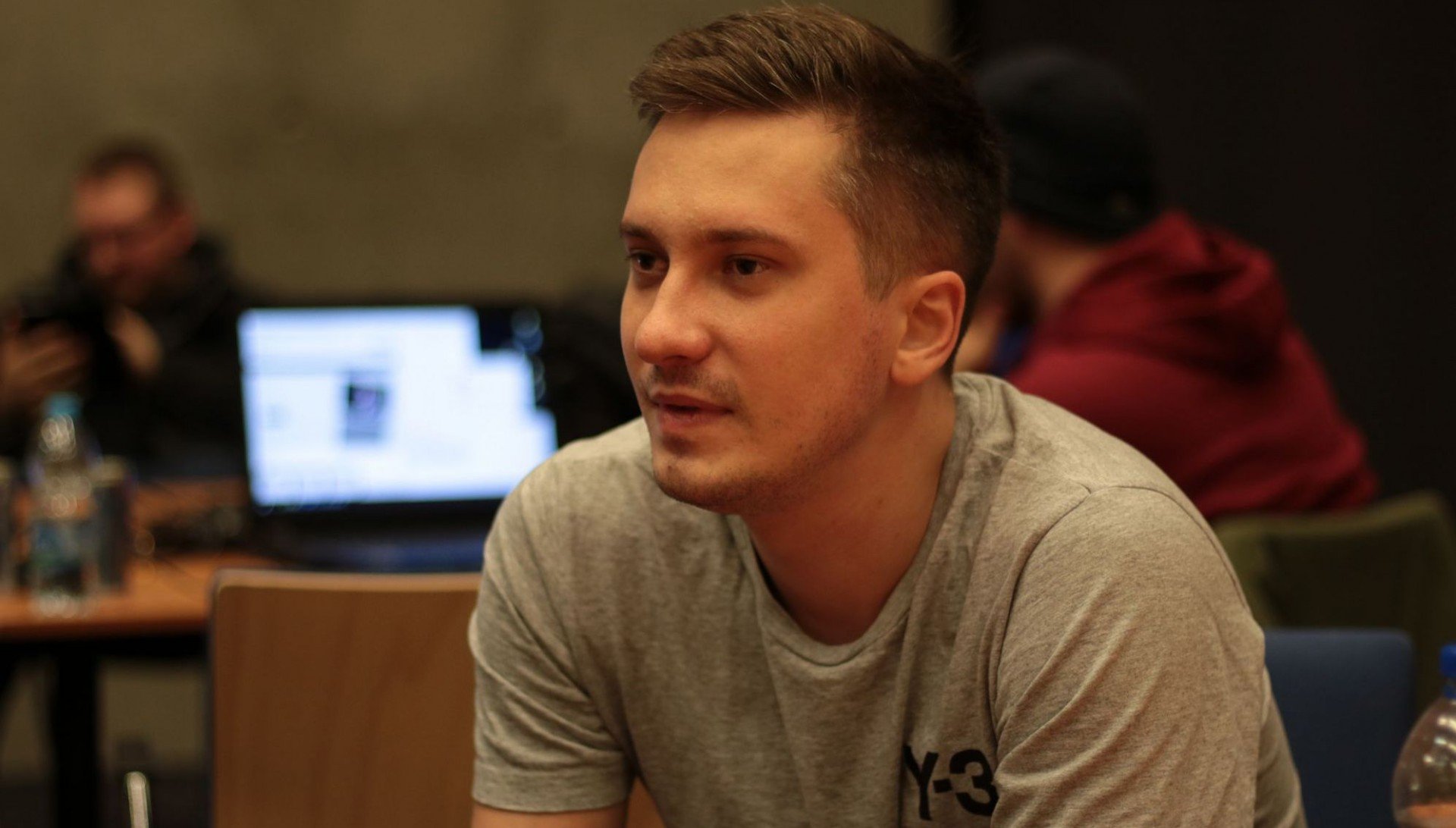
In 2014, Malaysia’s Arrow Gaming was implicated in betting on their own matches and was removed from major events. In 2016, CIS squad ScaryFaceZ faced accusations of rigging several online league games — sanctions were softer, but the team’s reputation was shattered.
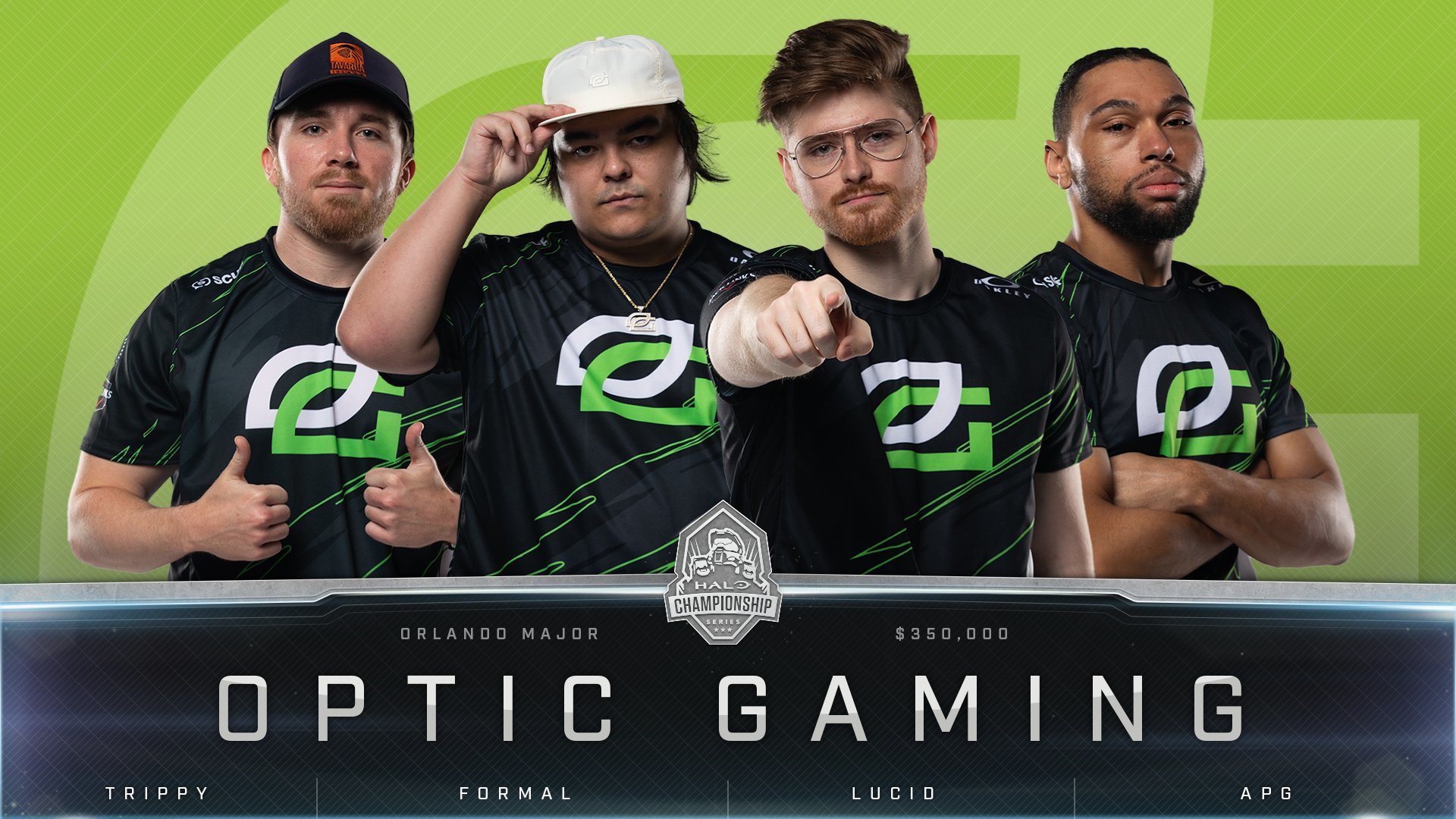
Cases kept emerging elsewhere. In 2018, OpTic Gaming publicly urged Valve to tighten oversight as Asian bookmakers allegedly targeted lower-tier matches.
My take is simple: Valve’s hard line in 2013 saved the scene from disaster. The Solo ban signaled zero tolerance. Still, the risk persists — betting money keeps growing, and some teams will always gamble their careers for a quick payday.
Player–Organization Conflicts
Internal conflicts have broken even the strongest rosters. In 2012, several EHOME players left over disagreements with management, proving that even China’s elite teams weren’t immune.
In 2015, the scene debated Evil Geniuses after their TI5 win: captain Peter “ppd” Dager and others left soon after, drawing heavy criticism from fans who couldn’t fathom a champion roster dissolving overnight.
Most famously, OG lost Fly and s4 to EG right before TI8 in 2018. Many thought OG wouldn’t recover — but that “betrayal” became the spark for their legendary comeback and first TI title.
Asia had its own shockwaves. Wings Gaming, TI6 champions, imploded in 2017 amid allegations of financial misconduct and a lack of transparency. A team hailed as the discovery of the year vanished in months.
Conflicts in Dota 2 mirror the game’s nature: teams are built around strong personalities. When trust breaks — between players or with management — the whole structure collapses. Stability is rare; breakups often echo louder than victories.
Criticism of Valve and DPC Debates
Valve has always kept its distance from pros and orgs. The company built the biggest tournament cycle in esports — and faced recurring criticism for opaque decisions.
Debate began in 2017 with the Dota Pro Circuit. On paper it brought structure; in practice, teams complained about confusing rules and uneven point distribution.
In 2019, regional slot allocation became a flashpoint. Some North American and Southeast Asian teams reached TI through weaker qualifiers while strong European teams missed out. Orgs called the system unfair and demanded reform.
Tensions peaked in 2020–2021 during the pandemic. With calendars disrupted, Valve stayed quiet for stretches; veteran leaders like Clement “Puppey” Ivanov and Peter “ppd” Dager publicly criticized inaction. Third parties filled gaps with events, but teams lost stable income.
By 2022, frustration was widespread. Regional leagues helped emerging regions, but top teams argued payouts were too low — prestige without money. Many felt Valve treated the DPC mainly as a TI qualifier rather than investing in the broader season.
My view: Valve has long treated Dota 2 more like a service than a traditional esport product. That distance creates imbalance — a majestic International overshadowing a season that can feel secondary.
Interesting Facts About Dota 2
Records in Player Count and Viewership
Over the years, I’ve seen Dota 2 break multiple records in both concurrent players and viewership. The first major surge came in 2013, when TI3 drew over one million online viewers across different platforms. The Na’Vi vs Alliance final became a cultural moment, discussed even outside the esports bubble.
By 2015, the stats climbed even higher. The International 5 proved the game was catching up to traditional sports. On Twitch, peak viewership passed 4.5 million, while the overall reach stretched into the tens of millions.
The all-time record came at TI10 in 2021. The grand final between Team Spirit and PSG.LGD attracted more than 2.7 million unique viewers on official broadcasts alone. Meanwhile, in-game peak player count hit around 1.3 million concurrent users — numbers the community hadn’t seen since 2016.
An interesting side note: in 2020, even without an International, the game saw a surprising spike on Steam. During lockdowns, player counts surged past 700,000 at once, proving the game’s staying power.
For me, it’s these seasonal peaks around TI that make Dota 2 special. Even if activity dips in regular months, every August the game reclaims its spotlight. This rhythm has kept audiences engaged for more than a decade.
Unusual Strategies and Legendary Matches
Dota 2’s unpredictability has created a library of matches people still talk about. The first that comes to mind is the TI3 grand final in 2013. Na’Vi vs Alliance became legendary. The Swedes executed flawless split-push tactics with Nature’s Prophet and Keeper of the Light, and the deciding fifth game remains a gold standard for high-stakes esports.
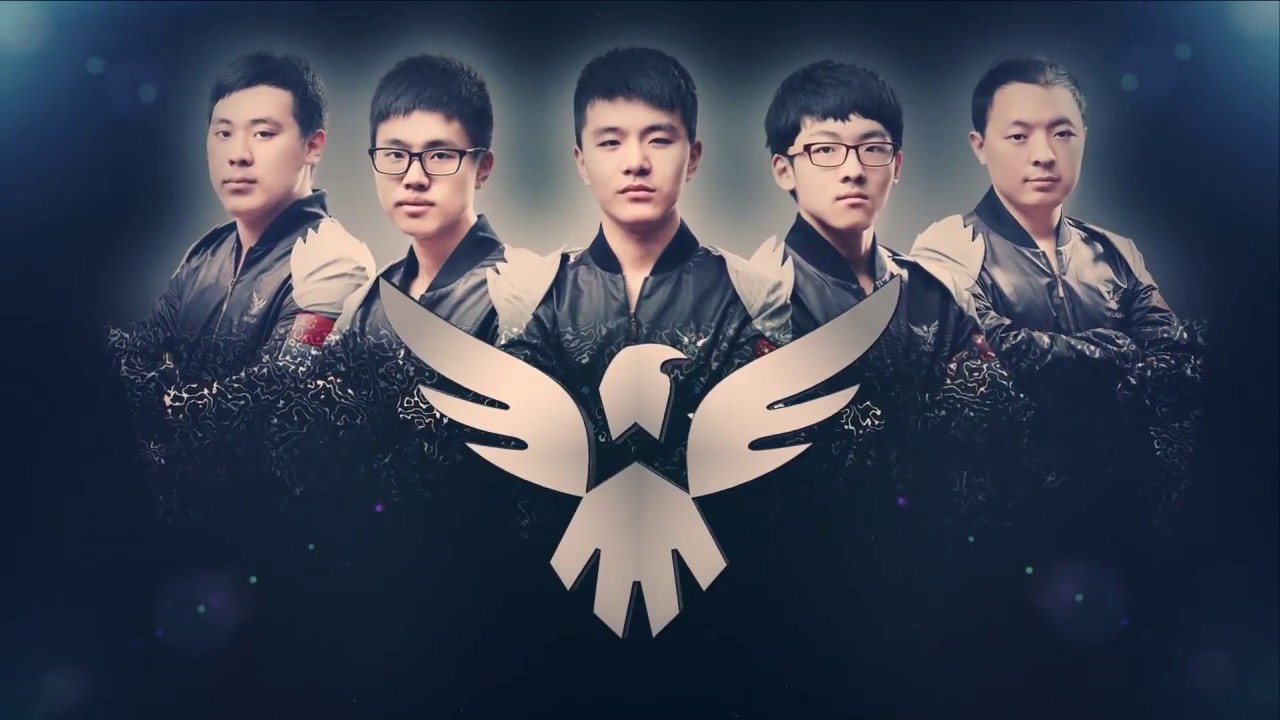
At TI6 in 2016, Wings Gaming stunned the world with their daring style. They drafted heroes no one expected in playoffs: Pudge, Techies, even Shadow Demon as a core. Their unpredictability dismantled prep work from opponents and delivered them the title.
Another unforgettable moment came at TI8 in 2018. OG vs PSG.LGD showed the ultimate comeback. On the third map, OG trailed by over 20,000 gold, but Anathan “ana” Pham’s Spectre flipped the game on its head. That win became one of the most iconic stories in esports.
TI10 in 2021 brought more drama. Team Spirit’s semifinal against PSG.LGD embodied how an underdog could defy the system. With aggressive Tiny and Magnus drafts, they flipped teamfights even when behind. That series paved their way to the championship and turned Yaroslav “Miposhka” Naidenov into a symbol of composure under pressure.
My takeaway: Dota’s legendary matches aren’t just numbers on the scoreboard — they’re emotions. These games prove any strategy can work if the team believes and thinks outside the box. That’s why Dota 2 remains unpredictable and endlessly watchable.
Memes and Community Culture
Dota 2 has long outgrown its status as “just a game,” becoming a cultural phenomenon with its own memes and traditions. I’ve watched simple jokes turn into timeless references.
📌 322
One of the earliest memes came in 2013, when RoX.KIS player Alexey “Solo” Berezin was caught betting against his own team for $322. Since then, “322” has become shorthand for match-fixing and a tongue-in-cheek way to comment on any suspicious play.
📌 Dendi and Pudge
The iconic showmatch at TI2 in 2012 cemented Danil “Dendi” Ishutin’s Pudge as a meme. His hooks and personality made the hero inseparable from his name. To this day, many still associate Pudge with Dendi himself.
📌 Crowd antics at TI
Every International came with fan-led traditions. In 2015–2016, audience “slap” memes on broadcast cameras became so common that Valve had to introduce stricter crowd guidelines.
📌 Frog and IceFrog
The mysterious developer IceFrog became a legend in his own right. Any unexpected patch change was blamed on “the frog’s will.” Even the phrase “Volvo plz fix” became a long-running inside joke directed at Valve.
📌 Fan creativity
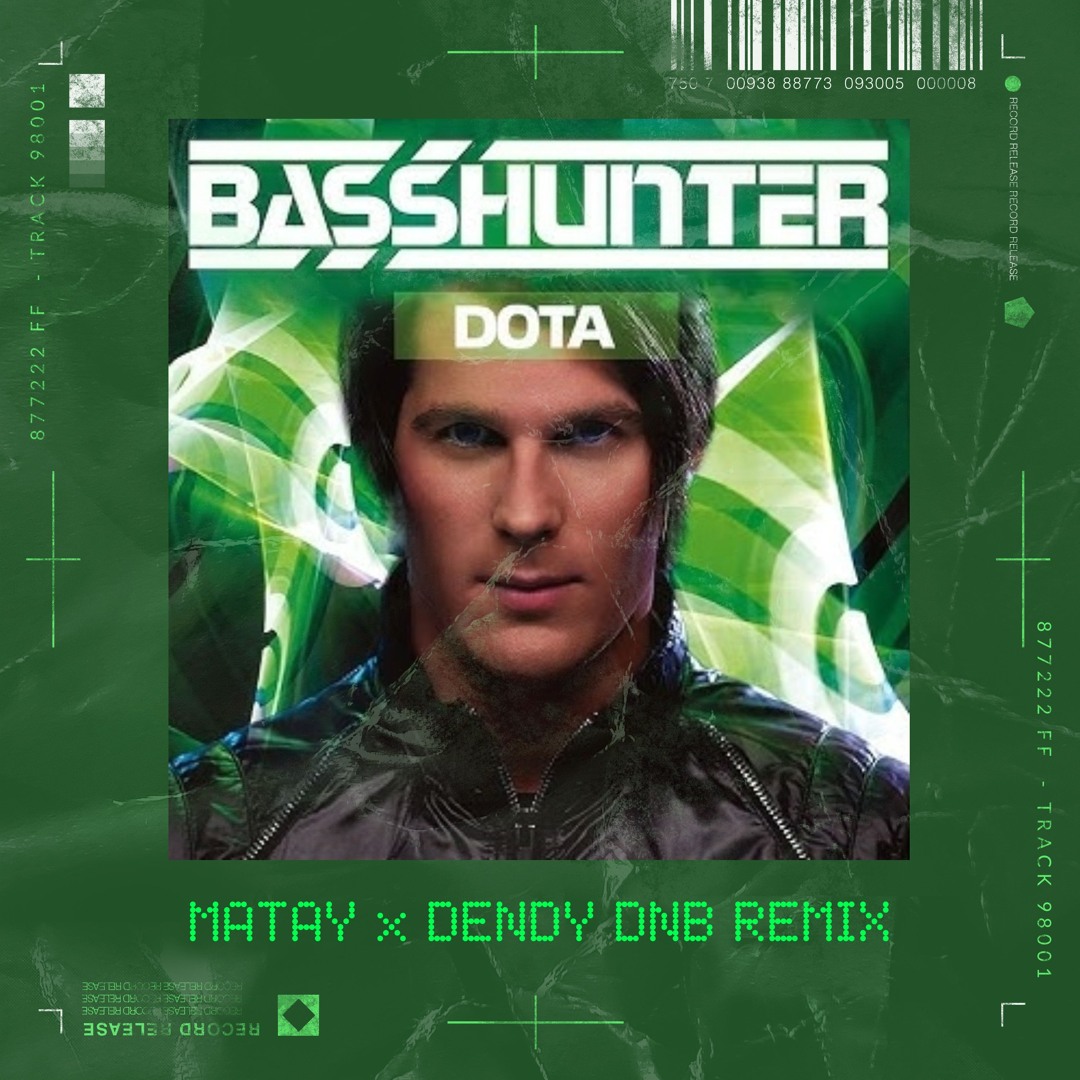
Fans have fueled Dota culture with songs, clips, and parodies. The famous “Dota” track by Basshunter was an anthem back in the Warcraft III era, and modern fan animations still rack up millions of views.
In my view, this culture is what makes Dota 2 unique. Memes and jokes aren’t just extras — they’re woven into the game’s identity. They connect generations of players, creating a shared language that extends far beyond the client.
Conclusion
Looking back at Dota 2’s history, it’s clear this isn’t just a game — it’s an era. From a fan-made Warcraft III map, it grew into one of the largest esports disciplines in the world. Along the way, we witnessed the rise of legends, record prize pools, shocking scandals, and unforgettable stories.
The International became esports’ crown jewel, elevating Dota 2 to the level of traditional sports in money and prestige. Players like Dendi, N0tail, ana, and Yatoro became icons of their time, while teams like Na’Vi, OG, and Team Spirit proved that in Dota, anything is possible — from miracle comebacks to dynasties rewriting history.
Beyond fame and fortune, Dota 2 gifted its community a unique culture: memes, traditions, and a shared language that millions around the globe understand. It taught us that victory doesn’t come from flashy skins but from strategy, discipline, and character.
To me, Dota 2’s greatest strength is its unpredictability. Success here can’t be bought — it has to be earned. And every International shows us the same truth: in esports, miracles still happen.
FAQ — Dota 2: History, Tournaments, Prize Pools, and Culture
What is Dota 2 and how did it originate?
Dota 2 grew out of a Warcraft III custom map called Defense of the Ancients (DotA). Early creators like Eul, Guinsoo, and later IceFrog defined the 5v5 hero-based formula. Valve hired IceFrog in 2009 and launched Dota 2, turning a fan mod into a AAA esport.
Why is The International considered the pinnacle event?
TI debuted in 2011 with an unprecedented prize pool and global spotlight. It became Dota 2’s yearly climax, producing era-defining storylines, record viewership, and life-changing winnings for champions.
How do Majors and the DPC season work?
Majors (launched in 2015) and the Dota Pro Circuit (2017) create a structured season where teams earn points across events to qualify for TI. It rewards consistency over the year—not just one hot streak.
Which teams earned the most, and why do OG and Team Spirit stand out?
OG won back-to-back TI titles (2018, 2019), crossing $35M in winnings by 2020. Team Spirit shocked the world at TI10 (2021), taking ~$18.2M from a $40M pool—an underdog-to-champion arc that defined the era.
Who are the highest-earning Dota 2 players?
Standouts include N0tail (all-time leader), JerAx, ana, SumaiL, and Spirit’s Miposhka and Yatoro. Massive TI wins turned these players into multi-millionaires from prize money alone.
Do paid items affect gameplay balance?
No. Dota 2’s monetization is cosmetics-only: Arcanas, Immortals, effects, couriers, and sets change visuals and animations—but never stats or power. Skill and strategy decide outcomes.
How did the Battle Pass/Compendium fund record TI prize pools?
A portion of every Battle Pass purchase went directly to the TI prize pool, letting fans “crowdfund” record totals (peaking in 2019 and 2021). Slimmer passes in recent years led to smaller pools.
What are must-watch legendary matches for newcomers?
Start with TI3 Grand Final (Na’Vi vs Alliance), TI6 runs by Wings Gaming, TI8 OG vs PSG.LGD comeback, and TI10 Spirit vs PSG.LGD semifinal. Each shows Dota’s depth, emotion, and unpredictability.
Why did TI prize pools spike, then drop in 2022–2023?
Spikes came from robust Battle Pass content and global momentum. Drops followed leaner passes and shifting priorities. The dynamic proves how closely community spending ties to TI totals.
What does “322” mean, and what other community memes exist?
322 is community slang for match-fixing (from a 2013 betting scandal). Other classics: Dendi’s Pudge hooks, “Volvo plz fix”, and jokes about IceFrog “deciding the meta” with surprise patches.