Hello, my name is Ethan Miller, and I’ve spent years studying the rise of esports in the United States. In this article, I’ll guide you through the stories of the richest esports players in America — from today’s champions like Bugha, ppd, and Fear to the early pioneer Fatal1ty, who proved that gaming could become a true profession. We’ll look at how these players built their success, the impact they had on the scene, and why the USA continues to be home to some of the most influential figures in competitive gaming.

Introduction to the Richest Esports Players in America
How Esports Became a Multi-Million Industry
When I first started following esports, prize pools were small and events were mostly community-driven. Over the past two decades, everything has changed. Sponsorships from major brands, media rights deals, and live streaming platforms like Twitch and YouTube turned gaming tournaments into global entertainment.
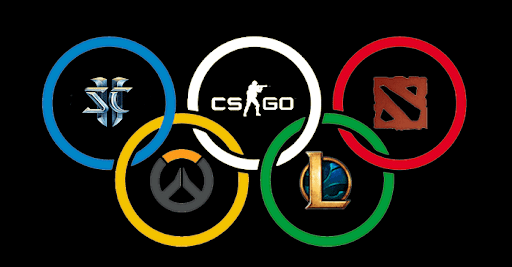
The real breakthrough came with games like Dota 2, League of Legends, and later Fortnite. Their world championships attracted millions of viewers online and filled entire arenas, creating the same atmosphere as traditional sports. With that came bigger prize pools — The International in Dota 2, for example, exceeded $30 million, while Fortnite’s World Cup handed out a single prize of $3 million to Bugha.
Esports in the USA quickly followed this global trend. Organizations like Evil Geniuses and Team Liquid built professional structures, and American players became some of the highest earners in the industry. From being seen as a hobby, esports has grown into a multi-billion dollar business, and players in the U.S. are at the center of it.
Why American Players Dominate the Scene
From my perspective, American players dominate not just because of talent, but because of the infrastructure around them. The U.S. has long been at the center of gaming culture, with access to high-speed internet, advanced gaming hardware, and a strong streaming ecosystem. These conditions gave players the tools to practice at the highest level long before esports became mainstream worldwide.
Another factor is investment. American organizations such as Evil Geniuses, Cloud9, and Team Liquid professionalized esports early, providing structured coaching, sponsorships, and salaries. This allowed U.S. players to focus entirely on competition, while in many other countries gaming was still seen as just a pastime.
Finally, the American market itself is massive. With millions of fans, huge corporate sponsors, and global tournaments hosted in cities like Los Angeles and New York, the U.S. remains a natural hub for esports. This combination of infrastructure, investment, and audience makes American players some of the most visible and highest-earning professionals in the industry.
Top 3 Richest Esports Players in the USA
Bugha (Fortnite World Cup Champion)
Kyle “Bugha” Giersdorf was born on December 30, 2002, in Pennsylvania, United States. He grew up in a typical suburban environment, and like many kids of his generation, he was drawn to video games from an early age. Unlike most, though, his talent and dedication quickly set him apart. His father introduced him to gaming, and by his teenage years, Bugha was already competing in online Fortnite tournaments.

The turning point came in July 2019, when Bugha entered the Fortnite World Cup in New York City. At just 16 years old, he dominated the competition, finishing first in the solo event and securing the massive $3 million prize. That single victory made him the highest-earning American esports player at the time and turned him into an overnight sensation across gaming and mainstream media.
After his World Cup win, Bugha became more than just a player. He signed sponsorship deals with global brands, appeared on television shows, and grew his audience on Twitch and YouTube, where millions watch his streams. His career earnings from prize money now exceed $3.7 million, while his total net worth — including sponsorships and streaming — is estimated at around $6 million.
What makes Bugha unique is not just his skill but his ability to thrive under pressure. He became a role model for young gamers, showing that esports can provide real opportunities for success in the U.S. His story is often compared to traditional sports prodigies — someone who reached the top of his field before even turning 18.
ppd (Dota 2 International Winner)
Peter “ppd” Dager was born on November 2, 1991, in Fort Wayne, Indiana, United States. Unlike many esports stars who began with a single game, ppd’s path started with titles like Heroes of Newerth before he transitioned into Dota 2. His sharp analytical mind and leadership skills quickly distinguished him, making him not just a strong player but also a natural captain.
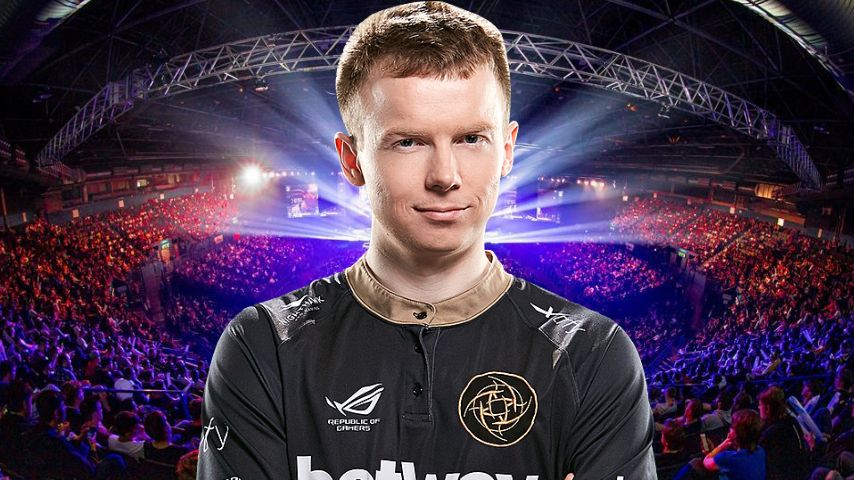
In 2014, ppd joined Evil Geniuses, one of the most prominent esports organizations in North America. Just a year later, he led his team to victory at The International 2015, the world’s biggest Dota 2 tournament. Their championship run earned them over $6.6 million in prize money, with ppd personally taking home more than $1.3 million from that event alone. Over the course of his career, his total earnings exceeded $3 million, making him one of the richest American Dota 2 players.
What set ppd apart wasn’t only his gameplay but also his approach to leadership. He was known for his strict discipline, sharp drafts, and sometimes controversial honesty in interviews. These qualities helped him secure Evil Geniuses’ place as a powerhouse on the global stage.
After retiring from professional play, ppd stayed in esports, taking on roles as a coach, commentator, and even team manager. His career shows how a player can transition from competition to leadership while still maintaining influence in the industry. Today, ppd is remembered as one of the greatest American captains in esports history and a symbol of the U.S. presence in Dota 2’s global scene.
Fear (Dota 2 Veteran and Champion)
Clinton “Fear” Loomis was born on February 19, 1988, in Medford, Oregon, United States. Known as one of the earliest stars of North American esports, Fear began his professional career long before Dota 2 was released. He first gained recognition in the original DotA (Warcraft III mod), where his skills quickly earned him respect among the global community.
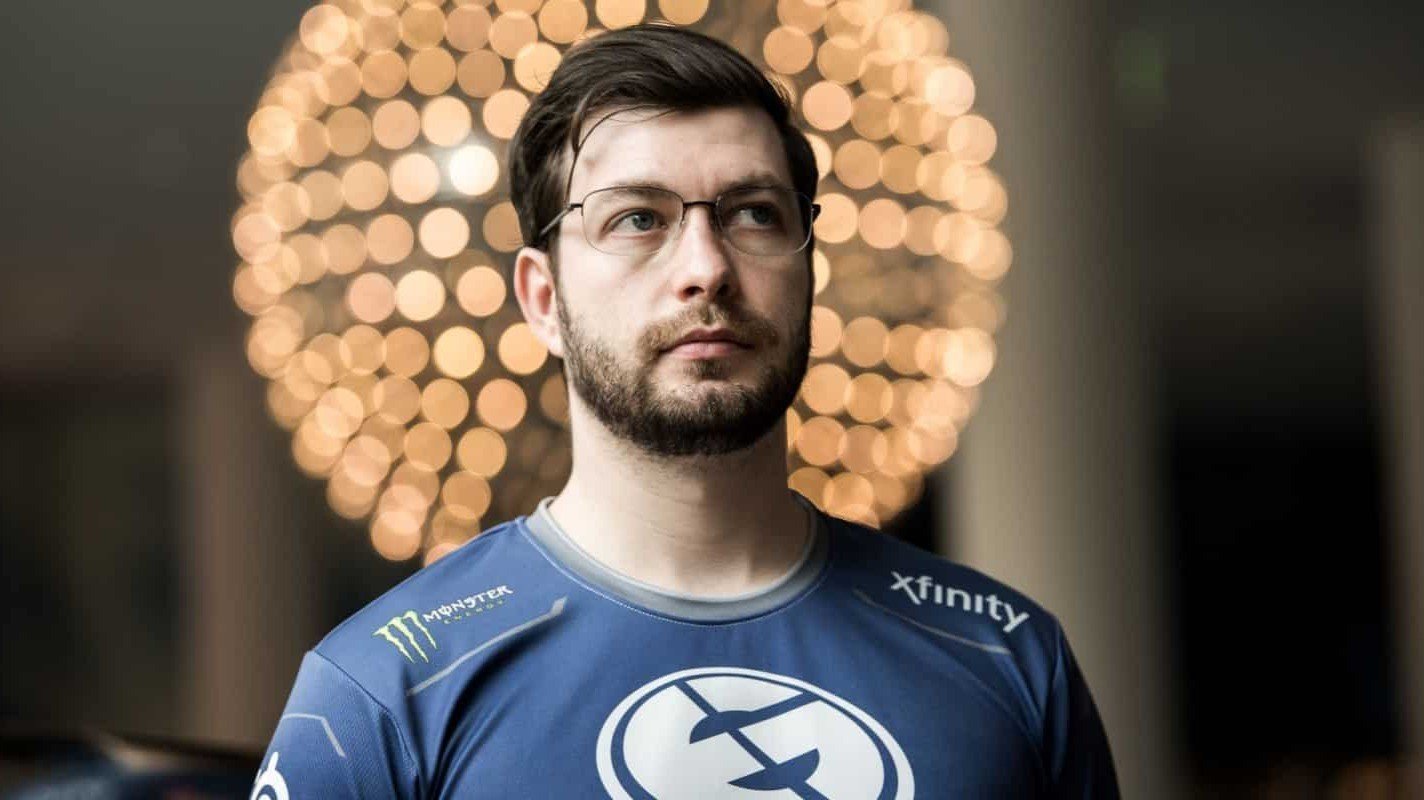
Fear’s journey into Dota 2 started when Valve launched the game’s beta around 2011. He became the cornerstone of Evil Geniuses, bringing experience, consistency, and leadership to a roster filled with younger talents. Unlike many flashy players, Fear was known for his calm, methodical style and ability to perform under pressure.
His greatest achievement came in 2015, when Evil Geniuses won The International 5, one of the most prestigious tournaments in esports history. Fear’s performance, along with the guidance he provided as a veteran, was key to the team’s success. The victory awarded him over $1.3 million from the prize pool, contributing to his career earnings of more than $2.6 million.
What makes Fear’s story remarkable is his longevity. While many players peak young and retire quickly, Fear competed at the top level for more than a decade. He transitioned from being the star carry player to a mentor and coach, always adapting his role to what his team needed.
Today, Fear is remembered not only as a champion but also as the “Godfather of North American Dota”, a title given to him for pioneering professional play in the region. His legacy goes beyond prize money — he inspired an entire generation of U.S. players who followed in his footsteps.
The Legendary FPS Pioneer – Fatal1ty
Early Career and Rise in Quake and Painkiller
Jonathan “Fatal1ty” Wendel was born on February 26, 1981, in Kansas City, Missouri, United States. Growing up, he was passionate about video games and showed a natural competitive drive. Long before esports was recognized as a career path, Jonathan dedicated countless hours to first-person shooters, honing his reflexes and precision in an era when professional gaming barely existed.
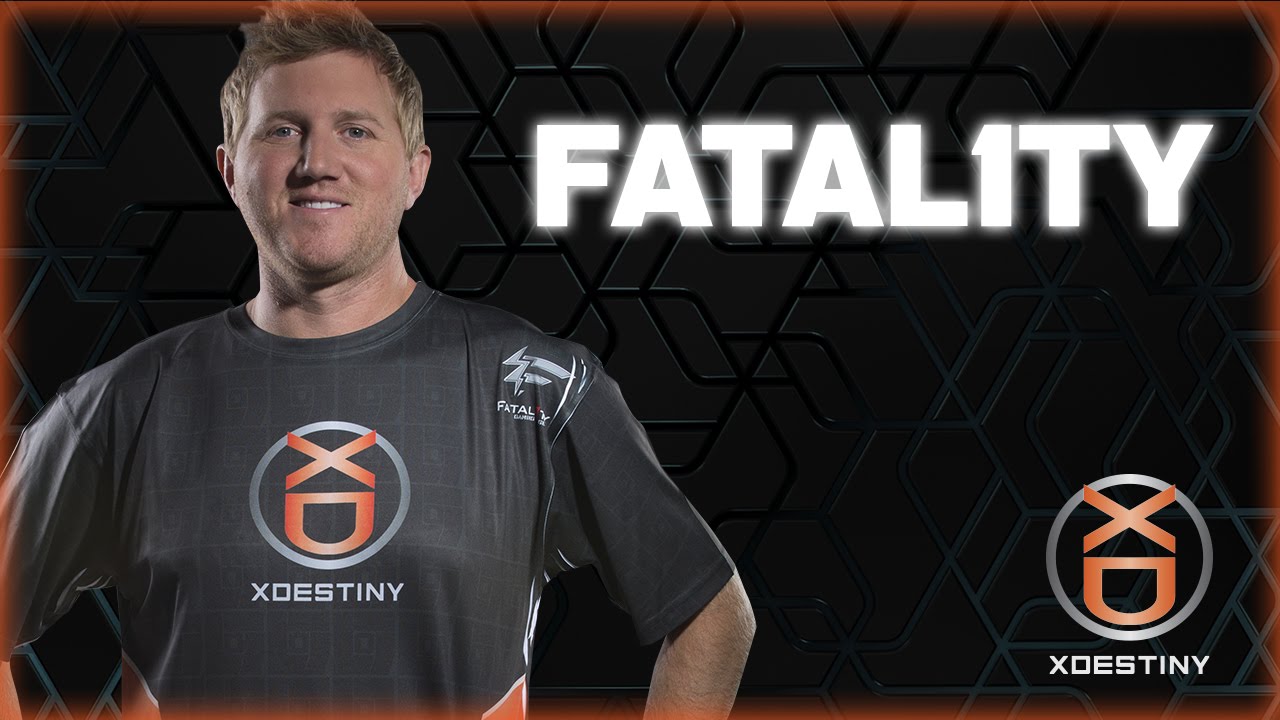
Fatal1ty’s professional journey began in the late 1990s, when he competed in Quake III Arena tournaments. His aggressive, highly skilled playstyle quickly set him apart from other competitors. By 1999, he was already making a name for himself in the U.S. esports scene, earning his first tournament winnings and proving that gaming could be more than just a hobby.
The true breakthrough came in the early 2000s. Fatal1ty dominated multiple titles — including Quake III, Unreal Tournament 2003, and especially Painkiller. In 2004, he became the Painkiller World Tour Champion, cementing his reputation as the best FPS player of his time. Over his career, he won 12 world championships across five different FPS titles, an achievement unmatched in that era.
By the mid-2000s, Fatal1ty had already earned around $500,000 in prize money, a staggering amount for that period. More importantly, he became a symbol of professional gaming in America, proving that dedication and skill could translate into real financial success.
Creating the Fatal1ty Gaming Brand
As Fatal1ty’s reputation grew, he realized that his success didn’t have to end with tournament prize pools. In the early 2000s, when most gamers were still treated as hobbyists, he took the bold step of turning his name into a brand. This was a groundbreaking move for esports at the time.

He partnered with hardware companies to launch the Fatal1ty Gaming Gear product line, which included motherboards, sound cards, headsets, and other peripherals designed for competitive players. By attaching his name to high-performance gaming products, Fatal1ty tapped into a growing market of fans who wanted to play like the pros.
These deals earned him far more than prize winnings alone. While he accumulated around $500,000 from tournaments, his brand partnerships and licensed products generated millions of dollars in revenue. This business model placed him far ahead of his time — essentially making him the first American esports athlete to build a personal empire around his gaming identity.
More importantly, Fatal1ty paved the way for future generations of players to think beyond competitions. His story showed that a professional gamer could be both an athlete and an entrepreneur, setting the standard for how modern stars like Bugha or Ninja monetize their fame today.
Legacy as the First Pro Gamer Millionaire
Looking back, Fatal1ty’s impact goes far beyond his tournament wins. He was not just a skilled FPS player — he was the first to prove that competitive gaming could be a sustainable and profitable career. By combining prize money with product endorsements and business ventures, he became widely recognized as the first pro gamer millionaire in the United States.
His legacy isn’t just financial. Fatal1ty legitimized esports in the eyes of mainstream media, sponsors, and young players who dreamed of following the same path. He appeared on television, in magazines, and even influenced how early esports events were marketed. For many, he was the face of professional gaming during a time when the industry was still fighting for recognition.
Today, when we talk about Bugha winning millions in Fortnite or Dota 2 stars taking home record prize pools, it’s important to remember that Jonathan “Fatal1ty” Wendel laid the foundation. His entrepreneurial spirit and competitive dominance turned him into a pioneer — someone who transformed esports from a niche hobby into a career path that others could follow.
How Esports Players Make Money Beyond Prize Winnings
Sponsorships and Brand Deals
From my perspective, one of the biggest reasons esports players in the U.S. have reached millionaire status is the rise of sponsorships and brand partnerships. Prize money alone, even from massive tournaments like The International or the Fortnite World Cup, rarely guarantees long-term financial security. What truly elevates a player’s income is their ability to work with global brands.
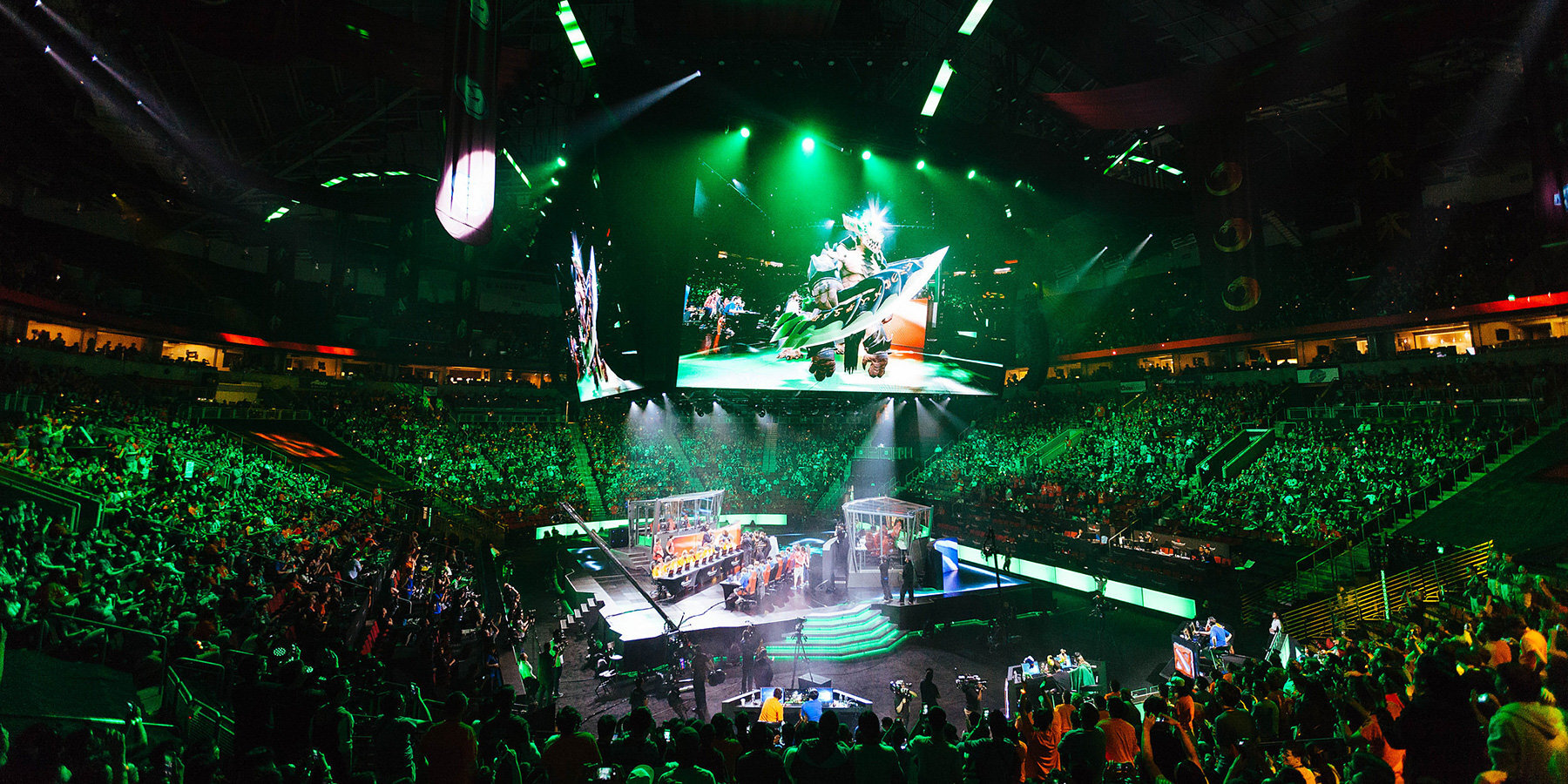
Companies like Red Bull, Monster Energy, Intel, and HyperX have long recognized the marketing power of esports. By sponsoring players and teams, they gain exposure to a young, engaged audience, while players secure steady income beyond competition. For top American stars like Bugha or streamers who blend competition with content creation, brand deals can sometimes outweigh tournament winnings.
In addition, these partnerships aren’t limited to hardware or energy drinks. Clothing brands, lifestyle companies, and even mainstream organizations like the NFL and NBA have collaborated with esports players to tap into gaming culture. For many pros, signing with the right sponsor means financial stability, career longevity, and a platform that extends far beyond the stage.
Twitch and YouTube Streaming Income
Beyond sponsorships, the most reliable source of income for American esports players comes from streaming on Twitch and YouTube. These platforms allow professionals to turn their competitive reputation into daily entertainment for millions of fans.
On Twitch, players earn through monthly subscriptions, viewer donations, and ad revenue. For top-tier streamers, this can add up to tens of thousands of dollars per month, regardless of tournament results. YouTube complements this with monetization through ads and sponsorship integrations, giving players an additional layer of income from highlight videos, tutorials, or personal vlogs.
For example, Bugha didn’t just stop after his Fortnite World Cup victory. He built a loyal fanbase online, where his streaming hours and content continue to generate consistent revenue. Even veterans like Fear and ppd, who eventually stepped away from active competition, used streaming as a way to stay connected with fans and maintain income.
In many cases, streaming income surpasses what players earn from competitions. It creates a direct relationship between pros and their audience, ensuring that even if their competitive performance declines, their personal brand remains profitable.
Merchandising and Personal Brands
Another important source of income for American esports players comes from merchandising and personal branding. While prize money and streaming revenue may fluctuate, selling merchandise and building a recognizable brand create long-term stability and influence.
Many top players collaborate with organizations or independent designers to launch jerseys, apparel, and accessories. Fans buy these not only as clothing but as a way to support their favorite stars. In the U.S., where fan culture is deeply tied to sports and entertainment, esports merch has quickly grown into a serious business.
Beyond clothing, some players have taken branding even further. Bugha, for example, released his own gaming gear in collaboration with hardware companies. Going back to pioneers like Fatal1ty, we can see how creating signature products and licensing deals can sometimes earn more than prize winnings themselves.
The most successful players treat themselves like athletes or entertainers, using logos, slogans, and professional marketing strategies to keep their image strong. This approach ensures that even after stepping away from competition, they continue to generate income through brand partnerships, merch sales, and appearances.
In many ways, merchandising and personal branding are what transform a top esports player into a cultural icon, extending their reach far beyond the stage or streaming platform.
Comparison of Esports Earnings in the USA vs. Global Scene
American Players vs. European Champions
When comparing American esports players to their European counterparts, the first difference lies in the games that define their success. In the United States, players like Bugha became millionaires thanks to Fortnite, while veterans such as ppd and Fear earned their fortunes in Dota 2. In Europe, however, the dominance has been even stronger in titles like Dota 2, Counter-Strike: Global Offensive, and League of Legends.
European champions, such as Johan “N0tail” Sundstein from Denmark, hold the highest all-time earnings in esports history, with over $7 million in prize money — nearly double what the richest American players have collected. The difference comes largely from Europe’s consistency in winning The International, which has the biggest prize pool in the industry.
That said, American players often benefit from better access to sponsorships, brand deals, and media exposure. The U.S. market for gaming is massive, and being based in America often means more opportunities outside of tournaments, such as streaming and collaborations with global companies. While Europeans tend to dominate in sheer prize earnings, Americans frequently catch up in overall net worth thanks to stronger commercial ecosystems.
In short, Europe leads when it comes to tournament dominance, but America shines in turning esports into a full-fledged entertainment business.
Why Asia Still Leads in Prize Pools
When we look at global esports earnings, Asia consistently leads in prize pools and competitive dominance. The reason is simple: the region has some of the largest player bases and the most established gaming cultures in the world. Countries like China, South Korea, and more recently Southeast Asia, treat esports as seriously as traditional sports.
China’s success in Dota 2 is a prime example. Teams like PSG.LGD and Wings Gaming have consistently placed at the top of The International, securing multi-million dollar payouts. Meanwhile, South Korea’s infrastructure in StarCraft II, League of Legends, and Overwatch has set global standards for training, coaching, and professional organizations.
Another factor is government and corporate support. In Asia, esports often receives backing from telecom companies, tech giants, and even local governments, which makes it easier to host massive tournaments and invest in prize pools. By contrast, American esports relies more heavily on private investment and sponsorships.
As a result, Asian players frequently dominate the largest tournaments in terms of raw winnings. While Americans may excel in building personal brands and media presence, Asia continues to hold the crown when it comes to prize money and competitive consistency.
Future of Rich Esports Players in the USA
Upcoming Stars to Watch
As someone who has followed esports in the U.S. for years, I can see that the next wave of stars is already forming. While Bugha, ppd, and Fear built the foundation, new players are rising quickly thanks to younger audiences, faster exposure on Twitch, and more organized competitive leagues.
In Valorant, for example, American talents like TenZ (Tyson Ngo) have already become household names. His mechanical skill and popularity make him one of the most promising figures to lead the new generation. In Fortnite, despite the game’s ups and downs, young players continue to emerge every season, often climbing to international recognition within months.
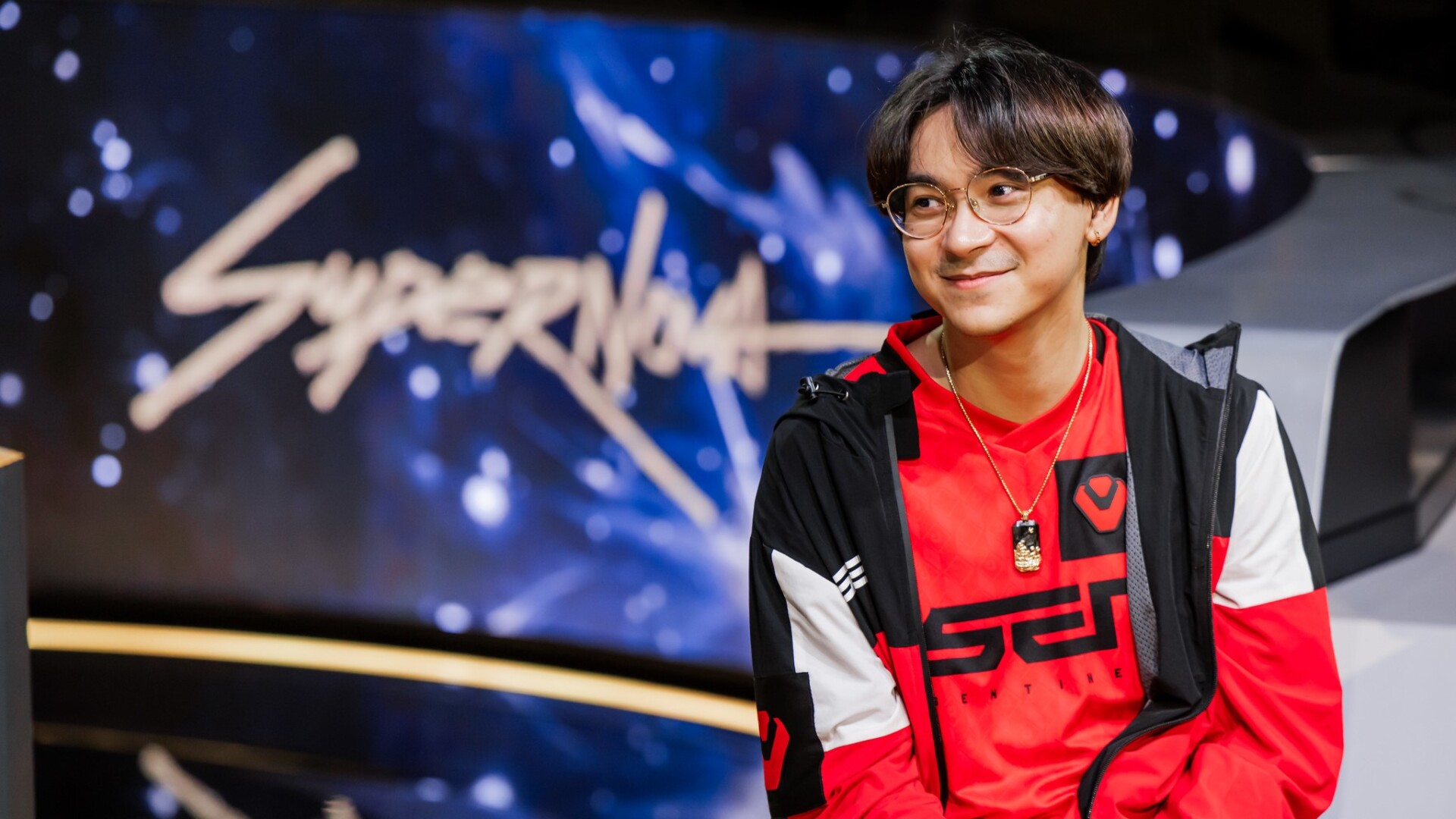
Even outside of these big titles, games like Call of Duty and Apex Legends are producing U.S. players who may soon reach millionaire status. What’s different today is that rising stars no longer rely solely on tournaments — they build their fanbase on streaming platforms from day one, ensuring both competitive recognition and financial stability.
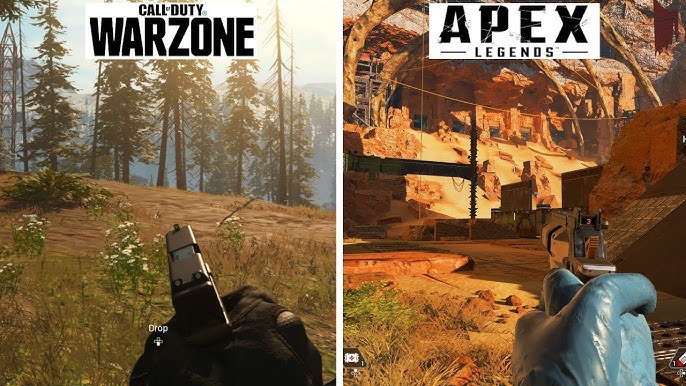
These upcoming stars prove that the U.S. esports scene is not slowing down. Instead, it’s entering a phase where talent, content creation, and branding combine, creating the next generation of rich and influential esports professionals.
Will Fortnite, Dota 2 or Valorant Create the Next Millionaire?
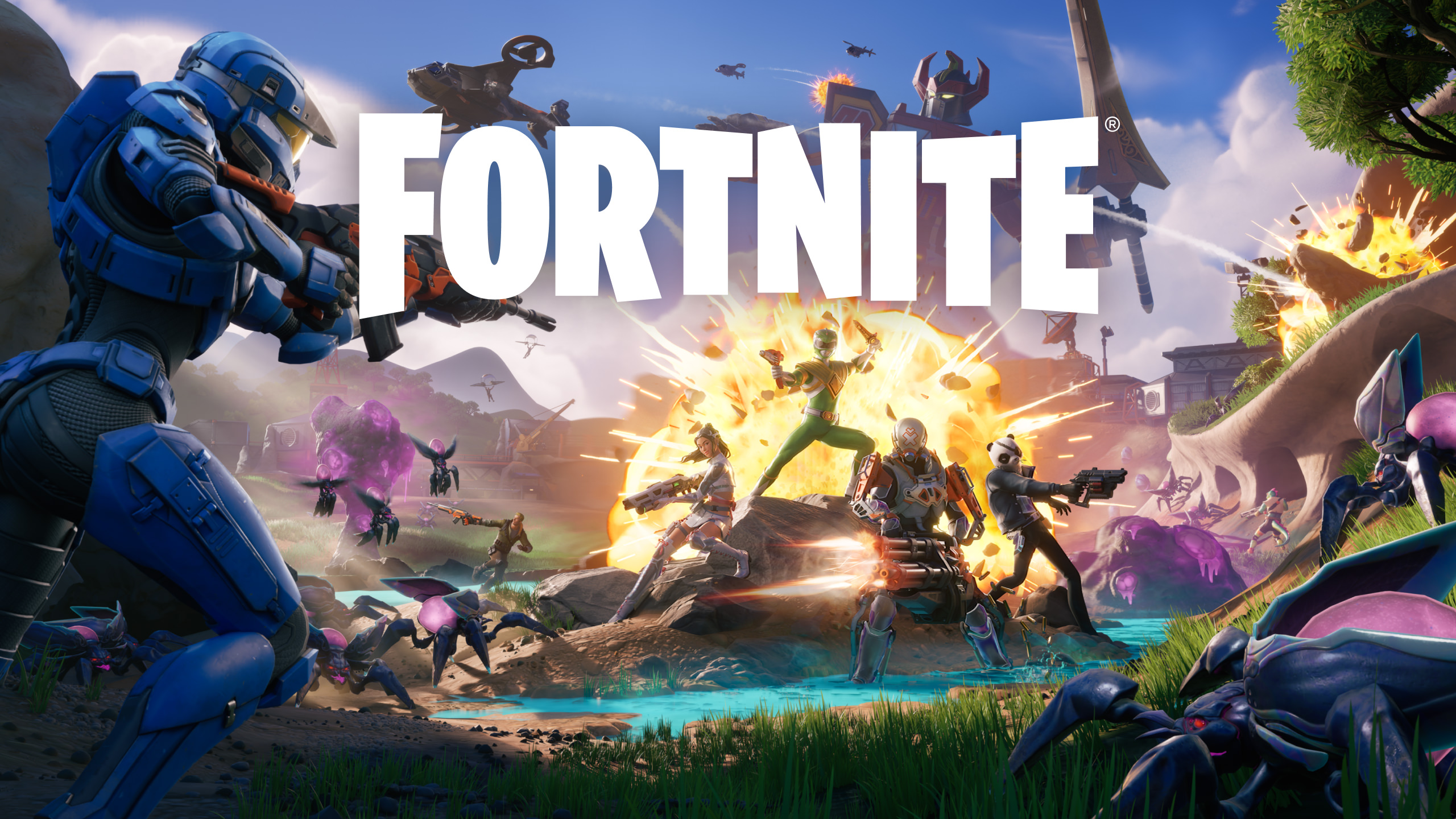
From my perspective, the answer is yes — but the game that produces the next American millionaire will depend on how the esports market evolves. Fortnite proved with Bugha’s victory that one breakout tournament can change a player’s life overnight. While the game’s competitive scene has become less stable, it still provides opportunities for young talents to rise quickly.
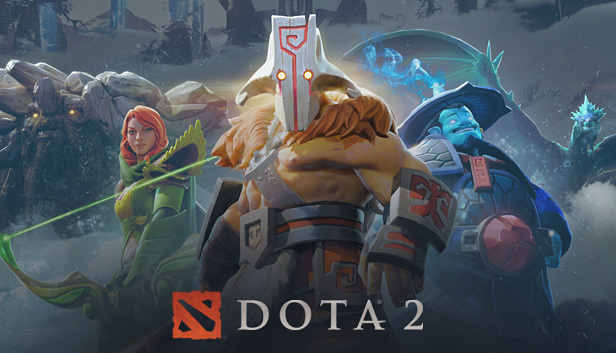
Dota 2 remains a consistent path to massive prize money thanks to The International. Although American teams have not dominated in recent years, a single strong roster could easily put another U.S. player on the millionaire list with one championship run.
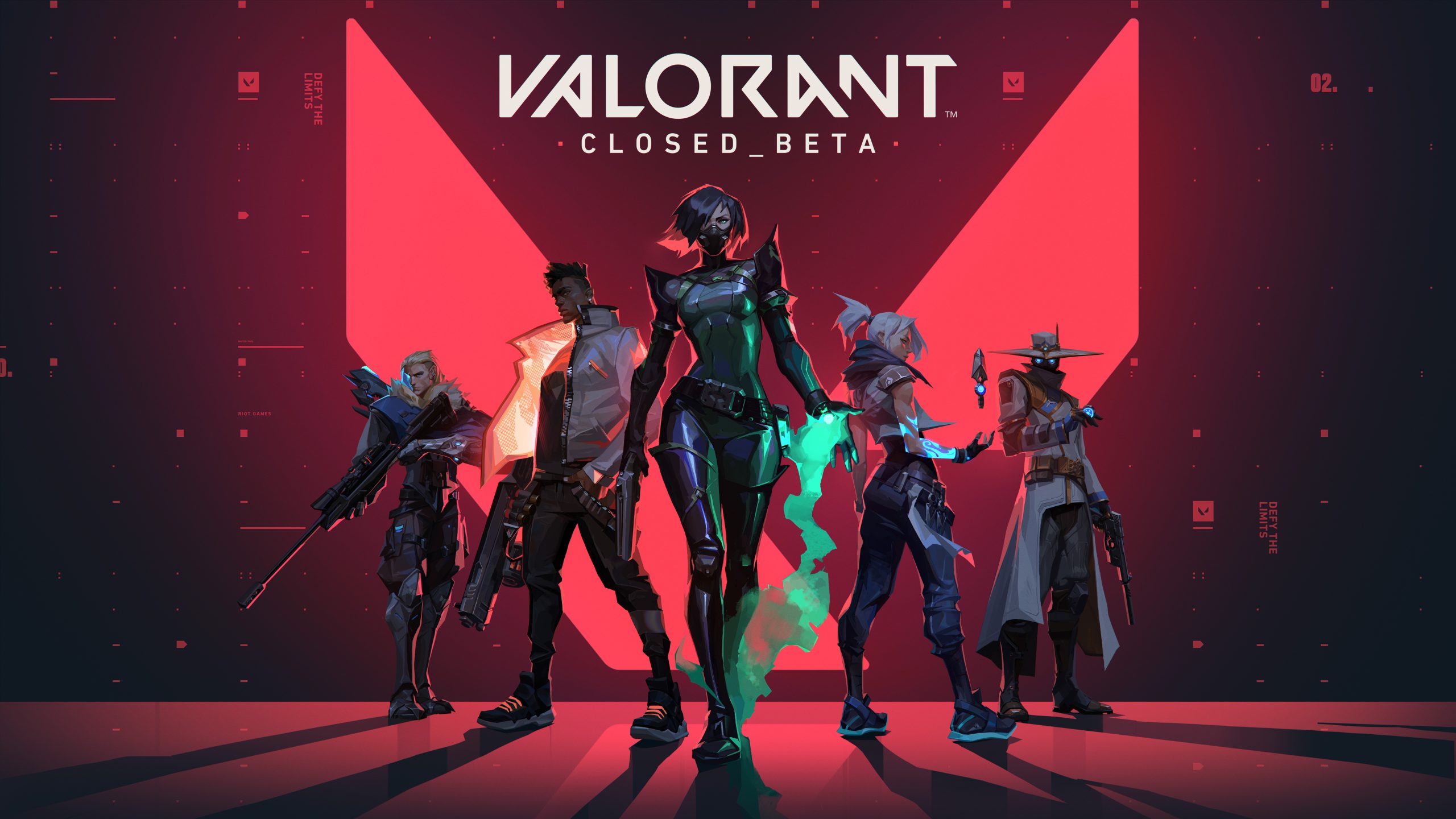
Valorant, however, looks like the most promising long-term option. With Riot Games’ structured leagues, steady sponsorship support, and growing international popularity, it offers players both prize winnings and the exposure needed to secure lucrative brand deals. Young American talents like TenZ already show the potential of reaching that level.
In reality, the next U.S. esports millionaire will likely come from a combination of competition, streaming, and personal branding. Whether it’s Fortnite, Dota 2, or Valorant, the formula is no longer just about winning — it’s about building a presence that fans and sponsors are eager to support.
Conclusion – Who Truly Is the Richest Esports Player in America?
After looking at the history and present of U.S. esports, one thing is clear: Kyle “Bugha” Giersdorf still holds the title as the richest American esports player by prize money, with his $3 million Fortnite World Cup win standing as a landmark moment. Alongside him, legends like ppd and Fear proved that Americans could compete on the biggest stages in Dota 2, earning millions through discipline and leadership.
At the same time, we cannot ignore the role of Jonathan “Fatal1ty” Wendel, who became a pioneer long before million-dollar prize pools existed. He built a brand, turned gaming into a business, and showed the world that professional players could make real careers out of esports.
So, who truly is the richest? By numbers, Bugha leads today. By long-term impact, Fatal1ty set the standard. And by consistency, players like ppd and Fear ensured the U.S. stayed on the global map. Together, they show that American esports is not only about winning tournaments but also about shaping the industry for future generations.
FAQ — Top Richest Esports Players in the USA
Who is the richest esports player in the USA by prize money?
Kyle “Bugha” Giersdorf leads among American players by tournament winnings, primarily thanks to his solo victory at the Fortnite World Cup in 2019 with a $3M top prize.
Does “richest” mean prize money only or total net worth?
In esports, “richest” can mean two things: prize earnings (public, verifiable) and overall net worth (estimates from streaming, sponsorships, merch). This article focuses on prize winnings and clearly labels broader income when mentioned.
Why is Bugha so far ahead among American players?
His 2019 Fortnite World Cup win delivered an unprecedented single-event payout. He then compounded visibility with streaming and brand deals, keeping his income diversified beyond tournaments.
Who are the other top-earning Americans after Bugha?
Peter “ppd” Dager and Clinton “Fear” Loomis (both Dota 2) rank among the highest American earners by prize money, largely due to Evil Geniuses’ win at The International 2015 and consistent top finishes.
Where does Fatal1ty fit if his prize money is lower?
Jonathan “Fatal1ty” Wendel is a pioneer: he earned significant prize money for his era and—crucially—built a personal brand and licensed gaming gear. His broader business success makes him a landmark figure beyond raw winnings.
How do American players earn outside tournaments?
Key streams include sponsorships, Twitch/YouTube revenue (subs, ads, donations), merchandising, and brand collaborations. For many pros, these surpass annual prize winnings.
Why do Europeans top global prize rankings more often?
European teams have historically excelled in titles with the largest prize pools (e.g., Dota 2’s The International). Consistent top finishes translate to outsized lifetime winnings.
Which U.S. titles are most likely to create the next millionaire?
Valorant (structured leagues + brand appeal), Dota 2 (TI-scale payouts), and Fortnite (breakout event potential) are the most likely paths, paired with strong streaming/branding.
Are esports net-worth figures accurate?
Prize earnings are public and trackable. Net-worth estimates (sponsors, merch, investments) are directional and often vary; treat them as educated approximations, not audited totals.
What’s the simplest definition of “richest American esports player” today?
By prize money alone, it’s Bugha. By industry impact and early monetization, Fatal1ty stands out as a foundational figure who proved pro gaming could be a viable career.