Hello! My name is Ethan Miller — I am a digital media and streaming platforms specialist. For more than a decade, I have been analyzing how the online broadcasting market evolves, what tools creators use, and how streamers turn a hobby into a full-fledged business.
Today I want to talk about Twitch — a platform that reshaped the entertainment industry and became a symbol of the live-streaming era. We’ll go through its history, the first steps of streamers, the main monetization mechanics, big names and record-breaking earnings. I will also touch on Twitch’s connection with casino-related content — one of the most controversial topics of recent years.
Finally, I will compare Twitch with the young but promising platform GAD.BET to show where streamers today truly have more opportunities to earn money.
The History of Twitch
From Justin.tv (2007) to the Launch of Twitch.tv (2011)
When I talk about the origins of streaming, I always start with 2007. That’s when Justin Kan, together with Emmett Shear and their team, launched the platform Justin.tv. It became one of the first in the world where anyone could broadcast their life in real time.
At first, the project positioned itself as “lifecasting” — the creator would turn on a camera and show what they were doing live. In March 2007, Justin Kan himself started a 24/7 broadcast of his life, drawing media attention and viewers to this new format.
By 2008, it was already clear that audiences were less interested in daily life and more in broadcasts of games and competitions. The gaming category on Justin.tv was growing faster than all the others and gradually became the core direction for the service.
By 2010, internal statistics showed that the gaming segment was holding most of the audience and generating the majority of traffic. This became the decisive factor in the strategic decision to spin off gaming into a separate project.
So, in June 2011, the team officially introduced Twitch.tv — a new platform focused entirely on video games and esports. The name wasn’t accidental: the term twitch gameplay was associated with quick reactions and dynamic gaming.
Just a few months after launch, Twitch began to grow rapidly, leaving behind other sections of Justin.tv and forming the foundation of a future media giant.
Founders: Justin Kan and Emmett Shear
When speaking about Twitch’s history, I always highlight its creators — Justin Kan and Emmett Shear. They were the ones who launched Justin.tv in 2007, the project that later evolved into Twitch.
Justin Kan was born in 1983 and studied at Yale University. He became famous for his “lifecasting” experiment: in March 2007, he started a 24/7 online broadcast of his life by strapping a webcam to his head. This unusual step attracted massive media attention and became the starting point for Justin.tv.
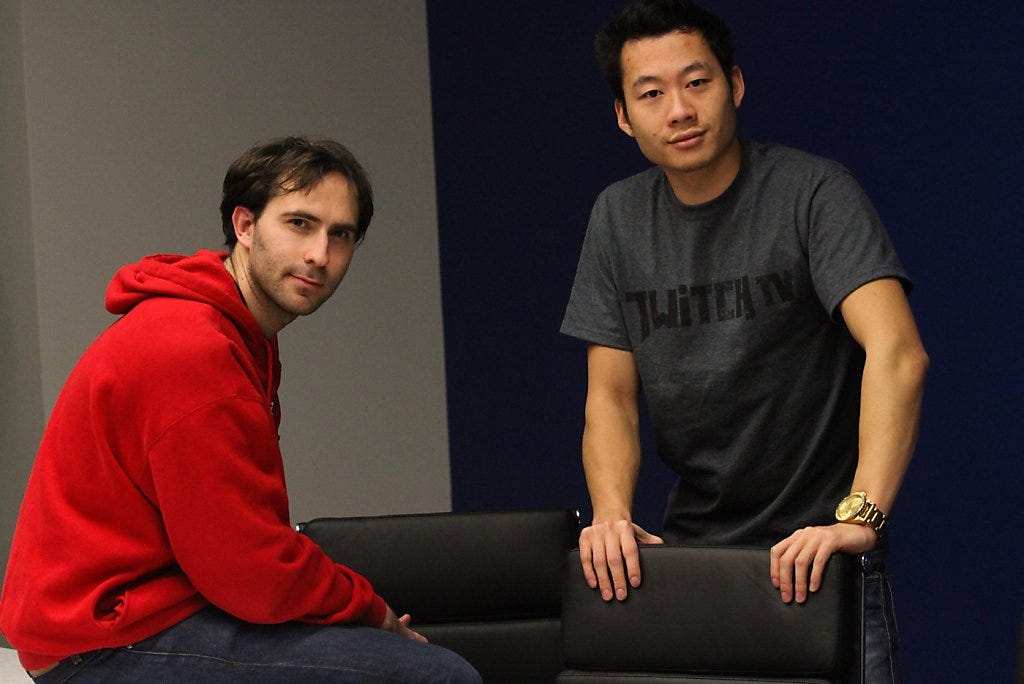
Emmett Shear, also a Yale graduate, took on the role of technical leader. His task was to build scalable infrastructure that allowed thousands of people to launch their own broadcasts. He was responsible for the product side and strategic development of the service.
It was the combination of Kan as the media face and Shear as the technical visionary that became the key to Twitch’s success. When the decision was made in June 2011 to spin off gaming into a separate brand, Shear became the CEO of Twitch.tv and remained in this position for more than ten years — until March 2023.
Amazon’s Acquisition in 2014 for Nearly $1 Billion
When analyzing Twitch’s milestones, I always pause on 2014. That was the year an event occurred that cemented the platform’s status in the global industry.
In August 2014, it was announced that Amazon had acquired Twitch Interactive for $970 million. This deal became one of the largest acquisitions in the internet industry at that time.
Interestingly, the media had initially reported on talks with Google: the corporation had planned to integrate Twitch into YouTube’s ecosystem. But negotiations dragged on due to antitrust risks, and ultimately it was Amazon that closed the deal.
For Twitch, this was a turning point. The platform gained access to Amazon Web Services, which provided stable broadcasts and scaling to millions of new viewers worldwide. In addition, Twitch Prime (launched in 2016) integrated streaming with Amazon’s e-commerce services.
This acquisition not only saved Twitch from being absorbed by competitors but also turned it into a full-fledged media holding within Amazon. From that moment, the platform ceased to be a startup and became a global player in the entertainment market.
The First Streamers and Content
Early Game Broadcasts and the Rise of Esports
I remember how back on Justin.tv in 2008–2009, the gaming category quickly pushed aside “lifecasting.” People came to watch World of Warcraft raids, retro-game speedruns, and online tournaments. Things accelerated even more in July 2010 with the release of StarCraft II, which brought regular GSL leagues and Major League Gaming’s expansion in North America. Match streams became the core driver of traffic.
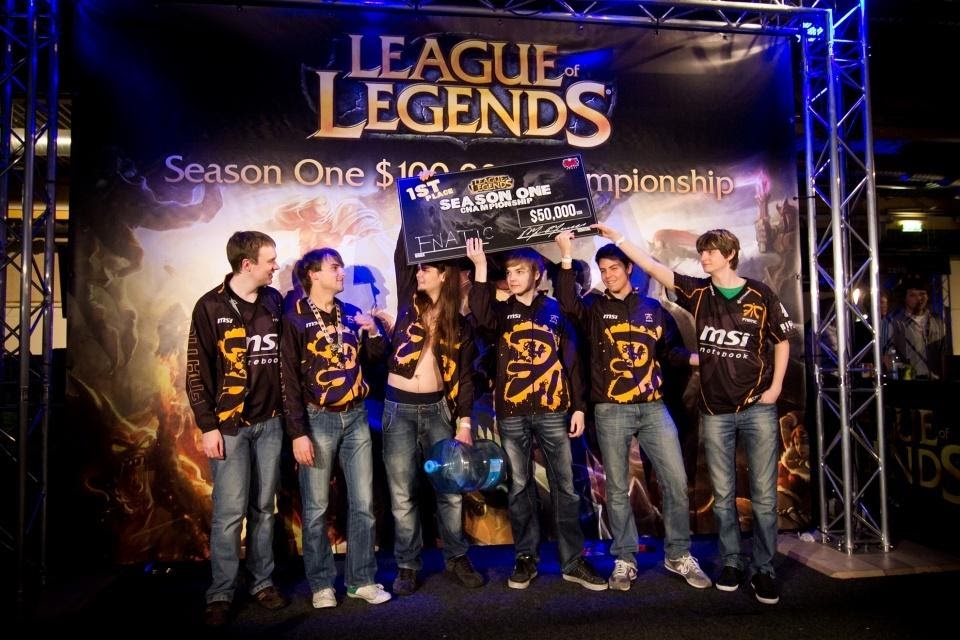
After the launch of Twitch.tv in June 2011, esports finally had a permanent “home” platform. Two milestones stood out: the Season 1 World Championship for League of Legends (summer 2011, DreamHack) and the very first Dota 2 International (August 2011, Gamescom). These events proved that live broadcasts could hold mass audiences for hours.
By 2012–2013, Twitch had established partnerships with ESL, DreamHack, and MLG. League schedules became year-round, and live broadcasts turned into the standard way of consuming esports. Tournaments for LoL, Dota 2, and SC2 drew record peak audiences, and for publishers, it became normal to build media strategies “around streams first,” not pre-recorded videos.
The Popularization of League of Legends, Dota 2, and StarCraft II
When I think back to Twitch’s early years, it was League of Legends, Dota 2, and StarCraft II that drove audience growth. Already in 2011, Riot Games brought LoL to the global stage through the Season One World Championship at DreamHack, where broadcasts gathered tens of thousands of online viewers — a breakthrough for that era.
At the same time, Valve introduced the first-ever Dota 2 International in August 2011 with a record prize pool of $1.6 million. That event firmly established Dota 2 as one of Twitch’s core esports titles, and live streams became the primary way to follow the competition.
Meanwhile, Blizzard was actively developing the StarCraft II scene, launching the GSL series in South Korea. I remember thousands of viewers staying up late to watch matches featuring legendary players like MC, NesTea, and MVP.
Together, these three games made Twitch synonymous with esports. Thanks to them, audiences got used to the live viewing format, and the platform built its reputation as the main hub for gamers and competitive fans.
The Birth of “Chat Interaction”
Watching Twitch evolve, I noticed that games weren’t the only foundation of the platform. By 2012, new types of broadcasts appeared where the main focus was on interacting with the audience rather than gameplay. Streamers realized that live chat wasn’t just a side feature but a powerful tool to keep viewers engaged.
Gradually, a new genre formed — IRL (In Real Life). A creator could sit at their desk, discuss news, share thoughts, or simply talk with the audience. At that moment, chat became the center of activity, turning viewers from passive observers into active participants.
The growth of the Just Chatting category, which officially launched around 2015–2016, became especially notable. It later turned into Twitch’s most popular section. This format proved that a streamer’s success wasn’t determined only by gameplay but also by personality, charisma, and the ability to communicate live.
This was how a new culture of streaming emerged, where audiences tuned in not just for competition, but for genuine connection. That shift transformed Twitch into a universal platform — not only for gamers but also for bloggers, musicians, hosts, and even politicians.
Monetization on Twitch
Subscriptions and Paid Tiers
When it comes to Twitch’s first monetization tools, I always start with subscriptions. In 2011, right after the platform’s launch, creators could apply for partnership and enable paid subscriptions. Viewers had tiered options: Tier 1 at $4.99, Tier 2 at $9.99, or Tier 3 at $24.99.
It’s important to note that subscriptions provided more than just support for the streamer. Viewers received exclusive emotes, badges, ad-free viewing, and access to private chats. For creators, this became a reliable source of income.
From the very beginning, Twitch introduced a revenue split: half of the subscription price went to the streamer, while the other half remained with the platform. Later, terms improved for top partners, but for most streamers, the 50/50 split stayed the same.
In short, subscriptions laid the foundation of Twitch monetization. They made income predictable and allowed creators to build long-term relationships with their audiences.
Bits, Donations, and Cheers
The next big step for Twitch monetization came with the launch of Bits in 2016. I clearly remember how this system reshaped donation culture. Viewers could buy virtual currency and use it to send messages or animations in chat — called Cheers.
Each Bit equaled roughly one cent, and streamers received that amount directly, without delays or third-party services. The model proved convenient: viewers could easily support creators, and Twitch ensured transparent transactions.
Bits quickly turned into a gamified feature. Viewers started competing for top spots on donation leaderboards, while streamers added custom alerts and rewards for Cheers.
As a result, Bits strengthened the direct bond between creator and audience. Unlike subscriptions, they didn’t require recurring payments — viewers could support streamers spontaneously, at the peak of emotion.
Advertising on Broadcasts
Another revenue stream on Twitch came from ads. As early as 2012, the platform launched its partner program, which gave creators the ability to run ad breaks during streams.
Earnings depended on CPM — cost per thousand views. Average rates hovered around $2–$5 but varied greatly depending on viewer location and season. Major events like LoL or Dota 2 championships significantly boosted ad revenue.
Streamers could decide when to run ads, though a minimum requirement set by Twitch ensured consistent monetization even for smaller channels.
For large partners, ads became a notable revenue source, but for beginners, the impact was minimal. Real ad income required thousands of concurrent viewers.
That’s why Twitch ads have always been seen as a supplementary tool rather than a main income source. They complemented subscriptions and donations but rarely stood as the primary revenue channel.
Sponsorships, Merch, and External Deals
Beyond Twitch’s built-in tools, external revenue sources have always played a major role for streamers. By 2013, big brands had started signing sponsorship contracts with top creators. Companies in peripherals, energy drinks, and gaming services invested heavily in collaborations, paying for promotions during streams.
At the same time, merchandising developed. Streamers launched t-shirts, hoodies, and accessories with their personal branding. For many, this became not only extra income but also a crucial part of building a recognizable identity.
External integrations also emerged: affiliate links, ad placements, and promo codes. Twitch didn’t control these deals, so creators kept 100% of the profit. This trend especially accelerated after 2016 when streamers partnered with online games, betting companies, and subscription services.
Ultimately, sponsorships and merch transformed streaming from “a hobby with donations” into a full-time career. Without these external deals, most top streamers likely wouldn’t have reached multimillion-dollar earnings.
Twitch and Casino Content
The Rise of Slot Streams and Casino Partnerships
When analyzing Twitch’s content evolution, I always note the emergence of slot streams. By 2016, some creators had begun broadcasting online casino games: slots, roulette, and dice. At first, it seemed like a niche form of entertainment, but gradually these streams started attracting tens of thousands of viewers.
One reason for their growth was the strong emotional reactions of streamers. Huge bets, sudden wins, or rapid losses created powerful drama. Viewers tuned in not just for gambling, but for the spectacle.
At the same time, streamers began signing direct partnerships with online casinos. Companies paid for promoting their platforms and shared revenue from traffic and player deposits. As a result, many creators started earning far more than they did from subscriptions and donations.
By 2018–2019, the “Slots” category had taken shape as an independent segment on Twitch. It became clear that casino content wasn’t just entertaining — it was also incredibly lucrative, turning streamers into ambassadors for gambling brands.
Why Casino Content Became Popular
Breaking down the casino-streaming phenomenon, I see several key reasons behind its rapid growth. First and foremost, audiences were drawn by the high stakes. When a streamer spun a slot for $100 or placed a roulette bet worth several thousand dollars, it triggered strong emotions. People wanted to watch risk and instant results.
The genre was also built on provocation. Streamers often fueled interest with bold statements, sharp reactions, and aggressive communication styles. This created an atmosphere of an “unfiltered show” that kept audiences hooked.
Another factor was instant excitement. Unlike long esports matches or lengthy game playthroughs, casino streams delivered immediate outcomes. Every spin of the reels or deal of cards became an event in itself.
Ultimately, the combination of risk, emotion, and provocation made casino content magnetic for audiences. Viewers got a constant flow of adrenaline, while streamers enjoyed rapid growth in views and income.
Scandals: Criticism Over “Youth Exposure” and Media Investigations
When I assess the consequences of casino-stream popularity, I immediately recall the wave of scandals. By 2019, Twitch had begun receiving complaints from viewers and parental organizations. The main accusation was that such streams exposed teenagers to gambling, sparking their interest in slots and betting.
Journalists quickly picked up on the issue. In 2020–2021, dozens of investigations appeared in Western media, detailing the financial relationships between streamers and unlicensed casinos. Reports revealed that many creators received multimillion-dollar payouts for promoting gambling sites, while audiences often didn’t realize they were part of marketing campaigns.
At the same time, questions of transparency surfaced. Viewers accused streamers of having their bets sponsored directly by casinos, meaning that wins and losses weren’t always genuine. This only amplified criticism and public pressure.
Thus, allegations of manipulating minors and running undisclosed advertising deals made casino content Twitch’s most controversial category. These scandals laid the groundwork for future restrictions.
Twitch Policy: 2022 Ban on Unlicensed Casino Streams
Looking at Twitch’s response to mounting criticism, the decisive moment came in September 2022. The platform officially announced new rules effective October 18. From that date, streamers were banned from broadcasting slots, roulette, or dice games if the sites weren’t licensed.
The first platforms hit by this policy were Stake, Rollbit, Duelbits, and Roobet. These brands had actively partnered with streamers, paying out millions in sponsorships, but lacked licenses in the U.S. and other heavily regulated markets.
It’s important to note that Twitch didn’t completely ban gambling content. Poker, sports betting, and fantasy sports were still allowed, as long as the site was properly licensed. However, slot streams — the most profitable segment — were no longer permitted.
This 2022 decision became a turning point. Twitch aimed to protect its reputation and reduce media scrutiny but simultaneously stripped many creators of their most lucrative income stream.
The Migration of Top Streamers to Kick After Restrictions
After these restrictions in 2022, I observed a mass migration of top creators to alternative platforms. The main beneficiary was Kick, launched at the end of that year with backing from Stake, the crypto-casino operator.
By early 2023, major names like Trainwreckstv and xQc had already moved to Kick, leaving behind tens of millions in Twitch casino earnings. The reason was obvious: Kick offered extremely favorable terms — 95% of revenue stayed with the streamer, and casino content wasn’t heavily censored.
The migration came with huge contracts. For example, in summer 2023, xQc signed a deal with Kick reportedly worth $100 million. This record-breaking contract for the streaming industry confirmed that many creators and viewers left specifically because of Twitch’s gambling ban.
In the end, Twitch’s restrictions affected not only individual streamers but the platform as a whole. While Twitch maintained its image as a “safer” space, it lost a highly profitable content segment and a substantial portion of gambling-related traffic.
The Biggest Names and Earnings
When I evaluate who became Twitch’s defining figures, I always highlight three streamers who reshaped the industry with the scale of their earnings.
Ninja (Tyler Blevins)
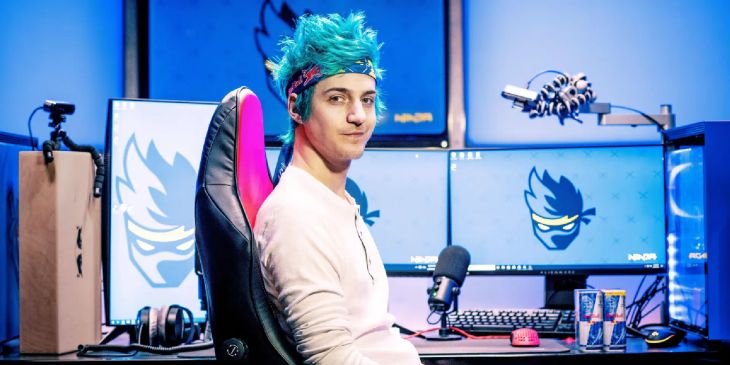
Ninja rose to fame during Fortnite’s boom in 2017–2018. His streams attracted hundreds of thousands of concurrent viewers, and his March 2018 broadcast with Drake became a global media event. According to CNBC, Ninja was the first streamer to reach $500,000 in monthly income, and by the end of 2018 he had earned over $10 million, becoming Twitch’s poster child in the gaming segment.
xQc (Félix Lengyel)
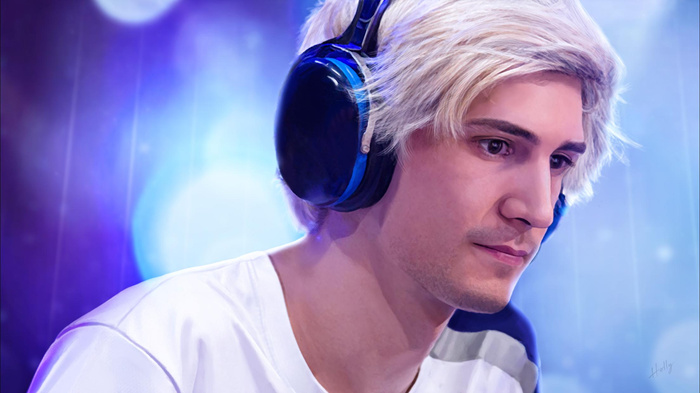
xQc established himself as one of the most-watched streamers in recent years. A former professional Overwatch player, he transformed into a full-fledged entertainer. According to the 2021 Twitch leak, he earned more than $8 million from the platform in just two years. A significant portion of his income also came from sponsorships and casino streams, fueling heated debates in the community.
Trainwreckstv (Tyler Niknam)
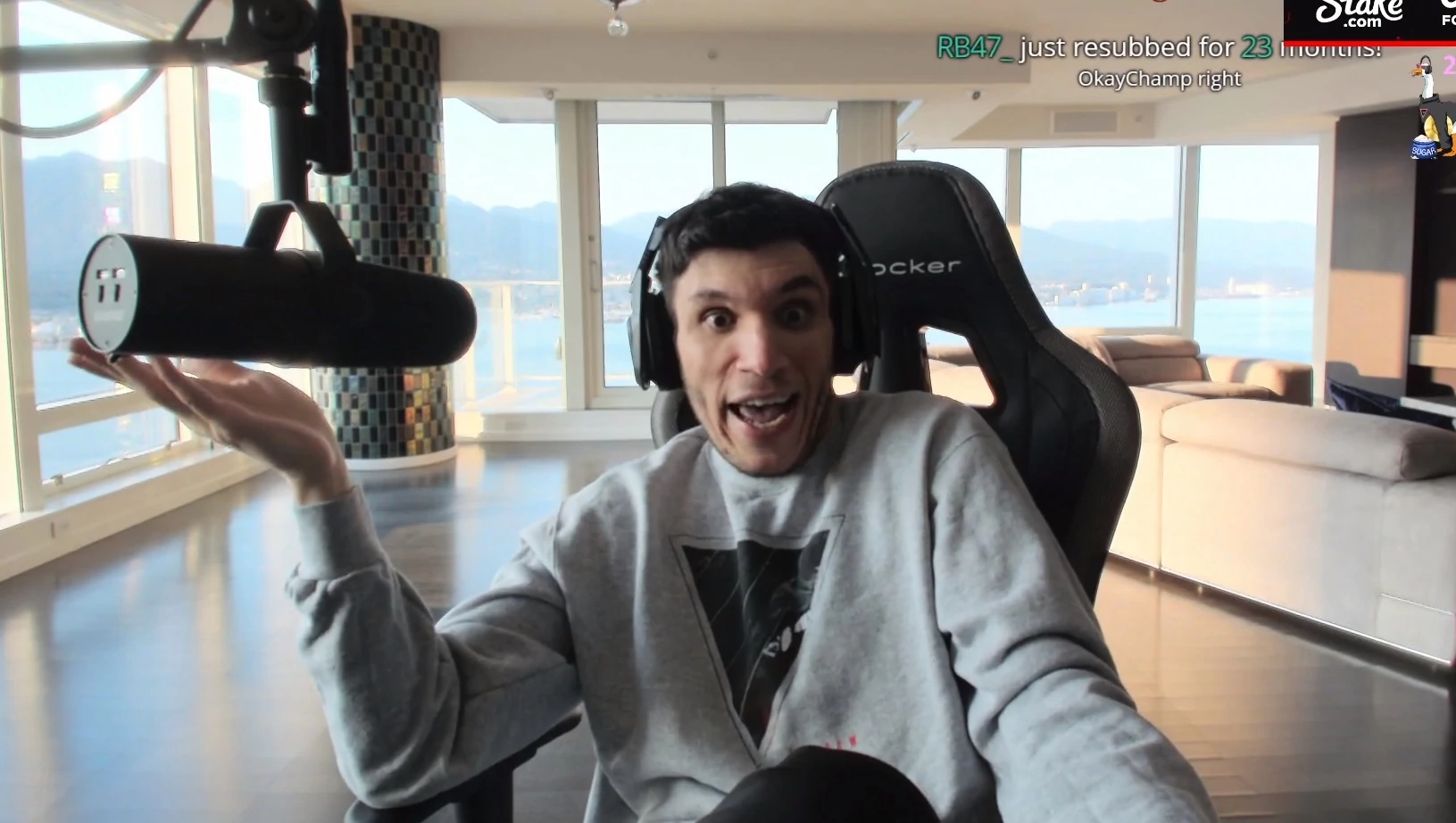
Trainwreckstv became the face of controversy around crypto casinos. By his own claims, he earned hundreds of millions of dollars from his partnership with Stake, although exact figures remain disputed. His streams featuring massive bets drew huge audiences, but he also became the main example for critics arguing that Twitch was promoting gambling to underage viewers.
Together, Ninja, xQc, and Trainwreckstv exemplify different paths to the top of Twitch: from classic esports-driven success to controversial monetization through casino content.
| № | Nickname / Name | Estimated Net Worth / Income | Main Content | Country / Language |
|---|---|---|---|---|
| 1 | Ninja (Tyler Blevins) | ≈ $50 million | Fortnite, variety, show-style streams | USA / English |
| 2 | xQc (Félix Lengyel) | ≈ $50 million | Variety, Just Chatting, marathons | Canada / English |
| 3 | Kai Cenat | ≈ $15–20 million | Variety, challenges, collaborations | USA / English |
| 4 | AuronPlay (Raúl Álvarez) | ≈ $10 million | Comedy and Just Chatting streams | Spain / Spanish |
| 5 | summit1g | ≈ $12 million | Shooters (CS, Valorant), variety | USA / English |
| 6 | NICKMERCS | ≈ $12 million | Fortnite, Warzone, Apex Legends | USA / English |
| 7 | CriticalRole | ≈ $9.6 million | Podcasts, role-playing games (D&D) | USA / English |
| 8 | Ludwig | ≈ $3–4 million | Variety, Just Chatting, challenges | USA / English |
| 9 | Buster (Vyacheslav Leontyev) | $7.5–14k/month on Twitch, $30–50k/month with integrations | CS:GO, Just Chatting | Russia / Russian |
| 10 | Nix (Alexander Levin) | $2–5k/month on Twitch, up to $200–300k/year overall | Dota 2, analysis, tournaments | Russia / Russian |
Pros and Cons of Twitch
Pros of Twitch
When I evaluate Twitch, the first thing I highlight is its massive audience. Millions of viewers visit the platform every day, which means a constant flow of new subscribers for streamers and the chance to quickly grow their community.
In addition, Twitch offers official monetization tools. Subscriptions, Bits, ads, and partner programs are built directly into the platform, allowing creators to start earning immediately without relying on third-party services.
We also can’t forget the support from Amazon. The integration of Prime Gaming gives viewers extra perks and provides streamers with additional subscriptions and steady income. For many, this became a significant revenue stream.
Finally, Twitch has developed a strong community. Viewers don’t just watch content — they actively participate in chat, create memes, and support their favorite creators. This level of engagement makes the platform unique and keeps audiences loyal for years.
Cons of Twitch
When I analyze Twitch, the first drawback I notice is its strict policy and frequent bans. The platform regularly suspends channels for rule violations, but the administration’s decisions often appear inconsistent. This creates a sense of instability for streamers.
Another serious issue is high competition. Thousands of creators go live every day, making it extremely difficult for newcomers to break through without a pre-existing audience. Even quality content often gets lost in the overall flow.
Twitch also imposes strict content restrictions. Casino streams, NSFW categories, and even some IRL broadcasts are constantly subject to censorship. For many creators, this means losing one of their most profitable niches.
Lastly, a key downside is the high commission rates and reliance on algorithms. The platform takes up to 50% from subscriptions and a share of ad revenue, while channel visibility depends heavily on recommendations and rankings. As a result, even popular streamers feel strongly dependent on Twitch’s policies.
Twitch vs GAD.BET: Comparing Opportunities
At this stage, I want to move on to comparing Twitch with an alternative platform — GAD.BET. Here we’ll look at what monetization tools are available to creators on both platforms and where it’s actually easier to earn money. While Twitch has long been considered the classic of live streaming, GAD.BET focuses on a gambling-oriented audience and immediately offers expanded earning mechanics: betting, casino streams, referral programs, and events.

Twitch vs GAD.BET: Comparison of Earning Opportunities
| Criteria | Twitch | GAD.BET |
|---|---|---|
| Subscriptions & Donations | Paid subscriptions (Tier 1–3), Bits. Up to 50% commission. | Paid access to streams. Up to 70% of revenue stays with the creator. |
| Advertising | Available for partners. CPM $2–5, meaningful income only for large channels. | Built-in events and integrations. Extra bonuses for activity. |
| Betting & Casino | Since 2022, slot streams and roulette are banned; only poker and sports on licensed sites are allowed. | Legal foundation of the platform. Streamers earn up to 20% from betting losses and up to 25% from casino revenue. |
| Referral System | Limited options, mostly external affiliate programs. | Up to 1% from all referral bets, up to 20% from paid access, and up to 25% from casino revenue. Referrals are permanent. |
| Events & Tournaments | Twitch Rivals for selected creators. High entry barrier. | Regular challenges and tournaments. Accessible even to beginners. |
| Platform Commission | Usually 50/50 on subscriptions, plus a share of ad revenue. | Minimal commissions, transparent payout conditions. |
| Content Freedom | Strict moderation, NSFW and most casino streams banned. | Minimal restrictions: IRL, pranks, sports, gambling content allowed. Only fraud is prohibited. |
| Starting Point for Beginners | Extremely high competition, difficult to grow without an audience. | Faster growth thanks to betting, referral system, and lower competition. |
When I compare Twitch and GAD.BET, I see a clear difference in their approach to monetization. Twitch remains the largest platform for gamers, but its strict rules, high commissions, and limited set of tools significantly narrow creators’ earning opportunities.
GAD.BET, on the other hand, focuses on flexibility. Here, a streamer can combine subscriptions, paid access, betting, and referral programs, gaining multiple revenue streams at once. At the same time, competition is still lower, which means the path to an audience — and to income — is shorter.
For those who want to build a career primarily around content monetization, GAD.BET opens more doors than Twitch — and that’s exactly what drives interest in this new platform today.